Your Smile Needs Care After Braces
If you’ve recently finished braces or clear aligner treatment in Los Angeles, enjoy seeing your new smile take shape. A professional cleaning and dental checkup can help protect that result by addressing oral-health concerns that may have developed during treatment.
Brackets and wires can make some tooth surfaces harder to clean, while aligners may hold plaque against teeth if they are not cleaned regularly. After treatment, a dental professional can check for plaque, hardened tartar, staining, gum irritation, or sensitivity and discuss what, if anything, needs attention.
At Smile Perfector Dental Group in Los Angeles, preventive cleanings are part of a full-service practice that also offers clear aligners and other dental care. Dr. David Shouhed and the team can tailor recommendations to your teeth, gums, and treatment history. Your cleaning schedule and any additional care should reflect your individual needs, not a one-size-fits-all rule.
A Post-Treatment Cleaning Can Reveal What Needs Attention
Once braces are off, a dental cleaning can help you see how your teeth and gums are doing without brackets and wires in the way. Plaque is a soft, sticky film of bacteria that can collect around braces and wires. If it remains on teeth, it can harden into tartar, which brushing at home cannot remove.
A hygienist can remove remaining deposits during a professional cleaning, while an exam lets the dental team check for gum irritation, areas of buildup, or other concerns. Research on clear aligners highlights how keeping teeth clean matters during orthodontic treatment, though it does not set a schedule for cleanings after treatment ends. At Smile Perfector Dental Group in Los Angeles, preventive cleanings are part of a full-service practice that also offers clear aligners, so patients can discuss their oral health with a team familiar with both types of care. The review of clear aligners and oral health notes that removable trays can make brushing and flossing easier than fixed braces, but trays themselves can also collect plaque.
Consider arranging a dental visit soon after braces come off as an opportunity to assess your mouth and decide what care is appropriate. It does not mean every patient needs the same cleaning or additional treatment. The right approach depends on what the dental professional finds and on your individual needs.
Your teeth or gums may feel sensitive for a few days as they adjust. Softer foods can make eating more comfortable during that brief transition. If sensitivity persists, or you notice another concern, ask a dental professional to evaluate it rather than assuming it will resolve on its own.
Plaque and Tartar Need Different Care
Plaque and Tartar Need Different Care
A bright, healthy smile starts with understanding what’s happening on your teeth. Plaque is a soft, sticky film of bacteria that builds up throughout the day. The good news is that brushing twice daily and flossing once a day easily sweep it away. If plaque is left behind, minerals in your saliva can harden it into tartar. Tartar feels rough and can make your smile look dull. Unlike plaque, it can’t be brushed or flossed away at home, but that’s where your dental team comes in.
A dental hygienist or dentist can remove tartar during a professional cleaning, including buildup near or below the gumline. At Smile Perfector Dental Group in Los Angeles, preventive cleanings are part of a broader range of dental care designed to keep your smile healthy and bright. Your specific needs can be assessed in person, so you get a plan that’s truly yours.
If you notice rough deposits, gums that bleed when you brush, or persistent bad breath, these are signs that a dental assessment can help resolve. Do not try to scrape tartar off with metal tools or at-home kits. You could injure your gums or damage your teeth. Regular brushing and daily cleaning between teeth help limit new plaque, but professional care is the safe, effective way to handle hardened deposits and restore your smile’s comfort.
If an examination shows signs of gum disease, such as swollen or red gums or deeper spaces between the teeth and gums, your dentist may recommend a deep cleaning. This is different from a routine cleaning: it removes plaque and tartar below the gumline and smooths the tooth roots, where bacteria can collect and irritate gum tissue. Your dentist will explain the findings and work with you to decide if this treatment is right for your oral health.
During tartar removal or a deep cleaning, you may feel some pressure, scraping, or vibration. Inflamed gums or sensitivity can make treatment less comfortable, but your comfort matters to us. The dental team can discuss comfort measures, including numbing medicine when appropriate, and will adjust or pause if you feel any pain. Mild tenderness may linger for a few days afterward, but the result is a cleaner, healthier foundation for your smile. Smile Perfector Dental Group’s personalized approach helps the team assess your concerns and provide care that’s truly suited to you.
Daily Habits Help Protect Your Results
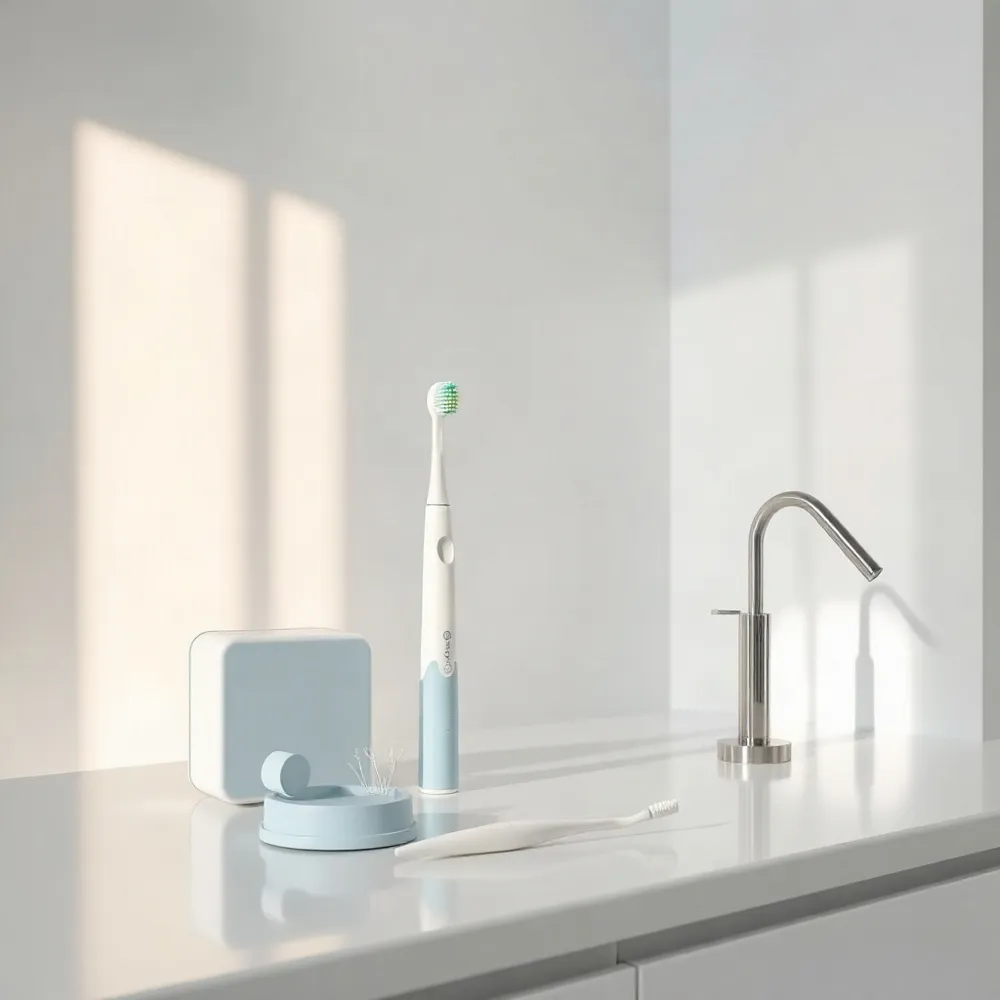 Your straight smile is easier to keep clean, and with a few daily habits, you can protect your results. Brush twice a day with fluoride toothpaste and a soft-bristled toothbrush, or an electric brush if you prefer. Pay extra attention to the areas where your brackets were, as they may need a little more care.
Clean between your teeth every day with regular floss, a floss threader, or a water flosser. A mouth rinse can be helpful for some people, but the right choice depends on your needs. Ask your dentist whether an antibacterial or fluoride rinse is right for you.
If you notice sensitivity or white spots, these can be signs that your enamel needs extra care. Your dentist may suggest a fluoride treatment, prescription fluoride toothpaste, or products that help strengthen enamel. These are not necessary for everyone, so talk to your dental team about any changes you see.
Clear aligners make brushing and flossing easier, which supports plaque control. While research is ongoing, the benefits of good oral hygiene are clear.
At Smile Perfector Dental Group in Los Angeles, preventive cleanings are part of a full-service practice that also offers clear aligners and other dental care. Professional visits help assess your teeth and gums and give you personalized guidance, while daily brushing and flossing keep your smile bright between appointments.
Cleaning Around Braces Takes Extra Attention
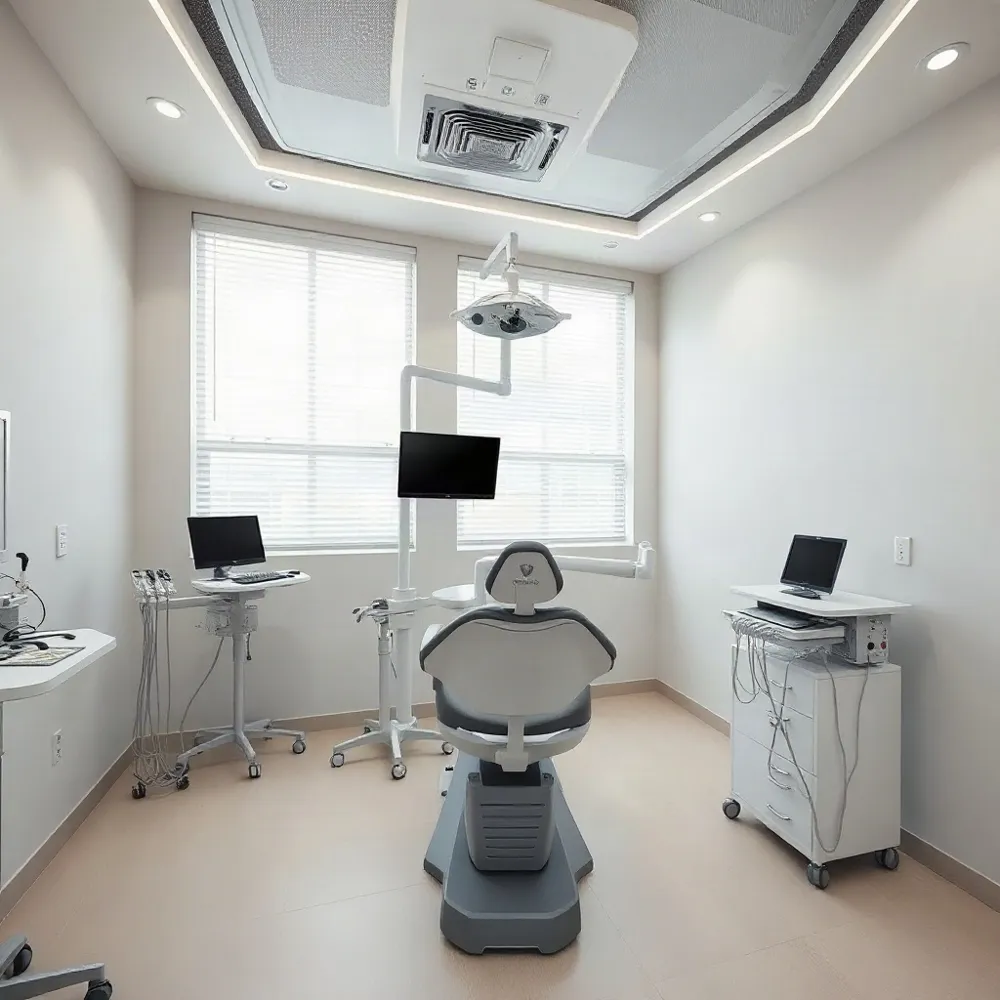 If you're in Los Angeles and wearing braces, you can absolutely have a professional dental cleaning, and keeping those visits is a great way to support your treatment. Your brackets and wires stay in place as our dental team cleans around them and checks your teeth and gums. At Smile Perfector Dental Group in Los Angeles, preventive cleanings are part of our full-service approach to care, alongside orthodontic services. We want you to feel confident that your smile is in good hands.
At home, start by rinsing with water to loosen food debris. Brush for two minutes with a soft-bristled toothbrush, angling the bristles toward the gumline. Clean above, below, and around each bracket, then brush the inside and chewing surfaces of every tooth. Use gentle pressure rather than scrubbing, and check in a mirror for spots you may have missed.
Once a day, clean between your teeth with floss threaded under the wire or with a small brush designed for that space. It should fit without force, so stop if it catches or causes discomfort and ask your dental team what tool may work better for you. A water flosser can help rinse around braces, but it should not replace brushing and daily cleaning between teeth. A fluoride rinse may also be a good option for some people; check with your dentist before adding one to your routine.
If you notice red, swollen, or bleeding gums, or plaque that remains despite careful brushing, these are good reasons to ask your dentist or orthodontist for personalized advice. Your cleaning schedule can also be adjusted to your oral health needs. Some people find that removable trays are easier to clean around than fixed braces, but your dental team can give you the best advice for your specific situation.
Set Cleaning Visits Around Your Needs
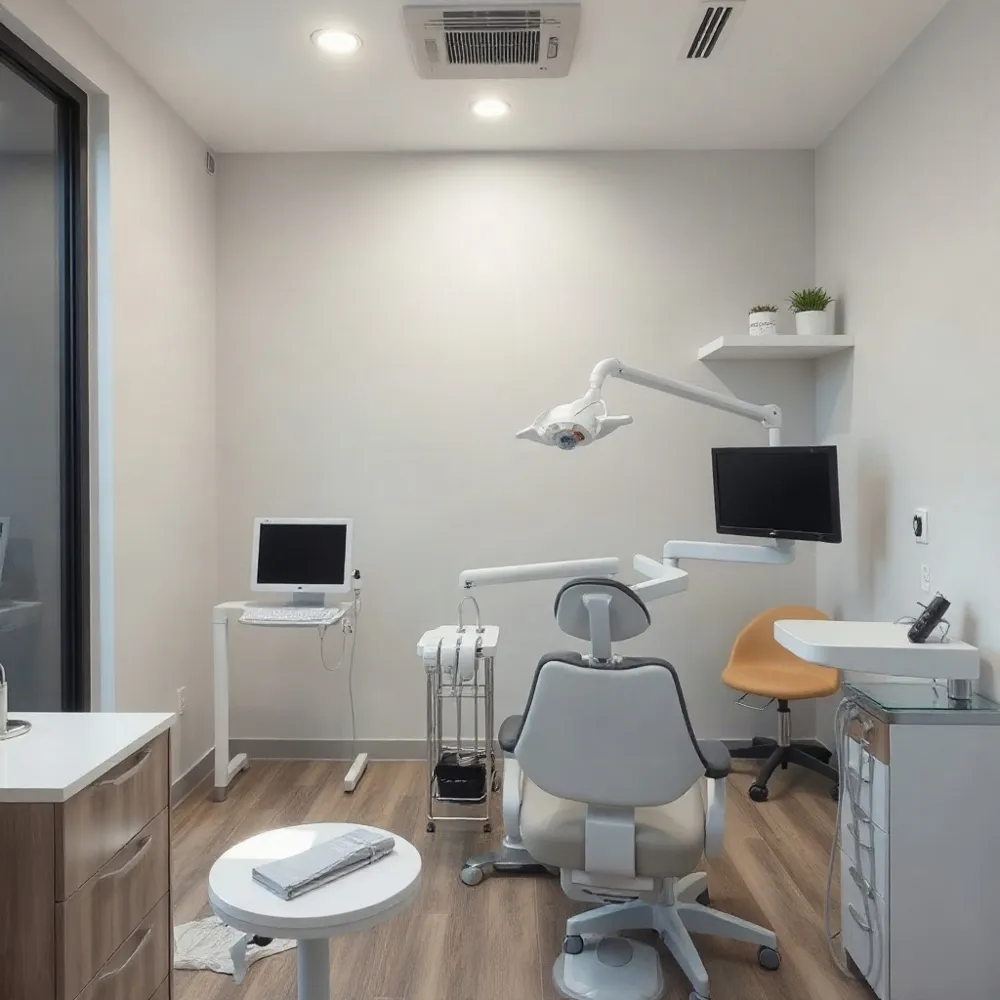 Many people have professional dental cleanings about every six months, but that is a starting point, not a rule for everyone. Braces can make plaque harder to remove at home, so your dentist may suggest visits more often if buildup or gum concerns call for closer attention.
Dental and orthodontic appointments have different roles. Your orthodontic team monitors tooth movement and the fit of your braces. Dental visits focus on your teeth and gums, including preventive care and checks for concerns such as decay or inflammation.
At Smile Perfector Dental Group in Los Angeles, preventive cleanings are part of a full-service practice that also offers clear aligners and family dentistry. Your dentist can recommend a cleaning schedule based on your gum health, cavity risk, visible plaque or tartar, and how well your home routine is working.
If you wear braces, ask your dental team how often to book cleanings rather than relying on a fixed interval. Brush twice daily and floss every day, using tools suited to your braces. A schedule shaped around your needs can help your dental team address buildup and support your oral health throughout treatment.
Research on oral hygiene during clear-aligner treatment also highlights the value of keeping teeth clean throughout orthodontic care, though it does not set a cleaning schedule for people with braces. A review of clear aligners and oral health notes that removable trays can make brushing and flossing easier, while stressing that further high-quality, long-term research is needed.
Plan Whitening With Your Dental Team
Can you whiten your teeth while wearing braces? It may be possible, but traditional brackets can block whitening products from reaching the enamel beneath them. That can leave uneven color once the braces come off, so whitening during treatment is not a one-size-fits-all choice.
For many patients, it makes sense to wait until orthodontic treatment is complete before using whitening strips, trays, or professional whitening. Your dentist or orthodontist can help you decide what timing and approach suit your teeth. While braces are on, brush carefully around brackets and ask whether whitening toothpaste is appropriate for you.
If you wear removable clear aligners, ask your dental team whether whitening during treatment is suitable and how to do it safely. Research on clear aligners focuses on oral health and hygiene, not on establishing a whitening schedule, so personal guidance matters. Smile Perfector Dental Group offers clear aligners alongside cosmetic dental care, allowing the team to discuss options in light of your treatment, goals, and the natural-looking result you want.
Retainers Help Keep Teeth in Place
Braces or aligners move teeth into position, but they do not make that position permanent. Teeth can shift over time as the tissues around them adapt, and everyday pressure from chewing or grinding may contribute to movement. A retainer helps hold your teeth in their new positions.
Wear your retainer according to the instructions from your treating orthodontic team. The right schedule depends on your treatment and individual needs, so do not assume that one timeline applies to everyone or stop wearing a retainer without professional guidance.
Bring your retainer to follow-up visits so your dental team can check its fit and condition. If it feels painful, no longer fits, or you notice teeth moving or your bite changing, contact your dentist or orthodontist. Do not force a retainer that does not fit. A clinician can assess what is happening and discuss appropriate options.
At Smile Perfector Dental Group in Los Angeles, preventive cleanings and broader dental care are offered alongside clear aligners, making it possible to discuss oral health and your smile in one practice. Consistent home care, professional follow-up, and advice tailored to your needs can help you feel confident in your smile long after treatment.
Keep Your New Smile Feeling Its Best
Your orthodontic treatment may be complete, but your care routine still matters. Professional cleanings help your dental team check your teeth and gums, while daily brushing and flossing support oral health at home. Follow your orthodontist’s instructions for wearing your retainer to help maintain your alignment.
If you are in Los Angeles and notice sensitivity or buildup, have questions about whitening, or find that your retainer feels different, ask a dental professional for guidance. At Smile Perfector Dental Group, preventive cleanings are part of a full-service practice with digital imaging and personalized care, so your next steps can reflect your needs.