A Personalized Approach to Straightening Teeth
Clear aligners use a series of custom-made trays to guide teeth into new positions gradually. For Los Angeles adults juggling work, family, and busy schedules, their removable design can fit more easily around meals and daily routines.
A confident result starts with a plan shaped around your smile, not a one-size-fits-all timeline. At Smile Perfector Dental Group, a digital workflow and personalized approach to smile design support careful planning, while an evaluation helps determine whether aligners suit your teeth and bite.
Treatment length and results vary with the movements needed and how consistently you follow your dentist’s instructions. A consultation can clarify what your plan may involve and give you a chance to discuss your goals, questions, and everyday needs before deciding on a next step.
Start With a Personalized Treatment Plan
 Start With a Personalized Treatment Plan
For Los Angeles residents, a useful consultation is a two-way conversation, not just a scan. Bring up what bothers you about your teeth, your dental history, the smile you hope to achieve, and any questions about treatment or daily routines. At Smile Perfector Dental Group, we shape care around your goals, with an artist-focused approach to smile design that helps build your confidence.
The dentist may examine your teeth and bite, take photographs, and use digital photos to assess alignment and oral health. Digital scans or molds can create a model of your teeth for planning movement. Smile Perfector Dental Group describes a fully digital workflow, but the specific records used for your aligner plan will depend on your evaluation.
If aligners are a suitable option, a plan may outline the intended tooth movements, estimated number of trays, expected treatment duration, cost, insurance options, and appointment schedule. Aligners do not suit every bite concern or type of tooth movement, so an evaluation can help determine whether they fit your goals and lifestyle.
What affects the cost of clear aligner treatment?
The total can vary with the amount of movement needed, number of trays, expected duration, follow-up visits, and any additional dental care. Insurance benefits and payment options may also affect your out-of-pocket cost. Ask for an itemized estimate that separates treatment fees from any other recommended care before you decide.
Can clear aligner treatment change the appearance of my face?
Aligners move teeth; they do not reshape facial structure. Correcting tooth position or a bite may subtly change how your smile looks or how your teeth support your lips, but the effect on lower-face appearance varies from person to person. Smile Perfector Dental Group can assess your bite and smile goals and discuss realistic expectations, rather than promising a dramatic change to your face shape or jawline.
Daily Wear Shapes Treatment Progress
Clear aligners work in stages: each custom tray applies gentle pressure to guide teeth toward their planned positions. When your teeth have adjusted enough, you move to the next tray on the schedule set by your dentist.
Many treatment plans call for wearing aligners about 20 to 22 hours a day, removing them for meals and drinks other than plain water. Your dentist will set the wear routine and tray-change schedule for your smile, so a general guideline should not replace your specific instructions.
A new set may feel tight or cause temporary pressure or tenderness as your teeth begin to move. Some people also notice a slight speech change at first. These adjustments can take a little getting used to, and your dental team can advise you if discomfort persists or a tray does not fit as expected.
Consistency matters because aligners can guide tooth movement only while they are in place. Since you need to remove them to eat and drink anything other than water, planning ahead helps protect your daily wear time. At Smile Perfector Dental Group, digital imaging supports a treatment-planning process shaped around your smile and dental needs.
The “30-minute rule” is a general reminder to put trays back in within about 30 minutes after eating or drinking something other than water. First, clean your teeth and rinse your mouth so food, sugar, and acids are less likely to remain trapped beneath the aligners. Your dentist’s instructions take priority, including any advice to wait after eating. Keeping your case with you and planning for a quick cleanup can make the routine more manageable during a busy day in Los Angeles.
Care for Trays Between Meals
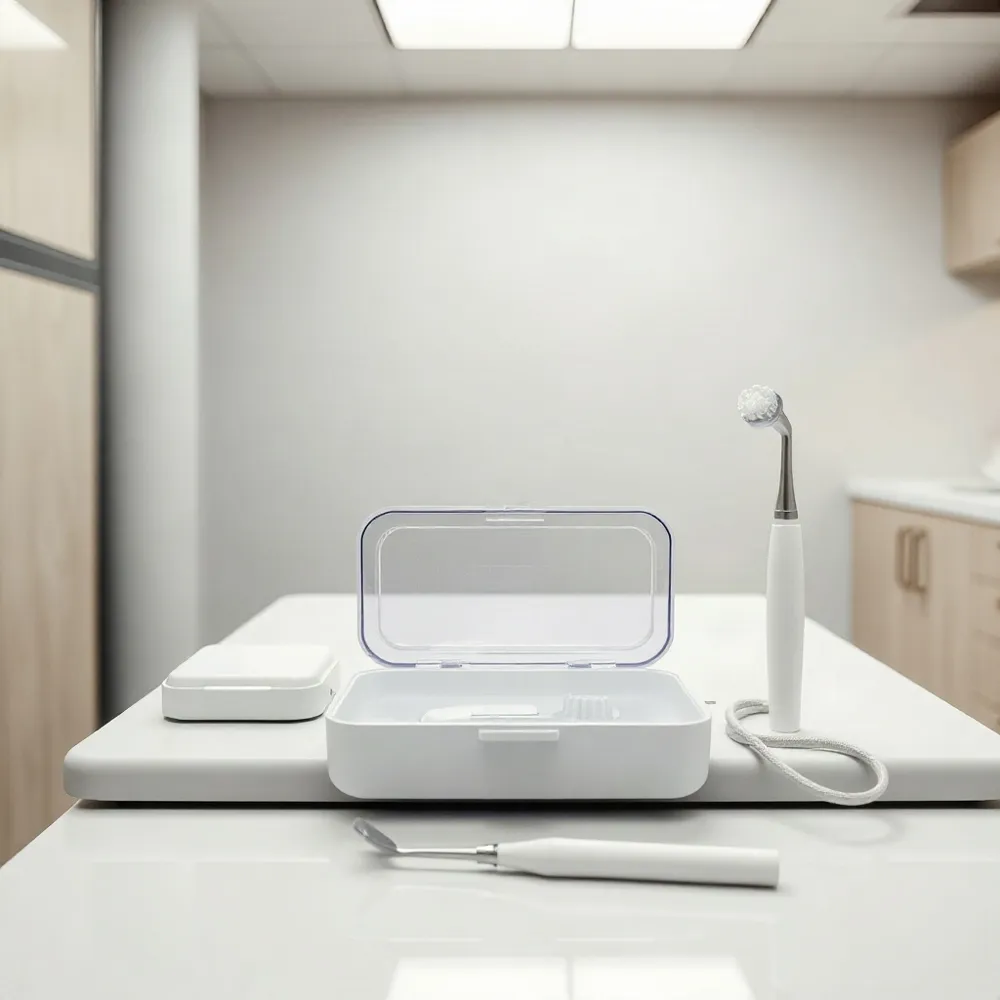 A simple routine helps keep clear aligners clean, comfortable, and ready to wear. Remove them before meals and drinks other than plain water. After eating, brush and floss before putting the trays back in whenever possible, so food is less likely to remain trapped against your teeth.
Rinse the trays with cool or lukewarm water whenever you take them out. Clean them daily with a soft toothbrush and clear, unscented soap or a cleaner approved by your dentist. Hot water can warp the plastic, while abrasive toothpaste may scratch it. Colored or scented products can also stain trays or leave an unpleasant taste.
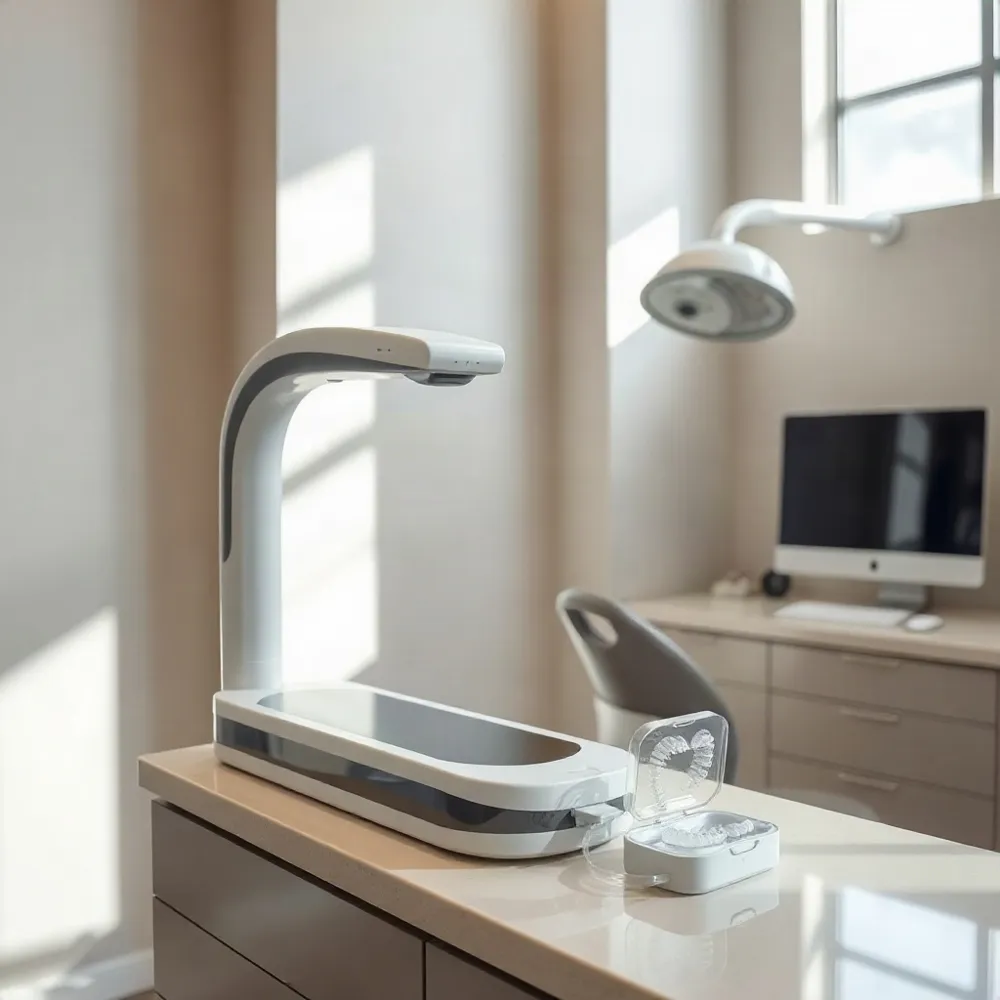
Keep the aligner case nearby and store your trays in it whenever they are out. Leaving them on a table or wrapping them in a napkin makes them easier to lose or damage. Smile Perfector Dental Group’s digital imaging and personalized care can help you discuss your treatment needs and get guidance suited to your aligners.
Follow your dentist’s instructions for your specific trays. If an aligner cracks, becomes misshapen, or no longer fits properly, contact your dental team for advice rather than trying to adjust it yourself.
Know the Tradeoffs and Finishing Options
Clear aligners can fit into many routines, but they do require steady attention. Trays are typically worn for most of the day and taken out for meals and drinks other than water. After eating, you’ll need to clean your teeth before putting them back in, which can make meals and oral care less convenient.
A new set may bring temporary pressure or tenderness, and some people notice a slight change in speech while adjusting. Small tooth-colored attachments may also be added to selected teeth to help the trays grip and guide planned movements. Whether attachments are useful, or aligners are suitable for a particular bite concern, depends on the individual case.
At Smile Perfector Dental Group, a personalized review of your teeth and bite can help clarify these considerations alongside your smile goals. The practice’s digital imaging and individualized approach support a treatment discussion tailored to your needs, rather than assuming every patient will have the same plan.
Some patients may also be offered interproximal reduction, a procedure that gently smooths a very small amount of enamel between teeth to refine alignment or shape. It is not needed for everyone, and because enamel does not grow back, the dentist should explain the reason, expected experience, and alternatives before proceeding. Mild sensitivity may follow and usually fades within a few days.
If finishing adjustments are suggested, ask how they relate to your final alignment and bite. Smile Perfector Dental Group can review your results and discuss any recommended finishing touches in the context of your smile.
Protect Your Results With Retainers
 Finishing clear aligner treatment is a milestone, but keeping your new smile in place takes continued care. Retainers help hold teeth in their new positions as the tissues around them adjust, reducing the chance of unwanted shifting.
Your retainer schedule should be based on your treatment and dental professional’s guidance. Some people eventually wear a removable retainer at night, while others follow a different plan. For many patients, wearing a retainer remains part of long-term smile care.
At Smile Perfector Dental Group, personalized care and digital imaging support treatment planning, including attention to the details that help protect your results. Ask your dental professional how often to wear your retainer, how to clean it, and where to store it when it is out of your mouth. A removable retainer should be kept in its case to help prevent loss or damage.
If a retainer is damaged, feels unusually tight, or no longer fits, contact your dental team for advice instead of forcing it into place. Ongoing guidance and a plan tailored to your needs can help you maintain the confident smile you have worked toward.
Make Your Next Step an Informed One
If you are considering clear aligners, a conversation with a dental professional can help you understand whether they fit your needs. Bring your questions, describe what you would like to change about your smile, and ask how the plan would address your goals.
At Smile Perfector Dental Group in Los Angeles, a digital workflow and an artist-focused approach to smile design support personalized care. Before deciding, make sure you understand the daily wear routine, tray care, and how retainers will help protect your results. With a clear picture of the commitment and plan, you can choose your next step with confidence.