A Straighter Smile At Any Age
If you are an adult in Los Angeles thinking about straightening your teeth, you have not missed your chance. Orthodontic care is not just for teenagers. Many adults explore treatment to address crowding, spacing, or bite concerns, and to feel more at ease when they smile.
Clear aligners and braces can both improve tooth alignment, but they work differently and are not interchangeable for every case. Aligners are removable and less noticeable, while braces remain fixed in place. The suitable option depends on your teeth, bite, oral health, and treatment goals, as well as what fits your daily routine.
Appearance may be part of your decision, but comfort and long-term dental health matter too. At Smile Perfector Dental Group in Los Angeles, a fully digital workflow and advanced imaging support personalized treatment planning, while an artist-focused approach considers how a straighter smile can complement your features. A thoughtful assessment can help you weigh your options and choose a plan that feels right for you.
How Aligners And Braces Differ
We understand that choosing between aligners and braces is a big decision for your smile. Clear aligners are custom-made, nearly transparent trays that fit over your teeth. Braces use brackets and wires attached to the teeth to guide movement. Both approaches can help create a straighter, more confident smile, but they work differently and call for different daily habits.
Aligners can be removed for meals, brushing, and flossing, which can make everyday routines simpler. They must be worn as directed, however, and stored safely whenever they are out. Braces stay in place throughout treatment, so you do not have to remember to put them back in after eating. They do require careful cleaning around brackets and wires.
Braces can address most alignment issues. Aligners may suit many mild to moderate concerns, but they are not right for every case. The American Association of Orthodontists’ comparison of braces and clear aligners emphasizes that appliance choice depends on an accurate diagnosis, treatment goals, and lifestyle, not appearance preference alone.
For Los Angeles residents, Smile Perfector Dental Group offers a personalized assessment using modern digital tools and detailed imaging to evaluate your teeth and smile goals. This evaluation can help clarify whether removable aligners or fixed braces better fit your needs and routine. Your clinician will also explain the trade-offs so you can make an informed choice with confidence.
The Timeline Depends On Your Case
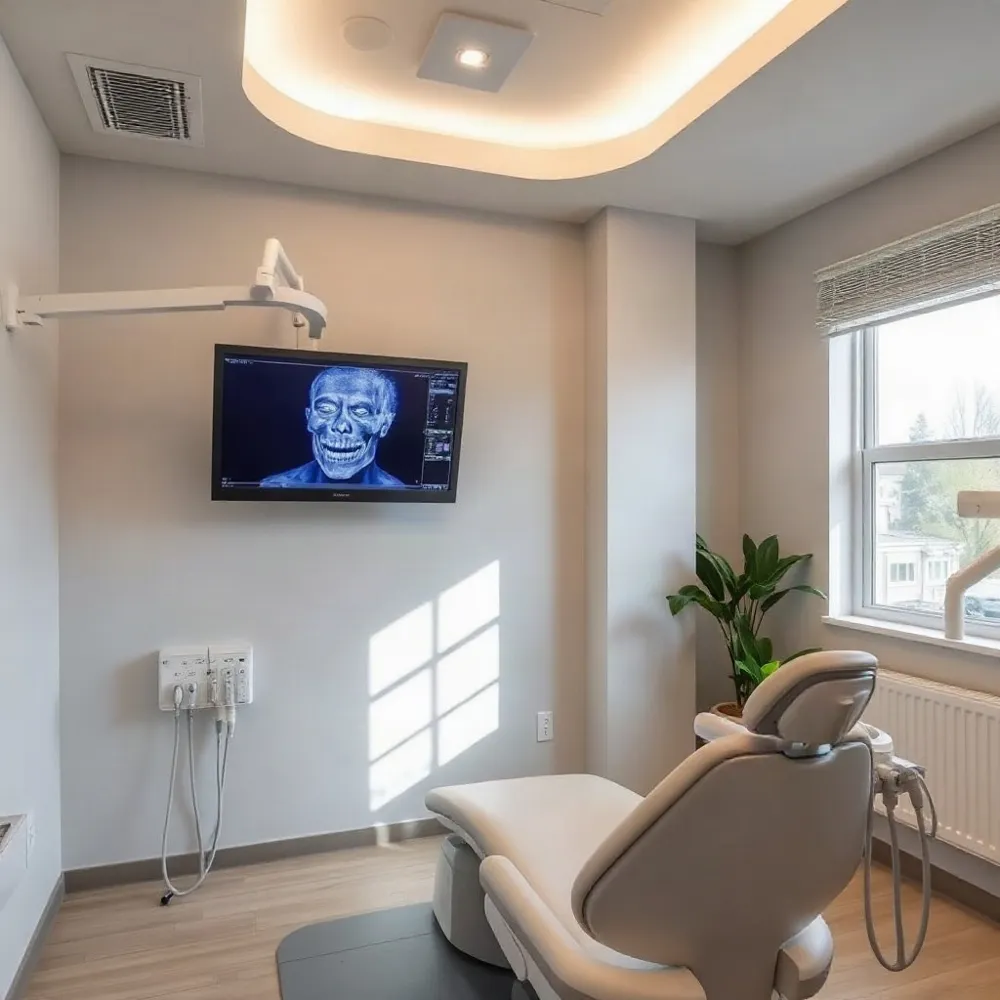 How long does treatment with clear aligners or braces take? If you're a Los Angeles resident considering orthodontic treatment, you might wonder about the timeline. There is no single answer that applies to every adult. The time needed depends on how far your teeth must move, whether your bite also needs correction, the treatment approach, and how consistently you follow the plan.
Some mild cases may take around six months, but this is an estimate, not a promise. Research shows that treatment times vary, and your orthodontist will provide a personalized estimate based on your unique needs. The goal is not just a straighter smile, but one you can feel confident about.
More involved tooth movements or bite concerns may require additional time. The American Association of Orthodontists emphasizes that the suitable appliance depends on an accurate diagnosis and an individualized treatment plan.
Aligners only work as planned when worn according to your clinician’s instructions. With braces, keeping scheduled visits and following care guidance helps your provider monitor progress and make adjustments when needed. A missed appointment or inconsistent aligner wear may affect the schedule.
At Smile Perfector Dental Group, Dr. David Shouhed can assess your teeth and bite using the practice’s digital imaging workflow, then discuss a treatment option and timeline suited to your needs. An evaluation gives you a more useful estimate and helps you take the first step toward a confident smile.
Comfort And Everyday Routines
If you're wondering whether clear aligners are more comfortable than braces, here's what you can expect. Aligners may feel smoother because there are no brackets or wires rubbing against your cheeks and lips. Still, a new aligner tray can create temporary pressure or soreness as your teeth adjust. Braces may also make your teeth tender after placement or an adjustment, and brackets or wires can irritate your mouth tissues.
A 2024 study of 100 adults with mild-to-moderate teeth alignment issues found that, on average, aligner patients reported less discomfort than those treated with braces. Keep in mind, these findings offer a useful comparison, not a promise—the study didn't include people with severe cases, and comfort varies from person to person. The study also found higher comfort ratings for aligners in its specific study group.
The everyday routine differs, too. With aligners, you can remove them for meals, brushing, and flossing, while braces stay in place and require careful cleaning around brackets and wires. If you have braces, you'll also need to avoid hard, sticky, crunchy, or chewy foods that could damage the appliance, as the American Association of Orthodontists’ comparison explains.
Whichever option you choose, daily brushing and flossing remain essential. Aligners should be removed for cleaning your teeth and put back in as directed; fixed braces call for extra care around the hardware. At Smile Perfector Dental Group in Los Angeles, a personalized assessment using digital imaging can help weigh these routines alongside your smile goals and clinical needs.
Aligner Tradeoffs To Consider
What should Los Angeles residents consider with clear aligners? Their flexibility comes with a daily responsibility: they typically need to be worn about 20 to 22 hours, following your clinician’s instructions. You remove them for meals and drinks other than water, then put them back in with clean teeth. Consistent wear and following the prescribed sequence are important for treatment to work as planned.
That routine can be hard to maintain during busy workdays or social plans. Missed wear may slow progress or affect the planned results. Since trays come out, you also need to store them in their case rather than leave them on a napkin or in a bag, where they could be lost or damaged.
Aligners offer effective control for most cases. For more complex situations, braces may be an option, and our team will help determine the best approach for your smile goals. Smile Perfector Dental Group’s digital imaging and personalized planning help assess your teeth and smile goals before discussing whether its clear-aligner service is appropriate. The choice of appliance depends on your alignment needs, and we will guide you through that decision.
Some aligner plans include small, tooth-colored guides on selected teeth to help with alignment. After active treatment, a retainer is commonly recommended to help keep teeth in their new positions. At Smile Perfector Dental Group, an individualized assessment can help clarify the likely plan, including whether these guides or a retainer may be part of your care.
Understand Costs And Coverage
How much do clear aligners or braces cost, and does insurance cover treatment? There is no single price that applies to every adult. Fees can depend on the complexity of your case, the length of treatment, the appliance recommended, the provider, and your location. Broad price ranges published by other practices are not a quote for care in Los Angeles.
Invisalign describes aligner treatment as comparable in cost to braces in most cases, but your clinician must assess your needs before determining the actual fee. The American Association of Orthodontists’ adult orthodontics guidance also notes that costs vary with case complexity, region, and provider.
Insurance coverage varies. Some plans include adult orthodontic benefits, while others exclude them or set limits such as a lifetime maximum. Check your policy for eligibility, deductibles, and benefit limits, then confirm those details with your insurer before treatment begins.
At Smile Perfector Dental Group, a personalized consultation can help you compare treatment options in light of your dental needs and smile goals. Ask for a written estimate that explains what is included, and discuss available payment arrangements or whether you can use eligible FSA or HSA funds. A clear cost breakdown makes it easier to plan without relying on a general estimate that may not fit your case.
Adult Treatment Starts With An Assessment
 Can adults straighten their teeth with clear aligners or braces? Yes. Age alone does not rule out orthodontic treatment, and the American Association of Orthodontists reports that adults make up one in three orthodontic patients today (AAO guidance on adult orthodontics). The right approach depends on your teeth, bite, oral health, and goals.
An assessment should look beyond whether you want a straighter smile. Your dentist will consider crowding or spacing, how your upper and lower teeth meet, the health of your gums and teeth, and relevant dental history. These details help determine whether aligners or braces may suit your needs and what to expect. The AAO notes that appliance choice should follow an accurate diagnosis and an individualized plan (AAO comparison of braces and clear aligners).
Treatment may support more than appearance. Better-aligned teeth can be easier to clean, and correcting certain alignment or bite concerns may help with chewing or uneven tooth wear. Results vary, so a professional evaluation is needed to understand what treatment can address in your case.
At Smile Perfector Dental Group in Los Angeles, a personalized, artist-focused approach considers your facial features and smile goals alongside your dental needs. The practice’s digital workflow and advanced imaging can help inform the conversation and treatment planning, without promising a particular outcome. Bring your questions and dental history to an assessment so you can discuss options in the context of your health and priorities.
Finding The Cause Of A Slanted Smile
 If you're wondering whether clear aligners or braces can correct a slanted smile, the answer depends on the cause. They may help if your slanted smile comes from uneven tooth positions or a bite problem, such as when your upper and lower teeth don't meet correctly. Moving your teeth can improve how your smile lines up, but the right approach depends on what is causing the imbalance.
Aligners and braces move teeth. They do not independently change significant differences in jawbone shape or position, so straightening teeth alone may not address every concern. The American Association of Orthodontists’ guidance on braces and clear aligners emphasizes that appliance choice depends on an accurate diagnosis and an individualized treatment plan.
An examination can help assess your tooth position, how your upper and lower teeth meet, and whether your jaw may be contributing to the slant. When appropriate, digital imaging can provide additional information to guide a discussion of possible treatments. At Smile Perfector Dental Group, a fully digital workflow and advanced imaging support personalized planning, with attention to both your dental anatomy and natural-looking smile design. A straighter smile can enhance your confidence, and our team is dedicated to helping you achieve that.
If the imbalance appears to involve jaw position rather than tooth alignment alone, evaluation beyond tooth-straightening treatment may be needed. That does not mean a particular treatment will be recommended or that correction can be guaranteed. A careful assessment can clarify what aligners or braces may address, what they cannot change, and whether another type of evaluation is appropriate.
Retainers Help Protect Your Results
For Los Angeles residents, what happens after treatment with clear aligners or braces? Active treatment may be finished, but your teeth can still shift over time. A retainer helps hold them in their new positions, and the American Association of Orthodontists’ guidance on adult orthodontics notes that retainers are commonly recommended after treatment.
Your dental professional will recommend the retainer type and wearing schedule for your needs. Some people wear a retainer more often at first and later switch to nighttime wear, but there is no single schedule that suits everyone. Follow the instructions you receive, even when your smile feels settled.
At Smile Perfector Dental Group in Los Angeles, personalized care and a digital workflow support treatment planning around your teeth and smile goals. After orthodontic treatment, keeping routine dental visits can help your care team check your oral health and whether your retainer still fits comfortably.
A retainer that feels unusually tight or no longer fits may need professional attention. Contact your dental professional for advice rather than forcing it into place or changing your wear schedule on your own. Consistent follow-up and retainer use help protect the alignment you worked toward.
Choose A Plan Made For You
The right orthodontic plan should fit both your teeth and your everyday life. Clear aligners are removable and discreet, which may suit adults who want flexibility at meals and an appliance that is less noticeable. Fixed braces stay in place and may offer advantages for some complex tooth movements. Neither option is best for everyone.
A thoughtful recommendation starts with your bite, oral health, treatment goals, and daily routines. At Smile Perfector Dental Group, digital imaging and personalized smile planning help inform a discussion of what may suit your needs. Your provider can explain the likely benefits and tradeoffs of each option, along with what treatment and follow-up would involve.
If you live in Los Angeles and are considering treatment, bring your questions and the changes you hope to see to a consultation with Smile Perfector Dental Group. Together, you can review your smile goals and explore a plan tailored to your circumstances. An assessment can clarify your options, without promising that one approach or a particular result is right for every patient.