A Different Approach to Sleep
For Los Angeles residents exploring treatment for obstructive sleep apnea (OSA), a custom oral appliance may be one option to discuss with a healthcare professional. OSA occurs when the upper airway repeatedly becomes partly or fully blocked during sleep, interrupting breathing, fragmenting rest, and reducing oxygen. A dental appliance worn during sleep can reposition the jaw or tongue to help keep the airway open.
That does not make an appliance the right choice for everyone. A sleep specialist should diagnose OSA and help determine whether this approach is suitable; treatment decisions should reflect the person’s condition and medical needs. The Cleveland Clinic’s guide to oral appliance therapy explains that these devices are generally considered for some people with mild to moderate OSA, including those who cannot use CPAP consistently.
Results vary, and a fitting is only one part of care. Follow-up may include dental adjustments and sleep testing to check how well the appliance is working. Smile Perfector Dental Group’s digital imaging and personalized approach to dental care reflect the value of careful attention to fit and comfort, while any sleep-apnea treatment plan should be coordinated with qualified medical professionals.
How Oral Appliances Help Keep Airways Open
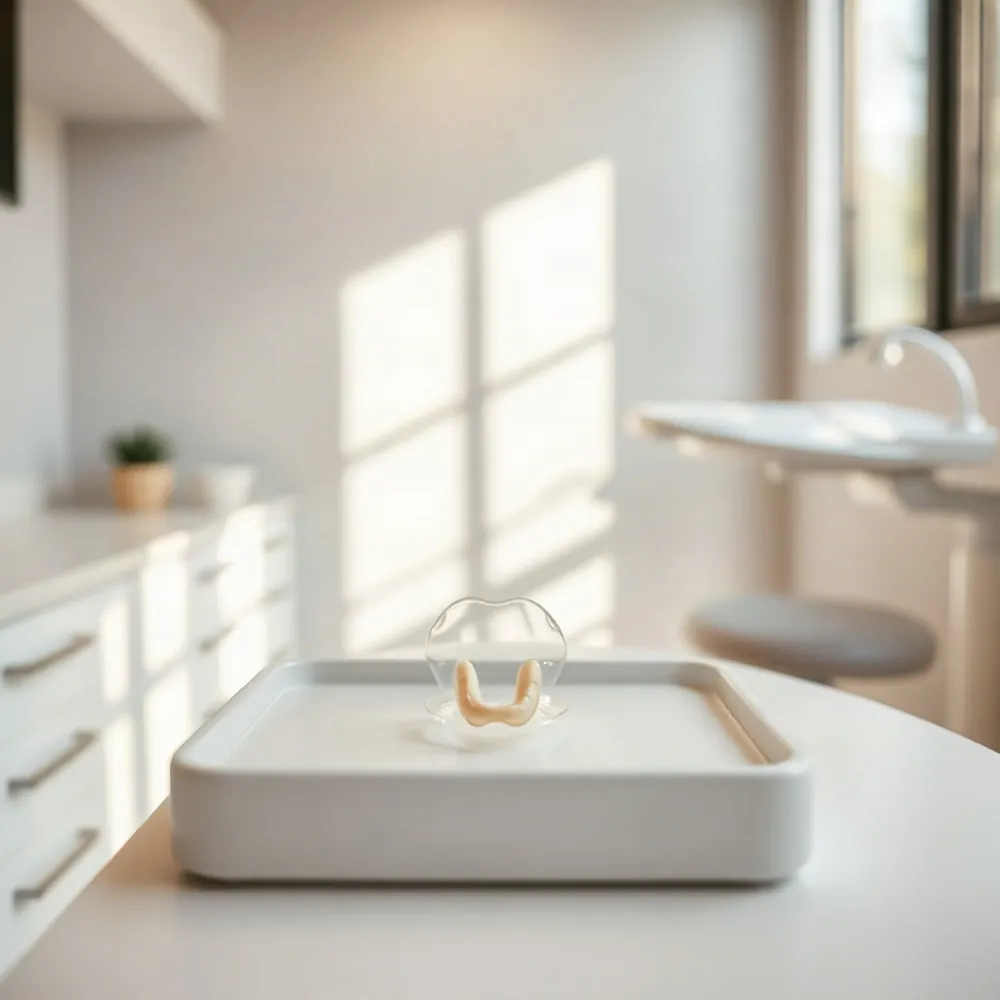 An oral appliance is a dental mouthpiece you wear during sleep to help keep your airway open if you have sleep apnea. Instead of using a mask that supplies air, it gently repositions your jaw or tongue to create more room for airflow. This can lead to better sleep quality, helping you wake up refreshed and more confident in your daily life.
How the two main designs work
The most common type is a device that moves your lower jaw slightly forward. Because your tongue is attached to your lower jaw, it moves forward too, opening up space at the back of your throat. The design and amount of movement can vary, so your dentist will ensure a comfortable fit.
A tongue-stabilizing device works differently: it uses suction to hold your tongue forward while you sleep. This option may be considered if your teeth cannot support a jaw‑advancing device. The Cleveland Clinic’s overview of oral appliance therapy describes both designs and notes that a clinician helps select and fit the right device for you.
Neither design is a do‑it‑yourself fix. A sleep specialist will evaluate whether an appliance is right for you and coordinate with a dentist who can assess your oral health, fit the device, and make adjustments. At Smile Perfector Dental Group, our digital imaging and personalized approach support careful dental care. Please confirm directly whether we offer sleep‑apnea appliance services.
Who May Be a Candidate
For Los Angeles residents considering sleep apnea treatment, the first step is a confirmed diagnosis through a sleep study. This helps determine if a dental device might be a good option for you. A sleep specialist will guide you on the best approach based on your health needs.
A custom dental device may be an option for some people with mild to moderate sleep apnea, especially if you find it difficult to use a CPAP machine consistently. While CPAP is often very effective, a dental device can be a helpful alternative when CPAP isn't the right fit. The choice depends on your diagnosis and what works best for your lifestyle, as Cleveland Clinic explains.
Your sleep specialist will also consider any special circumstances. For example, certain types of sleep apnea require different treatments, and children should only use a dental device if their healthcare provider recommends it. The key is to work with a specialist who can create a personalized plan for you.
A dental evaluation can help assess whether your teeth and oral health can support a device, but it's just one part of the picture. At Smile Perfector Dental Group, we use digital imaging and a personalized approach to support your dental health. We're here to help you discuss your options, and we'll work alongside your medical team to ensure you get the care you need.
Custom Fit and Individual Device Choice
 If a sleep study confirms you have sleep apnea, a sleep specialist may recommend a custom oral appliance as a treatment option. This personalized approach can help you sleep better, feel more rested, and improve your overall health and confidence. The specialist can then refer you to a dentist for fitting, ensuring your diagnosis and device care are closely connected.
For a custom jaw-advancement device, your dentist will take a dental impression or 3D scan and record how your teeth fit together. A manufacturer then creates the appliance based on the dentist’s specifications. During the fitting, your dentist ensures the device feels comfortable and stays securely in place. A follow-up sleep test can help evaluate its effectiveness and guide any necessary adjustments. Cleveland Clinic’s overview of oral appliance therapy describes this fitting process.
Custom jaw-advancement devices come in different designs, and the amount they move your jaw forward can vary. The ideal setting balances fit, comfort, and treatment effectiveness—it’s not about moving the jaw as far as possible. Custom-made appliances generally provide better results than one-size-fits-all or over-the-counter options, which aren’t tailored to your unique needs. A scientific review also supports custom-made, adjustable devices over prefabricated models. The review of oral appliances for sleep apnea explains why individual fitting and adjustment are so important.
For Los Angeles residents, Smile Perfector Dental Group’s use of digital imaging and personalized care reflects a commitment to individualized dentistry. Please note that this information does not confirm whether the practice offers sleep-apnea appliances, so be sure to ask about service availability and coordinate with your sleep specialist before choosing a device.
What Treatment Results Can Look Like
 If you're a Los Angeles resident considering treatment for sleep apnea, a custom dental device may help reduce snoring and improve your sleep quality. However, results can vary based on your mouth shape and the severity of your condition.
A 2019 scientific review found that about one-third of patients saw their breathing interruptions during sleep drop to a normal level, another third reduced their interruptions by at least half, and the remaining third saw little change. These are group results, not a guarantee for any individual.
CPAP machines are often more effective at reducing sleep apnea, but some people find them difficult to use. A dental sleep appliance might be an option if CPAP isn't working for you, after a sleep specialist evaluates your situation. The Cleveland Clinic’s overview of oral appliance therapy also notes that the best treatment depends on your personal circumstances.
Feeling more rested or snoring less doesn't always mean your sleep apnea is fully controlled. Your sleep specialist may recommend a follow-up sleep test to see how well the device is working and make adjustments.
At Smile Perfector Dental Group, we use digital imaging and a personalized approach to support your oral health. However, sleep apnea diagnosis and treatment should be coordinated with your medical doctor or sleep specialist.
Benefits and Possible Drawbacks
For Los Angeles residents considering sleep apnea treatment, an oral appliance can offer practical benefits that many find life-changing. You may experience less snoring, fewer sleep disruptions, and improvements in daytime energy and focus. A compact device is also convenient for travel and quiet to wear. The Cleveland Clinic’s overview of oral appliance therapy notes that results depend on your individual anatomy and the severity of your apnea, which is why a personalized approach is key.
As you adjust to your new appliance, you might notice some temporary changes like extra saliva or dry mouth, and your jaw or teeth may feel a bit different at first. These sensations typically fade quickly as your mouth gets used to the device. If any discomfort persists, it’s a good idea to check in with your dental or medical professional—they can help ensure everything is on track. While every person’s experience is unique, many find an oral appliance to be a comfortable and convenient option.
With a proper fit, long-term issues are rare. That said, some gradual changes in your bite, tooth position, or jaw muscles can occur over time—which is why regular dental visits are so important. Your dentist can monitor your oral health, check the device’s condition, and catch any changes early. Be sure to bring your appliance to appointments so it can be examined alongside your teeth and bite.
At Smile Perfector Dental Group, our digital imaging and personalized approach ensure that your appliance fits comfortably and supports your long-term oral health. If you’re considering an appliance, we recommend asking your sleep specialist and dental provider how follow-up care will be coordinated and what signs might indicate a need for adjustment.
Getting Used to the Appliance
Getting Used to the Appliance
A new oral appliance can take time to feel familiar. Many people adjust over about two to four weeks, though the pace varies. Cleveland Clinic suggests starting with a few hours of wear and gradually extending the time as comfort allows.
During the adjustment period, you may notice extra saliva, dry mouth, gum irritation, or discomfort in your jaw or teeth. These effects often ease as you get used to wearing the device. If discomfort persists or worsens, contact your dental provider rather than changing the fit yourself.
A more comfortable fit, less snoring, or improved daytime alertness are encouraging signs that your appliance is helping. To confirm that your sleep apnea is well managed, your provider may recommend a follow-up sleep test. This step ensures your appliance is working effectively for you.
Dental follow-up lets your provider check the fit, monitor your teeth and bite, and make adjustments if needed. At Smile Perfector Dental Group in Los Angeles, digital imaging and a personalized approach support careful dental assessment, while sleep apnea diagnosis and treatment decisions should be coordinated with your sleep-medicine clinician.
Understanding Treatment Costs
How much does a custom oral appliance for sleep apnea cost? There is no single price that applies to every patient. The total depends on the treatment plan and what it includes, such as the custom device, fitting visits, adjustments, and follow-up testing.
For Los Angeles residents, the clearest estimate comes from asking the provider to itemize expected costs before treatment begins. Find out how many fitting or adjustment visits may be needed, whether a follow-up sleep test is recommended, and what the estimate covers.
Ask how long the appliance is expected to last and whether future checks or adjustments carry separate fees. The Cleveland Clinic recommends discussing cost, insurance coverage, follow-up needs, and expected device lifespan with a healthcare provider. These questions about oral appliance therapy can help clarify what to budget for.
Smile Perfector Dental Group’s digital imaging and personalized care can support precise dental planning. To explore sleep apnea appliance options and receive a personalized cost estimate, contact the practice directly. They can confirm service availability and provide a written estimate tailored to your needs.
Checking Insurance Coverage
We understand you may be wondering whether your insurance covers oral appliances for sleep apnea. It depends on your plan and circumstances. There is no universal coverage rule, so confirm the details with your insurer and the provider involved in your care before moving forward.
Ask whether your plan requires a confirmed diagnosis, a prescription, or other documentation, and whether the appliance must meet specific criteria. A sleep study is used to diagnose sleep apnea, but your insurer can explain what records it needs for a coverage decision. The Cleveland Clinic’s guide to oral appliance therapy also recommends discussing insurance coverage and treatment costs with your healthcare team.
Request an estimate of your out-of-pocket costs, including any deductible, copayment, or coinsurance, so you can make a confident decision about your care. Check whether the plan includes fitting visits, adjustments, and follow-up sleep testing, since these may be part of assessing how well treatment is working.
You can keep the process clear by asking the insurer and dental provider the same questions and confirming any coverage decision in writing. Smile Perfector Dental Group’s digital imaging and personalized care support a tailored dental experience, but coverage and plan participation should be verified directly rather than assumed.
Verify Device Regulatory Status
Verify Device Regulatory Status
If you're a Los Angeles resident considering an oral appliance for sleep apnea, you might wonder whether it has been reviewed by the FDA. The answer depends on the specific device. To get the most reliable information, ask your healthcare professional for the exact product name and intended use. You can then confirm those details with the manufacturer or your provider. It's best to go beyond general descriptions or marketing claims when you need details about a specific appliance.
FDA review is just one factor in your decision. It doesn't tell you whether you have sleep apnea or whether a particular appliance is suitable for you. A proper diagnosis requires a sleep study, and your sleep specialist and dentist can work together to find the best solution. The Cleveland Clinic provides more information on oral appliance therapy.
A personalized dental evaluation can help ensure a good fit and address your oral health needs. Smile Perfector Dental Group offers individualized care using advanced technology. If you're considering a specific appliance, ask them directly about their services and the device under consideration.
Make the Next Step a Conversation
If sleep apnea may be affecting your rest, start by speaking with a sleep specialist about proper diagnosis and treatment choices. A custom oral appliance can be a practical option for some people, but its suitability and results depend on individual needs.
Treatment does not end when a device is fitted. A dental professional can check comfort and fit, while follow-up testing with your medical team can help assess whether it is controlling your sleep apnea. The Cleveland Clinic’s guidance on oral appliance therapy also recommends discussing possible side effects, follow-up, and other treatment options with your healthcare providers.
For Los Angeles residents, a personal conversation with qualified medical and dental professionals can help clarify next steps without assuming one treatment suits everyone. Smile Perfector Dental Group’s digital imaging and personalized approach support attentive dental care, but confirm directly whether the practice offers sleep-apnea appliance services.