A Smile Makeover, Designed Around You
For Los Angeles residents hoping to feel more at ease when they smile, porcelain veneers may be one option to consider. These custom-made shells cover the front of teeth and can soften the appearance of chips, discoloration, small gaps, or uneven shapes. A dentist’s assessment of veneers can help clarify what they may change and what they cannot.
The right plan starts with your goals and oral health, not a one-size-fits-all design. Veneers are cosmetic, and concerns such as active decay, gum disease, or more significant alignment issues may call for care before, or instead of, veneer treatment.
At Smile Perfector Dental Group, a Los Angeles practice led by Dr. David Shouhed, DDS, personalized consultations bring aesthetic goals into the same conversation as long-term oral health. Its digital imaging and artist-focused smile design help inform a plan around each patient’s features. A consultation is a chance to discuss whether veneers fit your needs and explore other options if they do not.
What Porcelain Veneers Can Change
Porcelain veneers are thin, custom-made shells bonded to the front surfaces of teeth. They can disguise stubborn discoloration, small chips or cracks, gaps, and teeth that look uneven, misshapen, or smaller than you would like. Cleveland Clinic’s overview of dental veneers explains that they cover visible imperfections rather than repair every underlying dental concern.
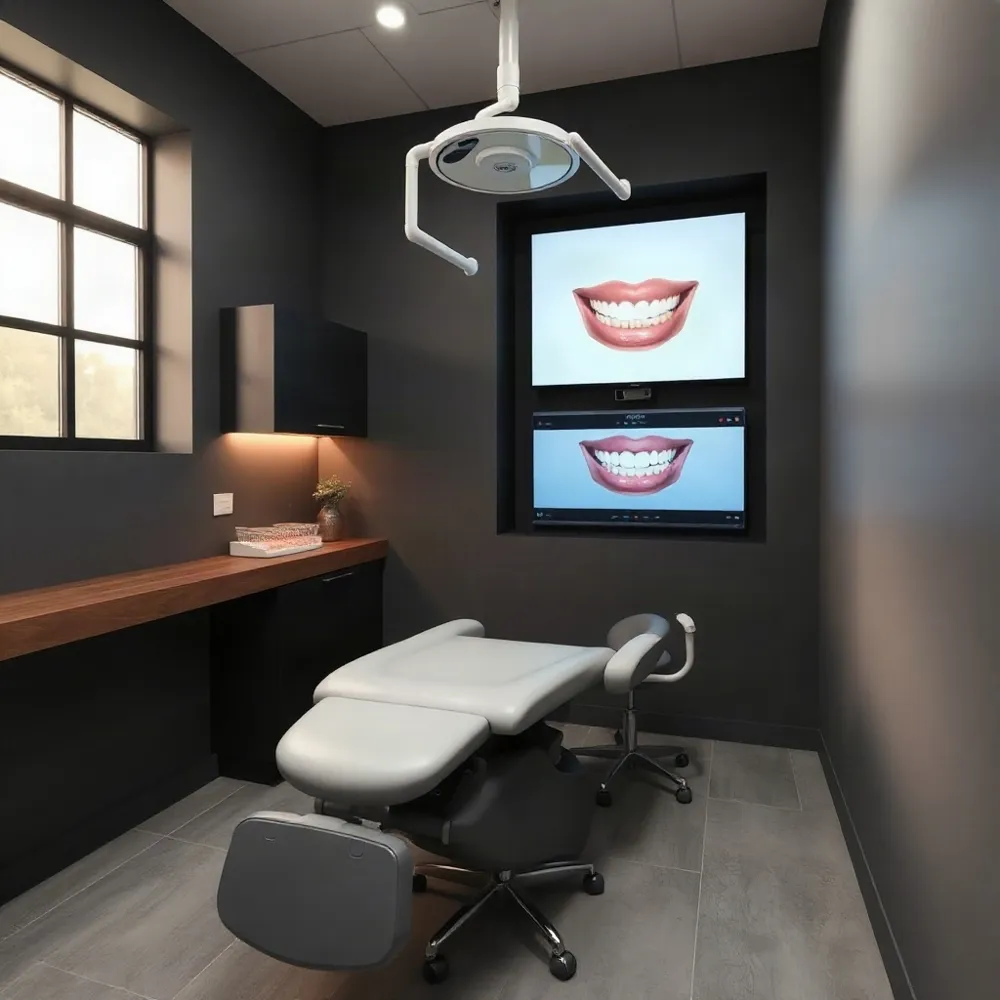
For Los Angeles patients, the goal is often a smile that looks more balanced while still feeling like their own. Smile Perfector Dental Group combines digital imaging with an artist-focused approach to plan tooth shape, color, and proportion around each patient’s features and preferences.
What are porcelain veneers, and what concerns can they address?
Veneers change how teeth appear; they do not move teeth or correct every alignment or bite concern. They may make minor irregularities look more uniform, but significant crowding or bite issues can call for another treatment. A dental assessment also helps confirm that the teeth and gums are healthy enough for cosmetic care.
What is the 4-8-10 rule for veneers?
The 4-8-10 rule is an informal planning guide, not a universal dental standard. Four veneers typically cover the front incisors, while eight or ten extend farther across the upper smile. The right number depends on which teeth show when you smile, how their color and shape work together, your bite, and your goals.
A personalized smile plan considers the whole visible smile rather than choosing a number by rule. At Smile Perfector Dental Group, digital planning supports this individualized process, helping the team discuss how a proposed change may look alongside your natural features. Veneers may help some people feel more comfortable smiling, but appearance and personal feelings after treatment vary, and no particular result or emotional response is guaranteed.
Choosing the Right Smile Plan
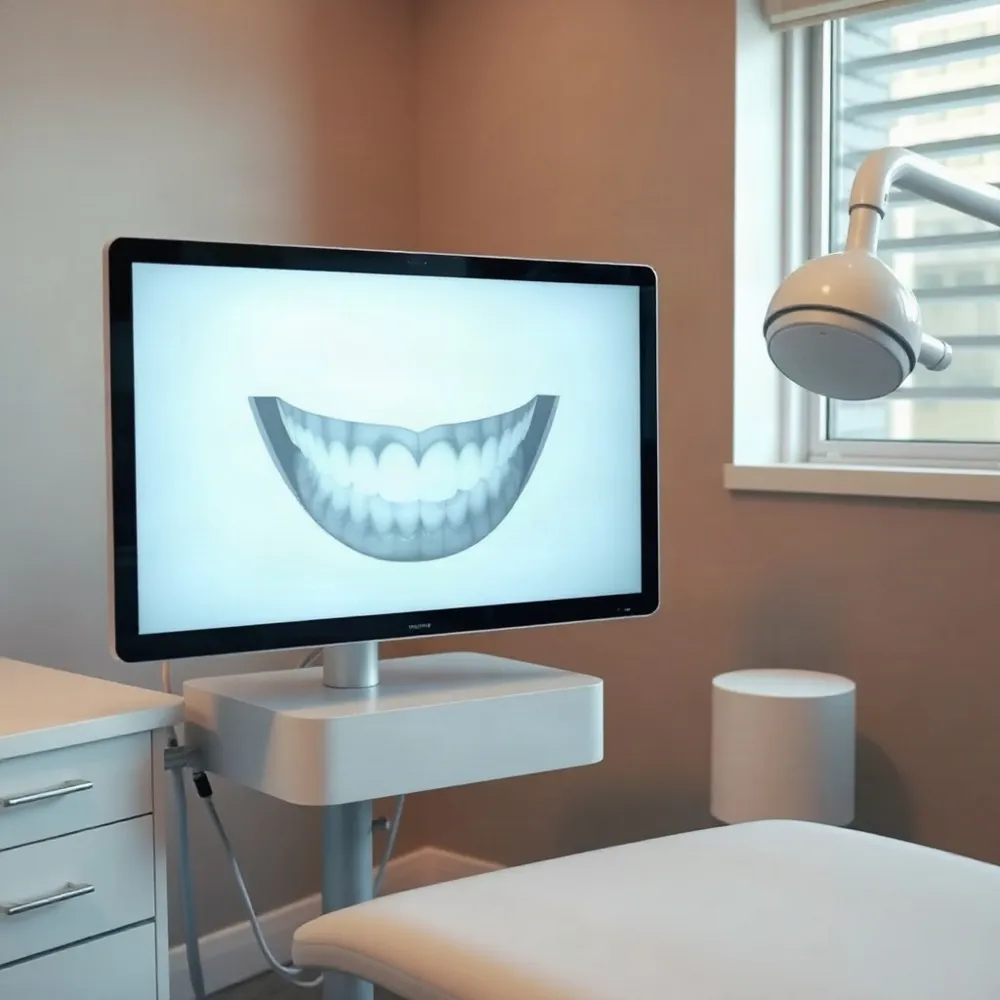
Who may be a good candidate for veneers, and when might another treatment be a better choice?
Veneers may suit Los Angeles residents who want to change the color, shape, or size of otherwise healthy front teeth, or soften the appearance of small gaps and mild unevenness. Healthy teeth and gums, good daily oral care, and enough enamel for bonding all matter. Cavities and gum disease should be treated first, and grinding or clenching is worth discussing because it can put extra force on veneers. A dentist can assess these factors before recommending treatment.
The best option depends on what you want to change and what your teeth need. Clear aligners may be a better choice when tooth position is the main concern. Bonding can address some small chips or gaps, while crowns or other restorative care may be more appropriate when a tooth needs greater repair or coverage. Veneers are cosmetic restorations, not a substitute for every kind of dental treatment. Cleveland Clinic’s guide to dental veneers explains their uses and limitations.
What is a smile makeover, and how is it planned?
A smile makeover may combine cosmetic and restorative care to improve appearance while supporting oral health. Planning starts with a conversation about your goals and an examination of your teeth and gums. Photographs or digital images can help inform the discussion. Recommendations might include whitening, veneers, clear aligners, or crowns, arranged in a sequence suited to your needs.
At Smile Perfector Dental Group, a fully digital workflow and state-of-the-art imaging support planning, while an artist-focused approach considers proportion and color. Personalized consultations give you space to discuss preferences and understand the proposed plan, including its timing and costs, before deciding how to proceed.
The Process and Its Long-Term Commitment
If you're a Los Angeles resident considering porcelain veneers, the process typically involves two or three visits over a few weeks, though the schedule varies with your treatment plan and laboratory timing. At Smile Perfector Dental Group, a personalized consultation and digital planning help connect your aesthetic goals with the health and shape of your teeth.
The process typically begins with a discussion of what you would like to change and an examination of your teeth and gums. If veneers appear suitable, your dentist prepares your teeth, takes digital scans or impressions, and sends the details to a dental laboratory. You may receive temporary veneers while the custom restorations are made.
At a later visit, your dentist checks the veneers’ fit and shade, makes any needed adjustments, and bonds them in place. This general sequence is described by the Cleveland Clinic’s guide to dental veneers, though the details can differ from patient to patient.
Are veneers permanent, and can teeth return to normal after removal?
Your dentist will explain how much enamel preparation is needed for your specific case. While enamel does not grow back, the veneers are designed to be long-lasting, and your dentist can discuss options for maintenance or future replacement if needed. The goal is to create a smile you'll love for years to come.
Some minimal-prep or no-prep approaches may preserve more tooth structure, but suitability and reversibility depend on your individual treatment. Before deciding, ask your dentist how much enamel preparation is planned and what options would be available if you later wanted the veneers removed.
Your dentist will also discuss how to care for your veneers to keep your smile healthy and beautiful. With proper oral hygiene, including regular brushing, flossing, and dental visits, you can minimize any risks and enjoy your veneers for a long time. Your dentist will explain what to expect and how to address any concerns that may arise.
Smile Perfector Dental Group’s digital workflow and personalized smile planning can help you discuss design and treatment choices before moving forward. A consultation should also cover your oral health and habits, the expected maintenance, and the long-term implications of preparation, so your decision reflects both the smile you want and the commitment involved.
Materials, Fees, and Coverage
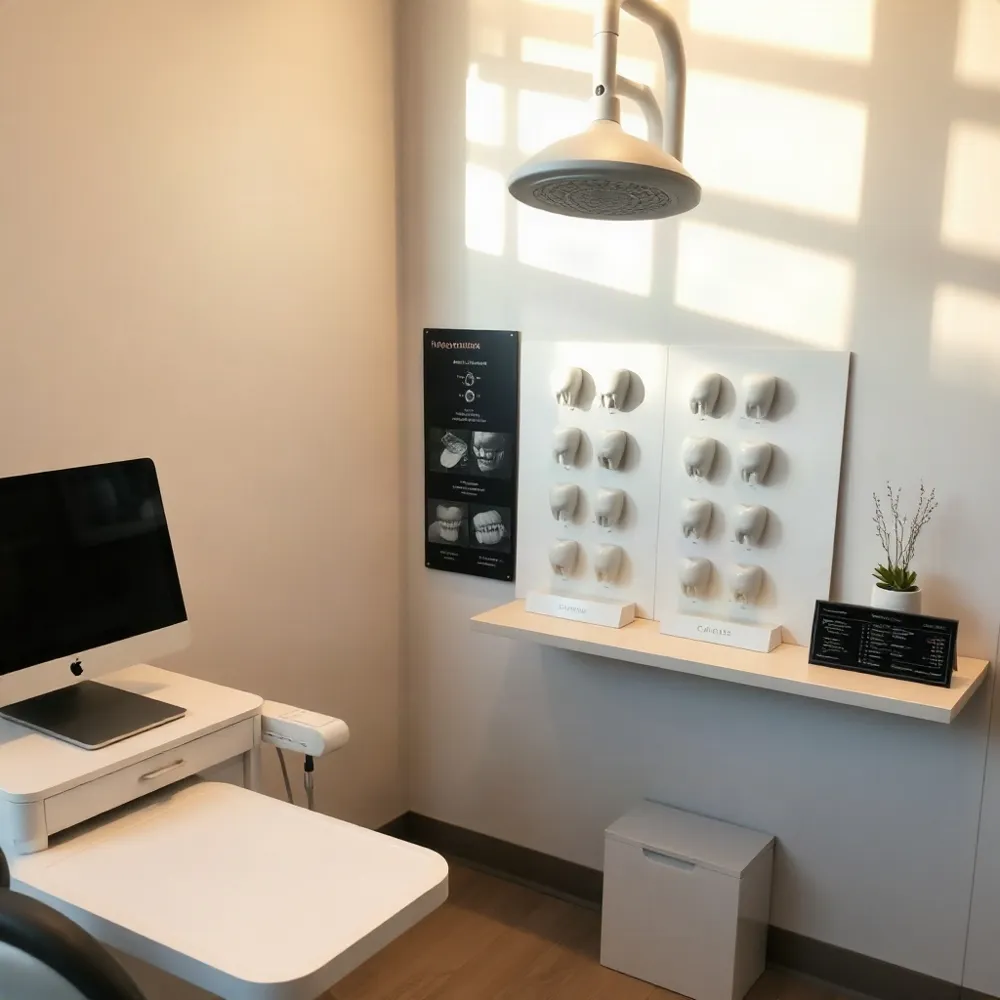
How do porcelain and composite veneers compare?
Porcelain veneers are custom-made in a dental lab, while composite veneers are shaped from tooth-colored resin, often during a single visit. Both can improve the appearance of chips, gaps, stains, and uneven teeth, helping you feel more confident in your smile, but the materials differ in look, upkeep, and cost.
Porcelain tends to reflect light more like natural enamel and resist stains better. It often lasts longer, with an estimated lifespan of about 10 to 15 years with proper care, although individual results vary. Composite generally costs less upfront and can be easier to repair, but may need repair or replacement sooner. A Cleveland Clinic guide to dental veneers explains the differences between porcelain and composite options.
Here in Los Angeles, where your smile is a key part of your personal and professional presence, Smile Perfector Dental Group uses digital imaging and an artist-focused approach to smile design to help inform a personalized discussion of material, shade, and shape. The right option depends on your goals, budget, and oral health, so a consultation can help you weigh the trade-offs.
How much do veneers cost, and what affects the total price?
There is no single fee for veneers. Costs depend on the number of teeth treated, the material, preparation needs, case complexity, and the provider’s expertise. Porcelain may cost more than composite because it is custom-made and requires laboratory work.
At our Los Angeles practice, your investment reflects the precision of our digital technology, the expertise of our team, and the personalized care you receive. We invite you to ask for a detailed estimate tailored to your treatment plan, so you know exactly what to expect—including follow-up visits and future maintenance.
Can veneers be considered medically necessary?
Veneers are most often considered a cosmetic choice, designed to enhance the natural beauty of your smile. While your dentist may recommend them for functional reasons, this doesn't always mean insurance will cover them. Coverage depends on your diagnosis, treatment plan, and insurer’s rules. Ask your dentist to explain the treatment reasons and provide supporting documentation, then confirm your coverage with your insurer so you can move forward with confidence.
Protecting Your Veneers Over Time
 Your porcelain veneers are an investment in your confident smile. With proper care, they often last about 10 to 15 years, and some last even longer. This is an estimate, not an automatic expiration date: your bite, oral hygiene, grinding habits, the material, placement, and ongoing maintenance all affect how long they serve you. The Cleveland Clinic’s guidance on dental veneers also emphasizes regular care and dental exams.
Brush and floss regularly, attend professional dental visits, and avoid using your teeth to open packages or bite hard objects. If you grind or clench, ask your dentist whether a custom nightguard could help protect your veneers.
With age, your veneers may develop wear or small chips, loosen, or show a more noticeable edge as your gums change. The natural teeth beneath them can also develop decay or other concerns, so your care needs to include your whole mouth. At Smile Perfector Dental Group, we offer preventive and restorative services alongside cosmetic care, giving you one practice for monitoring your veneers and underlying oral health.
Your dental examination can determine whether a change calls for monitoring, repair, or replacement. Your veneers may still look and function well after about a decade; age alone does not decide whether treatment is needed.
Start With a Personalized Consultation
Before choosing veneers, talk with a dentist about the changes you hope to see, your oral health, and whether another treatment may better fit your needs. Ask what tooth preparation involves, how fees are determined, and what care will help protect your smile over time. Cleveland Clinic’s guide to dental veneers explains why suitability and long-term care are part of the decision.
For Los Angeles residents, Smile Perfector Dental Group describes its consultations as collaborative and personalized, considering both aesthetic goals and long-term oral health. A thoughtful conversation can help you understand your options and decide on a plan that feels right for you, without assuming veneers are the answer.