Start With Prompt Dental Advice
If you have chipped, cracked, or broken a tooth in Los Angeles, contact a dentist promptly, even if the damage seems small or you feel no pain. Some cracks cause few or no symptoms, and a tooth that looks mostly intact may still need attention. A cracked tooth cannot heal on its own.
It can be hard to judge a fracture’s depth at home. A dental examination helps determine what is affected and which next steps are appropriate. Smile Perfector Dental Group offers emergency services and comprehensive care, including crowns and root canals, so patients can discuss both immediate concerns and possible treatment with a dental team.
This guide explains what to do right away, how to protect the tooth while you wait, when to seek urgent help, and what treatment may involve. Prompt assessment gives you a clearer plan and helps avoid relying on guesswork or home repairs.
Take These First Steps
Call your dentist promptly and explain how the tooth was damaged, what you can see, and whether you have pain, sensitivity, bleeding, or swelling. The details help the office advise how soon you should be seen. In Los Angeles, contact your regular practice first; many dental offices can guide patients with urgent concerns. The American Dental Association’s advice for dental emergencies also recommends calling a dentist as soon as possible.
Until you receive guidance, avoid chewing on the injured side and do not keep biting down to test the tooth. Repeated pressure can aggravate a damaged area. If a fragment has broken off, place it in a small container covered with milk or saliva and bring it to your appointment. A dentist may be able to reattach it.
A sharp edge can cut your tongue or cheek. Cover it temporarily with dental wax, taking care not to press or adjust the tooth. If the tooth has been knocked out or shifted from its normal position, or you have severe or worsening pain, swelling, or bleeding, seek urgent dental care. Cleveland Clinic guidance recommends contacting a dentist for instructions and prompt assessment.
These steps can protect the area while you arrange care, but they cannot repair a fracture or show how far it extends. Smile Perfector Dental Group’s digital imaging and comprehensive services, including crowns, root canals, and emergency care, support an individualized assessment and treatment plan.
Know When Care Is Urgent
 Know When Care Is Urgent
If you're a Los Angeles resident with a cracked or broken tooth, it may need prompt attention even if it doesn't hurt. Some cracks cause few or no symptoms, so the absence of pain doesn't rule out damage. We recommend contacting your dentist to describe what happened and ask how soon you should be seen. Our team can assess the injury and recommend the best course of care. Cleveland Clinic guidance on cracked teeth notes that cracks cannot heal on their own and may worsen.
Call us promptly if you have pain when biting, sensitivity to hot or cold, swelling, bleeding, or a tooth that feels loose. A small, painless chip may be less urgent than a severe break, but it still needs a dental examination because the visible damage may not show how deep the crack extends. Until you receive advice, avoid chewing on that side and rinse gently with warm water.
For dental pain or a suspected infection, contact a dental office first. At Smile Perfector Dental Group in Los Angeles, we provide comprehensive care, including emergency services. You can seek an assessment from our practice, which also offers treatments like crowns and root canals when needed. Many dental offices can arrange urgent appointments or provide after-hours instructions. Emergency rooms generally do not perform dental repairs, such as fillings or crowns, so follow up with a dentist even if you receive medical care for symptoms. Cleveland Clinic’s emergency dental guidance explains this distinction.
Seek emergency medical care for serious injuries, including broken facial bones, uncontrolled bleeding, or trouble breathing or swallowing. Rapidly spreading facial or jaw swelling also requires urgent medical attention. An emergency room can assess serious medical symptoms, but it generally cannot repair the tooth; arrange dental treatment as soon as possible.
Protect the Tooth While Waiting
 Until a dentist can assess the damage, limit pressure on the tooth and keep the area as comfortable as possible. A gentle warm-water rinse can clear away debris, but avoid vigorous swishing if the tooth is sensitive or a fragment feels loose.
If you need to eat, choose soft foods and chew on the opposite side. Avoid very hot or cold foods and drinks if they trigger sensitivity. For a sharp edge rubbing against your tongue or cheek, dental wax can act as a temporary cover, but it does not repair the tooth. WebMD's guidance for a broken tooth also recommends soft foods and avoiding the damaged tooth while you wait for care.
A cold compress held against the outside of your cheek or lip near the injury may ease discomfort or swelling. Do not put ice directly on the tooth. If the area is bleeding, hold clean gauze gently against it for about 10 minutes. Bleeding that does not stop needs urgent evaluation; severe pain or facial swelling also warrants prompt care, as Cleveland Clinic's dental emergency guidance explains.
Over-the-counter pain medicine may help when taken according to its label and when appropriate for you. Ask a dentist or pharmacist if you are unsure whether a medicine is safe for your situation. Never place a painkiller directly against the tooth or gums, since it can injure the tissue.
Avoid gluing, filing, shaving, or otherwise trying to repair the tooth at home. These steps can damage it further and complicate treatment. At Smile Perfector Dental Group, your comfort and confidence are our priority. We will carefully examine the injury and create a personalized plan to restore your smile and peace of mind.
Treatment Depends on the Damage
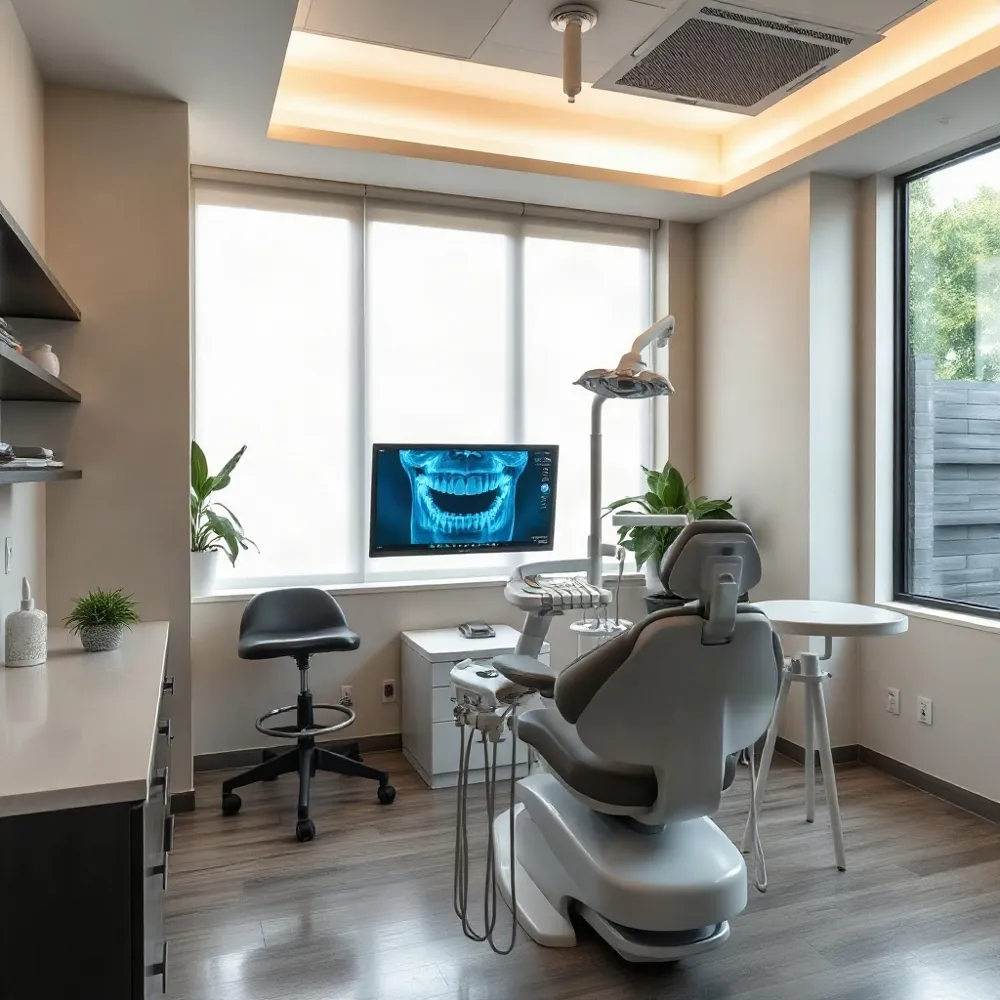
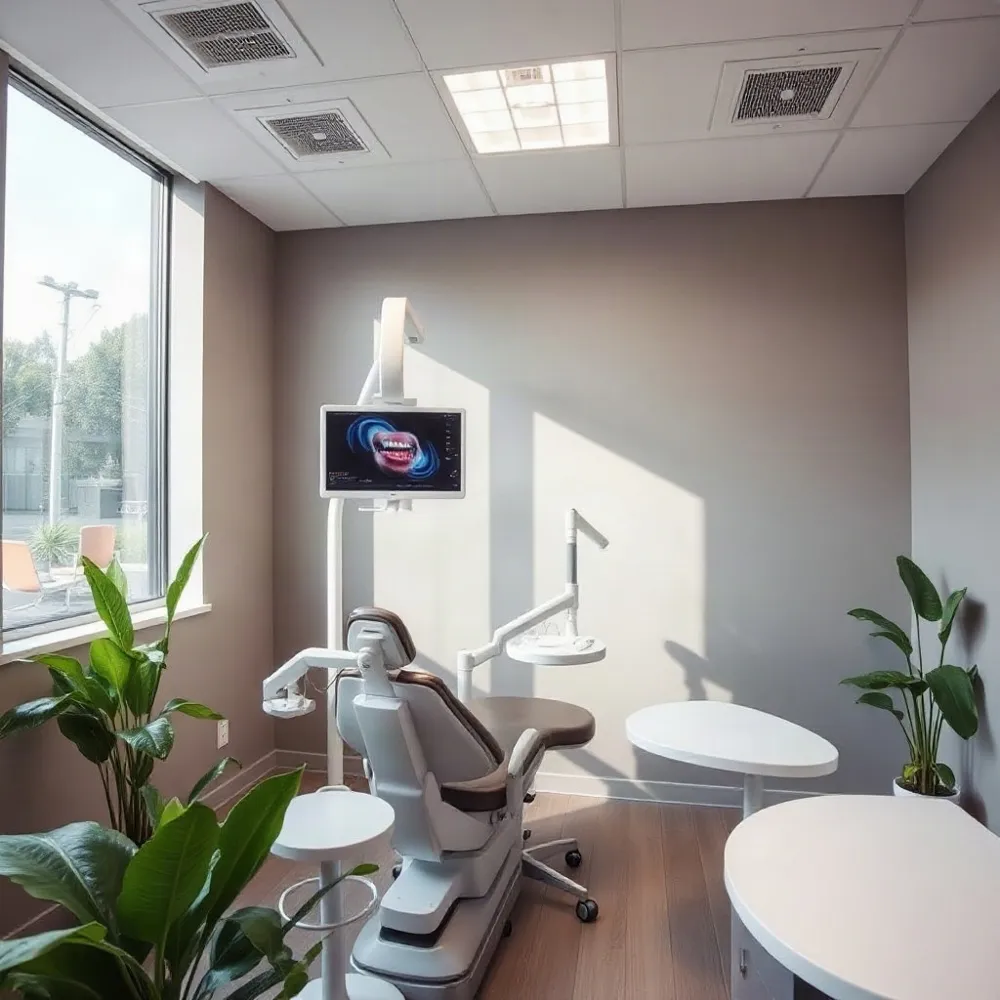 Your dentist will first examine your tooth and nearby gums to see where the break extends and how much healthy tooth remains. This evaluation may include X-rays or other images, such as testing how the tooth responds to biting. At Smile Perfector Dental Group in Los Angeles, we use digital X-rays to get a closer look at the damage before choosing a treatment plan.
The right repair depends on the break’s location, type, and severity. A small chip may only need smoothing, a tooth-colored material, or a filling. More extensive damage may call for a dental crown, which covers and supports the remaining tooth. Your dentist can often assess a broken tooth during an emergency visit and may be able to begin treatment then, although the repair needed will determine the next steps. Cleveland Clinic explains how dentists evaluate and treat cracked teeth.
If the break affects your tooth’s inner tissue, a procedure to address the damaged tissue may be considered. Your tooth may then need a dental crown for protection. This procedure is not automatic: your dentist’s examination determines whether the inner tissue is involved and what repair is appropriate.
When a tooth is too severely damaged to repair, removal may be recommended. Your dentist can discuss whether replacement is suitable and which options fit your tooth, surrounding oral health, and your needs. Smile Perfector Dental Group offers comprehensive care, including treatments for inner tooth issues, dental crowns, and tooth replacements, so you can discuss these related needs within a practice that also provides family and cosmetic dentistry.
A broken tooth does not always mean a procedure on the inner tooth or removal. Prompt assessment helps your dentist identify the damage and explain the available choices, with the goal of preserving your tooth and your confident smile.
When a Break Reaches the Gumline
What should I do if a tooth breaks off at the gumline or a root remains? Contact a dentist promptly, even if pain is slight or absent. A crack can extend below the visible part of the tooth, and only an examination can show how much healthy tooth remains. A cracked tooth cannot heal on its own, so prompt assessment matters.
Until your appointment, rinse gently with warm water and avoid chewing on that side. Leave the remaining tooth or root alone: do not try to pull it out, file it, or repair it yourself. If you find a broken fragment, keep it in a clean container covered with milk or saliva and bring it to the dentist. The NHS guidance on a broken tooth also recommends saving a fragment in milk or saliva, as reattachment may be possible.
Can a badly cracked or broken tooth be saved? Sometimes. The dentist will assess the depth and location of the damage and whether the remaining tooth can be rebuilt and protected, possibly with a crown or root canal treatment followed by a crown. If the break extends into the root or the tooth is split, removal may be recommended; replacement options such as an implant or bridge can then be discussed. Smile Perfector Dental Group provides comprehensive care in Los Angeles, including crowns, root canals, and implants, alongside digital imaging to support an individual assessment.
Facial swelling, fever, severe pain, or bleeding that will not stop calls for urgent attention. Contact a dentist or emergency dental service for guidance, and seek emergency medical care for a serious facial injury or uncontrolled bleeding.
Make the Next Call Count
A suspected break deserves a call before pain becomes severe. A cracked tooth may have few or no symptoms, so how it looks or feels at home cannot show the full extent of the damage. Cleveland Clinic’s guidance on cracked teeth recommends dental assessment because a crack cannot heal on its own.
At Smile Perfector Dental Group in Los Angeles, an individualized examination can help clarify what may protect the tooth and ease discomfort, while considering your smile’s appearance. The practice’s digital imaging and personalized care support a treatment discussion based on your needs. Call your dentist and take the next step with a clearer plan.