Your Smile After Braces
For Los Angeles residents finishing orthodontic treatment, seeing your smile without braces is a welcome milestone. Protecting that result takes continued attention to both oral health and the alignment you worked toward.
Braces coming off does not mean care is over. Teeth and the tissues around them continue to adapt, and teeth can shift over time. A steady hygiene routine and the retainer plan set by your orthodontist help support lasting results. The American Association of Orthodontists’ retainer guidance explains why retainers remain part of care after treatment.
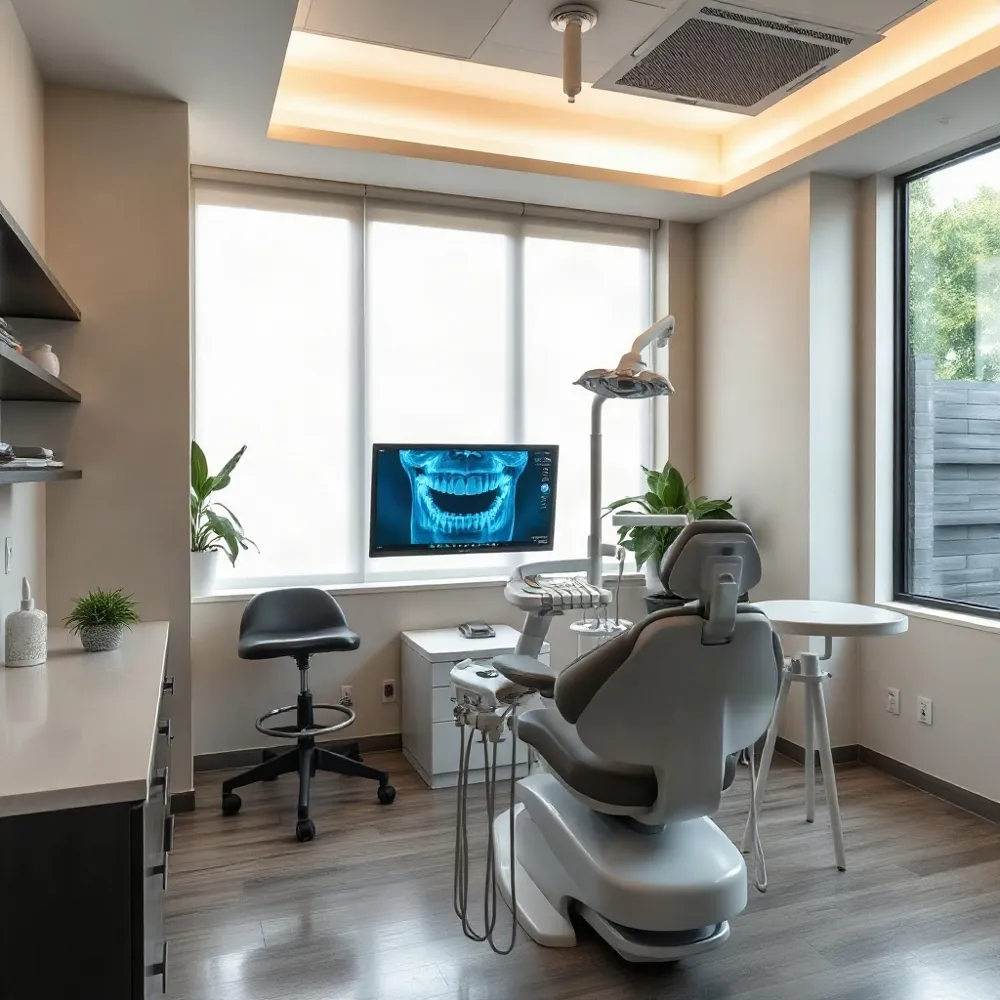
At Smile Perfector Dental Group in Los Angeles, personalized care and digital imaging support a thoughtful approach to dental health and smile design. Your own dentist and orthodontist can tailor recommendations to your needs, including any concerns about sensitivity, gum health, or retainer fit.
This guide covers daily cleaning, retainer care, routine dental visits, and signs that it may be time to ask a dental or orthodontic professional for help. With consistent habits and the right guidance, you can care for your health while enjoying your new smile.
Build a Lasting Daily Care Routine
 For Los Angeles residents with braces, building a lasting daily care routine is essential for a confident smile. Braces do not cause cavities or white marks on their own, but brackets and wires can make plaque and food harder to remove. That's why careful cleaning is key to protecting the bright, confident smile you're working toward. The American Association of Orthodontists' oral-care guidance explains why careful cleaning matters during treatment.
If you still wear braces, brush for two minutes after meals or snacks when possible, and again before bed. Use fluoride toothpaste, and clean around each bracket, along the gumline, and across every tooth surface. Limiting frequent sugary or acidic drinks can also help protect your enamel and keep your smile healthy. If you notice white spots or discoloration, ask your dentist or orthodontist to assess them rather than assuming the cause.
Clean between your teeth at least once a day to keep your smile fresh and free of buildup. Regular floss works well, while floss threaders, small interdental brushes, or a water flosser may help with areas that are harder to reach. Your dental team can show you a suitable technique and help choose tools for your braces and oral health needs.
After braces come off, keep brushing twice a day for two minutes with fluoride toothpaste and flossing daily to preserve the beautiful smile you've achieved. A soft-bristled manual toothbrush or an electric toothbrush is appropriate; replace the brush or electric brush head when it shows wear, or at least every three months. At Smile Perfector Dental Group, the fully digital workflow and personalized approach can support care recommendations tailored to your teeth and smile goals.
If you cannot brush right after eating, rinse thoroughly with plain water as a temporary measure. Water may help clear some residue, but it does not replace brushing and flossing. Ask your dentist or orthodontist for advice on technique, tools, and appliance care that fits your treatment plan.
Choose Gentle Foods During Adjustment
 The first week with braces is a big step toward your new smile! During this adjustment period, choosing foods that need little chewing helps you stay comfortable. Yogurt, oatmeal, scrambled eggs, applesauce, smoothies, soup, pasta, mashed potatoes, soft-cooked vegetables, soft fish, bananas, pudding, and hummus are all gentle options that keep your journey on track.
Your mouth may be sensitive to extreme temperatures, so letting hot dishes cool and choosing room-temperature options can help you feel your best. Add other foods gradually as your mouth adjusts, and follow your orthodontist's personalized advice for your specific needs.
Sticking with gentle foods protects your braces and keeps your smile on track. Nuts, popcorn, chips, caramel, and whole apples can be tricky; cut firm produce into small pieces if your orthodontist says it is suitable.
Food choices matter beyond the adjustment period, too. A balanced diet supports your general oral health and keeps your smile strong. The American Association of Orthodontists recommends limiting sugary and acidic drinks to protect your enamel. Choose water when possible, and keep sticky sweets to a minimum.
For Los Angeles families, practical, gentle meals make the early days with braces more comfortable without giving up variety. Your orthodontist is your partner in this journey. They can guide you on what's best for your specific appliance and comfort.
Know What Happens When Braces Come Off
When braces come off, your dental professional removes the brackets and wires, clears away leftover adhesive, then polishes your teeth. You may feel pressure during the appointment, followed by temporary tenderness or sensitivity as your mouth adjusts.
Your teeth may feel unusually smooth at first. You might also notice white spots or uneven color where brackets were attached. These changes can have different causes, so a dentist can examine them and discuss suitable options without assuming that one treatment fits every smile.
For Los Angeles patients, a personalized assessment can help distinguish surface staining from other changes and guide next steps. At Smile Perfector Dental Group, digital imaging and an artist-focused approach to smile design support careful evaluation of appearance alongside oral health.
Before you leave, make sure you understand how and when to wear and clean your retainer, and when to return for follow-up. Retainers help keep teeth in their corrected positions, but the schedule is individual, so follow your orthodontic provider’s guidance about retainers after braces.
Keep brushing and flossing as usual, and arrange any recommended dental cleaning or checkup. The American Association of Orthodontists advises continuing regular visits with your family dentist during orthodontic care, with timing based on your dentist’s recommendations. Those visits can help keep your teeth and gums healthy as you settle into life without braces.
Treat Retainers as Part of Aftercare
After braces come off, the bone and soft tissues around your teeth continue to adapt. For Los Angeles residents, this is a key time to protect the confident smile you've worked so hard to achieve. Teeth can shift during this period, so retainers help hold them in their corrected positions and preserve your results. The American Association of Orthodontists’ retainer guidance explains that retention also supports the bone as it adjusts.
The right retainer depends on your teeth, bite, treatment history, and daily routine. Your orthodontist at Smile Perfector Dental Group can talk through the options and recommend a plan that suits your needs. Some people may be advised to use more than one type.
What types of retainers are available after braces, and how do I choose one?
A fixed retainer is a thin wire bonded behind the teeth. It stays in place, but you will need to clean carefully around the wire and between teeth. Floss or interdental brushes can help, and your dental team can show you a technique that works for you.
Removable options include clear plastic trays and traditional wire-and-acrylic retainers. You can take them out for meals and cleaning, but they only work as intended when worn according to your orthodontist’s instructions. Store your retainer in its protective case when it is out of your mouth to reduce the chance of loss or damage.
There is no single option that suits everyone. At Smile Perfector Dental Group, our personalized care and modern digital planning support attentive dental care; your orthodontist can help weigh retainer fit, cleaning needs, and what is practical in your everyday life. We're here to help you maintain the confident smile you deserve.
Follow Your Retainer Wear Schedule
How long do I need to wear a retainer after braces to keep my smile looking its best? Your orthodontist will set a schedule based on your treatment and how your teeth respond. Some plans begin with full-time wear and later move to nighttime use, but that pattern is not right for everyone. Follow the instructions you were given, and check with your provider before reducing wear or stopping.
Retention may be needed long term because teeth and the body continue to change. The American Association of Orthodontists’ retainer guidance explains that wear frequency can change over time, but retainers may still be needed to help keep your smile in place. If you live in Los Angeles and have questions about your overall oral health, a personalized dental visit, such as one at Smile Perfector Dental Group, can help you discuss your care with a team that offers advanced imaging and comprehensive dental services. Your orthodontist should still direct your retainer schedule.
For a removable retainer, clean it gently each day with a soft-bristled toothbrush and water. Use a cleaning solution only if your provider recommends it. Avoid hot water, alcohol, bleach, or other products that could damage the appliance, and keep it in its case when you are not wearing it.
With a fixed retainer, brush around the wire and clean between teeth with floss or another tool your dentist recommends for cleaning between teeth. Ask your dental or orthodontic professional to demonstrate a technique that works for you. Contact an orthodontic professional if your retainer is damaged, uncomfortable, does not fit snugly, or feels painfully tight. Do not force it into place.
Respond Early to Changes in Tooth Position
Even years after braces, teeth can move as your mouth changes over time. Retainers help limit unwanted movement, but they cannot guarantee that alignment will never change. The American Association of Orthodontists’ retainer guidance explains why retainers remain part of care after orthodontic treatment. The good news is that with regular check‑ins, you can keep your smile looking and feeling its best.
You may notice new crowding, spaces between teeth, a bite that feels different, or a retainer that no longer seats fully or feels uncomfortable. These changes do not always mean major movement, but a dental or orthodontic professional can check what is happening and advise you, giving you confidence that your smile is on the right track.
If you stopped wearing your retainer, contact your orthodontist or dentist before trying to resume. Do not force an appliance that hurts, will not fit completely, or needs pressure to stay in place. A professional can assess its fit and discuss whether a replacement retainer or other orthodontic care may be appropriate.
For Los Angeles residents, Smile Perfector Dental Group’s advanced imaging and personalized approach can support a careful evaluation of your teeth and oral health. Your dentist or orthodontist can recommend next steps based on your individual alignment and treatment history, helping you feel confident in your smile for years to come.
Keep Fixed Retainers Clean and Monitored
 Keep Fixed Retainers Clean and Monitored
Your fixed retainer helps keep your smile straight, but the wire and bonding points can trap food and plaque if you don't clean them carefully. That doesn't mean you'll automatically have oral health problems—with the right routine, you can keep your teeth and gums healthy and your smile confident.
Can a fixed retainer cause oral health problems? If buildup is left around the wire, it may lead to gum irritation or tooth decay. That's why we recommend brushing gently along your teeth and gumline, then cleaning under the wire each day with a floss threader or a small brush made for between teeth. A water flosser can also help flush away debris, but check with your dental professional to see if it's right for you.
The American Association of Orthodontists suggests cleaning around fixed retainers with floss or another tool designed for cleaning between teeth and getting professional advice on technique. Regular dental cleanings also let your care team check the wire and the health of your teeth and gums.
If the wire feels loose or damaged, cleaning becomes difficult, or you notice soreness or gum changes, contact your dentist or orthodontist—don't try to adjust the retainer yourself. At Smile Perfector Dental Group in Los Angeles, we use advanced technology and personalized care to give your teeth and gums the attention they deserve during every visit.
Make Routine Dental Visits a Priority
Even after your braces come off, routine dental care is key to keeping your smile healthy and confident. Your orthodontist will guide you on retainer use and tooth position changes, while your general dentist will check your teeth and gums and provide a professional cleaning. The American Association of Orthodontists recommends continuing checkups and cleanings every six months, or more often if your dentist advises it (AAO guidance on care during orthodontic treatment).
After your braces are removed, ask your dental team when to schedule your next visit. A checkup can help assess any plaque or buildup around brackets, gum health, and any visible spots or color changes. The right timing depends on your needs, so follow your dentist’s recommendation for a plan that works for you.
For Los Angeles patients, coordinated, personalized care makes it easier to stay on track with preventive visits. At Smile Perfector Dental Group, we use digital imaging and offer a full range of dental services to support your assessment and care all in one practice, so you can feel confident in your smile every step of the way.
Is it normal for braces treatment to last four years?
Treatment length varies from person to person, and there is no single timeline that is normal for everyone. If your treatment has lasted four years, ask your orthodontist what factors affect your timeline and whether your progress or plan should be reviewed. A clear, case-specific explanation can help you understand what comes next and keep you confident in your journey.
Protect the Smile You Worked For
The care you give your teeth after braces helps support both oral health and the alignment you worked toward. Keep brushing and flossing consistently, wear your retainer as prescribed, and continue regular dental and orthodontic follow-up. The American Association of Orthodontists’ retainer guidance notes that wear schedules vary, so follow the instructions from your orthodontic provider.
Reach out to a dental or orthodontic professional if your retainer’s fit changes, teeth appear to move, or you notice spots, ongoing discomfort, or gum concerns. Early advice can help clarify what needs attention and which care steps suit your situation.
For Los Angeles residents, ongoing care can be personalized to your smile, dental history, and daily routine. At Smile Perfector Dental Group, the team’s digital imaging and individualized approach to care can support conversations about your oral health needs. With professional guidance and steady habits, you can care for your smile with confidence.