When Jaw Pain Persists
Jaw discomfort can make meals, conversations, and even a relaxed smile feel harder than they should. For Los Angeles residents balancing work, family, and busy routines, persistent pain or restricted movement can affect everyday confidence as well as comfort.
Jaw symptoms can have several causes, and clicking alone does not confirm a disorder. A dentist or healthcare professional can review your symptoms, check how your jaw moves, and decide whether further assessment is needed. The National Institute of Dental and Craniofacial Research’s TMD guidance notes that other sources of facial or jaw pain may need to be ruled out.
Many people start with conservative steps, such as soft foods, gentle jaw care, and reducing clenching. Some symptoms improve without treatment, while persistent discomfort may call for a plan tailored to its cause. At Smile Perfector Dental Group, personalized care and digital imaging support careful evaluation as part of the practice’s wider dental services.
Understanding TMJ and TMD
Understanding TMJ and TMD
You may have heard the terms TMJ and TMD, but what do they really mean? The joints that connect your lower jaw to your skull—located just in front of your ears—are called your jaw joints. They help you chew, speak, and move your jaw. TMD, or temporomandibular disorder, refers to conditions that affect these joints, the muscles that move your jaw, or both. In short, TMJ refers to the joints themselves, while TMD describes disorders involving them.
TMD isn’t a single condition. It can include various issues related to your jaw joints, muscles, and even headaches. You might notice symptoms like jaw or facial pain, stiffness, clicking or popping sounds, headaches, or difficulty opening your mouth. However, these signs alone don’t necessarily mean you have TMD.
If you’re experiencing jaw discomfort, a personalized dental evaluation can help determine whether it’s related to TMD or something else. At Smile Perfector Dental Group, we use digital imaging and individualized care to thoroughly assess your oral health. If your symptoms persist or interfere with eating or daily activities, we encourage you to discuss them with a dental professional. Understanding your jaw health is the first step toward feeling confident and comfortable with your smile.
Recognizing Jaw Symptoms
TMD symptoms vary, and discomfort may involve more than the jaw joint. You might notice tenderness in your jaw or face, pain around the ears, stiffness, or difficulty opening or closing your mouth. Some people feel their jaw lock or experience pain while chewing.
Headaches, tooth discomfort, ringing in the ears, and pain in the neck or shoulders can also occur. These signs do not confirm TMD on their own, since other conditions can cause similar discomfort. At Smile Perfector Dental Group, a personalized dental evaluation can help Los Angeles patients discuss their symptoms and determine appropriate next steps.
Clicking or popping sounds without pain or restricted movement are common and do not necessarily need treatment. The National Institute of Dental and Craniofacial Research’s guidance on TMD explains that painless jaw sounds alone do not establish a TMD diagnosis.
Pay attention if a sound occurs alongside soreness, locking, limited movement, or trouble chewing, or if symptoms persist and interfere with daily activities. A dental professional can assess your jaw and help you decide whether further care is appropriate.
Why Jaw Discomfort Develops
You may wonder why jaw discomfort develops. There is not always one clear explanation. Jaw discomfort can result from several factors working together, and identifying which ones matter can take time. The National Institute of Dental and Craniofacial Research’s guidance on jaw discomfort notes that injury can contribute, while the causes of many cases remain uncertain.
Possible contributors include arthritis, clenching or grinding your teeth, frequent gum chewing, and nail biting. Stress and anxiety may add to muscle tension, while poor sleep and other pain-related health conditions can also affect symptoms. These factors do not mean you have a jaw joint disorder, but they can help guide a conversation about what may be aggravating your discomfort.
A bad bite should not be assumed to cause jaw discomfort. Research does not support that belief, so treatments that permanently change teeth or the bite should not be presented as a standard solution. A personalized dental assessment can help separate possible jaw-related causes from other sources of facial pain, giving you confidence that your care is based on a thorough understanding of your unique situation. At Smile Perfector Dental Group in Los Angeles, care is shaped around you, with digital imaging available as part of its broader dental workflow.
Because possible contributors can overlap, an evaluation may consider your symptoms, habits, health history, and jaw movement rather than focus on one factor alone. Sharing changes in stress or sleep, along with when discomfort occurs, can help your dental professional discuss appropriate next steps.
What a Jaw Evaluation Involves
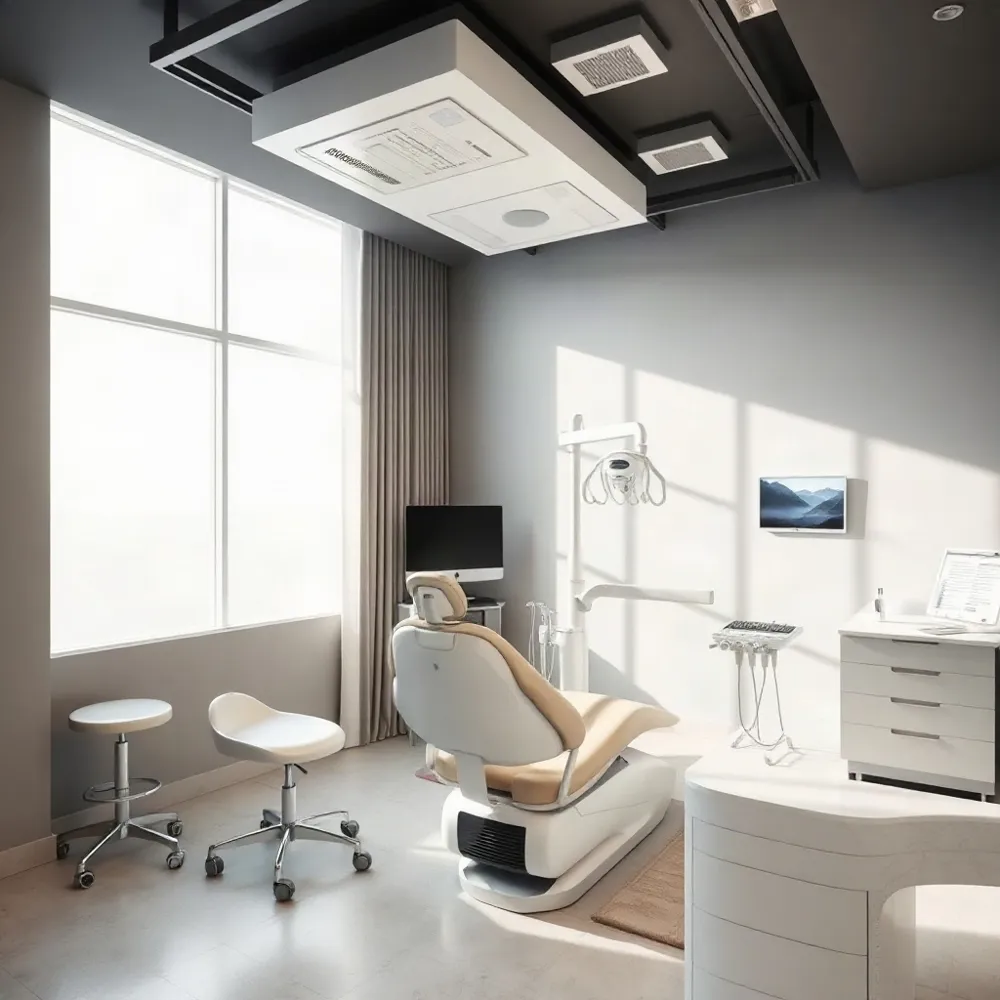 For Los Angeles residents seeking clarity about jaw discomfort, a jaw evaluation begins with a conversation about what you are experiencing. Your dentist may ask when the discomfort began, where you feel it, whether it comes and goes, and what seems to trigger or ease it. Be sure to mention headaches, clicking, locking, trouble chewing or opening your mouth, recent stress, and any medicines or supplements you take.
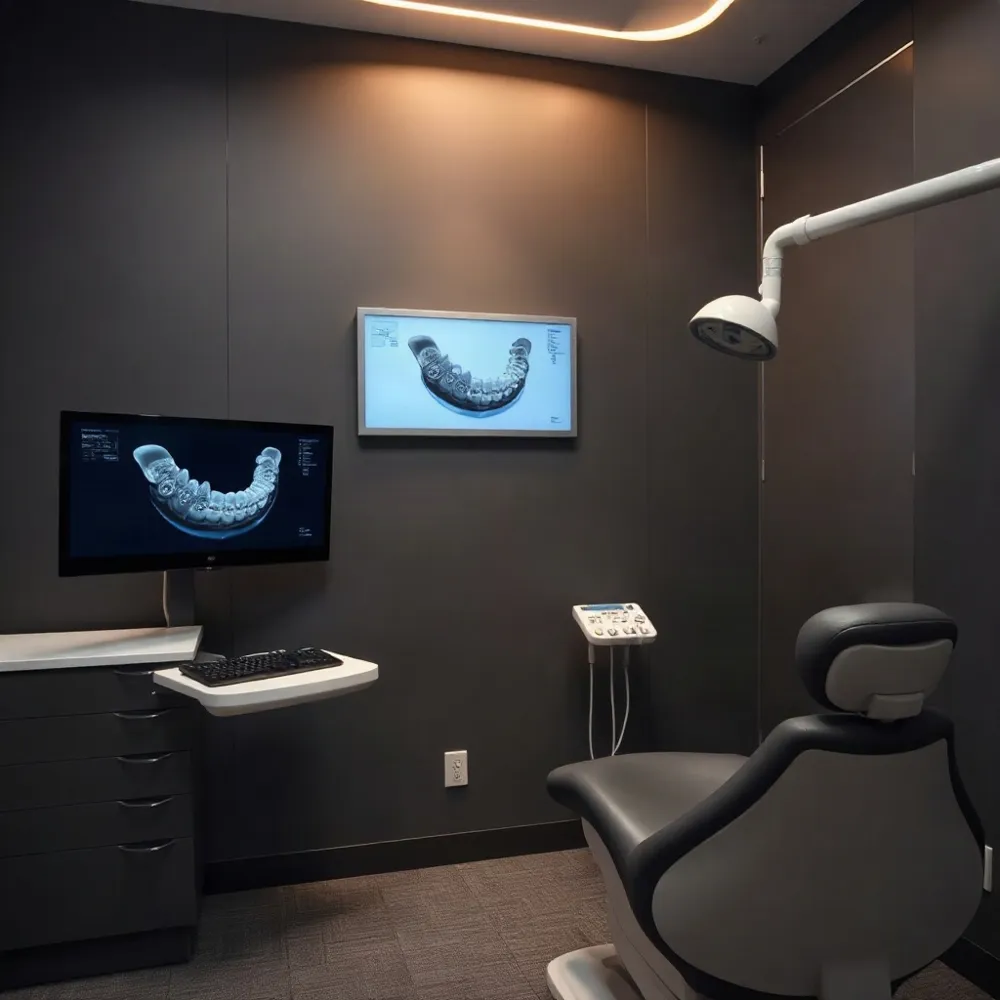
During the exam, the clinician will watch how your jaw moves, listen to or feel the joints as you open and close your mouth, and gently press around the joints and chewing muscles to check for tenderness. This careful process helps identify the source of your discomfort and builds a foundation for a treatment plan you can feel confident about. A dental examination can also look for tooth problems and signs of clenching or grinding that may contribute to discomfort. At Smile Perfector Dental Group, advanced digital imaging tools support a personalized approach to your care, though imaging is not needed for every jaw concern.
If the findings leave questions, a clinician may recommend dental X-rays, a CT scan (a detailed X-ray of the joint bones), or an MRI (to examine the disk and surrounding soft tissues). The choice depends on your symptoms and the examination, and many evaluations do not require imaging. Mayo Clinic’s overview of TMJ diagnosis explains how these tests may be used.
Jaw or facial pain can have causes beyond temporomandibular disorder (TMD), including dental conditions, so symptoms alone do not establish a diagnosis. The National Institute of Dental and Craniofacial Research’s TMD guidance notes that clinicians may need to rule out other sources of pain. The assessment helps guide next steps suited to your findings, rather than assuming one treatment fits everyone.
Starting With Conservative Relief
If you're in Los Angeles and dealing with jaw pain, you're not alone. The right approach depends on your symptoms and how they affect your daily life. Some discomfort eases on its own, so care often starts with simple steps rather than invasive procedures. A clinician can help you find what works best for your situation.
Resting your jaw may mean choosing soft foods, cutting meals into smaller pieces, and avoiding gum or chewy foods for a while. Try to notice and ease clenching, too. These steps can reduce strain, but persistent pain deserves an individual assessment. The National Institute of Dental and Craniofacial Research’s jaw pain guidance recommends starting with conservative care and cautions against treatments that permanently change the teeth or bite.
Gentle stretching or strengthening exercises may help some people; a dentist or physical therapist can demonstrate movements suited to your jaw. At Smile Perfector Dental Group in Los Angeles, our digital imaging and personalized approach can support a broader dental evaluation, while any jaw-specific treatment should be guided by clinical findings. We are here to help you understand your options and find a path to relief.
If symptoms continue, a clinician may discuss physical therapy, medication, or other professional options based on the assessment. No single approach is right for everyone, and medication choices should be reviewed with a healthcare professional. Mayo Clinic’s treatment guidance describes care that may combine several approaches when symptoms persist. With the right care, you can find relief and get back to your daily routine.
When a Mouth Guard May Help
If you're dealing with jaw clenching or temporomandibular disorder (TMD) pain, a custom night guard might be a helpful option. It can be especially beneficial when clenching or grinding puts strain on your teeth and jaw. A dental professional can evaluate your symptoms and recommend whether a mouth guard is right for you. While it's not a guaranteed cure for all jaw pain, many people find relief with this approach.
A mouth guard fits over your teeth and can help protect them from grinding. It's important to know that it's not meant to permanently change your bite. While research on how well these devices relieve TMD pain is still evolving, many people do experience benefits. Talk to your dentist about the purpose and fit before using one. The National Institute of Dental and Craniofacial Research recommends stopping use if it causes pain and consulting your clinician.
For Los Angeles residents seeking care, Smile Perfector Dental Group offers a personalized approach and advanced technology to help you explore your options. While we recommend asking directly about specific services, their team can guide you in deciding if a custom mouth guard is right for you. If jaw pain persists or you have difficulty opening your mouth, seek professional guidance. The Mayo Clinic’s TMJ treatment guidance notes that care often combines approaches tailored to your symptoms.
Practical Steps at Home
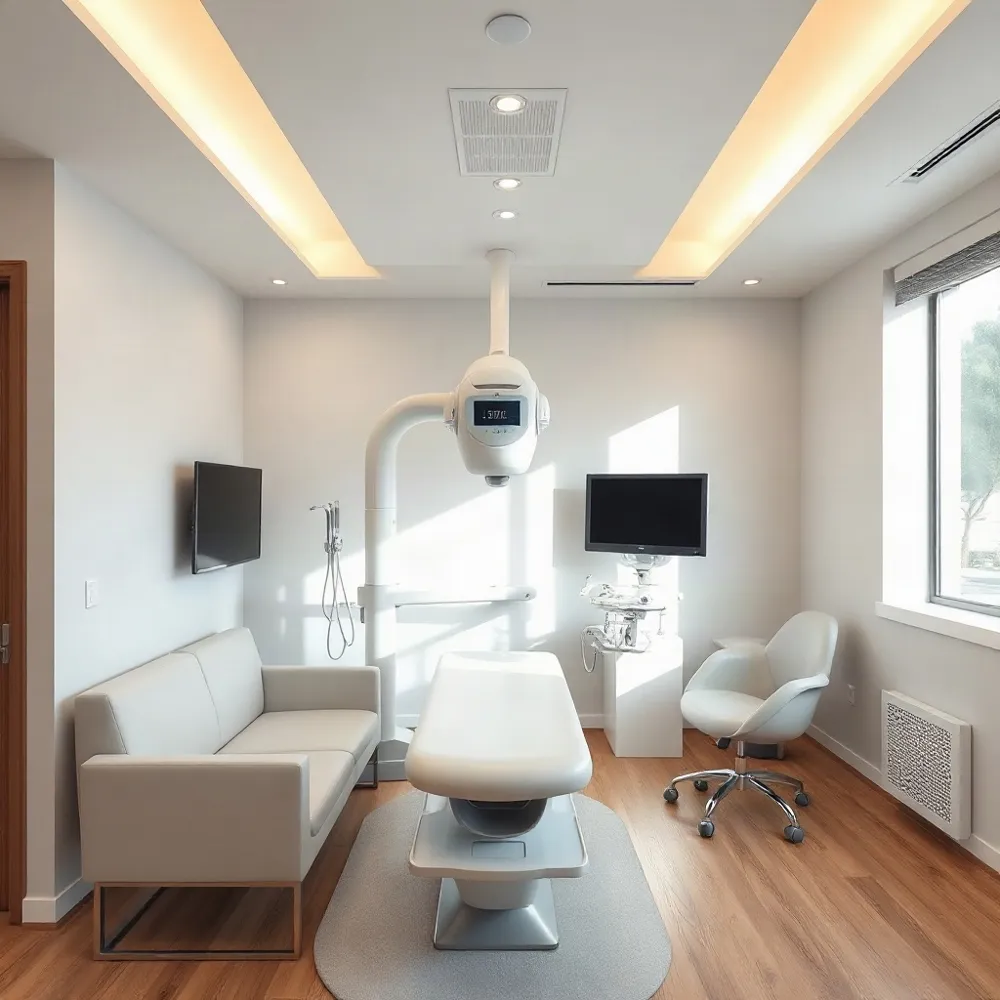 Small changes to eating and jaw habits may ease mild discomfort while reducing strain. Choose soft foods, cut meals into smaller bites, and avoid sticky or chewy foods and gum. Try not to open your mouth too wide when yawning or eating.
For a chronic, dull ache, Mayo Clinic advises applying warm, moist heat. For acute pain, an ice pack may be more suitable. Apply heat or ice for 15 to 20 minutes several times a day, with a layer of cloth between the pack and your skin. These measures may help, but they are not a substitute for an evaluation if symptoms continue. Mayo Clinic’s TMJ self-care guidance describes these approaches alongside other conservative care.
At rest, let your tongue sit gently on the roof of your mouth, keep your teeth apart, and allow your jaw to relax. Notice when you clench, including during focused work or stressful moments, and gently release the tension.
Gentle stretching and massage may also be useful, but avoid movements that increase pain. A physical therapist or other healthcare professional can demonstrate appropriate exercises and show you how to massage the jaw muscles safely. For Los Angeles residents, Smile Perfector Dental Group’s digital imaging and personalized dental care can support a careful conversation about symptoms and next steps; ask the practice whether an evaluation is appropriate for your situation.
Knowing When to Seek Further Care
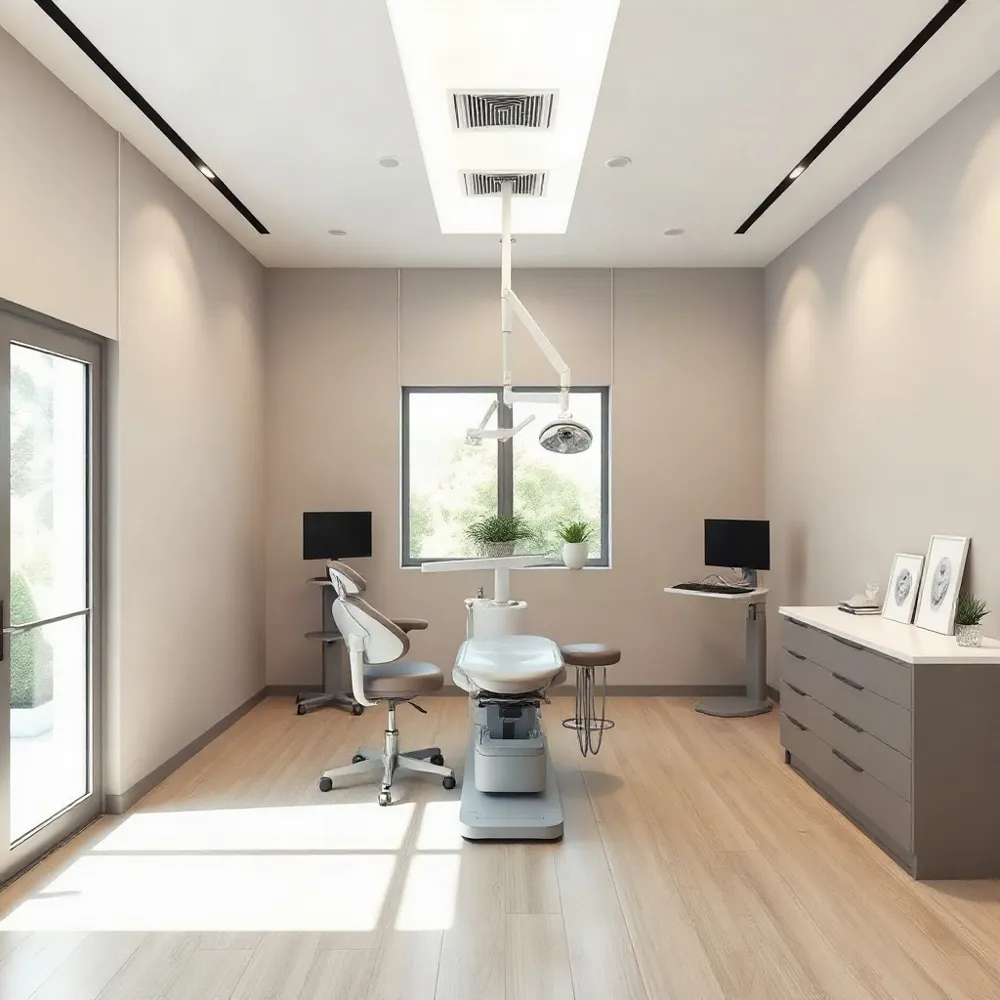 You may notice that jaw discomfort (also known as TMD) comes and goes, lasting for days or weeks, or even longer. While some cases improve on their own, there is no one-size-fits-all timeline. If pain, stiffness, or trouble chewing doesn't improve or keeps coming back, a dental or medical evaluation can help identify possible causes and the best next steps for you. The National Institute of Dental and Craniofacial Research’s TMD guidance recommends starting with simple care and seeking professional advice for persistent concerns.
We recommend arranging an evaluation if your jaw pain persists, worsens, returns, or makes it hard to chew or open and close your mouth. Stiffness or locking, especially when accompanied by facial soreness, headaches, or ear discomfort, is also worth discussing with a healthcare professional. Since these symptoms can have several causes, it's best not to assume they indicate TMD without a professional opinion.
If you experience sudden, constant jaw pain or tenderness, especially after an injury, or if you cannot fully open or close your mouth, seek prompt attention. Mayo Clinic’s guidance on jaw joint (TMJ) symptoms and causes advises medical attention for constant pain or tenderness and difficulty moving the jaw normally.
If simpler approaches don't provide enough relief, your clinician may discuss procedures with you. Before deciding, be sure to ask what benefits you can expect, what the risks are, and whether other options are available. Procedures are not a default next step, and your choice should always be based on a personalized assessment.
For Los Angeles residents, persistent or severe concerns are a clear reason to seek a dental or medical assessment. At Smile Perfector Dental Group, our digital imaging and personalized care approach supports an individualized discussion of your oral health concerns. We can advise whether further evaluation or referral is appropriate, helping you feel confident in your next steps.
A Personal Plan for Relief
Persistent jaw pain deserves attention, but symptoms alone cannot confirm a TMD diagnosis. Jaw discomfort can have different causes, so avoid assuming that a clicking sound or sore joint points to one specific condition.
Before an appointment, note when the discomfort began, what seems to trigger it, and whether you have related headaches, toothaches, or trouble opening your mouth. Bring questions about possible causes, recommended next steps, and the benefits and limits of each option. A dentist or medical professional can consider your individual findings and help you start with an appropriate approach.
For Los Angeles patients, Smile Perfector Dental Group’s digital imaging and personalized approach support careful dental care. A thoughtful evaluation can help clarify where to turn next, so everyday talking, eating, and smiling feel more comfortable.