A Choice Beyond the Smile
Choosing a high-end dentist is about more than an attractive smile or impressive equipment. The right practice should support your oral health, listen to your goals, help you feel comfortable, and explain the costs involved. The American Dental Association recommends considering access, communication, comfort, and the ability to build an ongoing relationship when choosing a dentist through its dental-home guidance.
For Los Angeles residents, that may mean finding one practice for preventive family care as well as cosmetic or restorative treatment. Smile Perfector Dental Group describes its approach as combining comprehensive services with personalized care, digital tools, and an artistry-focused view of smile design. Its offerings include routine dentistry alongside veneers, clear aligners, implants, and smile makeovers.
Technology can support planning and patient comfort, but it does not replace a dentist’s judgment or a clear conversation about what is right for you. Research on digital dentistry describes tools that can help clinicians plan care and show patients visual information about their teeth and treatment options. As you compare practices, look for care that brings clinical needs, personal preferences, and practical considerations together.
Find a Dentist Who Fits Your Needs
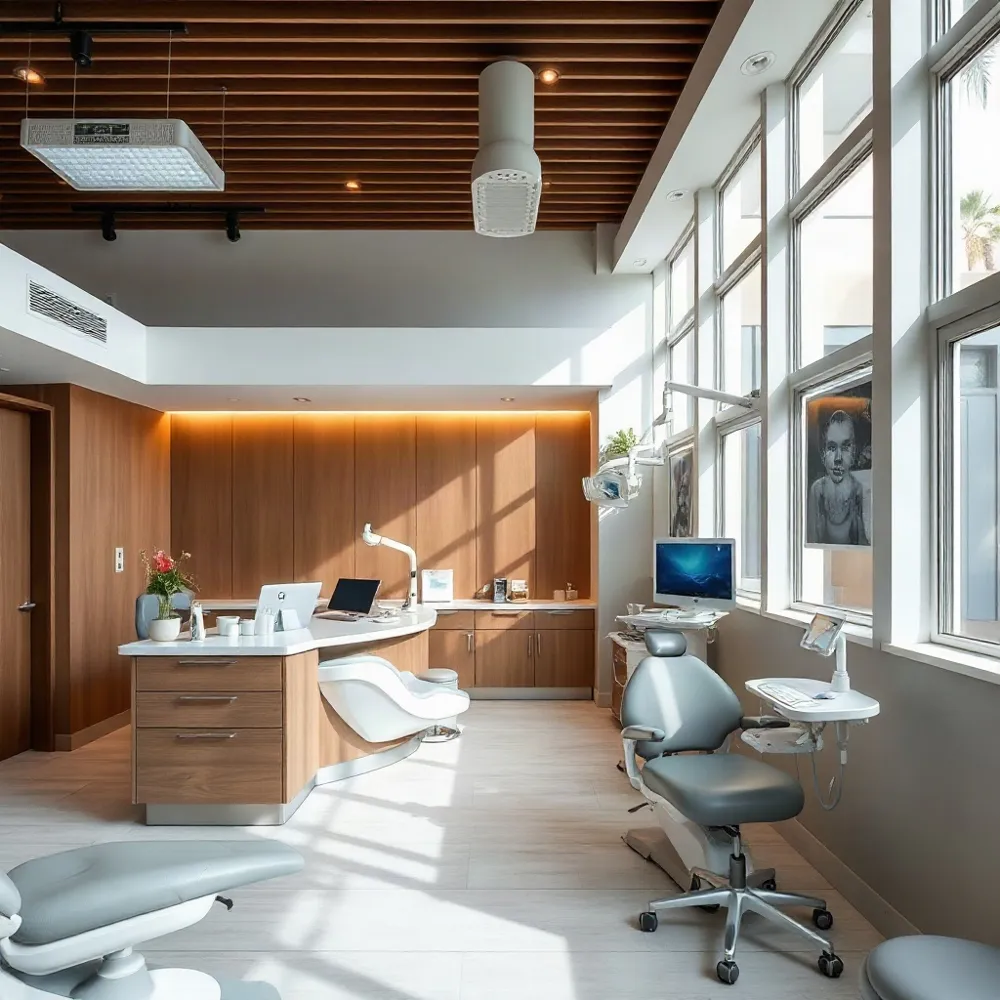 Start with the care you need now and may need later. Routine family dentistry, cosmetic treatment, and more involved restorative work call for different experience and services, so check whether a practice can address your priorities and those of your household. Smile Perfector Dental Group offers care ranging from preventive and pediatric dentistry to veneers, clear aligners, crowns, and implants.
A convenient location and hours can make it easier to keep appointments, but the day-to-day experience matters too. Look for a welcoming office, clear and respectful communication, and thoughtful attention to comfort. Tell the dentist about past experiences, concerns, or anxiety so the team can understand what helps you feel at ease.
Build a shortlist through recommendations from people you trust, professional directories, and online reviews. Reviews can reveal recurring impressions, but they reflect other patients’ needs and experiences, not yours. The American Dental Association’s guidance on choosing a dentist recommends visiting or contacting a practice and arranging a consultation before deciding.
Use that meeting to speak with the dentist and team, bring relevant records and questions, and notice whether they listen and explain options in plain language. You should feel able to ask for clarification and take time to consider recommendations. The ADA describes a dental home as a trusted source for ongoing routine care, procedures, and emergencies.
Smile Perfector Dental Group pairs comprehensive services with personalized attention and a fully digital workflow. These features describe the practice’s approach, not a guarantee of clinical quality; a consultation can help you decide whether its care and communication suit your needs.
Look for Personal Cosmetic Judgment
A natural-looking cosmetic result should suit you, not follow a standard template. The dentist needs to balance appearance with clinical judgment, including the health of your teeth and gums. The American Dental Association’s guidance on choosing a dentist encourages patients to discuss their concerns and goals directly during a consultation.
Ask how the dentist will consider your preferred look alongside tooth size, shape, color, and alignment, as well as the features of your face. A useful consultation makes room for questions and a clear explanation of the treatment direction, including the benefits and limits of each option. Visual tools can support that discussion, but they do not replace professional judgment.
Request to see examples of work related to the look you have in mind. Photographs can help you understand a dentist’s aesthetic approach and whether it feels aligned with your preferences, but they cannot guarantee your own result. Smile design is individual, and your oral health and starting point will shape what is appropriate.
At Smile Perfector Dental Group in Los Angeles, Dr. David Shouhed brings an artistry-focused approach to smile design. The practice offers options including custom porcelain veneers, clear aligners, and teeth whitening. A personalized conversation can help you compare those choices and understand what may fit your goals without assuming a particular outcome.
Ask How Digital Tools Support Care
Digital dentistry uses tools such as imaging and digital scans to help clinicians see teeth and surrounding structures, plan treatment, and explain findings. A clear image or model can make it easier to discuss what is happening and compare possible next steps.
A review in the European Journal of Dentistry describes how digital tools can support diagnosis, treatment planning, patient comfort, and communication, while noting that they do not replace clinical judgment. VCU Health’s patient-focused explanation also describes how digital models can help patients understand proposed care and may make some appointments more efficient.
The benefits depend on the procedure, the quality of the information collected, and your individual circumstances. Digital tools may support more precise planning and smoother workflows, but they do not guarantee a particular result. Equipment alone cannot show whether a practice’s care is right for you; a dentist’s experience, judgment, and willingness to explain options matter too.
Smile Perfector Dental Group describes its care as using a fully digital workflow and advanced imaging alongside personalized treatment. Ask which tools would be used for your specific care, what they can show, and how the findings may affect your plan. The research on digital dentistry offers general background, not an evaluation of this practice.
Make the Treatment Plan Understandable
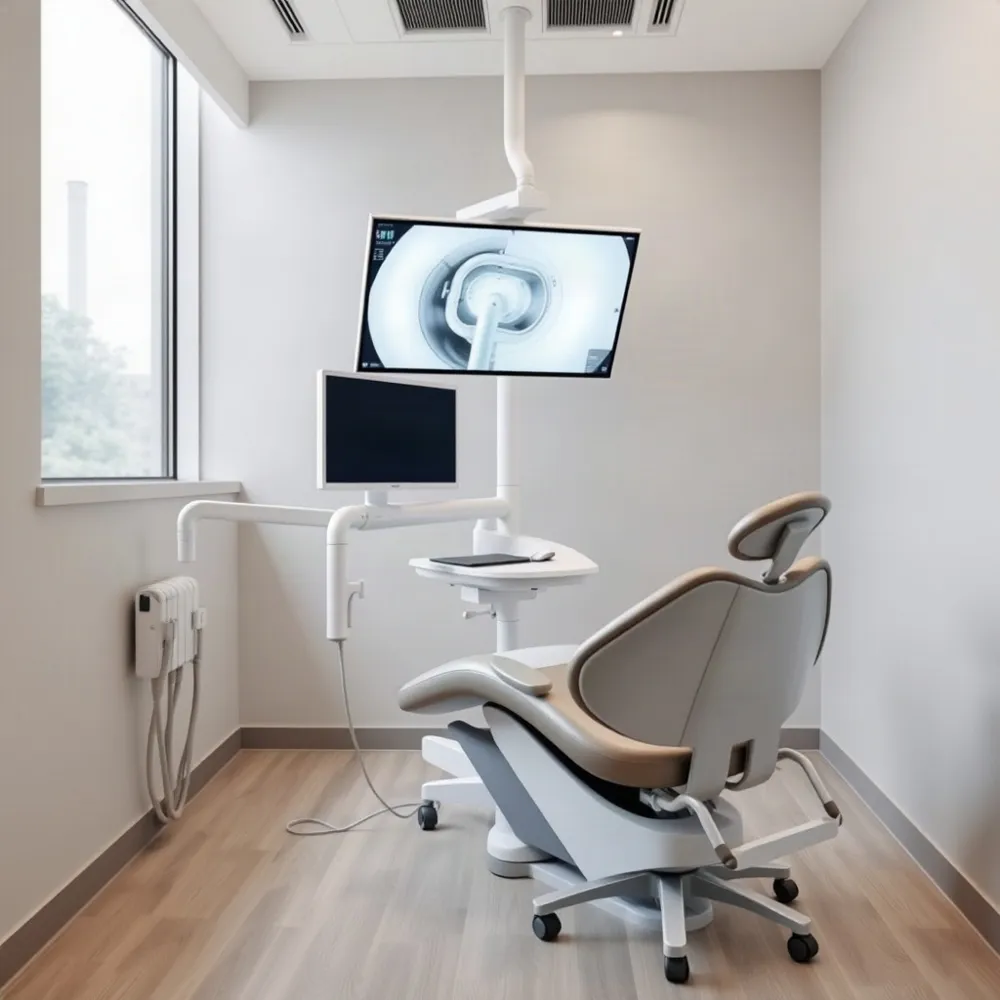 A treatment recommendation should make sense to you before you agree to begin. Ask, “What is this treating, and why do you recommend it?” Then ask what options are available, including a more conservative approach when appropriate. A clear discussion should cover the benefits and drawbacks of each option, expected results, possible risks, and what might happen if you wait. The right choice depends on your dental needs and circumstances, not a standard formula.
At Smile Perfector Dental Group, care spans preventive, cosmetic, and restorative dentistry, so patients can discuss related needs in one practice. Ask how a recommendation fits your goals and whether it connects to other care you may need. The American Dental Association’s guidance on choosing a dentist describes the dentist as a trusted adviser and partner in care decisions. That relationship includes listening to your concerns and explaining options, rather than expecting you to accept a plan you do not understand.
Before starting, clarify how many visits treatment may involve, what recovery could be like, and what follow-up is planned. If you feel anxious or have questions about comfort, tell the team and ask what support is available. Request an itemized estimate and ask how insurance or payment options may apply. At Smile Perfector Dental Group, personalized care means making space for questions about your treatment goals and the steps being proposed. Ask the dentist to explain anything again until you feel confident about the plan.
Clarify Costs and Insurance Before Care
 Before scheduling treatment, check how your own dental plan applies to the care you are considering. Review your benefits summary or contact your insurer to ask about covered services, waiting periods, frequency limits, deductibles, coinsurance, annual maximums, and any pre-approval or referral requirements. Coverage can differ by plan and procedure, so do not assume that a benefit applies just because a treatment is commonly covered. The National Association of Dental Plans guide to dental benefits explains how plan types and cost-sharing rules can vary.
Confirm that the dentist participates in your specific network for your plan and location. Then ask the practice for an itemized estimate that identifies the proposed services and expected patient costs, along with any available payment options. At Smile Perfector Dental Group, the team can help review your plan and provide an estimated cost before treatment, giving you a clearer starting point for questions to your insurer.
An estimate is not a promise of coverage or final payment. Actual costs and insurer payments can change based on your clinical circumstances, the services ultimately provided, provider fees, plan provisions, and claims processing. If online information conflicts with your policy, the plan documents govern. Smile Perfector Dental Group can help explain the estimate, but your insurer determines final coverage.
Some insurers offer online cost tools, including Delta Dental’s estimator, which provides estimated ranges for certain plans and services. Its results may be limited and are not guaranteed fees or benefits. Use an estimate to prepare questions, not as the sole reason to delay or decline care, and confirm expected costs directly with both your insurer and dental provider.
Choose Confidence Built on Trust
A high-end dental practice is not defined by one impressive feature. The right fit brings together the care you need, your personal goals, clear answers, a comfortable experience, thoughtful technology, and costs you understand. The American Dental Association describes a dental home as a trusted source of ongoing care, including routine visits and support when dental needs arise (ADA guidance on choosing a dentist).
If you are comparing dentists in Los Angeles, consider scheduling a consultation before committing to treatment. Bring your dental history and questions, share any concerns, and notice whether the dentist listens and explains options in a way that makes sense to you. You can take the time you need to decide whether the practice feels right.
Smile Perfector Dental Group brings comprehensive family and cosmetic services together with personalized care and an artistry-focused approach to smile design. A conversation with the team can help you explore whether that combination fits your needs and the kind of confident, natural-looking smile you hope to achieve.