A Dental Role in Better Sleep
For Los Angeles residents, persistent snoring, gasping during sleep, or feeling unusually sleepy during the day can be reasons to speak with a healthcare professional. These signs do not confirm sleep apnea on their own, so a medical evaluation is the right first step.
A dentist may still have a useful role in the care process. During a dental visit, they can notice possible warning signs and encourage you to seek an assessment. If a sleep specialist diagnoses obstructive sleep apnea and recommends an oral appliance, a qualified dentist can assess whether it suits your teeth and jaw, then fit and monitor a custom device. The American Academy of Sleep Medicine and American Academy of Dental Sleep Medicine guideline emphasizes collaboration between sleep physicians and dentists.
At Smile Perfector Dental Group, personalized care and digital imaging are part of the practice’s approach to dental visits. For sleep concerns, the same patient-focused attention can help make it easier to discuss symptoms and understand when medical evaluation is needed. Dental care can support a coordinated plan, but it does not replace diagnosis by a sleep-medicine professional or other prescribed treatment.
When an oral appliance is appropriate, a dentist’s role continues beyond fitting: follow-up helps check comfort, fit, and possible changes to the bite. The Cleveland Clinic’s overview of oral appliance therapy explains why suitability and monitoring matter. Your care team can help you weigh options and check whether treatment is working.
Start With Medical Diagnosis
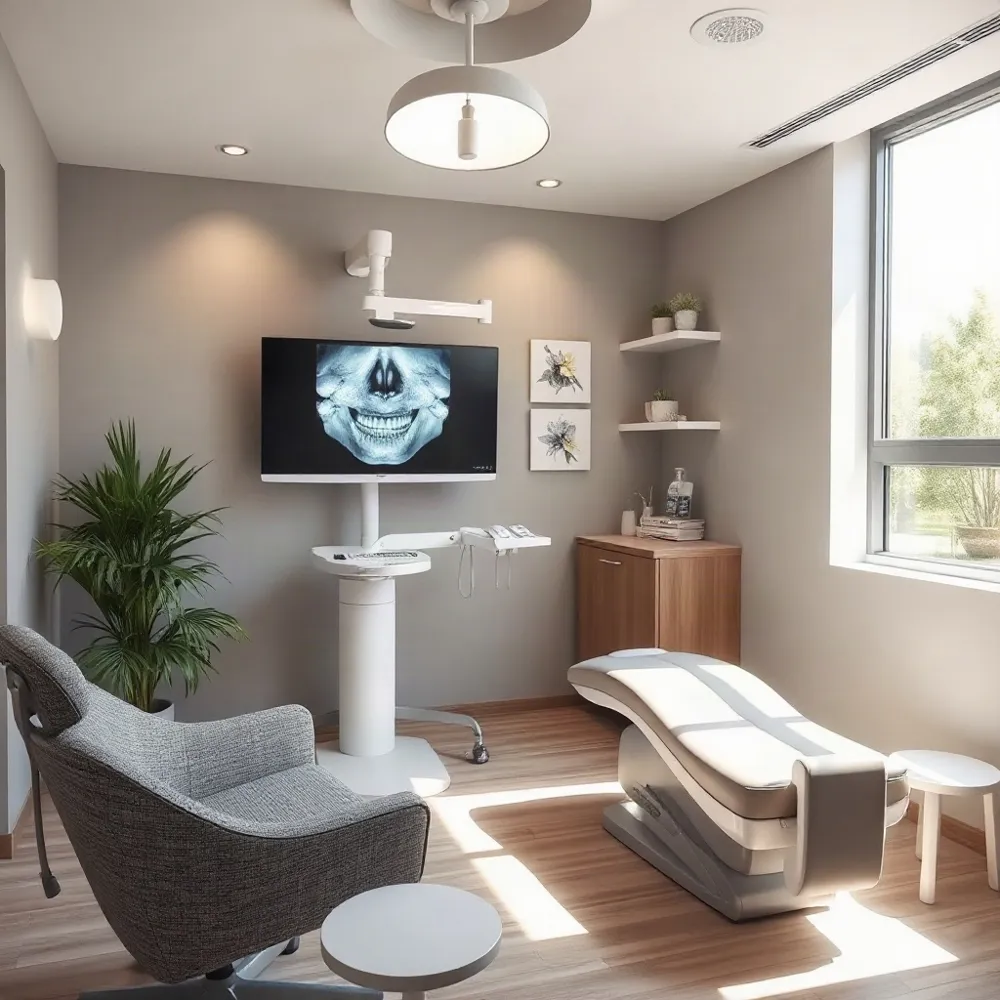 Obstructive sleep apnea (OSA) occurs when the upper airway repeatedly narrows or becomes blocked during sleep. These interruptions can disturb breathing and rest, but symptoms alone cannot confirm the condition.
A dentist cannot diagnose sleep apnea. During a dental visit, a dentist may notice signs that raise concern or ask about snoring and daytime tiredness, then suggest a medical evaluation. That screening can point you toward care, but it cannot establish whether you have OSA.
If you are concerned about symptoms, speak with your physician or a sleep specialist. They can assess your health and determine whether a sleep study is needed to diagnose sleep apnea and guide treatment. The [American Academy of Sleep Medicine and American Academy of Dental Sleep Medicine guideline](https://pmc.ncbi.nlm.nih.gov/articles/PMC4481062/) describes diagnosis and follow-up as medical responsibilities carried out in coordination with qualified dental care.
A dental examination alone cannot account for every factor involved. Sleep apnea may occur alongside other health conditions or sleep concerns, and treatment needs vary. At Smile Perfector Dental Group, care is grounded in personalized attention and a fully digital workflow, but those dental strengths do not replace assessment by a sleep physician.
Can a dentist diagnose or treat sleep apnea? A dentist may help with treatment after a medical diagnosis, including assessing whether oral appliance therapy is appropriate when a physician recommends it. The dentist and sleep specialist have different roles, and communication between them helps keep diagnosis, treatment, and follow-up aligned. The Cleveland Clinic’s guidance on oral appliance therapy likewise describes a sleep study and specialist referral before dental fitting.
How Oral Appliances Help
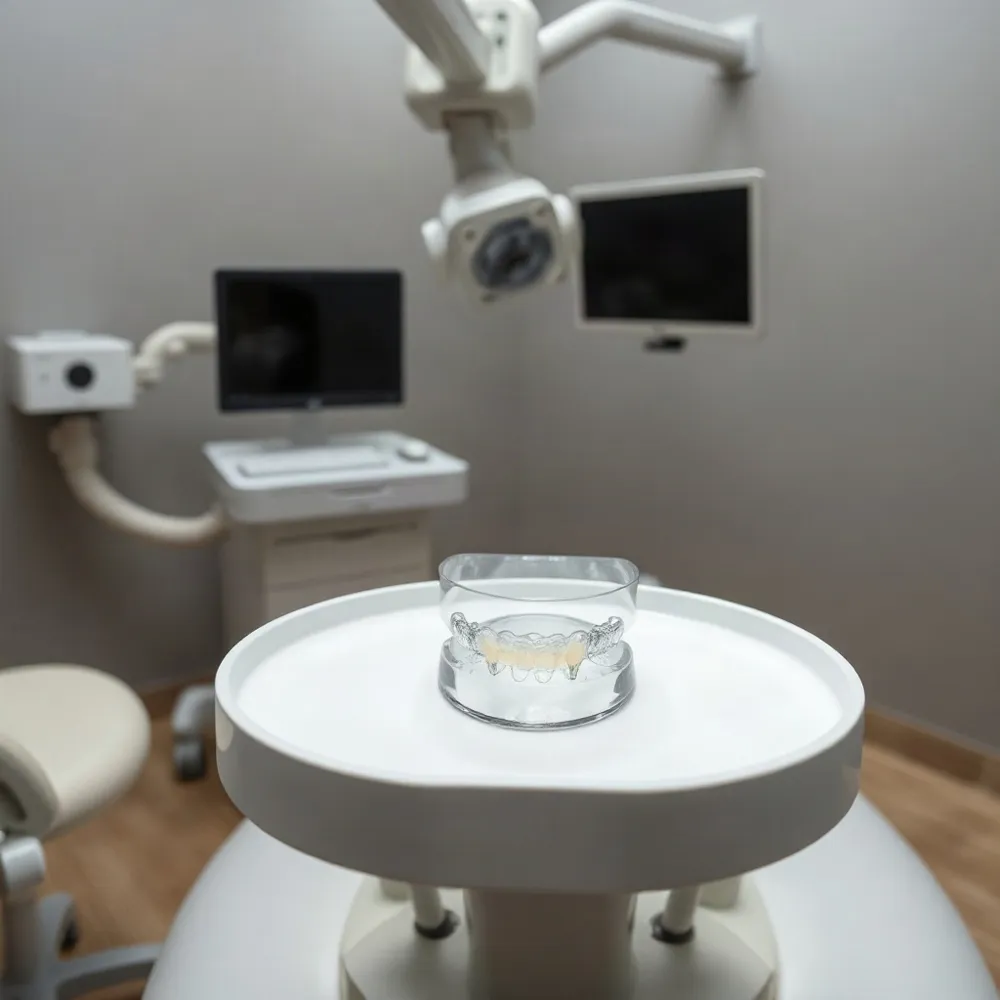 For some people with obstructive sleep apnea, a dental mouthpiece worn during sleep can help keep the airway open. These devices are considered after medical evaluation, and their effects depend on the person and the severity of their sleep apnea.
The most common option is a mandibular advancement device. It fits over the teeth and gently moves the lower jaw forward, which also brings the tongue forward and creates more room for airflow at the back of the throat. A tongue-stabilizing device works differently: it uses suction to hold the tongue forward during sleep. Cleveland Clinic’s overview of oral appliance therapy explains these two approaches.
A custom appliance is made to fit an individual’s teeth and bite, rather than being treated as interchangeable with an over-the-counter or boil-and-bite mouthpiece. The American Academy of Sleep Medicine and American Academy of Dental Sleep Medicine guideline recommends a qualified dentist provide a custom, adjustable device when oral appliance therapy is prescribed. A sleep physician remains part of the care team, including for diagnosis and assessment of treatment.
Some patients value an oral appliance because it is compact, quiet, and does not need electricity, features that can make it convenient at home or while traveling. Convenience alone does not show that the device is controlling apnea. Patients should follow their healthcare team’s advice and attend follow-up so fit and treatment effectiveness can be checked.
At Smile Perfector Dental Group in Los Angeles, the practice’s digital imaging and personalized approach support careful dental assessment. Patients can ask whether oral appliance fitting is offered and discuss any sleep-related concerns with their medical provider, since the practice’s general dental services do not by themselves establish suitability for sleep apnea treatment.
Who May Benefit From an Appliance
An oral appliance may suit some adults who have been diagnosed with obstructive sleep apnea (OSA), especially when the condition is mild to moderate and they cannot tolerate CPAP or prefer another option. It is not automatically a better choice: CPAP remains an important treatment, and the right approach depends on each person’s health and sleep evaluation. The AASM and AADSM guideline recommends that sleep physicians consider oral appliance therapy for adults with OSA who cannot tolerate CPAP or prefer an alternative.
A sleep-medicine professional reviews the diagnosis, severity, and overall health before recommending treatment. A dentist then assesses whether the teeth, gums, jaw, and bite can support an appliance and whether a custom device is appropriate. This distinction matters because a dental examination can inform treatment suitability, but it does not replace medical diagnosis or sleep-specialist oversight.
Not everyone is a candidate. Oral appliances do not treat central sleep apnea, and an appliance should not be used alone for severe OSA unless a healthcare professional determines that approach is safe. Dental or jaw concerns may also affect whether a device can be worn comfortably. The Cleveland Clinic’s guidance on oral appliance therapy describes these limits and emphasizes that treatment should be selected with healthcare professionals.
For Los Angeles residents, a personalized dental assessment can help clarify whether the mouth and jaw are suitable for an appliance. At Smile Perfector Dental Group, a fully digital workflow and advanced imaging support detailed evaluation of oral structures, though a sleep specialist should guide the medical decision about OSA treatment.
Before starting, stopping, or changing CPAP or another treatment, discuss the options with your care team. If an appliance is chosen, follow-up with both the dentist and sleep-medicine professional can help check fit, monitor oral health, and confirm whether treatment is managing the condition.
What Fitting and Follow-Up Involve
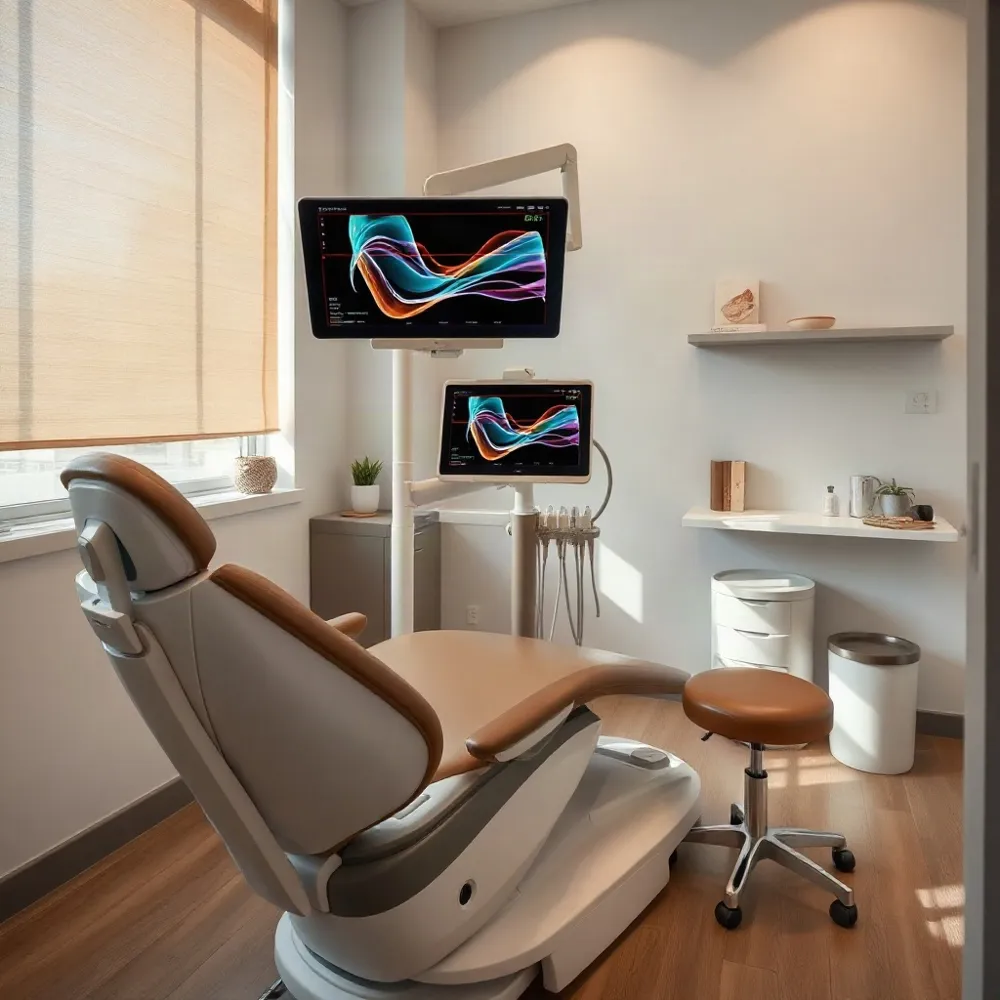 Once a sleep physician has confirmed obstructive sleep apnea and recommended an oral appliance, your dentist can assess whether your teeth, gums, jaw, and bite can support one. This evaluation helps shape a device that fits you perfectly—so you can feel confident it’s made for your unique needs, not a one-size-fits-all mouthpiece.
To create your custom appliance, your dentist will take dental impressions or make a digital scan, then record how your upper and lower teeth meet. The appliance is crafted from this information. At a return visit, your dentist checks the appliance for comfort and fit, and shows you how to clean and care for it. Cleveland Clinic outlines this fitting and follow-up process in its oral appliance therapy guidance.
Getting used to wearing an appliance can take a few weeks. Your dentist may suggest increasing wear time gradually, while making adjustments to improve your comfort and fit. Your comfort matters—so don’t hesitate to share any soreness, jaw discomfort, changes in your teeth or bite, or any change in sleep symptoms with your dentist rather than stopping or changing treatment on your own.
Follow-up visits let your dentist check your appliance’s condition and monitor your oral health, including any movement of teeth or changes in your bite. If discomfort persists or the device no longer fits well, an adjustment may help. Leading medical organizations—including the American Academy of Sleep Medicine and the American Academy of Dental Sleep Medicine—recommend that you continue ongoing care with both your dentist and your sleep physician while using an oral appliance.
Your sleep physician may also arrange follow-up sleep testing to see whether the appliance is controlling your apnea and whether further adjustment is needed. Feeling comfortable with the device, or noticing less snoring, does not by itself confirm that OSA is adequately treated. For Los Angeles residents like you, this distinction supports a confident care plan based on both dental monitoring and medical follow-through, rather than appearance or symptoms alone.
Weighing Benefits and Drawbacks
For some people with obstructive sleep apnea, a custom oral appliance can reduce snoring and sleep disruptions, with possible improvements in daytime sleepiness or concentration. Results vary with a person’s airway, the severity of the condition, and how well the device works for them. Cleveland Clinic outlines both the potential benefits and limits of oral appliance therapy.
Treatment choices should reflect sleep-study findings and medical guidance, not convenience alone. CPAP generally improves airflow more effectively, while an oral appliance may be an alternative for some people who cannot use CPAP or prefer another option. In some cases, a care team may recommend using an appliance alongside CPAP or for travel. Discuss any change to prescribed treatment with your sleep physician.
Early effects can include extra saliva, dry mouth, gum irritation, or soreness in the jaw and teeth. These symptoms may ease as you adjust, but ongoing pain or discomfort deserves a conversation with your dental provider. At Smile Perfector Dental Group, digital imaging and a personalized approach to dental care can support careful attention to fit and comfort, although the practice’s specific role in sleep-apnea treatment should be confirmed directly.
Less commonly, long-term use may contribute to tooth movement or changes in the bite. Regular dental visits help check for these changes and assess the appliance, while a sleep physician may arrange follow-up testing to confirm that breathing is better controlled. A dentist’s fitting alone cannot establish that apnea is adequately treated.
The best choice depends on your sleep-study results, comfort, overall health, and response to follow-up assessment. A joint AASM and AADSM guideline emphasizes collaboration between sleep physicians and qualified dentists, so patients can weigh benefits, side effects, and other treatment needs with the right professionals.
Coordinated Care Builds Confidence
Oral appliance care works best as part of a shared plan, not as a stand-alone dental procedure. A sleep physician confirms obstructive sleep apnea and oversees medical care; when an appliance is appropriate, a qualified dentist assesses oral health, fits the device, makes adjustments, and monitors dental effects. Follow-up sleep testing can help the physician check whether treatment is working. The AASM and AADSM guidance emphasizes this ongoing partnership.
Before beginning, ask your care team whether an appliance fits your diagnosis and dental health, how many appointments and sleep tests to expect, and what side effects to watch for. Discuss cost, insurance coverage, and the device’s expected lifespan as well. Clear answers can help you weigh options and plan for follow-up rather than relying on comfort or reduced snoring alone to judge progress.
For Los Angeles residents seeking personalized dental care, Smile Perfector Dental Group describes a digital workflow and an artist-focused approach to smile design. Those practice features do not establish that the office provides sleep-apnea treatment, so confirm services and training directly before scheduling for this concern. A coordinated conversation with your physician and an appropriately qualified dentist can support an informed, individualized choice, while leaving room to adjust the plan as your needs become clearer.
Take the Next Step With Your Care Team
A dentist can support sleep-apnea treatment for selected patients by fitting and monitoring a custom oral appliance. That care complements medical evaluation; it does not replace diagnosis by a physician or sleep specialist.
If snoring, gasping, or daytime fatigue concerns you, start by speaking with your physician or a sleep specialist. They can assess whether testing is needed and discuss treatment options. If an oral appliance may suit your needs, a qualified dentist can evaluate your teeth and jaw and coordinate care with your medical team. The American Academy of Sleep Medicine and American Academy of Dental Sleep Medicine guideline emphasizes this shared approach.
For Los Angeles residents, personalized dental care can also mean clear conversations about comfort, safety, and follow-up. At Smile Perfector Dental Group, digital imaging and an individualized approach to dental care help inform treatment discussions. Bring your questions, share any concerns, and work with your care team to choose a plan that fits your health needs.