Be Ready Before Urgent Care Is Needed
A dental emergency can feel unsettling, but a few careful steps at home may help ease discomfort or protect an injured tooth while you arrange professional care. Gentle rinsing, clean gauze, or a cold compress can provide temporary support, depending on the problem.
First aid does not replace a dentist’s examination or treatment. Keep your dentist’s phone number somewhere easy to find, and call for guidance when a tooth is injured or pain persists. The American Dental Association’s dental emergency guidance recommends contacting a dentist promptly and sharing clear details about what happened.
For Los Angeles residents, having a regular dental provider can make it easier to get advice suited to your situation. At Smile Perfector Dental Group, digital imaging and personalized care support assessment across a range of dental needs, including emergency services.
Recognize When Dental Problems Need Urgent Care
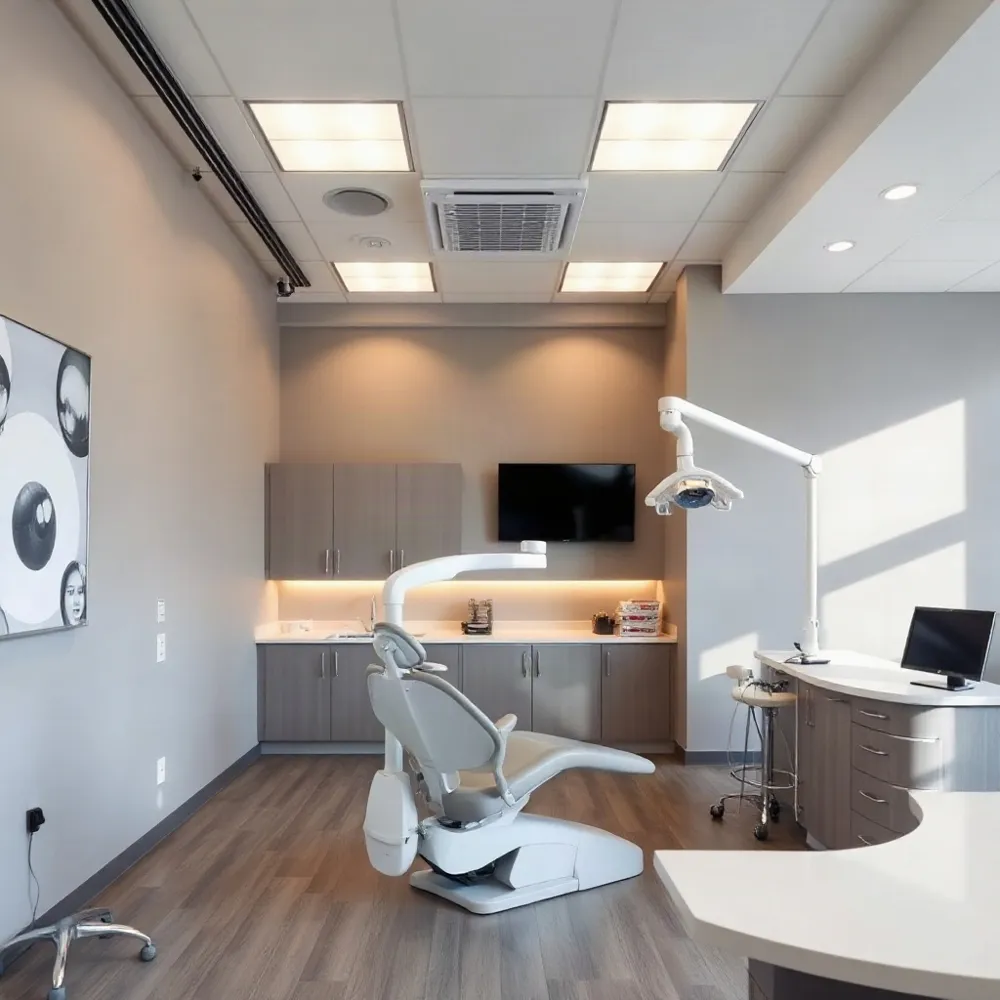 A dental problem may need urgent attention when a tooth is knocked out or partly dislodged, badly cracked, or causing severe pain that does not ease. Significant facial or jaw swelling can point to infection. Bleeding that will not stop or a deep cut inside the mouth also calls for prompt assessment. The American Dental Association’s guidance on dental emergencies recommends contacting a dentist as soon as possible.
A lost or broken filling, crown, or other restoration may also need prompt care, especially if it hurts or leaves the tooth exposed. Smile Perfector Dental Group offers emergency services in Los Angeles, alongside comprehensive care, so patients can discuss an urgent concern with a dental provider. When you call, explain what happened, describe your symptoms, and follow the guidance you receive.
Trouble breathing or swallowing is not a home-care situation. Seek emergency medical care, too, for a serious facial injury or suspected broken facial bones. For tooth pain, Mayo Clinic advises prompt dental or medical contact when it comes with swelling or other signs of infection. Smile Perfector Dental Group’s digital imaging and personalized approach can support evaluation, but urgent symptoms should be reported promptly rather than watched at home.
Ease Toothache While Arranging Dental Care
 To ease a toothache while arranging care, rinse gently with warm water and carefully floss if food may be trapped between teeth. A cold compress on the outside of your cheek may help with swelling or pain after an injury. These steps can provide temporary comfort, but they do not treat the cause of the pain, as Mayo Clinic’s toothache first-aid guidance explains.
An over-the-counter pain reliever may help if it is appropriate for you. Follow the product directions, and never place aspirin directly on a tooth or gums, since it can injure the tissue. If you are unsure what to take, ask a dentist or healthcare professional.
Contact a dentist promptly if pain is severe, worsening, persistent, or not easing with medication. Swelling, fever, pus, or a bad taste also calls for urgent dental guidance. If you have trouble swallowing or breathing, seek emergency care; for breathing difficulty, call 911 or go to an emergency room.
If the ache is mild and manageable, with no warning signs, arrange an appointment within the next few days rather than waiting for it to disappear. Pain that improves can still have an underlying cause that needs attention. At Smile Perfector Dental Group in Los Angeles, care includes digital imaging and personalized treatment planning, helping the team assess symptoms and discuss an appropriate next step.
Protect a Knocked Out Permanent Tooth
What should you do if an adult tooth is knocked out? Call a dentist immediately and arrange urgent care. Quick action may improve the chance of saving the tooth, and the American Association of Endodontists recommends seeking care as soon as possible.
Pick up the tooth by its crown, the part normally visible above the gum. Avoid touching the root, and do not scrub, scrape, or dry the tooth. If it is dirty, rinse it gently with milk or saline, or briefly with clean water. Handle it carefully because root-surface cells can help the tooth reattach.
If the tooth goes back into its socket easily, gently place it there and hold it in position with a light bite on clean gauze. Do not force it. If it will not stay in place, keep it moist in milk or saliva and bring it to the dentist. Do not wrap it in tissue or cloth, and do not leave it to dry out. The Mayo Clinic’s tooth-loss first-aid guidance also advises keeping the tooth moist while seeking emergency dental care.
These steps are for permanent teeth only. Do not put a baby tooth back into its socket, since this could harm the developing adult tooth beneath it. If the injury also involves a serious blow to the head or face, heavy bleeding, or another urgent medical concern, seek emergency medical care. For Los Angeles patients, a dentist can assess the tooth promptly and explain the next steps based on the injury.
Respond Carefully When a Child Loses a Tooth
What should you do if a child’s tooth falls out? First consider whether it came out naturally or was knocked loose in an accident. A naturally shed baby tooth usually needs only gentle cleaning and reassurance. Do not try to put it back in its socket, since this could harm the permanent tooth developing underneath.
If the tooth was knocked out during a fall or another injury, contact a dentist right away. Do the same if you are unsure whether it is a baby tooth or a permanent one. A knocked-out permanent tooth needs urgent care, and prompt handling may improve the chance of saving it. Smile Perfector Dental Group provides emergency dental services in Los Angeles, with care tailored to the patient’s needs.
If it appears to be a permanent tooth, pick it up by the white crown and avoid touching the root. Gently rinse away visible dirt with milk or saline. Only place it back in the socket if it slips in easily; never force it. Otherwise, keep it moist in milk or saliva and bring it to the dentist. NHS guidance also advises against putting a baby tooth back in.
Keep your child calm, and explain that a dentist will check the tooth and decide what care is needed. Bring the tooth with you, even if you are not sure it can be saved. At Smile Perfector Dental Group, a digital workflow and personalized approach support careful assessment while helping families feel at ease.
Make a Plan for Dental Emergencies at Night
 What should you do if a dental emergency happens at night? Call your dentist’s after-hours number first. The voicemail may explain how to reach the on-call provider or where to seek urgent care. If you cannot get guidance, contact a local emergency dental service. Smile Perfector Dental Group’s digital imaging and broad range of care, including emergency services, support evaluation and treatment tailored to the problem.
Go to an emergency room or call 911 for difficulty breathing or swallowing, severe facial swelling, a serious injury, or bleeding that will not stop. The American Dental Association’s dental emergency guidance recommends seeking prompt care and sharing details about the problem when you contact a dentist.
While waiting for advice, avoid chewing on the affected side, rinse gently with warm water, and place a cold compress on the outside of your cheek if it is swollen. If a permanent tooth is knocked out, hold it by the crown, not the root. Gently return it to its socket only if it goes in easily. Otherwise, keep it moist in milk and contact a dentist right away, as advised in Mayo Clinic’s tooth-loss first aid guidance.
Keep First Aid Temporary and Personalized
Dental first aid can help you stay calm and protect your mouth while care is arranged, but it cannot identify or treat the cause of an injury or pain. Use gentle, appropriate steps, then contact a dental professional for advice and an examination. If symptoms are severe or affect breathing or swallowing, seek emergency medical care.
Los Angeles families can save their dental office’s phone number and after-hours instructions in a shared, easy-to-find place. Ask your dentist ahead of time which steps suit your health needs and when to seek urgent care. At Smile Perfector Dental Group, digital imaging and personalized care support a closer assessment and treatment plan tailored to each patient.