Care That Keeps Your Smile on Track
For Los Angeles residents who have finished orthodontic treatment, a retainer helps protect the alignment you worked toward. Teeth can shift over time, so follow your orthodontist’s instructions for when and how long to wear yours. A retainer only helps while it is in place, and the right schedule depends on your individual needs, as the American Association of Orthodontists explains.
A simple routine makes daily care easier. Rinse a removable retainer with lukewarm water when you take it out, then clean it gently with a soft brush and a product recommended for its material. Avoid hot water and harsh cleaners, which may damage or distort the appliance. For a fixed retainer, brush carefully around the wire and clean between teeth with a floss threader or another tool your dental professional recommends.
Store a removable retainer in its case when it is not being worn, and contact your dental professional if it becomes damaged or no longer fits comfortably. At Smile Perfector Dental Group, digital imaging and personalized care support conversations about maintaining your smile, alongside regular brushing, flossing, and dental visits. When cleaning products or fit raise questions, ask a qualified professional for guidance tailored to your retainer.
Why Retainers Need Consistent Wear
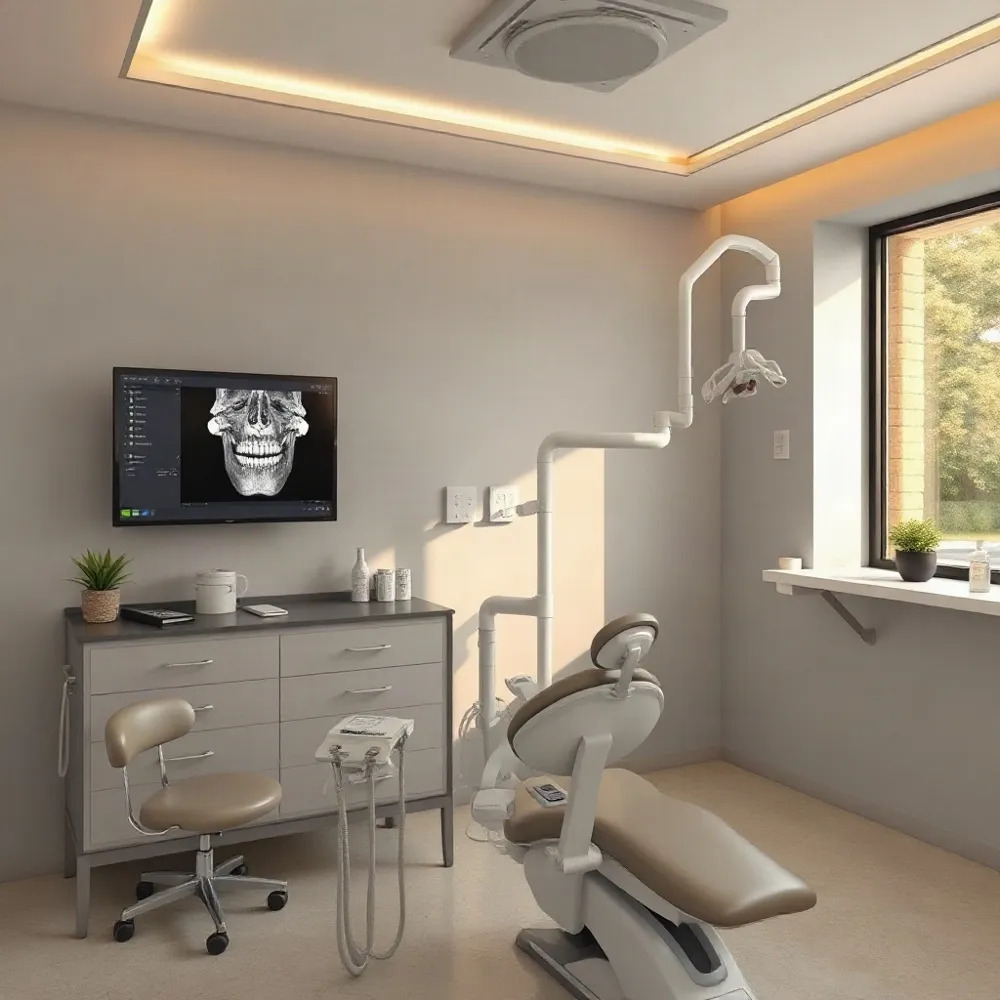 After braces or clear aligners, a retainer helps hold teeth in their corrected positions while the surrounding tissues adjust. Teeth can still shift in response to everyday pressure from chewing, speaking, and swallowing, so wearing your retainer as directed helps protect the alignment you worked toward. The American Association of Orthodontists’ retainer guidance explains why consistent wear matters.
There is no single wear schedule that suits everyone. Your dentist or orthodontist will tell you when and how long to wear your specific retainer. It works only while it is in your mouth, so follow those instructions rather than changing the schedule on your own. At Smile Perfector Dental Group, care is personalized to each patient, with a focus on maintaining a healthy, confident smile after orthodontic treatment.
What if you have not worn your retainer for a while?
Teeth may move during a break in wear, and a retainer that once fit comfortably may feel tight or fail to seat fully. Do not force it into place, increase wear to compensate, or try to reshape it with heat. Contact your dentist or orthodontist promptly for advice, especially if the retainer appears warped, cracked, or otherwise damaged.
If it seats fully and feels only mildly snug, ask your provider whether to resume your usual schedule. A professional can check the fit and recommend the next step, helping you protect your alignment without risking discomfort or appliance damage.
A Gentle Daily Cleaning Routine
 Plaque, saliva, and food particles can collect on a retainer during wear. A simple daily routine helps remove residue and care for both your appliance and your oral health.
How often should I clean my retainer?
Clean a removable retainer every day you wear it, and rinse it with lukewarm water each time you take it out. The American Association of Orthodontists’ retainer-cleaning guidance recommends using a dedicated soft toothbrush with mild soap or a retainer-specific cleanser. Brush gently, then rinse away any soap before putting the appliance back in.
Brush and floss your teeth before reinserting a removable retainer when possible, so food and plaque are not trapped against your teeth. At Smile Perfector Dental Group, routine dental care can be part of maintaining your smile after orthodontic treatment; ask your dental professional for instructions suited to your retainer.
What is the safest way to clean a retainer?
Avoid hot water, abrasive toothpaste, and harsh cleaners such as bleach or alcohol-based mouthwash. Heat may warp a retainer, while abrasive products can scratch its surface. A cleaning tablet may suit an occasional deeper clean, but follow the product directions and confirm it is appropriate for your appliance.
For a fixed retainer, brush carefully around the wire and floss beneath it each day. A floss threader, interdental brush, or water flosser can help reach tight spaces where debris may collect. Smile Perfector Dental Group’s comprehensive dental care includes preventive visits where patients can raise questions about cleaning around a bonded wire.
When you are not wearing a removable retainer, keep it in its case and clean the case regularly. If you are uncertain about a product or cleaning method, ask your dentist or orthodontist for guidance tailored to the retainer’s material and design.
Choosing Products for Deeper Cleaning
A retainer-cleaning tablet or solution may help with an occasional deeper clean, but it is not automatically suitable for every appliance. Check the label and follow its directions, including the recommended soak time. The American Association of Orthodontists’ retainer-cleaning guidance recommends confirming that a product is appropriate for your retainer.
Baking soda, vinegar, and hydrogen peroxide can seem like convenient household options, but materials vary. Do not use them unless your dentist or orthodontist recommends a method for your specific retainer. Hydrogen peroxide, in particular, should not be used as an improvised soak or left overnight.
For everyday care, a soft toothbrush and mild, clear soap are gentler choices for many removable retainers. Rinse well with cool or lukewarm water. Avoid hot water, abrasive toothpaste, bleach, alcohol-based mouthwash, and strong detergents. These can scratch or warp the appliance, damage its material, or leave residue that irritates your mouth.
At Smile Perfector Dental Group, care is tailored to each patient, so ask your dental professional before trying a new cleaner or soak. A quick check can help you choose an option that suits your retainer and supports a comfortable, confident smile.
Responding to Buildup and Stains
A cloudy film or residue on a removable retainer can often be addressed with gentle daily care. Rinse it with cool or lukewarm water, then brush lightly with a dedicated soft toothbrush and mild dish soap or a retainer-safe cleaner. The American Association of Orthodontists’ retainer-cleaning guidance recommends avoiding hot water and abrasive toothpaste, which can warp or scratch some appliances.
How do I remove plaque or buildup from my retainer?
For film that remains after brushing, use a retainer-cleaning product only as directed. Check with your dentist or orthodontist before trying a soak or home remedy, since suitable methods can vary by appliance. Avoid scraping hard deposits or scrubbing aggressively. If residue feels rough or will not come off with gentle cleaning, a dental professional can assess it and recommend the next step.
Rinsing and cleaning your retainer each day, and brushing your teeth before putting it back in, can help limit new buildup. Smile Perfector Dental Group’s digital imaging and personalized approach to care can support a closer assessment when you have questions about your appliance or your smile.
What should I do if my retainer smells, looks discolored, or has a brown stain?
Odor, cloudiness, or a brown stain may reflect lingering residue, buildup, or wear. Continue gentle cleaning, but do not use harsh cleaners or try to force a stubborn stain away. If the smell or discoloration persists, or you notice a crack, warping, discomfort, or a change in fit, contact your dentist or orthodontist for an assessment. A professional can determine whether the retainer needs cleaning, repair, or replacement.
Protecting Your Retainer Between Wear
 A removable retainer is easiest to protect when it has one reliable place to go. Put it in its designated case as soon as you take it out. Napkins and tissues can end up in the trash, while an appliance left loose in a bag or pocket can be lost or crushed. The American Association of Orthodontists’ retainer care guidance also advises using a case to reduce the risk of loss or damage.
What should I avoid doing to prevent retainer damage?
Keep the retainer and its case away from pets, especially dogs, and from heat sources such as hot cars, heaters, and stoves. Heat can warp an appliance and affect how it fits. Avoid hot water, harsh cleaners, forceful scrubbing, or bending the retainer. Don’t try to repair it with household glue or force it into place if it feels different.
Keep the case clean, too. If it is visibly cracked or still has an odor after cleaning, replace it so it can protect the appliance properly. If your retainer is missing, cracked, warped, or no longer fits comfortably, contact a dental or orthodontic professional promptly rather than adjusting it at home. At Smile Perfector Dental Group, personalized dental care and digital imaging can help support careful assessment of concerns affecting your smile.
Eating and Drinking With a Retainer
Can I eat or drink while wearing a retainer? It depends on the type. If yours is removable, take it out before eating unless your orthodontist has given different instructions. Put it in its case rather than wrapping it in a napkin, where it could be lost or thrown away. The American Association of Orthodontists’ retainer guidance recommends removing removable retainers before meals.
With a clear retainer in place, water is the preferred drink unless your orthodontist advises otherwise. Other liquids can become trapped between the retainer and your teeth. Coffee, tea, and wine may stain the retainer, while sugary or acidic drinks can increase the risk of tooth decay.
After eating, brush your teeth before reinserting the retainer, or rinse your mouth well if brushing is not practical. This helps avoid trapping food residue against your teeth. At Smile Perfector Dental Group, we offer personalized care to help you maintain your smile after orthodontic treatment.
A fixed retainer stays bonded in place, so you do not remove it for meals. Sticky, hard, or chewy foods may catch around the wire or damage it. Follow your dental professional’s advice for your specific retainer, and ask for guidance if eating feels uncomfortable or the wire seems loose.
Make Retainer Care Part of Smile Care
The smile you worked toward after orthodontic treatment benefits from a routine that fits your retainer and your day. Wear it as prescribed, clean it gently, store it safely when it is out, and keep up with regular dental visits. The American Association of Orthodontists’ retainer care guidance emphasizes following your orthodontist’s individual instructions.
For Los Angeles patients, Smile Perfector Dental Group’s digital imaging and personalized approach support care that considers both oral health and smile appearance. If your retainer feels different, causes discomfort, or you are unsure which cleaning method is suitable, ask your dental or orthodontic professional. Advice tailored to your appliance and routine can help you care for your smile with confidence.