A Clearer Path to Needed Care
A damaged, weakened, or missing tooth can affect everyday comfort and confidence, but the cost of restoring it may leave Los Angeles individuals and families unsure how to proceed. It can be hard to weigh treatment choices when the full expense is not yet clear.
A thoughtful conversation about care should include more than the procedure itself. Ask what treatment is recommended and why, what the estimate includes, how insurance may apply, and whether any payment resources could fit your circumstances. Coverage and financing terms vary, so an estimate or online cost tool is a starting point, not a promise of your final bill.
Research using 2008 survey data found an association between difficulty affording dental care and reported oral-health problems among adults aged 45 and older. The findings are historical and do not predict an individual outcome, but they underscore why cost questions deserve a place in care planning (the study on dental affordability and quality of life).
At Smile Perfector Dental Group, a digital workflow and personalized smile design support a detailed discussion of restorative and aesthetic needs. This article will explain common restorative treatments, insurance considerations, treatment estimates, and potential payment resources, so you can ask informed questions and consider a next step without assuming that any benefit or financing option is guaranteed.
What Restorative Dentistry Can Address
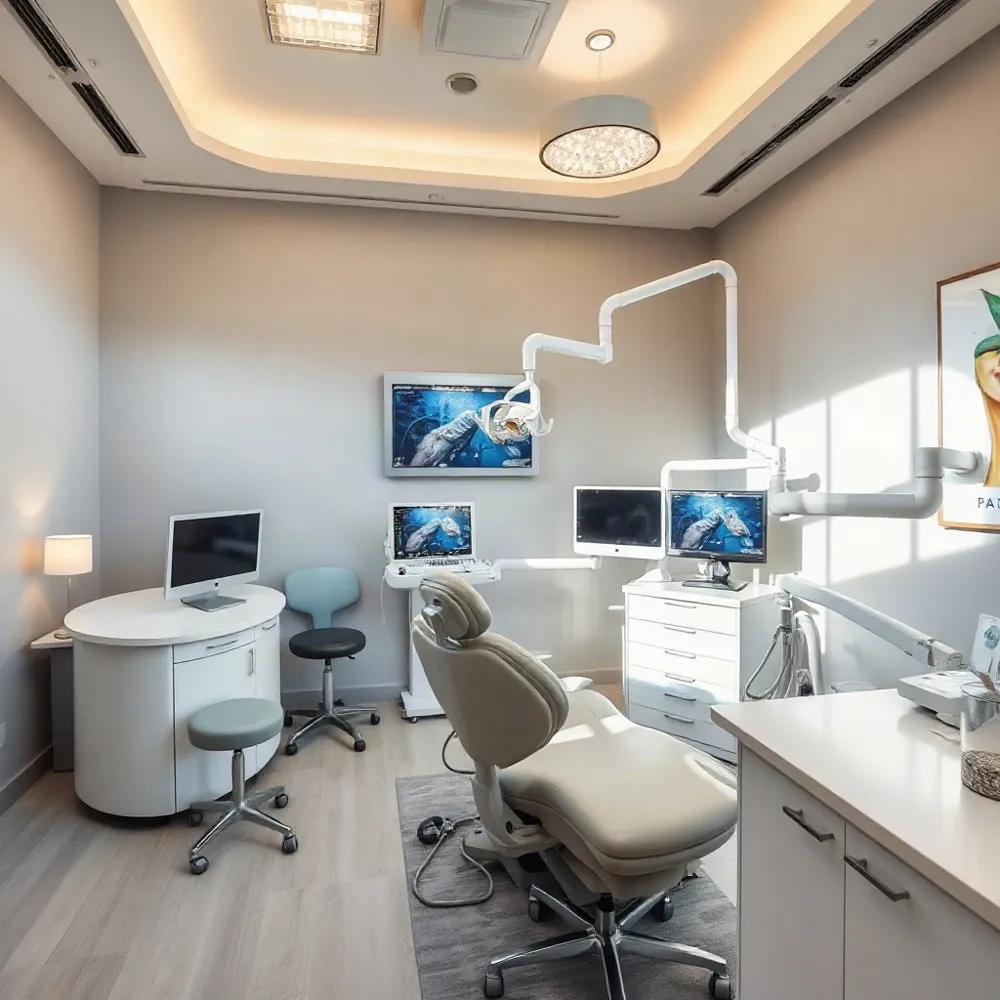 Restorative dentistry focuses on repairing damaged teeth and replacing missing ones. The goal may be to support comfortable chewing and speaking while also helping your smile look natural.
Common options include fillings for teeth affected by decay or damage, crowns that cover and protect weakened teeth, and root canal therapy to treat infection inside a tooth. Bridges, dentures, and dental implants can replace one or more missing teeth. The right choice depends on your oral health and the condition of your teeth, rather than appearance alone.
Some restorative care can serve both a functional and an aesthetic purpose. For example, repairing a damaged tooth may help protect it while also improving the look of your smile. A dental professional can explain what each option is intended to address and whether it fits your needs.
At Smile Perfector Dental Group, restorative services include crowns, implants, root canals, and full-mouth reconstruction, alongside family and cosmetic dentistry. Its digital imaging and personalized approach can help the care team assess your needs and discuss a treatment plan, without assuming that one procedure is right for everyone.
A clear conversation about your options can help you understand the purpose of recommended care and feel more confident about the next step. Ask what each treatment involves, what alternatives may be appropriate, and how the plan relates to your oral health goals.
Why Timely Care Can Matter
Cost concerns can make it tempting to put off a conversation about recommended treatment. Research offers context for why it may be worth raising those concerns with a dental professional, without assuming that one study predicts what will happen to any individual.
A 2019 study in the Journal of Aging and Health analyzed 2008 survey data from 11,760 U.S. adults aged 45 and older. In that historical sample, 11.9% said they had needed dental care in the previous year but did not receive it because they could not afford it. This figure describes the study population at that time, not current prevalence. The study on the impact of affordable dental care found an association between difficulty affording care and reported oral-health symptoms.
The researchers discussed how untreated dental disease may interfere with eating, speaking, and working, and may affect quality of life. Their findings relied partly on self-reported symptoms, and some estimates were modeled. They show a population-level association, not proof that delaying treatment will cause a particular problem or that a specific procedure will prevent one.
For Los Angeles patients weighing restorative care, the practical takeaway is to bring financial questions into the conversation rather than leave them unanswered. At Smile Perfector Dental Group, a personalized treatment discussion can help clarify the proposed care and its priorities. Ask the dental team to explain the estimate and what options, if any, are available for your circumstances; the study does not establish this practice’s prices or payment terms.
Understand Coverage Before Treatment
Dental insurance may contribute to restorative care, but “full coverage” does not mean every bill is paid in full. Your plan may cover some services while leaving you responsible for deductibles, copayments, coinsurance, or costs above its limits.
Does dental insurance cover restorative treatments such as crowns and implants?
It may, depending on your policy and the reason for treatment. Crowns are often treated as major restorative care and may receive partial benefits. Implant coverage is less common or may be limited, and the plan may review different parts of treatment separately. The details of full-coverage dental insurance explain why the label alone does not confirm what a plan will pay.
Before treatment, check your deductible, copay or coinsurance, annual maximum, waiting periods, exclusions, and frequency limits. Confirm whether your preferred dentist is in-network, since network rules can affect your out-of-pocket share. Read the plan documents and contact your insurer with questions about the specific service being proposed.
A pretreatment estimate can help you plan by showing how the insurer expects to process a proposed service. It is not a promise of payment: the final amount may change after the insurer reviews the claim, your remaining benefits, and the submitted records. Smile Perfector Dental Group’s digital imaging and personalized treatment planning can help clarify the clinical recommendations, but your insurer determines your benefits.
Provider fees and clinical needs vary, so online averages and cost-estimator results are starting points, not quotes for a particular Los Angeles patient or dental office. The research on affordability and quality of life used 2008 survey data and modeled associations, not current treatment prices or individual insurance outcomes. Ask for an estimate based on your examination and proposed care, then compare it with the insurer’s information before deciding how to proceed.
Build a Realistic Treatment Estimate
How much does full-mouth dental restoration cost? There is no reliable one-size-fits-all price in the information available here, and a general figure should not be treated as a quote for treatment at Smile Perfector Dental Group. Only an evaluation of your individual needs can clarify the likely cost.
The estimate depends on which teeth can be saved, the type of restoration recommended, and whether additional care, such as extractions or bone grafting, is needed. Provider fees and location also affect the total. Two people seeking full-mouth restoration may need very different treatment plans, even if their goals sound similar.
An examination and appropriate imaging can help the dentist assess your oral health and discuss suitable options. At Smile Perfector Dental Group, digital imaging and personalized care inform treatment planning, including restorative services such as crowns, implants, and full-mouth reconstruction. A written plan and estimate can then help you understand the proposed care before deciding how to proceed.
National averages for individual procedures do not add up to a dependable full-mouth estimate. For example, CareCredit’s cost information lists U.S. averages for selected procedures, including crowns and implants, but these are not a Los Angeles quote or a price for a complete treatment plan. Actual costs can vary by provider, geography, and clinical needs.
When reviewing an estimate, ask what each amount includes and whether imaging, temporary restorations, extractions, grafting, or other procedures are listed separately. Ask which parts of the plan may be eligible for insurance benefits, what the insurer still needs to confirm, and what costs would remain your responsibility. A pretreatment estimate from an insurer may help, but its final payment depends on plan terms and claim review.
A clear estimate should help you compare treatment options and understand the expected financial commitment, not pressure you into a decision. If the proposed care can be staged, ask how timing might affect both your dental needs and costs. Your dentist can explain which steps are clinically important now and which may be considered later.
Compare Ways to Manage Payment
 Once you have a treatment estimate, compare possible ways to cover your share rather than assuming one option will fit every situation. Insurance, eligible account funds, and financing may each help, but their rules and costs differ. Ask Smile Perfector Dental Group which payment resources, if any, are currently available, and request a personalized estimate before making a decision.
What payment and financing options may help make dental treatment more manageable?
Dental insurance may contribute to restorative treatment, but deductibles, coinsurance, annual limits, exclusions, and waiting periods can leave you with out-of-pocket costs. Confirm your benefits with your insurer and ask for a pretreatment estimate when appropriate. General information cannot guarantee what your specific plan will pay.
If you have a flexible spending account (FSA) or health savings account (HSA), funds may be used for qualifying dental expenses. Eligibility depends on the expense and your account rules, so check with your plan administrator before relying on those funds. Keep the expected treatment cost and timing in view when deciding how to use an account balance.
Third-party financing is another possibility for eligible expenses. CareCredit describes promotional financing for dental care, but approval, terms, and participating-provider status must be confirmed with the financing provider and dental office. Review any fees, the required payment schedule, and what happens if a promotional balance is not repaid as required. Do not assume Smile Perfector Dental Group accepts a particular financing product without asking.
Financing spreads payments over time; it does not lower the treatment price. Before agreeing, compare the full repayment obligation, including applicable interest or fees, with your monthly budget. A payment that seems manageable at first may become difficult if the repayment period or promotional conditions do not suit your circumstances.
You can also ask whether treatment may be safely staged, if that is clinically appropriate. Smile Perfector Dental Group’s digital imaging and personalized approach can support a discussion of your treatment needs and sequence, but financial convenience alone should not determine what to delay. The dentist should explain urgency, options, and likely consequences so you can weigh cost alongside your oral health.
Seek Help When Cost Feels Out of Reach
 If you are uninsured or unsure how to pay for recommended care, start by asking for a written treatment plan and a clear estimate of what you may owe. At Smile Perfector Dental Group, a personalized discussion can help you understand the recommended care and how it fits your dental needs. Confirm expected costs and insurance contributions before deciding how to proceed.
Ask the dental office whether it offers self-pay discounts, an in-house savings plan, or payment arrangements, and request the terms in writing. These options are not confirmed for Smile Perfector Dental Group, so check directly with the practice rather than assuming they are available. If you are considering a dental discount plan, remember that it is separate from insurance: it may lower fees at participating offices, but does not itself pay claims. Verify that your chosen dentist participates and review the plan’s fees, services, and restrictions.
Dental schools and community clinics may also provide reduced-cost services. The care available, eligibility rules, appointment timing, and fees vary by program and location, so contact each organization to ask what it can offer. These can be alternatives to explore if local dental costs feel out of reach.
What options are available if I need dental care but cannot afford the cost or do not have insurance?
Discuss priorities with a dentist and ask whether treatment can be safely staged. At Smile Perfector Dental Group, care planning is personalized, but the order and timing of procedures should reflect your clinical needs, not just the payment schedule. A dental professional can explain which concerns need prompt attention and which may allow time for planning.
Cost concerns are common, and a study of U.S. adults aged 45 and older found an association between difficulty affording dental care and reported oral-health problems. The research used older survey data, so it should not be read as a current estimate, but it underscores why it is worth discussing barriers and possible next steps with a clinician. The study on dental affordability and quality of life does not predict any one patient’s outcome.
Do not ignore urgent symptoms, such as significant pain or swelling, because of cost or uncertainty about coverage. Contact a dental professional, explain what is happening, and ask about the appropriate next step and any available ways to make care manageable.
Make the Next Step an Informed One
Asking what restorative care may cost is a normal part of planning, not a reason to feel awkward. A clear conversation can help you understand what is recommended and decide what feels manageable.
Start by discussing the clinical recommendation, then request a personalized written estimate. Check your insurance benefits and confirm whether your preferred provider participates in your plan. If you are considering payment resources, compare eligibility, fees, interest, repayment schedules, and other terms before committing.
For Los Angeles residents, a conversation with Smile Perfector Dental Group can bring your oral-health needs and treatment questions into one personalized discussion. The practice’s digital imaging and artist-focused smile design help inform care planning, while your estimate and available options should be reviewed directly with the team.
With the facts in hand, you can weigh choices at your own pace. Individualized planning can help you consider care that supports comfortable function and a smile you feel good about.