When Sleep Stops Feeling Restful
Waking tired, struggling to concentrate, or feeling low on energy can make everyday life in Los Angeles harder, even when you have spent hours in bed. Sleep quality is not just about how long you sleep. It also depends on whether your rest is peaceful and uninterrupted. Most adults generally need at least seven hours nightly, but enough time in bed does not always mean restorative sleep.
Snoring, gasping, or repeated breathing interruptions can be signs of obstructive sleep apnea, though symptoms alone cannot confirm it. Oral appliances are one possible part of care for some people after diagnosis; a qualified clinician can help determine whether they are suitable. Persistent sleep problems deserve evaluation by a medical professional.
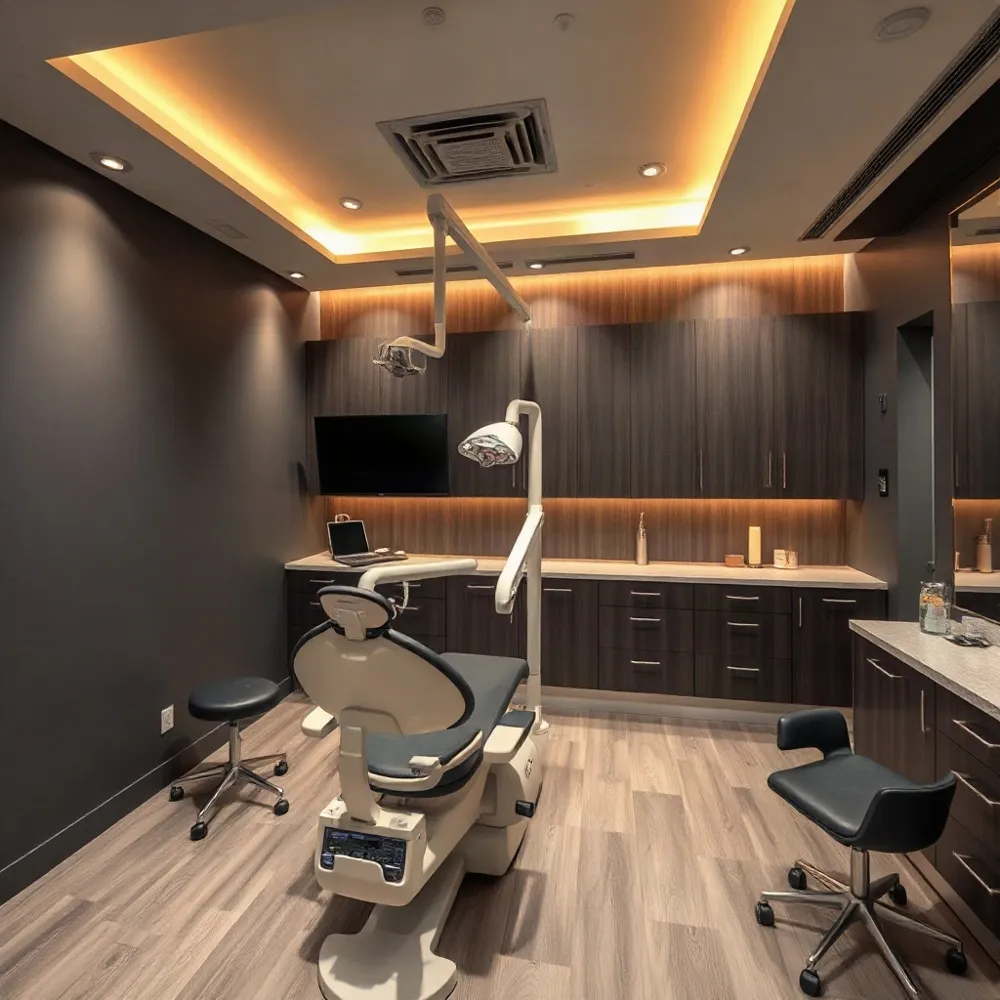
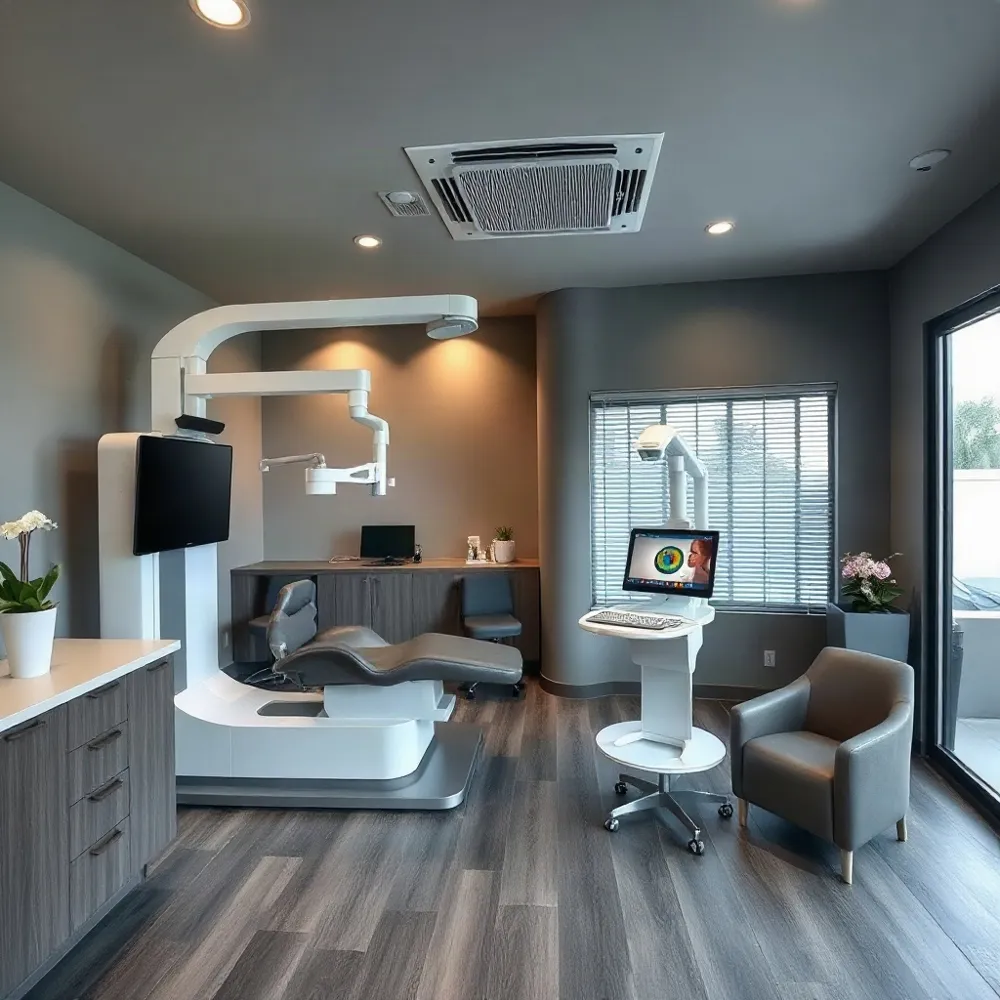
Smile Perfector Dental Group offers personalized dental care and digital imaging in Los Angeles, but the available practice information does not confirm sleep-apnea diagnosis or oral-appliance treatment. Ask a medical professional about ongoing sleep concerns and discuss dental options only if they are recommended as part of your care.
Recognizing Sleep Related Breathing Concerns
 Taking a long time to fall asleep, waking repeatedly, or waking without feeling rested can point to disrupted sleep. Daytime tiredness and trouble concentrating may follow, even if you do not remember being awake during the night.
Snoring, gasping, or choking during sleep can occur with obstructive sleep apnea, a condition in which the upper airway becomes partly or fully blocked. Snoring by itself does not confirm apnea, so persistent snoring, breathing concerns, or ongoing daytime sleepiness deserve assessment by a qualified healthcare professional. A sleep study may be needed to diagnose the condition, and dental treatment should not be assumed to be the answer.
The Mayo Clinic’s sleep tips include keeping a regular bedtime and wake time, making the bedroom cool, dark, and quiet, and setting aside time for a calming routine before bed. Limiting late caffeine and alcohol, heavy meals near bedtime, and screen use before sleep may also help support rest.
For Los Angeles residents, a personalized dental evaluation can address oral health questions, but it is distinct from diagnosing a sleep disorder. At Smile Perfector Dental Group, digital imaging and individualized care support dental assessments; discuss suspected sleep-related breathing problems with a medical professional as well.
How Oral Appliances Support Airflow
An oral appliance is a custom-fitted mouthpiece worn during sleep to help keep the airway open in obstructive sleep apnea (OSA), a condition in which the upper airway becomes partly or fully blocked. Whether this type of treatment fits your needs depends on an appropriate medical evaluation, not on snoring alone.
The most common design, a mandibular advancement device, gently holds the lower jaw forward. This also shifts the tongue forward, creating more room for airflow at the back of the throat. A less commonly used tongue-stabilizing device holds the tongue forward instead. The Cleveland Clinic’s overview of oral appliances explains how these designs work and why treatment choice should be guided by a healthcare professional.
A sleep specialist determines whether an appliance is appropriate, often after a sleep study. If it is, a qualified dentist can take impressions or a digital scan, fit a custom device, and adjust it for comfort. This coordinated approach matters because an appliance needs to fit well and may require follow-up to assess how it is working.
A custom appliance may reduce snoring as well as help treat OSA, but snoring can have different causes and does not by itself confirm sleep apnea. The American Academy of Dental Sleep Medicine’s guidance describes oral appliance therapy as a doctor-guided option delivered with ongoing dental care. For Los Angeles patients, Smile Perfector Dental Group’s digital imaging and personalized approach support careful attention to dental fit and comfort, though its available services should be confirmed directly before assuming it provides sleep-apnea appliance therapy.
Choosing Treatment With Your Care Team
 An oral appliance may be an option for some adults with diagnosed obstructive sleep apnea (OSA), especially those with mild to moderate OSA or people who have difficulty using CPAP. A sleep physician should guide that decision based on your diagnosis, symptoms, and health needs. Snoring alone is not enough to determine whether an appliance is appropriate.
CPAP uses a mask and pressurized air to keep the airway open, and it generally reduces apnea more effectively. A custom oral appliance is smaller and may be easier to carry when traveling or use regularly, but it may not control OSA as well, particularly in severe cases. Your care team can weigh these differences for your situation, as Cleveland Clinic explains.
An appliance cannot treat central sleep apnea, and relying on one alone for severe OSA may be dangerous. A sleep study and medical evaluation help establish the diagnosis; a dental assessment is a separate part of deciding whether a device can be fitted safely.
A qualified dental provider checks whether your teeth, gums, bite, and jaw can support an appliance. Custom-made devices are generally preferred to store-bought mouthpieces. The American Academy of Sleep Medicine’s patient guidance describes care as coordinated between a sleep doctor and a dentist trained in sleep apnea treatment.
For Los Angeles patients, Smile Perfector Dental Group offers a fully digital dental workflow and personalized care. Those features support attentive dental care, but do not establish that the practice provides sleep-apnea diagnosis or oral-appliance therapy. Confirm available services with the practice and work with your sleep team on treatment.
Setting Realistic Expectations
How effective are oral appliances for treating sleep apnea? A custom appliance can reduce breathing interruptions and may ease snoring, daytime sleepiness, or trouble concentrating for some people. Results vary: some improve substantially, while others notice little benefit. An appliance helps keep the airway open while it is worn; it is not a guaranteed cure, and it generally controls apnea less effectively than CPAP. A sleep specialist should diagnose obstructive sleep apnea and help decide whether an appliance is suitable. Follow-up testing may be recommended to check its effect, since quieter snoring alone does not show that apnea is controlled. Cleveland Clinic’s overview of oral appliance therapy explains that individual results differ.
What are the advantages and disadvantages of an oral appliance for sleep apnea? It is compact, quiet, portable, and does not need electricity, which can make it convenient for travel and easier for some people to use regularly. Possible drawbacks include jaw, tooth, or gum discomfort, dry mouth, and excess saliva. Longer-term use can also affect the bite or move teeth, so dental follow-up matters.
Getting used to an appliance commonly takes a few weeks. Gradual adjustments and regular dental checks can help track comfort, oral health, and device condition. Smile Perfector Dental Group’s digital imaging and personalized approach support careful dental evaluation, though patients should confirm whether the practice provides sleep-apnea appliance care. Ongoing coordination with a sleep specialist remains important.
Fitting and Following Up
 When a sleep specialist confirms obstructive sleep apnea and decides an oral appliance may be suitable, they can refer you to a qualified dentist for fitting. The sleep specialist and dentist have different roles: diagnosis and treatment decisions are medical, while the dentist checks that the device fits your mouth and can be worn comfortably. The American Academy of Dental Sleep Medicine’s guidance describes this as coordinated care.
For a custom device, the dentist may take a dental impression or digital scan and record how your teeth meet. These details help guide fabrication. At a fitting visit, the dentist checks the appliance’s fit and comfort and explains how to clean and care for it. Gradual adjustments may help balance a secure fit with comfort.
Follow-up visits matter because an appliance can affect the teeth, bite, or jaw over time. Tell the dentist about ongoing soreness, tooth movement, bite changes, looseness, cracks, or a return of symptoms, and bring the device to checkups. A sleep specialist may recommend a follow-up sleep test to assess whether treatment is controlling apnea; the Cleveland Clinic’s fitting and follow-up overview explains that results can guide further adjustments.
There is no single lifespan that applies to every oral appliance. Durability depends on the device and its condition, so ask the treating dentist how often it should be checked and when replacement might be needed. Smile Perfector Dental Group’s provided information highlights digital imaging and personalized dental care, but does not establish that the practice fits or monitors sleep-apnea appliances. Los Angeles patients should confirm services with a qualified sleep-care team.
Discussing Cost and Coverage
How much does a dental appliance for sleep apnea cost, and may insurance cover it? Costs vary with the device and care plan. One background source gives an approximate range of $1,500 to $2,500 for a custom appliance, but that is not a quote from a particular Los Angeles practice. The Cleveland Clinic’s guidance on oral appliances recommends asking about costs and insurance coverage as part of treatment planning.
Coverage may depend on your policy, a confirmed diagnosis, a physician’s referral or prescription, required testing, and plan approval. Before proceeding, ask your insurer and clinicians about benefits, out-of-pocket costs, prior authorization, visits, sleep tests, adjustments, possible side effects, and how long the device is expected to last.
For Los Angeles residents with persistent sleep concerns, start with a qualified healthcare professional and confirm directly with any dental practice which services it provides. Smile Perfector Dental Group offers digital imaging and personalized dental care, but its listed services do not establish that it provides sleep-apnea diagnosis or oral-appliance treatment.
Take the Next Informed Step
Restful sleep begins with understanding what is disrupting it, not choosing a device based on snoring alone. Persistent snoring, gasping, or daytime fatigue deserves discussion with a qualified medical professional, who can assess whether a sleep study or other evaluation is needed.
When an oral appliance is appropriate, care can involve both a sleep clinician and a qualified dentist, with follow-up to check that treatment is working. The American Academy of Dental Sleep Medicine describes this as coordinated care.
Los Angeles residents can contact Smile Perfector Dental Group to ask which dental services are available and whether the practice can support their next step. The team’s digital workflow and personalized approach are part of its broader dental care; confirm directly whether a specific service is offered.