Your Smile After Treatment
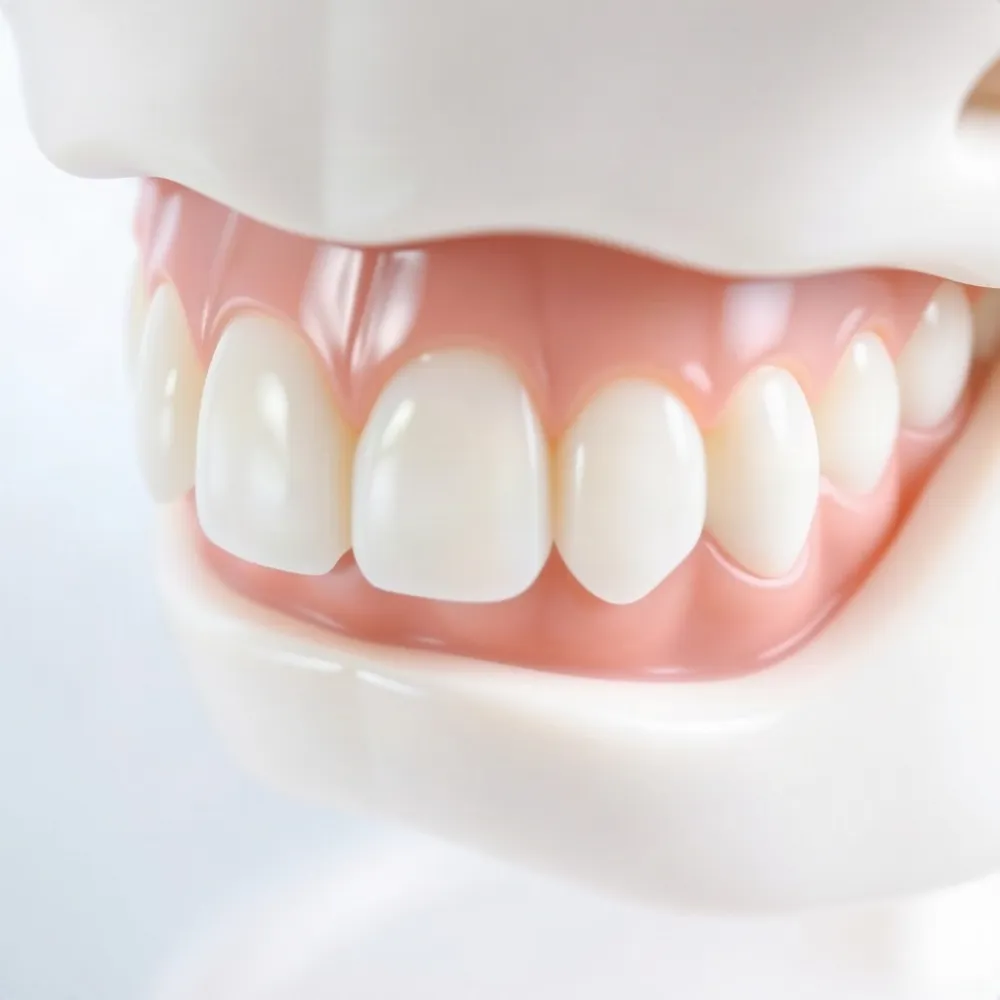
If you’ve just finished braces or clear-aligner treatment in Los Angeles, enjoy the milestone: your new smile is ready to shine. But appliance removal is the start of a new stage of care, not the end of it. Teeth and the tissues that support them continue to adapt, and teeth can shift over time.
A retainer helps hold teeth in their corrected positions, but the right type and wear schedule depend on your treatment and should come from your orthodontist. The American Association of Orthodontists’ retainer guidance explains why prescribed retention and proper care matter for maintaining alignment.
Protecting your result also means brushing and flossing consistently, keeping up with dental visits, and asking for advice if your retainer feels uncomfortable or your bite seems different. At Smile Perfector Dental Group, digital imaging and personalized care can support your broader dental health, including preventive cleanings and attention to the appearance of your smile.
The sections ahead cover practical retainer habits, follow-up care, and ways to address color or shape concerns. With guidance tailored to you, you can care for your smile with comfort and confidence.
When Children Should Have an Evaluation
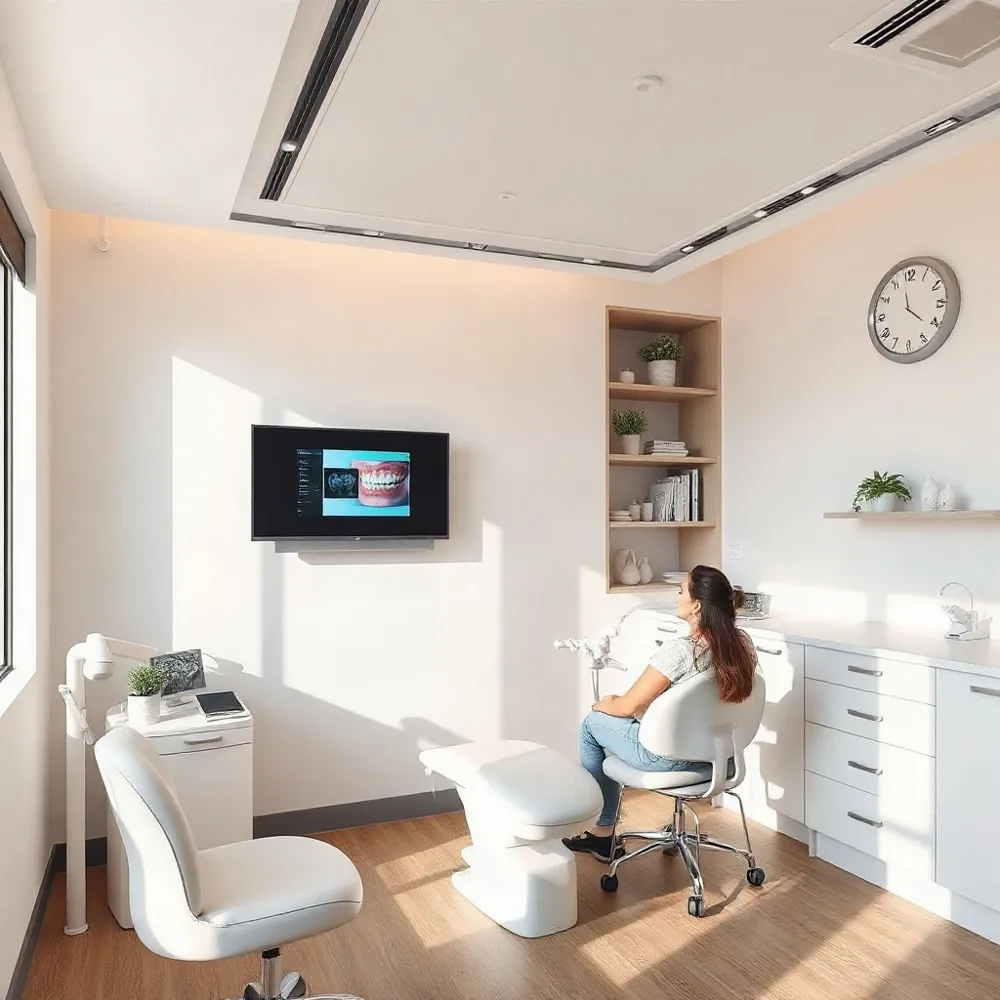 A child’s first orthodontic evaluation is recommended by age seven, when a mix of baby and permanent teeth can give a dental professional a clearer view of developing bite and jaw concerns. The American Association of Orthodontists’ retainer guidance addresses care after treatment, but families should ask an orthodontic provider about the right age and timing for an initial evaluation.
An evaluation is not a promise that treatment will begin immediately. Some children may benefit from early care, while others simply need monitoring until they are older and more permanent teeth have come in. Braces or clear aligners often start later, but the right timing depends on the child’s growth and individual needs.
Consider arranging an assessment sooner if your child has trouble chewing, crowded teeth, persistent mouth breathing, or jaws that shift or click. These signs do not point to one diagnosis on their own, but a professional can assess whether follow-up is appropriate.
For Los Angeles families, a consultation at Smile Perfector Dental Group can help clarify dental needs and discuss a personalized path toward a healthy, confident smile. The practice offers comprehensive family dentistry and digital imaging, while any orthodontic evaluation or treatment plan should be confirmed with a qualified orthodontic provider.
Comfortable Care During Braces
 A steady home-care routine helps protect your teeth and gums while braces are in place. Brush twice a day for two minutes with a soft-bristled toothbrush and fluoride toothpaste. Clean above and below each bracket, as well as along the gumline, where plaque can collect.
Floss once a day to clear food and plaque between teeth. A floss threader or floss designed for braces can guide floss beneath the wire, while a small brush for between teeth can help clean around brackets. The [American Association of Orthodontists’ brushing and flossing guidance](https://aaoinfo.org/whats-trending/life-during-treatment/) also emphasizes daily flossing and regular professional cleanings.
If you cannot brush after a meal, rinse with water to help clear food particles. Make water your usual drink and limit sugary or acidic beverages, which can contribute to enamel damage. Avoid hard, crunchy, and sticky foods that may loosen brackets or bend wires.
Wear any prescribed elastic bands as directed, and keep both your dental checkups and orthodontic appointments. These visits let your care team monitor your teeth and braces; Smile Perfector Dental Group’s advanced imaging and personalized approach can support attentive dental care in Los Angeles.
Contact your orthodontic or dental provider if a bracket or wire becomes loose, or if discomfort continues. Don’t try to bend or repair a brace or wire yourself. Prompt professional advice can help you stay comfortable and keep treatment on track.
The First Days Without Braces
When the brackets come off, your teeth may feel unusually smooth and your smile may look different than you remember. Mild tooth or gum tenderness, along with some sensitivity, can occur for a few days as you adjust. Softer foods and a soft-bristled toothbrush can help keep brushing comfortable.
Your orthodontic provider will explain which retainer you need and when to wear it. Follow that personal schedule rather than relying on a general rule: retainers help hold teeth in their new positions, and the right plan depends on your treatment and teeth. The American Association of Orthodontists’ retainer guidance explains why wear instructions should come from your orthodontist.
Keep up the habits that support a healthy smile: brush twice daily with fluoride toothpaste, floss every day, and continue routine dental checkups. At Smile Perfector Dental Group, preventive cleanings and comprehensive dental care can help Los Angeles patients maintain healthy teeth and gums after orthodontic treatment.
Some initial retainer soreness can happen, but ongoing or worsening discomfort should not be ignored. Contact your orthodontist or dentist if pain persists or the retainer feels loose, painful, or as though it no longer fits properly. The Cleveland Clinic’s retainer guidance recommends professional advice for discomfort or fit concerns.
Why Alignment Can Change
Teeth are held in place by living bone and soft tissues, which adapt as teeth move during orthodontic treatment. After braces or aligners come off, those tissues need time to settle into the new positions. Everyday forces from biting and chewing continue to act on teeth, so some movement can happen even after successful treatment.
Movement may be more likely while the supporting tissues are adjusting, but alignment can change later in life too. The American Association of Orthodontists explains that teeth and the body continue to change over time, which is why a retainer can remain part of long-term care. Retainers help hold teeth in place, but they cannot make them immune to change.
Consistent wear matters: skipping the schedule, or wearing a retainer that is damaged or no longer fits properly, can reduce the support it provides. At Smile Perfector Dental Group in Los Angeles, digital imaging and personalized care help the dental team assess your oral health and discuss appropriate next steps. Your retainer instructions should come from the professional overseeing your orthodontic care.
A retainer that suddenly feels tight or will not seat fully may signal that teeth have moved, though fit alone does not confirm the cause. Do not force it into place, since that could cause discomfort or damage. Contact your dentist or orthodontist for guidance, especially if you notice a change in your bite or tooth position.
A Retainer Routine That Lasts
How can you prevent your teeth from shifting after orthodontic treatment? Wear your retainer exactly as your orthodontist recommends. Teeth can move over time, so retention may be a long-term part of caring for your smile. The American Association of Orthodontists’ retainer guidance explains that the right schedule depends on the individual and stage of treatment.
Retainers may be fixed wires bonded behind the teeth or removable appliances, such as clear trays and Hawley styles. Your orthodontist selects the option and explains how to wear and care for it. At Smile Perfector Dental Group, personalized dental care and digital imaging can support conversations about your smile’s ongoing health, while your orthodontist provides retainer-specific instructions.
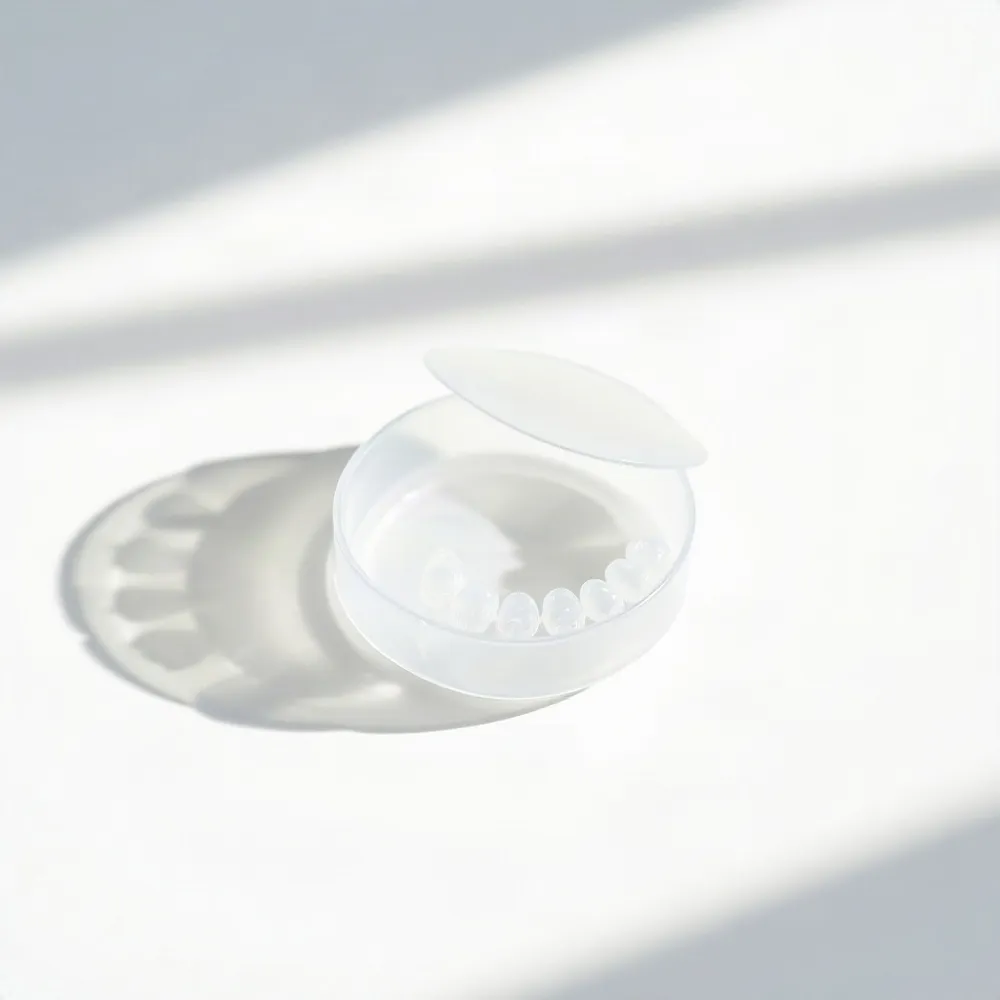
For a removable retainer, clean it gently each day with a soft toothbrush and water, or use a cleaner approved by your provider. Avoid hot water, which can damage the appliance. When it is not in your mouth, keep it in its protective case rather than loose in a bag or wrapped in a napkin.
A fixed retainer needs careful brushing and flossing around its wire, where plaque can collect. Regular dental visits help monitor the wire and the health of your teeth and gums. Smile Perfector Dental Group’s preventive care and digital workflow can help Los Angeles patients keep routine oral health concerns in view alongside their orthodontic follow-up.
Attend follow-up checks so your provider can assess your retainer’s fit and condition, as well as any changes in alignment. Contact the provider promptly if the retainer is damaged, feels unusually tight, or no longer fits. Do not force it into place. Early guidance can help protect your comfort and make it easier to address a concern.
Responding to Shifting Early
A retainer that suddenly feels tight, a new gap, or a bite that seems different can be a sign that your teeth have moved. Addressing these changes early can help you preserve the confident smile you've worked to achieve. The amount of change matters: a dental or orthodontic professional can examine your bite and retainer to determine whether an adjustment or replacement may be appropriate. The American Association of Orthodontists’ retainer guidance recommends consulting an orthodontist if a retainer is damaged or no longer fits snugly.
Can a retainer or further orthodontic treatment correct teeth that have shifted? Depending on the movement, an adjusted or replacement retainer may help hold teeth in place. More noticeable changes may call for clear aligners or another orthodontic approach, chosen after an assessment. A retainer is not a substitute for treatment designed to move teeth, so follow your clinician’s advice rather than expecting an ill-fitting appliance to correct alignment.
Do not force an old retainer that will not seat comfortably. It could put unwanted pressure on your teeth or gums. At Smile Perfector Dental Group in Los Angeles, our digital imaging and personalized care can support an evaluation of your smile and bite, with a plan based on your needs rather than a one-size-fits-all recommendation — helping you feel confident in your smile.
Addressing a change early can clarify your options before the concern becomes more involved. If treatment is recommended, wear your retainer afterward exactly as directed by your clinician. At Smile Perfector Dental Group, preventive cleanings and comprehensive dental care can also help keep your teeth and gums healthy, supporting your confident smile.
Addressing Color Changes After Braces
Discoloration after braces can have more than one cause. Some marks are surface stains, while chalky white spots may reflect mineral loss in the enamel where plaque collected around brackets. An examination can help identify what you’re seeing rather than treating every change as a stain. The American Association of Orthodontists’ guidance on white marks explains how plaque and missed cleaning can contribute to these changes.
To help prevent discoloration, brush carefully at least twice a day with fluoride toothpaste and clean between your teeth daily with floss or another tool recommended for your needs. Choose water often and limit frequent sugary or acidic drinks. Regular dental cleanings can also help remove buildup and let your dentist check your enamel and gums. At Smile Perfector Dental Group, preventive cleanings and personalized care can help Los Angeles patients address concerns in the context of their overall oral health.
If color changes remain after braces come off, a professional cleaning and polishing may improve some surface stains. Whitening may be an option for certain types of discoloration, but a dentist should first assess enamel and gum health and identify the cause. White spots may need a different approach, and whitening is not guaranteed to remove them. Fillings and bonding also do not whiten like natural enamel, so discuss treatment choices before starting strong whitening products on your own.
Choosing Cosmetic Next Steps
 If you’re unhappy with your smile after braces, first pinpoint what you would like to change. Discoloration, a small chip, a gap, or an uneven edge can each call for a different approach. A dental evaluation is a good place to start, rather than choosing a treatment based on appearance alone.
Your dentist can assess your teeth, gums, and bite, then talk through options that fit your oral health and goals. Professional whitening may help with some color concerns, while bonding or veneers may address certain chips or uneven edges. If teeth need to move, clear aligners may be considered. The right option depends on the concern and the amount of change you want.
Not every concern requires extensive treatment. At Smile Perfector Dental Group in Los Angeles, digital imaging and an artist-focused approach to smile design can help inform a personalized discussion of natural-looking options, including veneers and clear aligners. The aim is to understand your priorities and explain appropriate choices, not to assume that every patient needs a major procedure.
While you consider next steps, keep wearing your retainer as directed. Retainers help hold teeth in their corrected positions, and your orthodontic provider can advise you on the right schedule and any fit concerns (American Association of Orthodontists retainer guidance). Continue routine dental checkups as well, so your oral health remains part of the plan. A thoughtful evaluation can help you choose a comfortable next step that reflects your own idea of a confident smile.
Keep Confidence In Your Care
A confident smile is supported by simple habits practiced over time. Wear your retainer as directed, brush with fluoride toothpaste, floss daily, and keep up with professional dental visits. Your retainer schedule should reflect your treatment and needs, as the American Association of Orthodontists explains.
If a retainer feels uncomfortable, no longer fits, or your bite or alignment seems different, contact your dental or orthodontic professional rather than trying to force a change yourself. Early guidance can help you understand what is happening and what options may suit your situation.
For Los Angeles residents, maintaining a new smile can be a manageable part of ongoing care. At Smile Perfector Dental Group, digital imaging and personalized planning support attention to both oral health and the appearance of your smile. Bring your questions, whether they involve daily care or cosmetic concerns, and discuss next steps with a trusted dental professional. Individual recommendations can help you care for your smile without promising a particular result.