When Jaw Pain Interrupts Daily Life
Jaw discomfort can make a meal, a conversation, or a full night’s sleep harder than it should be. If you’re in Los Angeles and dealing with headaches, tenderness, or trouble chewing, the symptoms may have several possible causes. TMJ disorders affect the jaw joints and the muscles that move them, but facial or jaw pain is not always caused by a TMJ problem.
An oral appliance may help manage some symptoms, especially when clenching or grinding is involved, but it is not a guaranteed cure or the right choice for everyone. The National Institute of Dental and Craniofacial Research notes that evidence for appliances relieving TMD pain is limited, so treatment should be guided by an assessment rather than a one-size-fits-all recommendation. NIDCR guidance on TMD also advises against devices intended to permanently change the bite.
A dental professional can discuss what may be contributing to your discomfort, whether an appliance is appropriate, and what other care might help. At Smile Perfector Dental Group, a fully digital workflow and personalized care support a careful look at your oral health and concerns. Ask about expected benefits, limitations, wearing instructions, and follow-up so you can make an informed plan.
Understanding TMJ and TMD
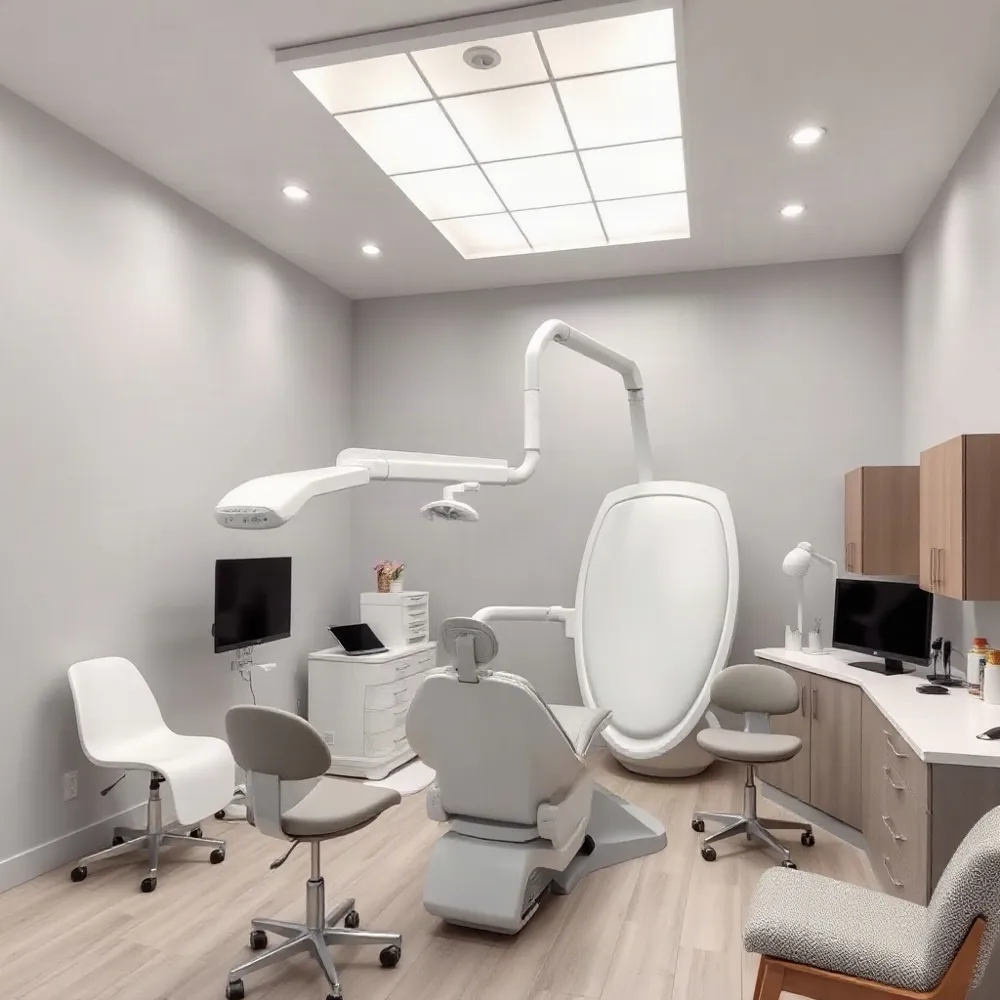 The temporomandibular joints (TMJs) sit just in front of your ears, connecting your lower jaw to your skull. They help you chew, speak, and open and close your mouth.
TMJ names the joints themselves. Temporomandibular disorders, or TMD, are a group of conditions affecting the joints, the jaw muscles, or both. Causes can vary, so a symptom or sound alone cannot confirm TMD. Mayo Clinic’s overview of TMJ disorders describes possible contributors such as clenching, injury, arthritis, and muscle tension.
Symptoms may include jaw tenderness or stiffness, aching near the ear or temple, headaches, pain while chewing, or difficulty opening the mouth fully. Some people notice clicking, popping, or grinding sounds, and in some cases the jaw may lock. These signs can overlap with other conditions, so an assessment considers the pattern of symptoms and jaw movement, not just one complaint.
A painless click by itself does not necessarily need treatment. Painful clicking, persistent discomfort, limited movement, or trouble eating are good reasons to speak with a dental or healthcare professional. The National Institute of Dental and Craniofacial Research guidance on TMD notes that painless joint sounds are common and that jaw or facial pain may have causes other than TMD.
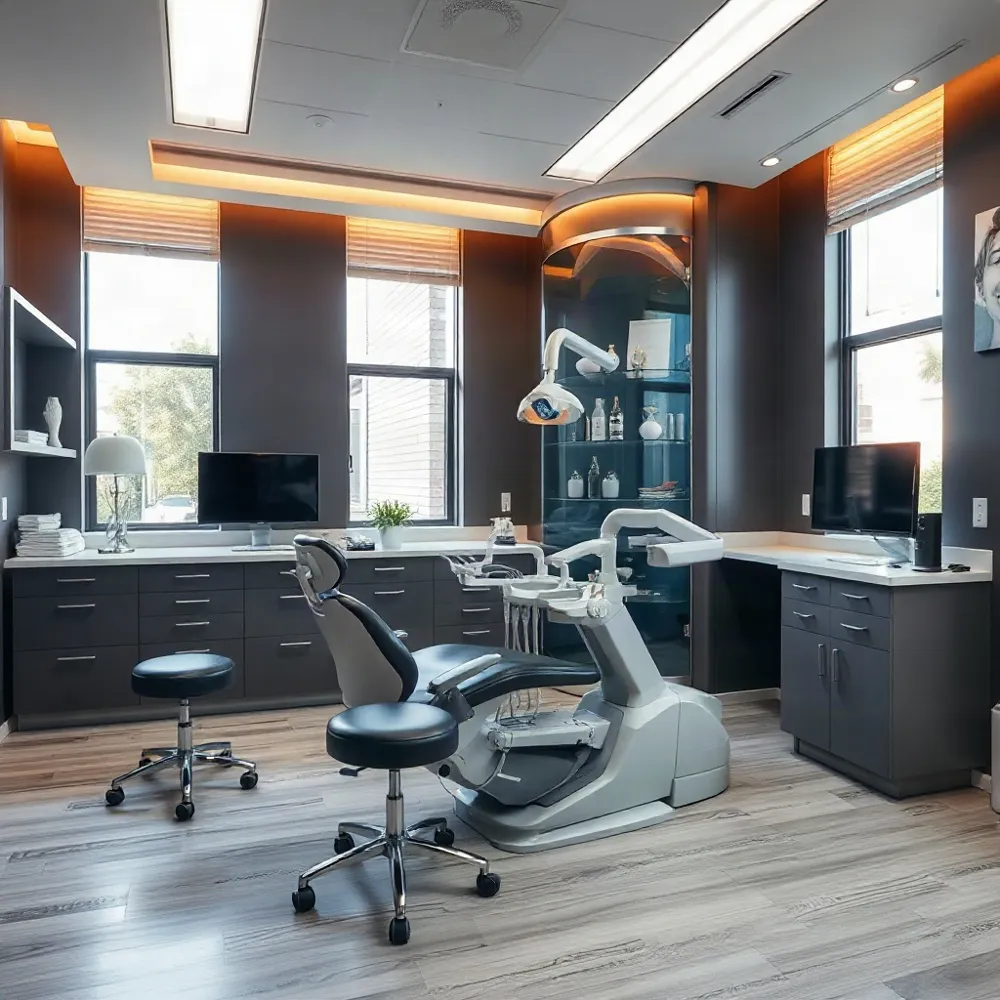
For Los Angeles patients, a careful dental evaluation can help distinguish jaw symptoms from concerns involving teeth or other parts of the face. At Smile Perfector Dental Group, Dr. David Shouhed’s practice combines digital imaging with personalized dental care, allowing the clinician to consider oral health alongside a patient’s reported symptoms.
Choosing Among Appliance Types
Oral appliances are not interchangeable, and the right choice depends on your symptoms, teeth, jaw movement, and treatment goals. A dental assessment can help identify whether a device is appropriate, rather than assuming that every kind of jaw discomfort calls for a splint.
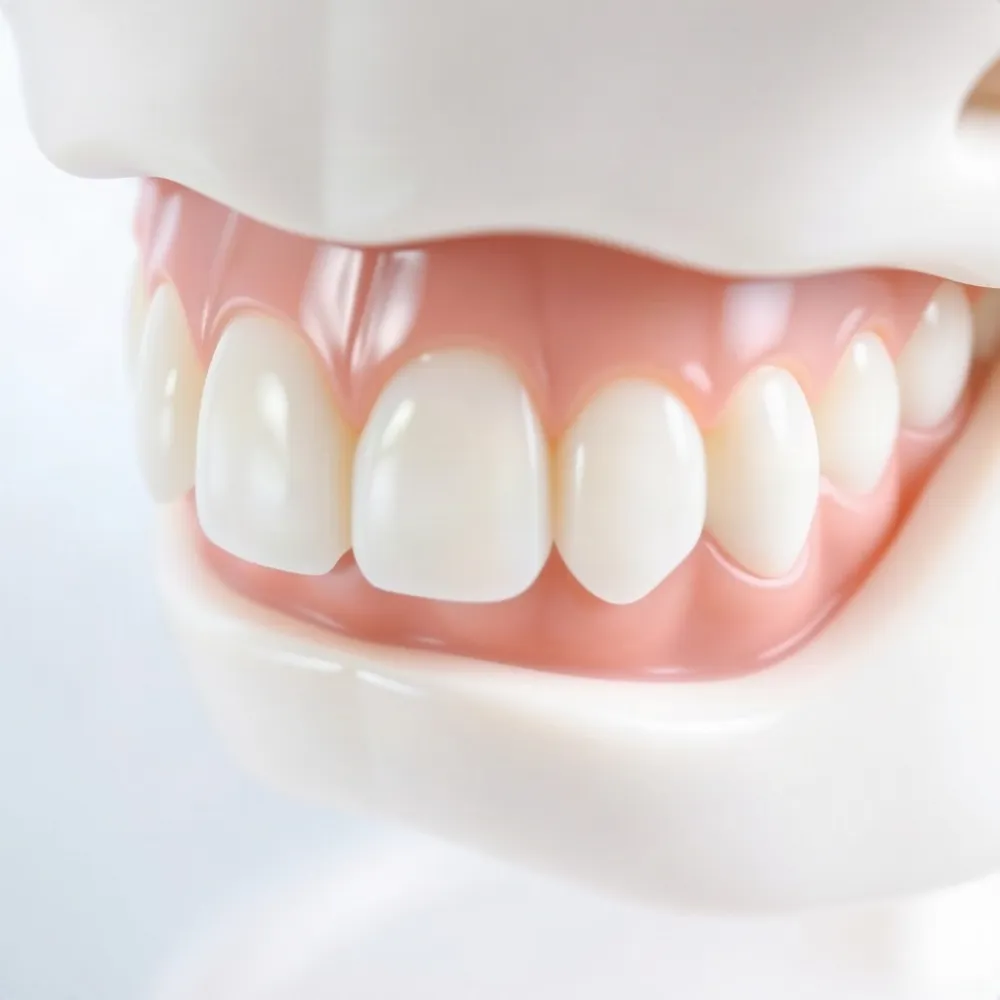
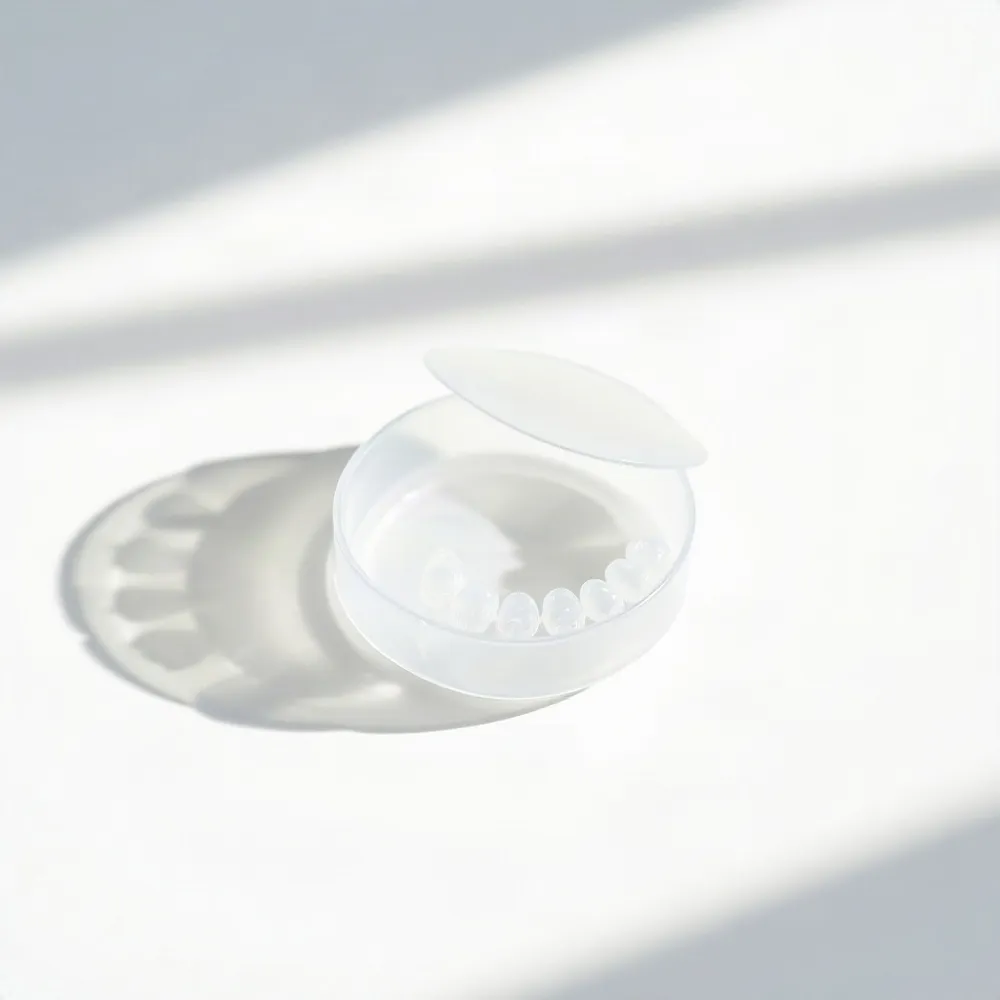
A stabilization, or flat-plane, splint is removable and covers the upper or lower teeth. Its broad surface is designed to spread bite pressure. Recommendations vary by patient, and evidence that these appliances relieve TMD pain is limited, so a splint should be presented as one possible option, not a guaranteed fix. The National Institute of Dental and Craniofacial Research guidance on TMD advises that an appliance should not be designed to permanently change the bite.
A night guard may be considered when clenching or grinding during sleep is a concern, especially to protect teeth from wear. But protecting teeth does not necessarily correct jaw position or address every cause of pain. At Smile Perfector Dental Group, a fully digital workflow and advanced imaging support a careful review of oral health as part of personalized dental care.
A repositioning splint is intended to guide the lower jaw into a different position. Because it can affect how the teeth meet, it requires careful professional selection and monitoring. Ask whether the goal is symptom relief or a lasting change in your bite, and what the risks and alternatives are.
A mandibular advancement device is different from a routine TMJ appliance. A clinician may prescribe one for certain sleep-related breathing problems, but it is not a one-size-fits-all treatment for jaw pain. Before agreeing to any device, ask what it is meant to do, how long to wear it, and what follow-up is planned. If pain increases or your bite changes, stop using it and contact your dentist. Smile Perfector Dental Group’s personalized approach can help patients discuss dental concerns in the context of their overall oral health.
Weighing Relief Against Limitations
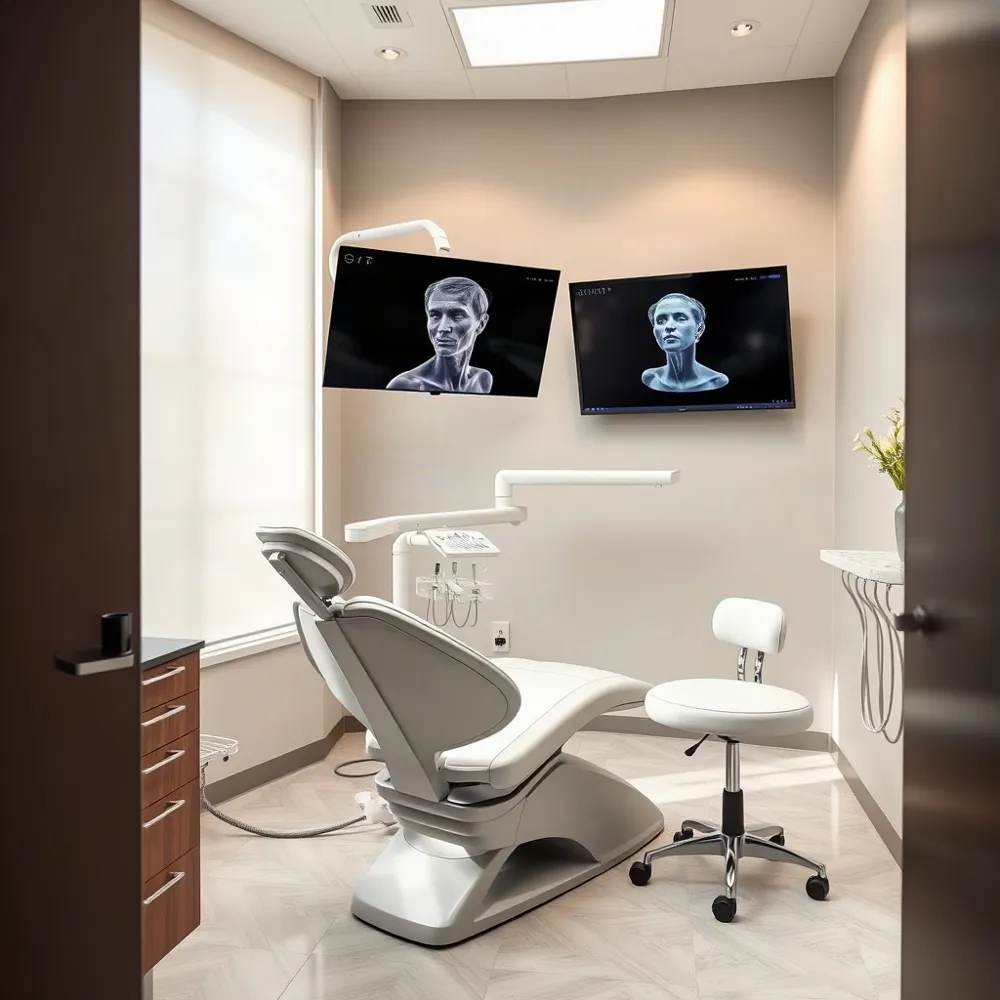 An oral appliance may help some people with jaw pain, particularly when clenching or grinding contributes to muscle strain. But relief is not guaranteed, and a device may not address every source of discomfort. The National Institute of Dental and Craniofacial Research’s TMD guidance says evidence that these appliances improve TMD pain is limited.
A splint is one possible part of care, not a cure or proof that your bite is faulty. NIDCR advises against devices designed to permanently change the teeth or bite. Depending on your symptoms, a broader plan may include self-care, habit changes, or physical therapy. At Smile Perfector Dental Group, a full-service practice in Los Angeles, care includes reviewing oral health as part of a personalized assessment rather than assuming one device fits every concern.
A new appliance can feel unfamiliar. Some people notice soreness in their teeth or jaw, extra saliva, dry mouth, or a change in how their teeth meet. Mild adjustment may occur, but worsening pain or a persistent bite change should prompt a call to your dentist and a reassessment of the fit and treatment plan.
Comfort, fit, and follow-up all matter, especially if you are expected to wear an appliance regularly. Smile Perfector Dental Group’s digital imaging and personalized care can support a careful evaluation, but no manufacturing method guarantees relief. Discuss what the device is intended to do, how long to try it, and what alternatives may suit your needs.
How Dentists Assess Appliance Suitability
A careful assessment starts with your experience, not with choosing a device. Your dentist will ask where you feel pain, when it occurs, what seems to trigger it, and whether jaw movement, chewing, or waking up changes it. Your medical and dental history helps put those details in context.
During the exam, the dentist may check how your jaw opens and closes, assess movement and tenderness, and look at your teeth, bite, and signs of wear. Clicking or popping can be part of the picture, but sounds alone do not confirm a disorder. The NIDCR’s TMD guidance notes that there is no single widely accepted test, so diagnosis generally draws on symptoms, history, and examination.
Jaw or facial pain can have several possible causes, including tooth problems and other health conditions. An evaluation can help identify whether another concern needs attention rather than assuming every symptom comes from the jaw joint. Smile Perfector Dental Group’s full-service care includes family and restorative dentistry, which can support a broader review of oral health alongside a personalized discussion of jaw symptoms.
Sleep concerns also deserve context. Snoring or daytime sleepiness may prompt appropriate screening, but neither proves that someone has sleep apnea or explains their jaw pain. Appliances designed to move the lower jaw forward are generally considered for sleep-related breathing problems, not as a universal TMJ solution.
If an appliance seems appropriate, ask what it is intended to do and what drawbacks to watch for. A nightguard may protect teeth from grinding, while a splint may be considered for jaw symptoms; the choice depends on the clinical findings. Your dentist should explain the plan, ensure the device fits your needs, and check comfort and bite over time. At Smile Perfector Dental Group, its digital imaging and personalized care approach can inform dental assessment, but suitability and follow-up should be discussed directly with the treating dentist.
Wearing and Monitoring a Splint
A splint may be prescribed for nighttime wear, daytime wear, or specific periods during the day. The schedule depends on the appliance and the goal of treatment, so follow your dentist’s instructions rather than extending use or changing the schedule on your own.
Ask how long the splint is intended to be used and what changes, if any, it is meant to make to your bite or jaw. The National Institute of Dental and Craniofacial Research guidance on TMD advises that an oral appliance should not permanently change the teeth or bite.
Keep follow-up appointments so your dentist can review your symptoms, check the fit, and adjust the appliance if needed. At Smile Perfector Dental Group, care includes a digital workflow and imaging, which can support a careful assessment of your teeth and jaw as part of an individualized plan.
A splint should not cause worsening pain or a lasting change in how your teeth fit together. Watch for increased jaw or tooth pain, a new bite change, or more clenching and grinding. If symptoms worsen or your bite changes, stop wearing the splint and contact the provider who made it, as advised by the NIDCR.
Do not reshape or adjust the device yourself. A comfortable fit and clear instructions can help you use it with confidence; if it feels uncomfortable or seems to affect your bite, ask your dentist to reassess it before wearing it again.
Considering Other Care and Costs
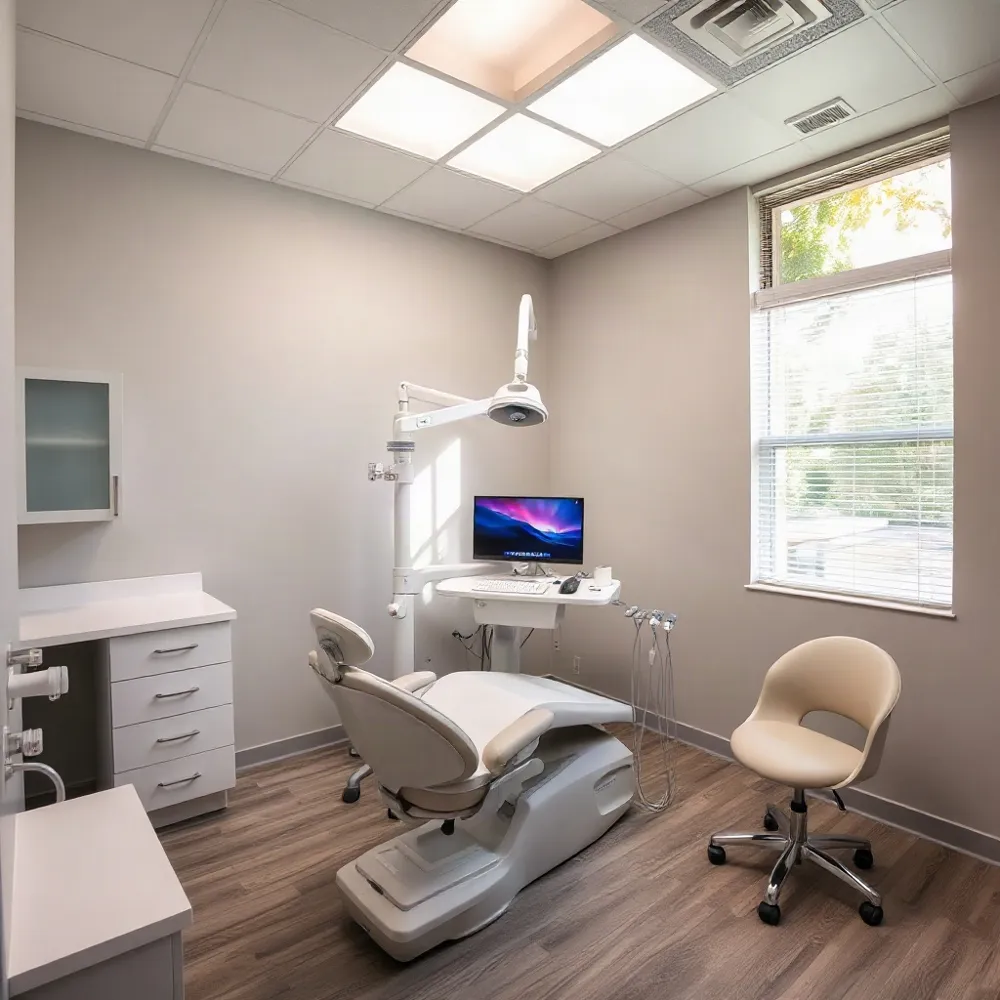 An appliance is only one possible part of care for jaw pain. Depending on what is contributing to your symptoms, simpler steps may be worth discussing first. The NIDCR’s TMD guidance recommends conservative approaches, since many jaw joint and muscle problems improve over time.
You might try softer foods for a while, avoid gum and extreme jaw movements, and use a warm or cold compress. Gentle jaw exercises or physical therapy may help with movement and muscle tension. Stress-management approaches can also be useful if clenching or grinding is part of the picture. A healthcare professional may discuss medication based on your needs, but the right choice depends on your health and symptoms.
At Smile Perfector Dental Group, a full-service dental practice in Los Angeles, evaluation can take oral health and jaw concerns into account rather than treating an appliance as the only option. A personalized discussion can help clarify whether a device or another approach fits your situation.
The total cost of an appliance can depend on its design, the degree of customization, and the evaluation and fitting involved. Follow-up visits or adjustments may add to the expense. The TMJ Association advises patients to ask about costs and coverage before committing to a splint, since insurance benefits vary.
Before agreeing to treatment, check your plan and ask about deductibles, visit fees, adjustment costs, and any contract or payment terms. If pain persists or your jaw becomes difficult to open or close, seek professional evaluation. Discussing your symptoms and goals with a dentist can help you weigh a personalized plan, including options beyond an appliance.
For general guidance on symptoms that warrant attention, see Mayo Clinic’s information on TMJ disorders.
A Personal Plan for Jaw Comfort
An oral appliance may help some people, but it cannot guarantee pain relief or replace a careful evaluation. Before agreeing to treatment, ask what the device is intended to do, what alternatives may fit your situation, what costs and follow-up visits to expect, and what to do if symptoms worsen.
For Los Angeles residents, choosing a dental professional who takes time to understand your symptoms and goals can make those conversations more useful. Smile Perfector Dental Group’s fully digital imaging and personalized approach to care provide a broader setting for discussing oral health concerns, though appliance suitability should be assessed individually.
Stay in touch with your provider as your needs change. Informed choices and open communication can help you pursue care that feels comfortable, practical, and suited to you.