A Smile Plan Made for You
If you’re in Los Angeles and considering porcelain veneers, it helps to know what the process involves before deciding. Veneers are custom shells bonded to the front of teeth to change their visible shape or color. A dentist first checks your teeth and gums, since concerns such as cavities or gum disease may need attention before cosmetic treatment. The Cleveland Clinic’s guide to dental veneers explains the general steps and considerations.
Treatment is planned around both your oral health and the smile you want. At Smile Perfector Dental Group, a fully digital workflow and an artist-focused approach to smile design support personalized planning. Your dentist can discuss whether veneers suit your goals, what preparation may involve, and how the final shape and shade can complement your smile.
Porcelain veneers are made to fit your teeth, so treatment commonly includes planning, preparation, a fabrication period, and a placement visit. The schedule varies, and traditional veneers usually require removing some enamel, making the decision a lasting one. Ask about recovery, daily care, cost, and alternatives, too. General timelines and outcomes are not guarantees; your dentist can explain what to expect in your case.
What Veneers Can Change
Porcelain veneers are thin, custom-made, tooth-colored shells bonded to the front surfaces of teeth. They can cover chips, cracks, stubborn stains, small gaps, and teeth that appear small, uneven, or misshapen, helping create a more balanced, natural-looking smile. Cleveland Clinic’s overview of dental veneers explains how they are made and what they can address.
The result depends on the shape and shade chosen for your teeth, not on a one-size-fits-all template. At Smile Perfector Dental Group, an artist-focused approach to smile design and a fully digital workflow support planning around your features and preferences. You and your dentist can discuss the look you want and whether veneers suit your goals.
Veneers are cosmetic restorations, so they improve appearance but do not necessarily strengthen or repair a tooth. They are a good option when your main goal is a more confident, natural-looking smile, and they work best on teeth that are otherwise healthy. Your dentist can help you decide whether veneers are the right choice for your smile.
Checking Whether Veneers Fit
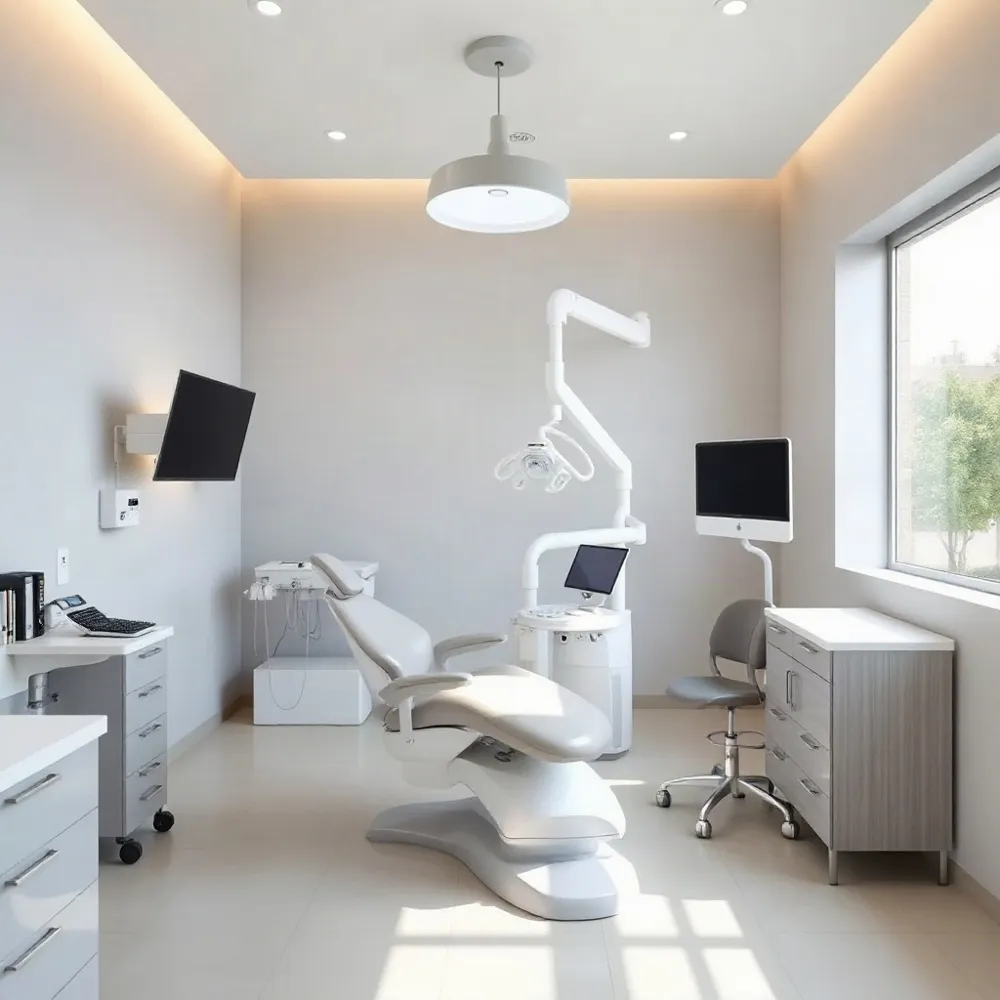 Whether veneers suit you depends on your oral health, the changes you want, and the condition of your teeth. A dentist should examine your teeth and gums before recommending cosmetic treatment. Cleveland Clinic’s guidance on dental veneers notes that extensive cavities or gum disease should be treated first.
Veneers are generally considered for people seeking cosmetic changes, such as masking stubborn discoloration, small chips, uneven tooth shapes, or minor gaps. They cover the front of a tooth, but do not necessarily strengthen or repair it. At Smile Perfector Dental Group, a personalized evaluation can take your smile goals and overall oral health into account before treatment is planned.
The dentist also considers how much healthy enamel is available. Traditional porcelain veneers require removing some enamel to help them bond securely, so the decision deserves careful discussion. Veneers may disguise slight alignment concerns, but more significant crowding or bite problems may call for clear aligners or another treatment instead.
Tell your dentist if you grind or clench your teeth, since those habits can put extra stress on restorations. You can also ask whether no-prep or minimal-prep veneers are an option. Despite their names, these approaches may still involve some enamel removal and are not right for everyone. The best recommendation depends on an examination and a clear conversation about your priorities and alternatives.
From Planning to Final Placement
 Porcelain veneer treatment is planned around your teeth and the smile you want, rather than following a single template. At the consultation, the dentist examines your teeth and gums, discusses your goals, and considers the shape and shade that may suit you. Smile Perfector Dental Group describes its approach as combining digital imaging with personalized smile design, helping patients discuss the look they want before treatment begins.
If veneers are appropriate, traditional porcelain preparation involves removing a small amount of enamel from the selected teeth. The dentist then records the prepared teeth with impressions or scans so a dental laboratory can make custom veneers. Because enamel removal is generally permanent, it is worth asking what preparation your plan involves and what alternatives may suit you. The Cleveland Clinic’s guide to dental veneers explains the preparation and bonding process.
Laboratory fabrication can take a few weeks. Temporary veneers may be placed during the wait, if needed. The overall process often involves two or three visits over roughly two to four weeks, but the schedule varies with the number of teeth being treated and whether other care is needed first.
At the placement visit, the dentist checks each veneer’s shape, color, and fit before bonding it with dental cement. The bite is checked afterward, and adjustments can be made if needed. Smile Perfector Dental Group’s artist-focused approach to smile design supports a personalized discussion of appearance, alongside the practical checks needed for fit and function.
Speak up during the fitting if you would like a change in shape or color, or if your bite feels uneven. The dentist can discuss adjustments and coordinate with the laboratory before finalizing the result. This is the time to share your feedback, so the finished veneers feel considered as well as natural-looking.
Comfort and Early Adjustment
Is getting porcelain veneers painful, and what is recovery like? The experience varies, so talk with your dental team about comfort measures for your treatment rather than expecting a guaranteed pain-free procedure.
After placement, you may notice mild sensitivity to hot or cold, or some gum or jaw soreness. These effects often ease within a few days, though sensitivity can last longer. Cleveland Clinic’s guidance on dental veneers notes that patients can generally return to normal activities the same day.
You can eat and drink once any anesthesia has worn off. If your mouth feels tender, softer foods and gentle brushing may make the first part of the adjustment more comfortable. Follow the care instructions your dentist gives you.
Your bite or speech may feel slightly different as your mouth gets used to the veneers. There is no single adjustment timeline, and a concern that does not settle deserves attention. Smile Perfector Dental Group’s personalized care and digital workflow support careful planning around each patient’s smile and comfort.
Contact your dentist if discomfort is severe or persistent, or if a veneer feels loose or simply does not feel right. Prompt guidance can help determine whether an adjustment or further evaluation is needed.
A Long-Term Commitment
Are porcelain veneers permanent, and how long do they last? Veneers can serve you for many years, but they are not permanent for life. Traditional placement removes some natural enamel to make room for the veneers and help them bond. Because enamel does not grow back, this treatment is generally irreversible, even though a veneer may eventually be replaced. Cleveland Clinic’s overview of dental veneers explains this trade-off.
With proper care, porcelain veneers last an average of about 10 to 15 years, though individual results vary. Daily brushing and flossing, routine dental visits, and prompt attention to changes can help protect both the veneers and the natural teeth beneath them.
Grinding, chewing hard objects, or using teeth as tools can place extra stress on veneers and may shorten their service life. If you grind your teeth or have concerns about how your habits might affect veneers, talk with your dentist about options to help protect them.
Daily Care and Eating Habits
Veneers cover the front of teeth, but the natural tooth underneath can still develop decay. Daily hygiene and routine dental visits remain important for protecting both your smile and your oral health, as Cleveland Clinic explains.
Brush at least twice a day with a soft-bristled toothbrush and nonabrasive fluoride toothpaste, and floss daily. Regular exams and cleanings let your dentist check the veneers and the teeth beneath them. At Smile Perfector Dental Group, veneer care fits into a full-service approach that includes preventive dentistry as well as cosmetic treatment.
You can enjoy most foods, but avoid biting directly into ice, hard candy, nutshells, and other very hard or crunchy items. Cut tougher foods into smaller pieces and chew with your back teeth. Keep teeth away from packages and other tasks, too, since using them as tools can damage a veneer.
Porcelain resists stains, but berries, red wine, coffee, and tea may affect its appearance over time. Rinsing with water after these foods and drinks is a simple way to clear residue. Avoid whitening products on veneers, which can scratch their surface; ask your dentist about options if you want to brighten your smile.
If you grind or clench your teeth, ask your dentist whether a night guard could help protect your veneers. Contact your dentist promptly if a veneer feels unusual, becomes loose, or falls off.
Understanding the Investment
 How much do porcelain veneers cost? The supplied reference range is $2,200–$3,200 per tooth, but it is not a confirmed quote from Smile Perfector Dental Group, and fees in Los Angeles may differ. Treat it as a general starting point, not a price commitment. The Cleveland Clinic’s veneer guide also notes that veneers are cosmetic and that most insurance plans do not cover them.
Your personalized estimate may depend on how many teeth you plan to treat, the materials selected, and the details of your treatment plan. Smile Perfector Dental Group’s digital imaging and personalized smile-design approach can support planning around your goals, but only an examination and discussion of your needs can establish your proposed care and its cost.
Before deciding, check your benefits directly with your insurer rather than assuming coverage. Ask the dental office for a written estimate, whether it includes related services, and what payment options are available. Clear answers can help you compare plans and consider the full investment without relying on a general online range.
Make an Informed Next Step
Choosing veneers is a series of personal decisions, from whether your teeth and gums are ready to how much enamel preparation may be involved. A consultation should leave room to discuss both the smile you hope to achieve and the trade-offs of treatment. The Cleveland Clinic’s guide to dental veneers explains why an examination and a clear understanding of the process matter before moving ahead.
If you live in Los Angeles, bring questions about candidacy, tooth shape and shade, timing, comfort, daily care, and cost. At Smile Perfector Dental Group, a fully digital workflow and an artist-focused approach to smile design can support a personalized conversation about your goals and options.
There is no need to decide before you understand the benefits and limits. A thoughtful discussion can help you choose veneers, consider another approach, or take time to reflect, with a clearer sense of what fits your priorities.