A More Discreet Path to Straightening
For adults in Los Angeles, the idea of straightening teeth can bring practical questions: Will treatment be noticeable at work? Can it fit around meals and daily routines? Clear aligners offer a discreet, removable option, but whether they are appropriate depends on your teeth, bite, and treatment goals.
Research in selected adults with mild-to-moderate alignment concerns found improvement with both clear aligners and braces. The study did not include every type of orthodontic case, so its findings are context, not a promise for an individual result. An American Association of Orthodontists guide to clear aligner therapy likewise emphasizes professional assessment and consistent wear.
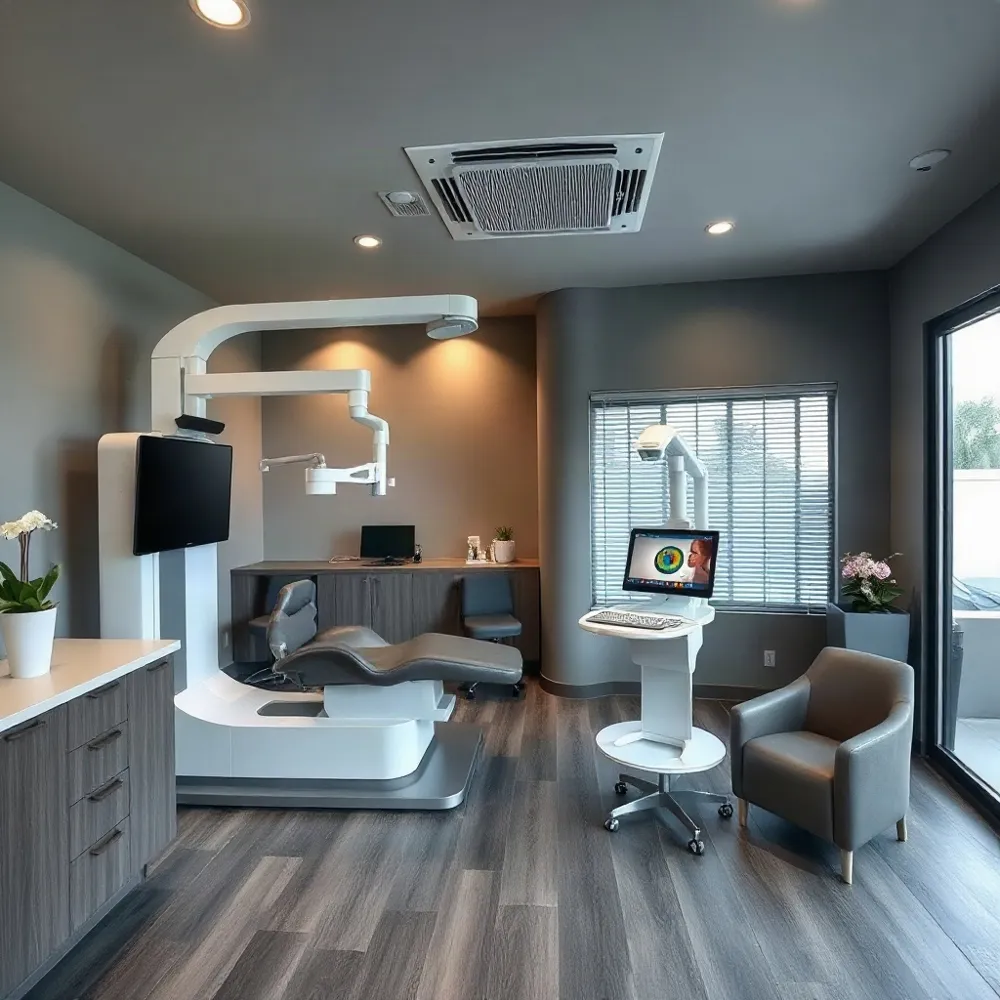
At Smile Perfector Dental Group, a digital workflow and advanced imaging support an individualized assessment, alongside an aesthetic approach to smile design. A conversation about your needs can help establish whether aligners fit your case and lifestyle, or whether another treatment may better support a healthy, confident smile.
How Clear Aligners Move Teeth
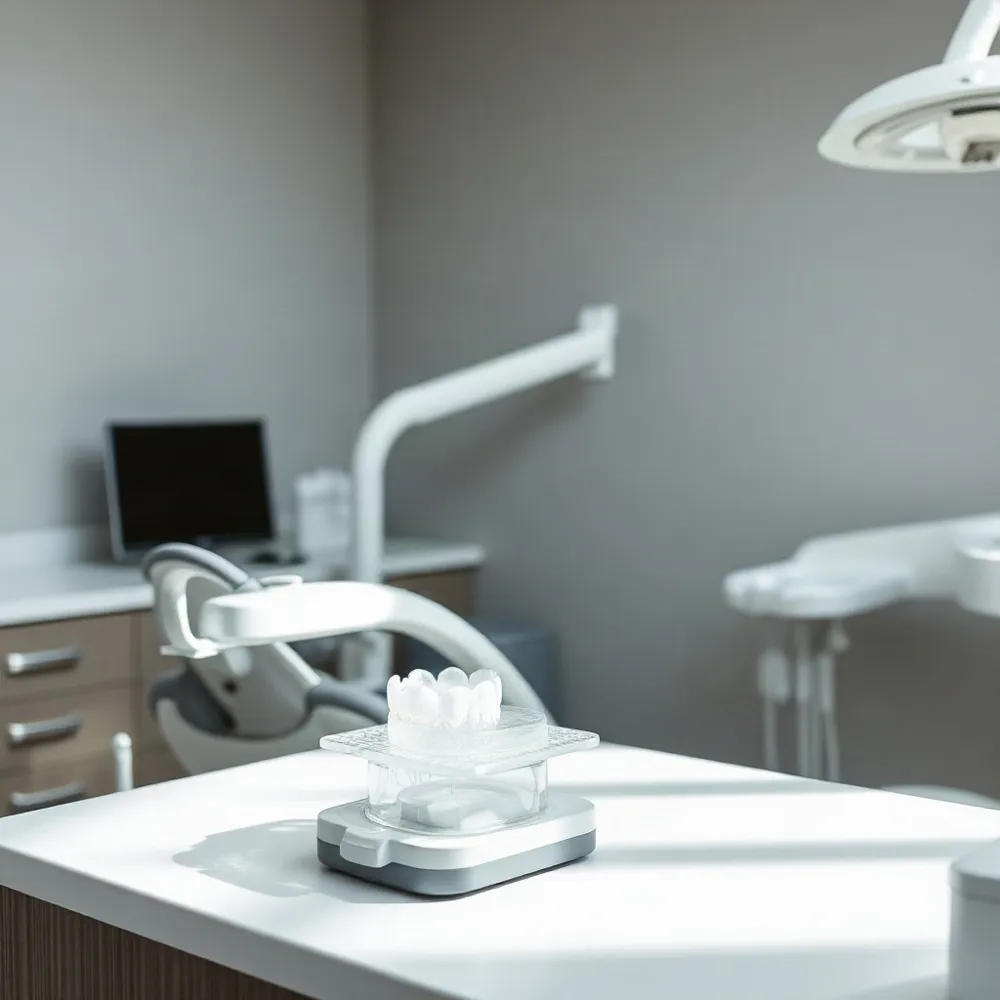 Clear aligners are custom-made, transparent trays that fit over your teeth. Each set applies gentle, planned pressure, guiding teeth through small movements toward a clinician-designed position. The American Association of Orthodontists explains how aligners are planned and supervised, including the use of diagnostic records to map tooth movement.
Treatment usually involves a series of trays. You move to the next set according to your clinician’s instructions, often after wearing each set for about one or two weeks. Because the trays are removable, you take them out for meals, brushing, and flossing, then put them back in as directed.
The goal is not only to change the teeth visible when you smile. A treatment plan considers how teeth fit together as well as their position, so the intended correction can support a balanced bite. At Smile Perfector Dental Group in Los Angeles, digital imaging and a personalized approach to smile design help inform care tailored to each patient’s needs.
An assessment can show whether aligners are appropriate for your teeth, bite, and oral health. Following the prescribed wear and tray-change schedule helps the teeth track toward the planned result.
What Adult Research Shows
 Are clear aligners effective for straightening teeth? Research suggests they can work well for many adults, especially when alignment concerns are mild to moderate. A 2024 comparison followed 100 adults aged 18–50, with 50 treated using Invisalign aligners and 50 using conventional metal braces. The study’s findings offer useful context, not a promise for every patient.
After 12 months, both groups showed improved alignment. The average reduction in the Peer Assessment Rating (PAR) score was 75.3% for aligners and 80.2% for braces, with the difference favoring braces in this study. The researchers also reported an average treatment duration of 14.5 months for aligners and 16.2 months for braces. These are group averages, not personal timelines. The comparative study describes its participants and treatment protocol.
Aligner patients gave higher average satisfaction ratings. Individual results vary, and your dentist can help you understand what aligners may offer for your specific situation.
Choosing the Right Treatment
 Clear aligners are often considered for adults with mild-to-moderate crowding or spacing and selected tooth movements. They may also address some bite concerns, including certain overbites, but suitability depends on the movements needed to correct the bite. The American Association of Orthodontists’ comparison of braces and clear aligners emphasizes that treatment should follow an accurate diagnosis, not a one-size-fits-all choice.
Some severe malocclusions and complex movements can be less predictable with aligners. Braces may offer greater precision for particular cases, but neither appliance is automatically best for every adult. A clinician considers your bite, tooth positions, oral health, goals, and ability to follow the treatment plan before recommending an approach.
For Los Angeles adults, an in-person evaluation can clarify whether aligners fit your needs or whether another option may be more appropriate. At Smile Perfector Dental Group, we offer a personalized consultation to help you understand your options and feel confident in your decision.
Comfort, Appearance, and Daily Convenience
For many adults, clear aligners offer a discreet alternative to fixed braces. Their transparent trays are less noticeable, while their smooth surfaces avoid brackets and wires against the cheeks. Comfort still varies, and a new set can create temporary pressure as teeth adjust. The American Association of Orthodontists’ guidance on clear aligners notes that fit and experience differ from patient to patient.
A 2024 study of 100 selected adults found lower average discomfort and higher satisfaction among aligner patients than among patients with metal braces. These group results offer context, not a prediction for an individual; the study included adults with mild-to-moderate alignment concerns and excluded more complex cases. At Smile Perfector Dental Group in Los Angeles, digital imaging and a personalized approach help the dental team discuss treatment in light of your teeth and goals. The study’s findings should not be treated as a guarantee.
Removable trays make it easier to eat, brush, and floss without working around brackets. That flexibility also calls for a routine: put the aligners back in as directed, and store them safely when they are out. Before reinserting them, brush after meals or drinks, and have only water while wearing them, as the AAO advises. Smile Perfector Dental Group’s full-service care and digital workflow can support a more personalized conversation about fitting aligner care into daily life.
Wear Habits and Treatment Timing
If you're a Los Angeles resident considering clear aligners, it's important to know that they work only while they are in place, so daily wear is part of the treatment plan, not a minor detail. The American Association of Orthodontists advises wearing aligners for 20 to 22 hours a day, or as directed by your treating orthodontist, and removing them for meals and oral hygiene.
In a comparative study of selected adults, aligner patients were instructed to wear their trays for 20 to 22 hours daily and change to a new set every one to two weeks. Follow your clinician’s specific schedule rather than treating the study protocol as a prescription for every patient. Inconsistent wear can slow progress or interfere with the planned movements, as the American Association of Orthodontists’ guidance on clear aligners explains.
The study reported average treatment durations of 14.5 months with aligners and 16.2 months with braces. These figures describe that study’s participants, not a personal forecast, and your clinician will provide a timeline tailored to your specific needs. The comparative study included selected adults with mild-to-moderate alignment concerns.
A mild case may take less time, while complex tooth movements or a slower response can extend treatment. At Smile Perfector Dental Group, modern technology and detailed imaging support an individualized assessment of your teeth and bite. Your clinician can discuss a realistic timeline and adjust guidance as treatment progresses.
Comfort Changes and Oral Care
Some pressure or tenderness is possible when you first begin clear aligner treatment or switch to a new tray. In a comparative study, average discomfort was lower for aligner patients than for brace patients and declined over time, but individual experiences differ. A separate clinical trial recorded pain after aligner insertion, with symptoms easing during follow-up.
That trial also noted some speech changes. It involved only 28 adults with mild crowding and tested two specific in-house aligner thicknesses, so its findings cannot predict every patient’s experience or apply to every aligner system. The small 2025 aligner trial offers a limited snapshot, not a universal expectation.
Removable trays make it easier to brush and floss without working around brackets and wires. Still, food and drinks trapped beneath an aligner can expose teeth and gums to sugars or acids. The American Association of Orthodontists’ aligner guidance advises drinking only water while wearing trays and brushing before putting them back in.
Follow the wear, cleaning, and tray-change instructions from your clinician, and clean your teeth before reinserting aligners after meals. Smile Perfector Dental Group’s digital imaging and personalized care help support treatment planning around each patient’s needs. If discomfort persists, or a tray is damaged or no longer fits properly, contact your dental team rather than adjusting the plan on your own.
Keeping Results After Treatment
Finishing your last clear aligner is a milestone, but teeth can shift after orthodontic treatment. Retainers help hold them in their new positions, whether you had aligners or braces.
Research on long-term stability after clear aligner treatment remains limited. A literature review describes relapse in both aligner and fixed-brace groups, while cautioning that the findings cannot be generalized to everyone. This evidence supports a careful, personalized approach rather than assuming teeth will stay in place without follow-up. [The review of clear aligner evidence](https://pmc.ncbi.nlm.nih.gov/articles/PMC7018497/) discusses these limitations.
Ask your clinician which retainer suits your needs, how often to wear it, and when to return for checkups. Following that plan gives your results ongoing support. At Smile Perfector Dental Group, a personalized approach and digital workflow can help keep care connected as you move from active alignment to maintaining your smile.
Start With an Individual Assessment
Clear aligners can be effective for many adults, but they are not the right fit for every tooth movement or bite concern. Research and professional guidance both stress that treatment choice depends on an individual assessment, not appearance alone. The American Association of Orthodontists recommends evaluating the teeth and jaws before selecting an approach (clear aligner therapy guidance).
For Los Angeles residents considering treatment, bring your goals and questions to a dental professional. Discuss your bite, tooth and gum health, daily routine, and preferences, including whether removable trays fit your work and social life. A personalized evaluation can help clarify which movements are realistic and what care may be needed along the way.
At Smile Perfector Dental Group, treatment planning takes place within a full-service practice that highlights digital imaging, a digital workflow, and an individualized approach to smile design. That practice context can support a careful conversation about your needs, while the assessment itself determines whether clear aligners make sense for you. The goal is a plan grounded in your oral health and priorities, with no assumption that one treatment suits everyone.
A Confident Choice Starts With Care
For adults in Los Angeles, a confident next step starts with understanding what your teeth and bite need, not choosing an appliance based on appearance alone. A personalized evaluation can help determine whether clear aligners or another orthodontic option is a better fit.
At Smile Perfector Dental Group, digital imaging and a personalized approach to smile design can help inform that conversation. Research supports clear aligners for some selected cases, but treatment suitability depends on the movements required and the patient’s oral health, as the American Association of Orthodontists explains.
Ask about the expected plan, practical responsibilities, and how progress will be monitored. Realistic expectations matter: aligners work as prescribed, and retention after active treatment helps protect the result. Following professional guidance from assessment through retention can support a smile that feels both healthy and your own.