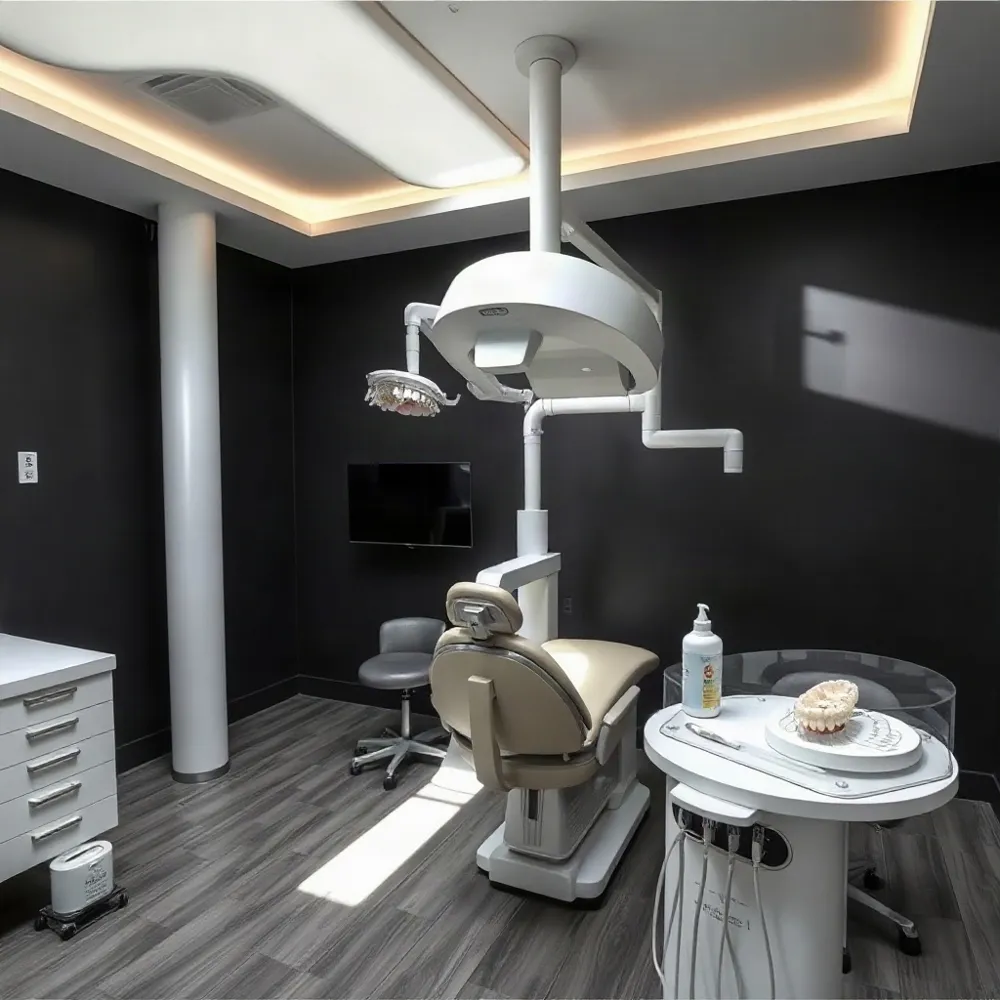
Make Room for Confident Care
A crown can protect a weakened tooth, while an implant can replace a missing one. Both may support comfortable eating and a smile that feels like your own. Yet the cost of restorative care can make it difficult to know when or how to proceed.
For Los Angeles patients, the right plan depends on clinical needs, preferences, and budget. At Smile Perfector Dental Group, a fully digital workflow and state-of-the-art imaging help shape personalized treatment planning. Start by asking your dental team for a clear estimate that explains the recommended care and its expected costs.
From there, you can check insurance benefits, see whether pretax funds in an FSA or HSA may apply, and ask about payment arrangements or outside financing. These options vary, and none is automatically suitable for every patient. The American Dental Association’s guidance on patient financing notes that financing choices may help address affordability concerns. Reviewing the estimate and terms with your care team can help you make a decision that fits your health needs and finances.
Start With a Clear Treatment Estimate
 A crown or implant estimate depends on the treatment plan, materials, clinical complexity, and any related care, such as a root canal or bone graft. Implant treatment may include separate charges for placement, an abutment, and the final restoration, so a single headline price may not tell the whole story.
Smile Perfector Dental Group’s general estimate for a standalone crown is $1,500 to $3,000 per tooth. This is not an individual quote, and the crown portion of an implant restoration may fall in a similar range. A consultation and review of your needs are required to determine your actual costs.
Ask for a dated, itemized estimate that lists each procedure and related service separately. Smile Perfector Dental Group’s digital imaging and personalized treatment planning can help clarify what care is proposed and why. Ask which items are essential, whether any steps can safely happen later, and what your expected share may be after insurance.
If the estimate feels difficult to manage, discuss affordability before postponing recommended care. Ask your dentist how urgent treatment is, what risks may come with waiting, and whether a clinically appropriate alternative exists. The American Dental Association’s guidance on patient financing notes that cost concerns can lead patients to delay or decline treatment. Decisions should account for your oral health, not price alone.
Check What Insurance May Cover

Does dental insurance cover crowns or dental implants?
Dental insurance may contribute toward a crown, which many plans classify as major restorative care, but your share depends on the policy’s benefits and limits. Implant coverage is less predictable. A plan might cover part of the restoration, such as the crown, while limiting or excluding coverage for the implant itself. Even when a service is covered, the plan may not pay the full cost.
Review your plan documents or call the insurer to ask about exclusions, deductibles, coinsurance, waiting periods, annual maximums, network status, and preauthorization. At Smile Perfector Dental Group, digital imaging and personalized treatment planning help define the proposed care, so you can ask about coverage for the specific services in your plan.
How can you find out whether dental insurance will pay for an implant?
Ask your insurer whether implants are covered and what limits apply. You can also ask the dental office to submit the proposed treatment plan and supporting records for a coverage review. Request a written pretreatment estimate or explanation of benefits that identifies your expected share, including related services such as imaging, extraction, or a crown.
Treat that estimate as a planning guide, not a promise of payment. The insurer determines the final benefit when it reviews the claim, and the amount may differ from the estimate. Confirming details before treatment can help you understand your options and plan for any remaining costs.
Compare Ways to Spread the Cost
Once you understand your estimate and insurance benefits, compare ways to manage the remaining balance. Depending on the practice and your circumstances, options may include an in-office payment arrangement, financing through a third party, a personal loan, or a medical credit card. Availability, approval requirements, fees, and repayment terms differ.
Financing can spread payments over time, but it does not necessarily lower the treatment fee. Smile Perfector Dental Group says it provides payment arrangements and clear, itemized quotes. Ask the team which options are available for your treatment, then compare the APR, fees, repayment term, monthly amount, and total repayment before deciding.
Promotional offers deserve a close read. An introductory rate may end after a stated period, and some agreements may apply deferred interest if the balance is not paid by the deadline. Check the exact agreement, payment schedule, and consequences of missing a payment rather than relying on the advertised monthly amount.
What options may help make dental treatment more affordable?
Insurance, a payment arrangement if offered, or third-party financing may help you budget for care. You can also ask whether treatment can be planned in stages or whether clinically suitable alternatives fit your needs and budget. Request a written estimate and confirm expected benefits and out-of-pocket costs with your insurer.
Do dental practices offer payment plans for treatment?
Some practices offer in-office arrangements, while others may work with outside financing providers. Ask whether approval is required and how insurance affects the balance. The American Dental Association notes that cost concerns can lead patients to delay or decline treatment, and recommends discussing financing in a sensitive, nonjudgmental way. The ADA’s guidance on patient financing can help frame questions for your dental team.
Plan for Implant Treatment in Stages
Implant care may include several parts, such as imaging, placement of the implant, an abutment, and the final crown. Full-mouth treatment, including All-on-4, can involve a broader plan. An itemized estimate helps you see the cost of each component and when it is expected.
Financing may spread eligible costs across payments, but it does not lower the treatment fee or guarantee approval. The American Dental Association’s guidance on patient financing distinguishes between arrangements offered by a practice and financing from an outside provider. Rates, fees, repayment periods, and eligibility depend on the specific offer.
At Smile Perfector Dental Group, a fully digital workflow and state-of-the-art imaging support a treatment plan tailored to your clinical needs. Ask which portions of the estimate may qualify for insurance benefits, financing, or payment with HSA or FSA funds. Eligibility rules vary, so confirm account requirements with your plan administrator.
Discuss timing and possible treatment phases with your dentist before making financial decisions. Staging care may help you plan expenses, but the schedule should reflect what is clinically appropriate. In Los Angeles, a personalized review of the estimate can clarify what is planned, what may be timed separately, and what questions to resolve before proceeding.
Understand Credit and Application Terms
Credit requirements vary by lender and payment option, so there is no universal score needed to finance dental care. A higher score may help with approval or terms, but some providers may consider other factors. The American Dental Association’s guidance on patient financing also recognizes that financing needs can differ from patient to patient.
Can you get dental financing with bad credit or without a credit check?
Some options may be available to people with limited or imperfect credit, but approval is never guaranteed. “No credit check” can mean different things. An application might involve a soft check, which differs from a hard inquiry, or assess other information. Ask the financing provider what checks it makes and whether applying could affect your credit score.
What credit score do you need to finance dental treatment?
Each lender sets its own eligibility rules and terms. Before accepting an offer, compare the down payment, APR, fees, monthly payment, repayment schedule, promotional terms, and total amount payable. A low monthly payment can still mean a higher overall cost if repayment takes longer.
At Smile Perfector Dental Group, a personalized treatment estimate can help you understand the care being considered before you explore ways to pay. Ask the financing provider to confirm its current requirements and terms, and discuss your estimate with the Los Angeles team.
Use Pretax Accounts and Other Resources
If you have a Flexible Spending Account (FSA) or Health Savings Account (HSA), eligible dental expenses may be paid with those funds. Rules differ by account and plan, so check with your administrator about qualifying treatment, available balances, and any deadlines before counting on the money.
Are government grants or loans available to help pay for dental care? Some public programs may assist with dental costs, but eligibility and covered services depend on your location and circumstances. Assistance may not extend to every procedure, including implants or treatment considered cosmetic.
Online dental grant offers may come from private programs or participating providers rather than government agencies. Check who funds the program, what treatment it covers, and any conditions attached. For trustworthy local information, contact your state or county health department, a community health center, or a benefits office.
A loan is different from a grant: it must be repaid and may include interest or fees. Be wary of anyone promising guaranteed funding in exchange for an upfront fee. If you are planning care in Los Angeles, Smile Perfector Dental Group's digital imaging and personalized treatment planning can help clarify the clinical plan; ask the practice directly about payment arrangements, since availability and terms should be confirmed.
The American Dental Association's guidance on patient financing also recommends discussing payment options in a comfortable, nonjudgmental setting. Bring questions about costs and timing to your dental team before deciding how to pay.
Choose a Plan With Confidence
 For Los Angeles residents considering a crown or implant, a useful next step is to review the itemized estimate, confirm insurance benefits, and compare payment terms at a pace that feels comfortable. Smile Perfector Dental Group’s digital imaging and personalized treatment planning help connect the clinical recommendation with the details of your proposed care.
You can ask the dental team about costs and available arrangements privately, without embarrassment or pressure. The American Dental Association recommends discussing financing naturally and without judgment, while recognizing that the right approach depends on each patient’s circumstances (ADA guidance on patient financing). Financing may suit some budgets, but it is not the right choice for everyone.
Before deciding, make sure you understand the recommended treatment, the total expected cost, and the terms of any payment option. A clear conversation with your dentist can help you weigh clinical guidance alongside your budget and choose a path that supports your health and confidence.
A Clearer Path to Care
You do not have to commit to a crown or implant before asking how the treatment plan and costs fit your needs. The American Dental Association recommends discussing financing in a private, comfortable setting, without judgment, so patients can consider their choices clearly (ADA guidance on patient financing).
At Smile Perfector Dental Group in Los Angeles, you can talk with the team about your oral health, smile goals, insurance, and budget, then request a personalized, itemized treatment plan. Its digital imaging and tailored approach help inform recommendations, while the estimate gives you details to review before deciding.
Take the time you need to ask questions and weigh the options. A clear understanding of your plan can help you choose care that feels right for you, without assuming that insurance will cover treatment or that financing will be approved.