A Thoughtful Approach to Dental Technology
Feeling informed and comfortable can shape how you experience dental care. For Los Angeles residents comparing treatment options, it helps to understand what a technology can and cannot do before deciding whether it fits your needs.
Laser dentistry is one tool dentists may use for selected procedures involving teeth or gums. Depending on the treatment, a laser may offer precise work and avoid some of the noise or vibration associated with a drill. It does not guarantee pain-free care, eliminate the need for numbing, or replace conventional instruments in every case. Cleveland Clinic’s overview of laser dentistry explains that lasers complement other dental tools and are not suitable for every procedure.
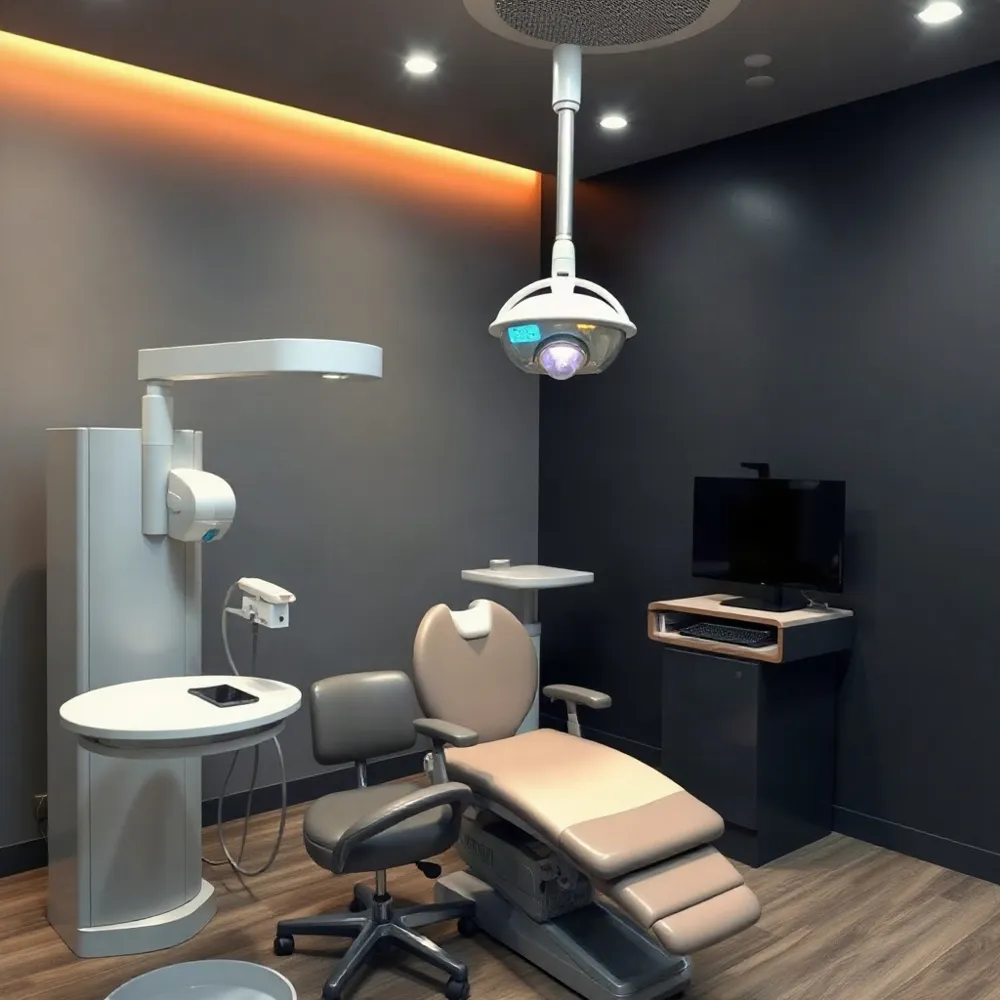
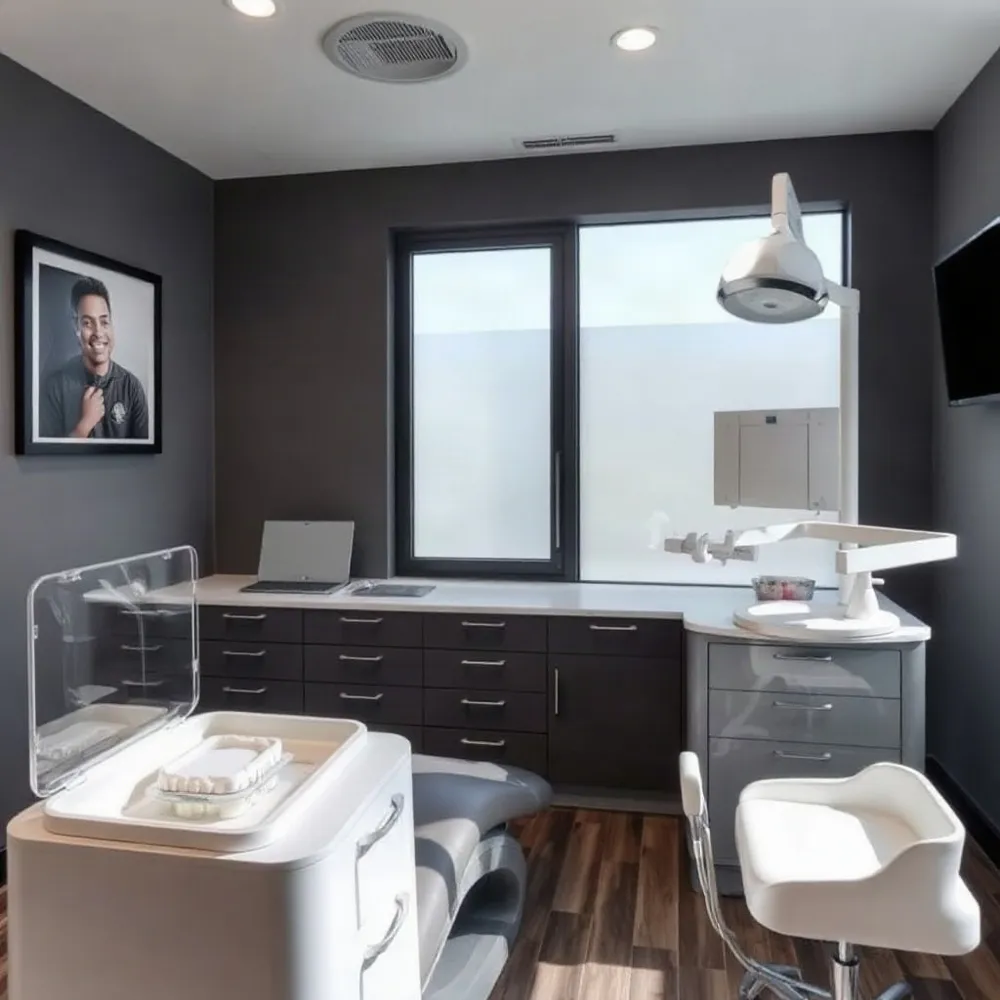
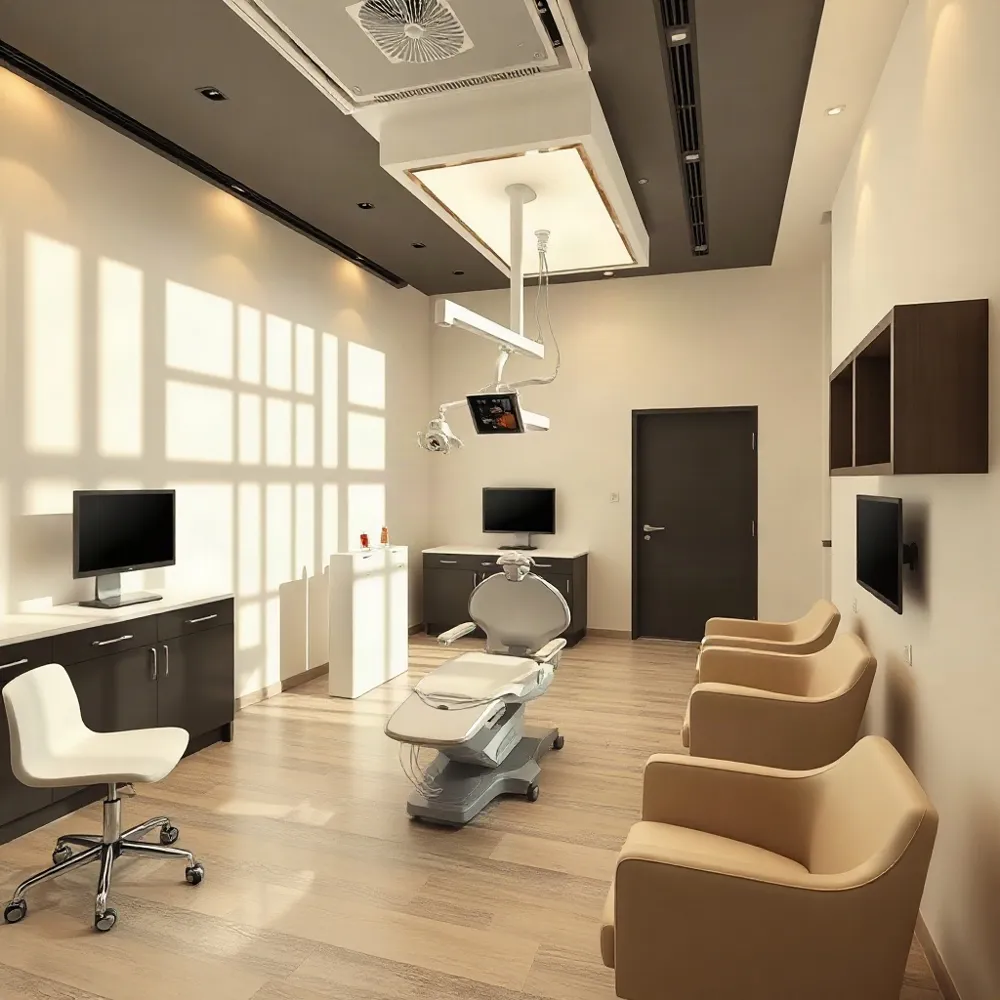
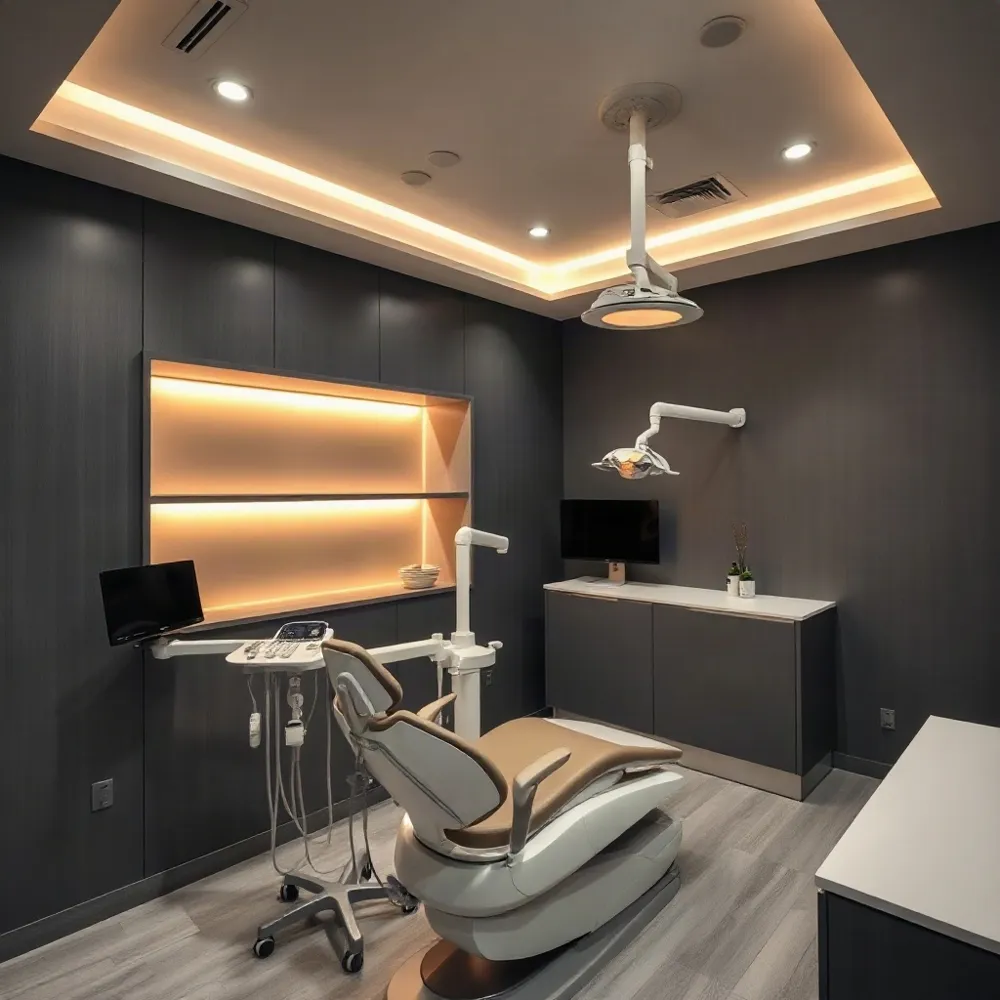
At Smile Perfector Dental Group, care is shaped around each patient, supported by digital imaging and an artist-focused approach to smile design. The right treatment depends on your oral health, goals, and the procedure required. Ask your dentist to explain the available options, their benefits and limits, and what to expect before you choose.
How Laser Dentistry Works
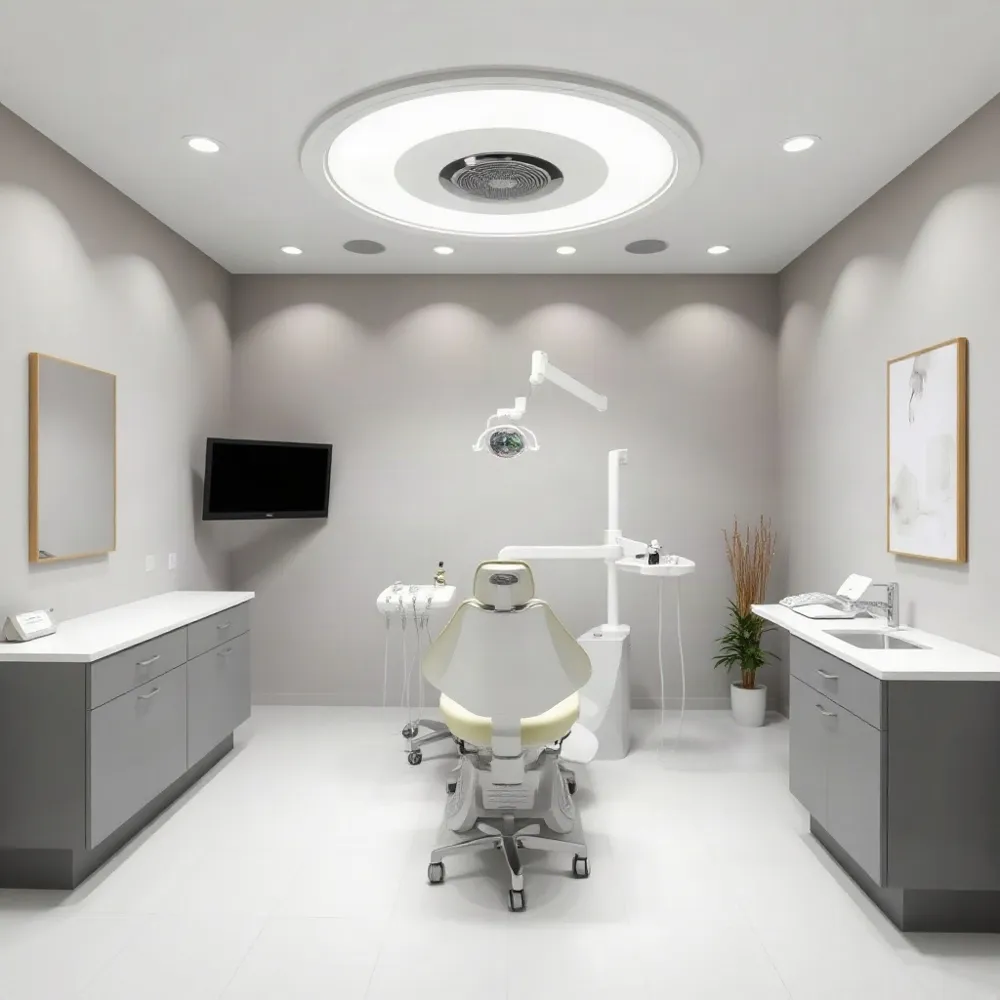 Laser dentistry uses focused light energy to treat selected areas of the mouth. Depending on the laser and its settings, the energy can work on gums and other soft tissues, teeth, or both. A dentist directs it at the treatment site, where it interacts with the tissue to shape or remove it, or to help reduce bacteria. Cleveland Clinic’s overview of laser dentistry explains that the method varies with the tissue and the treatment.
Soft-tissue lasers may be used for procedures involving gums, while hard-tissue lasers can be used on teeth for selected treatments. These categories are a practical guide, not a promise that every concern can be treated with a laser. The equipment and approach must match the area being treated.
Lasers can complement familiar dental instruments, but they do not replace them in every case. Many procedures can be completed without laser treatment, and a dentist may use more than one tool during care. A review of dental laser applications and limitations likewise describes lasers as one part of a treatment plan, with suitability depending on the procedure and clinical circumstances.
For Los Angeles patients, the right choice starts with an individual assessment and a clear discussion of options. Smile Perfector Dental Group’s digital workflow and personalized approach can help inform care planning, but patients should ask the practice directly about specific services and whether a laser is appropriate for their needs.
Procedures That May Use Lasers
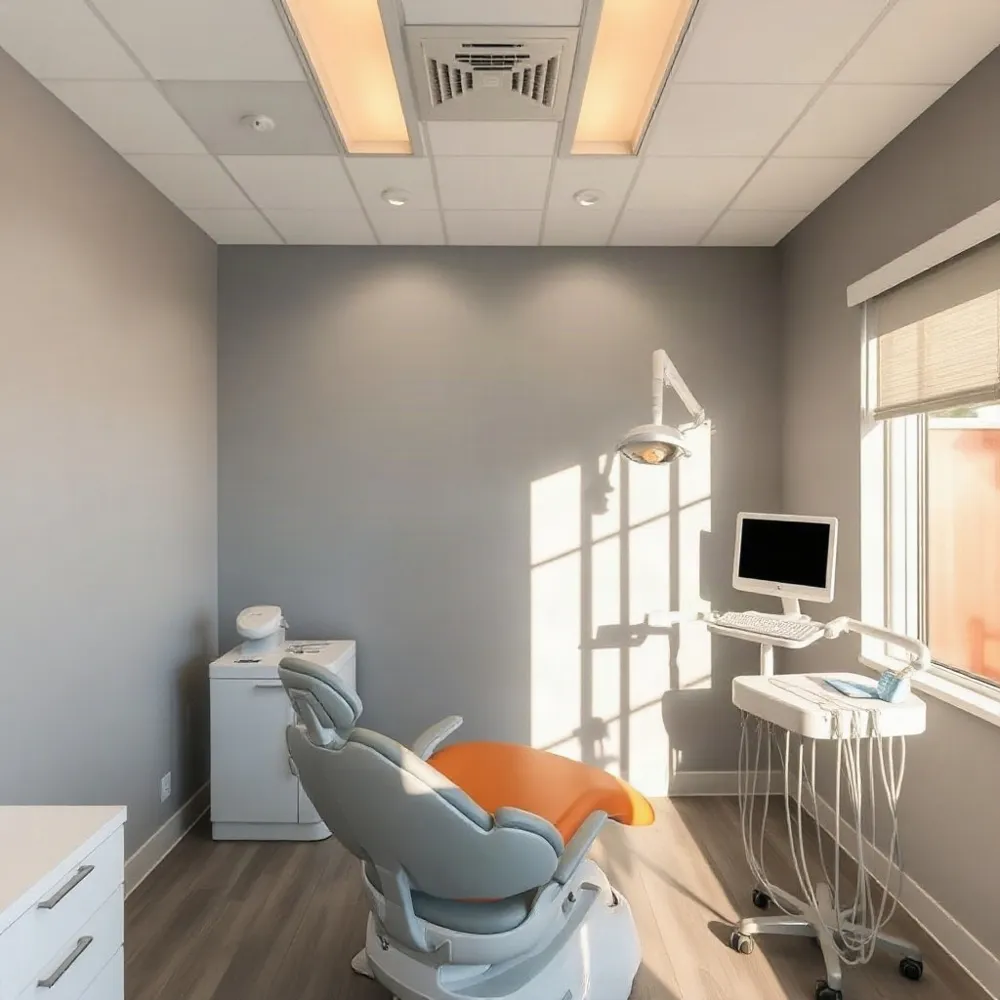 Dental lasers may be used for selected procedures involving the gums, teeth, and other soft tissues. The options depend on the laser, the treatment needed, and the dentist’s assessment, so a laser is not a standard fit for every case.
Gum care and reshaping
For some gum treatments, a dentist may use a laser to target inflamed tissue or bacteria, or to reshape the gum line. Lasers may also help prepare gum areas for restorations such as crowns. These uses can complement conventional care rather than replace it, as described in the Cleveland Clinic overview of laser dentistry.
Tooth and root canal treatments
Certain lasers can assist with removing tooth decay and preparing a tooth for a filling. During some root canal procedures, they may help disinfect areas inside the tooth. A dentist may also consider laser treatment for tooth sensitivity or to prepare a tooth for a restoration, depending on the clinical situation.
Other possible uses
Other applications include treating certain oral sores or lesions, releasing tongue-tie tissue, and activating professional whitening agents. Low-level light applications, sometimes called photobiomodulation, have been studied for pain and inflammation relief and to support healing after some procedures. A 2024 review discusses these and other potential applications while noting that suitability and outcomes vary by treatment and clinical circumstances (review of dental laser applications).
At Smile Perfector Dental Group, a personalized plan can take your diagnosis and smile goals into account, with digital imaging and an artist-focused approach to smile design. Ask your dentist which options are relevant to your care, whether laser treatment is available for the procedure, and what alternatives may suit you.
Comfort During Treatment
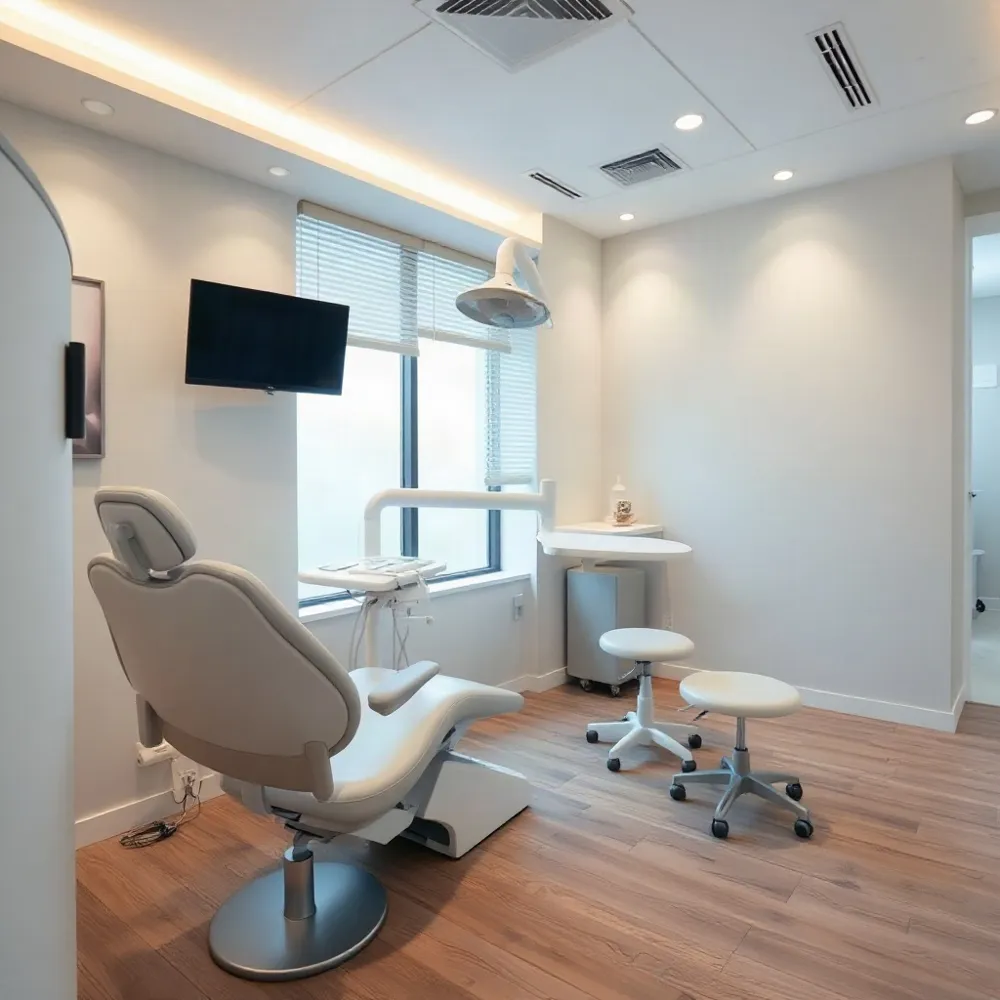 Does laser dentistry hurt? The experience depends on the procedure and your sensitivity. Some laser treatments may involve less of the vibration, pressure, or characteristic noise associated with a dental drill, which can feel reassuring if dental visits make you anxious. A clinical review describes these potential comfort differences, while noting they vary by treatment and patient (review of dental laser technology.
Less vibration does not mean a procedure will be pain-free. Some treatments may need less local anesthesia, but your dentist may still recommend numbing medicine. You could also notice mild tenderness afterward. The Cleveland Clinic’s overview of laser dentistry explains that lasers can be used alongside other dental tools and that patients may still receive numbing medicine.
Your comfort can depend on the treatment area, the technique, and your personal response. Before care begins, tell your dental team if you are worried about drills, needles, sounds, or anxiety. Asking what you may feel and when numbing is appropriate can help you know what to expect and discuss options that suit you.
At Smile Perfector Dental Group, the focus on personalized care and a welcoming environment gives patients room to ask questions and share concerns. The team can explain the planned steps and discuss comfort options for your specific treatment, so you can feel more prepared without assuming that any one technology is available or right for every case.
Potential Benefits and Practical Limits
For Los Angeles patients weighing treatment options, laser dentistry may offer useful advantages in selected cases, but it is not automatically a better fit than conventional care. A 2024 review describes potential benefits and limits, while emphasizing that results depend on the procedure and how the laser is used. The review of dental laser technology provides general evidence, not confirmation that Smile Perfector Dental Group offers laser treatment.
Precise targeting may limit effects on nearby healthy tissue. In some cavity treatments, that could help preserve more of the unaffected tooth. During certain soft-tissue procedures, laser energy can also coagulate small blood vessels as it works, which may reduce bleeding. Less disruption may mean less swelling or post-treatment discomfort for some patients, though the experience varies.
Some laser procedures may support a quicker recovery, but faster healing is not assured, and anesthesia may still be needed. These potential benefits should be weighed against what the tooth, gums, or other tissues actually require. At Smile Perfector Dental Group, a fully digital workflow and personalized smile planning support careful treatment decisions, without making a particular technology the goal.
Lasers are not suited to every concern. Deep decay, extensive treatment, or work requiring substantial access may be handled more effectively or efficiently with conventional instruments, and some laser procedures can take longer. Your dentist can explain the available approaches, expected tradeoffs, and how each option fits your diagnosis and goals. Laser dentistry is one possible part of a treatment plan, not a blanket upgrade.
Safety Depends on Careful Use
Is laser dentistry safe, and can it cause side effects? Laser treatment is generally considered safe when it suits the procedure and is performed by a trained dental professional with appropriate equipment settings and protective eyewear. Safety depends on careful case selection and use, rather than on the technology alone.
During treatment, patients and dental staff should wear protective glasses suited to the laser. A dentist may also use a laser alongside conventional instruments, depending on what the procedure requires. The Cleveland Clinic’s guidance on laser dentistry explains that lasers complement standard dental tools and that patients may still need numbing medicine.
Temporary tenderness, sensitivity, or swelling can occur after treatment. The type and duration of effects vary with the procedure and the patient. Rarely, unsuitable use or incorrect settings may irritate or injure nearby tissue, which is why training and proper equipment settings matter. A 2024 review of dental laser applications and limitations also describes the need for clinician training and appropriate settings to reduce the risk of thermal injury. The review discusses these risks alongside potential benefits, not as a guarantee that every patient will have the same experience.
For Los Angeles patients, the right choice begins with an individual assessment. At Smile Perfector Dental Group, care is shaped around each patient’s needs, with digital imaging supporting treatment planning. Ask your dentist whether a laser is suitable for the specific concern, what alternatives are available, and what precautions will be used. Do not assume a practice offers laser procedures unless its team confirms that service.
If discomfort lingers or worsens after any dental procedure, contact your dental team for guidance. A clear recovery plan can help you know what to expect and when to ask for follow-up care.
Understanding Treatment Costs
How much does laser dental treatment cost? There is no single price because laser dentistry describes different procedures, from gum care and reshaping to cavity treatment or whitening. The estimate depends on the care needed, its complexity, the technology involved, and whether other dental work is required.
Insurance coverage varies by procedure and plan. Before choosing treatment, check with your insurer and dental office about benefits, exclusions, and any out-of-pocket costs. A dentist can also explain whether a laser approach is clinically appropriate or whether another method better fits the tooth, gums, and treatment goals.
Cost is only one part of the decision. Consider the expected benefits, alternatives, and your priorities, such as comfort or the appearance of your smile. Research describes dental lasers as tools that can complement conventional care, with suitability depending on the procedure and individual circumstances (review of dental laser applications and limits.
Smile Perfector Dental Group’s fully digital workflow and personalized approach can help Los Angeles patients discuss treatment options in the context of their broader oral health and smile goals. The practice’s available services do not confirm that laser treatment is offered, so ask whether a laser option is available for your case. If it is, request a personalized estimate before proceeding, including what the estimate covers and what alternatives may cost.
Choose Care That Fits Your Needs
Laser dentistry can offer a more targeted approach for some treatments, but it is one option in a broader dental toolkit, not automatically the best choice for every patient. A dentist can explain how it compares with conventional care for your specific concern, including what the evidence says about possible benefits and limits (Cleveland Clinic’s overview of laser dentistry).
For Los Angeles residents, a useful consultation leaves room to ask about comfort, safety, healing, and cost, as well as whether a laser is available and suitable for the procedure. Bring up any concerns about dental anxiety, past treatment, or your preferred approach so they can be considered in the plan.
At Smile Perfector Dental Group, care is shaped around each patient, with a digital workflow and an artist-focused approach to smile design. Whether you are considering cosmetic treatment or addressing an oral-health concern, ask for a clear explanation of the options and expected results. Feeling informed can help you choose care that supports both your health and confidence.