Finding Your Clear Aligner Fit
For Los Angeles residents who want a less noticeable way to straighten their teeth, clear aligners may be worth exploring. But choosing a system is about more than appearance or brand name: the right fit depends on your teeth and bite, your daily routine, and the smile you hope to achieve.
A dental evaluation can show whether aligners suit your needs or whether another approach may be more predictable. The American Association of Orthodontists’ guidance on clear aligners emphasizes that treatment plans and timelines vary by case, and some patients may benefit from braces or a combination of treatments.
At Smile Perfector Dental Group in Los Angeles, clear aligner care sits within a broader practice that offers digital imaging and personalized smile design. A consultation can help you discuss your goals, understand the proposed plan, and ask how progress checks and professional support will fit into your treatment.
How Clear Aligners Move Teeth
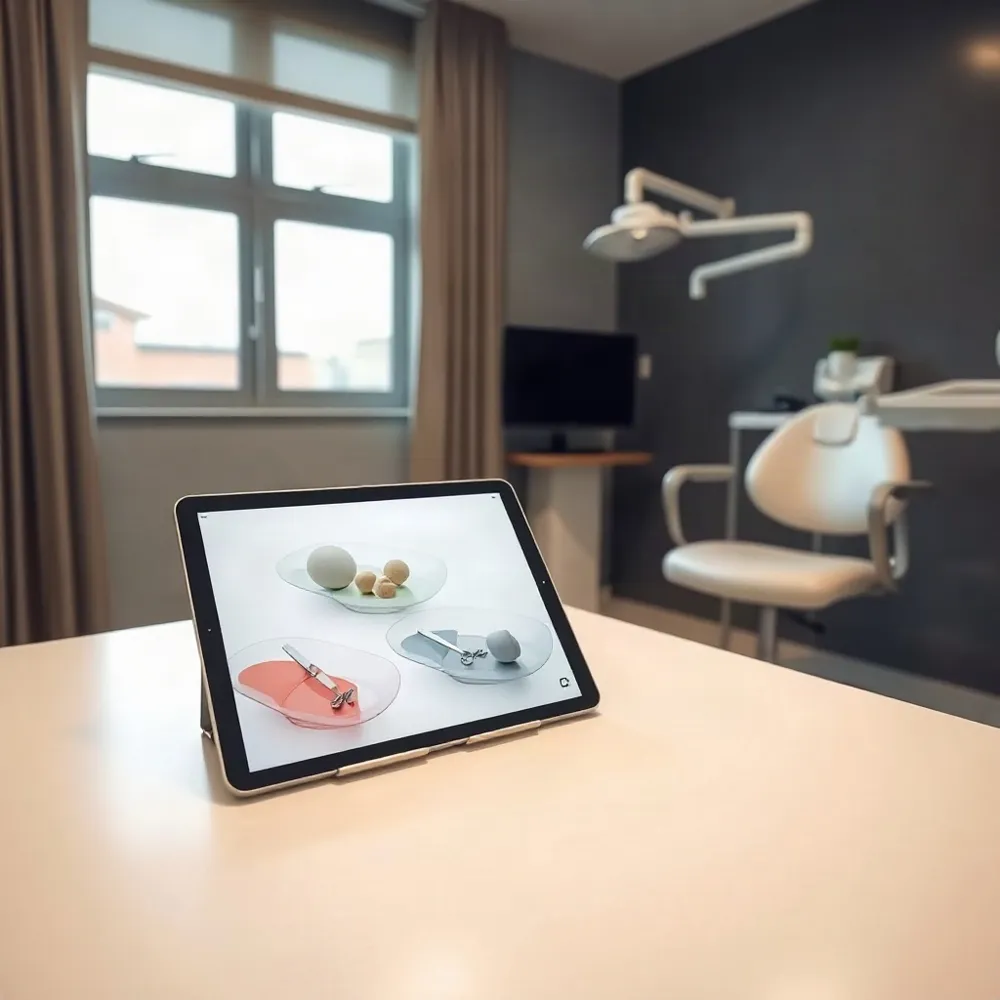 Clear aligners are custom-made, transparent trays that fit over your teeth. Each one applies gentle pressure to guide gradual movement, offering a less noticeable alternative to traditional braces. The American Association of Orthodontists’ overview of clear aligners explains that trays are worn in sequence, with each set moving teeth incrementally.
Treatment planning starts with a dental professional assessing your teeth and bite. Digital scans or impressions can help create a model of your mouth and plan a series of trays, each designed to guide a small change in tooth position. At Smile Perfector Dental Group, digital imaging supports a personalized approach to smile planning, with attention to both appearance and oral health.
The trays are removed for meals, drinks other than water, and brushing and flossing. Because they are removable, progress depends on wearing them as directed and keeping them clean. Your clinician sets the daily wear schedule and explains when to move to the next tray; the timing depends on your treatment plan.
For Los Angeles patients, a consultation can clarify what movements your plan is intended to make and how progress will be checked. Smile Perfector Dental Group’s digital workflow and personalized care help connect the treatment plan with your smile goals.
Benefits and Treatment Limits
Clear aligners offer a discreet way to straighten teeth, and their smooth, removable trays can make meals and daily brushing and flossing easier. That flexibility comes with a routine: the American Association of Orthodontists’ guidance on clear aligners says they are generally worn for at least 22 hours a day, though your clinician will set your schedule.
Taking trays out often or forgetting to put them back in can interrupt the planned movement. New trays may also bring temporary pressure or soreness, and some treatment plans use small attachments on teeth to help guide movement. These details are worth discussing during a consultation so you know what to expect.
Suitability depends on tooth positions, bite, oral health, and the movements needed, not appearance alone. Some crowding, gaps, or minor bite concerns may be treated with aligners, while more complex movements can be treated more predictably with braces or another approach. A 2025 expert consensus on clear aligner treatment emphasizes careful case assessment and ongoing monitoring.
Active cavities or gum disease should be addressed before treatment begins. Teens and adults may be candidates, but developing teeth, oral health, and the ability to follow wear instructions all matter. At Smile Perfector Dental Group in Los Angeles, digital imaging and personalized smile planning support a clinician’s assessment of your teeth and bite before discussing treatment options.
An examination can help set realistic expectations and identify an approach that fits both your oral health and smile goals.
Comparing Time Cost and Results
Clear aligners and braces can both improve tooth alignment, but neither is the right choice for everyone. The decision depends on your teeth, bite, the movements needed, and your goals. Aligners are removable and discreet; braces stay in place and may give a clinician more control over some complex movements. The American Association of Orthodontists’ guidance on aligners notes that a professional assessment can help determine which approach fits a particular case.
Treatment time varies with the case and, for aligners, how consistently you follow the prescribed wear schedule. Aligners are not automatically faster than braces: planning, tray production, check-ins, and the complexity of tooth movement all affect the timeline. A 2019 review found that results and treatment time differed by case type, rather than showing a universal speed advantage for aligners (review of clear-aligner research).
Prices vary by provider, location, treatment needs, and what the quoted fee covers. Published estimates are broad comparisons, not guaranteed prices or a quote from Smile Perfector Dental Group. At Smile Perfector Dental Group, digital imaging and personalized treatment planning can help clarify the proposed approach; ask for an individualized estimate and whether it includes progress visits, refinements, and retainers.
Insurance benefits and payment options differ by plan and provider. The AAO notes that orthodontic coverage may apply to both aligners and braces, but benefits vary, so confirm details with your insurer and dental provider. Comparing the expected results, full timeline, and total included cost can help you choose a plan that fits your needs and budget.
Daily Wear and Tray Fit
Clear aligners fit into a busy routine only when you wear them consistently and care for them between meals. Many plans call for about 20–22 hours of wear each day, but your treating professional’s instructions take precedence because schedules can vary by case. The American Association of Orthodontists’ guidance on aligners also stresses following the schedule set by your provider.
Remove trays for meals, drinks other than water, and brushing and flossing. You may hear the “30-minute rule” as a reminder to put aligners back in promptly after eating or oral care. It is a practical prompt, not a universal clinical rule or a substitute for your prescribed schedule. Brush and floss before reinserting trays so food and drink residue is not held against your teeth.
When trays are out, place them in their protective case rather than a napkin or pocket, where they can be lost or damaged. At Smile Perfector Dental Group, a digital workflow and personalized care help shape treatment around your smile and dental needs, including guidance on the routine your plan requires.
If a tray feels loose or does not seat as directed, do not force, bend, trim, or advance to the next tray early. Follow your treatment instructions and contact your dentist or orthodontist if the fit remains poor, the tray is damaged, or discomfort is significant. Your clinician can advise whether to continue with the current tray or arrange a closer assessment.
Choosing a System and Provider
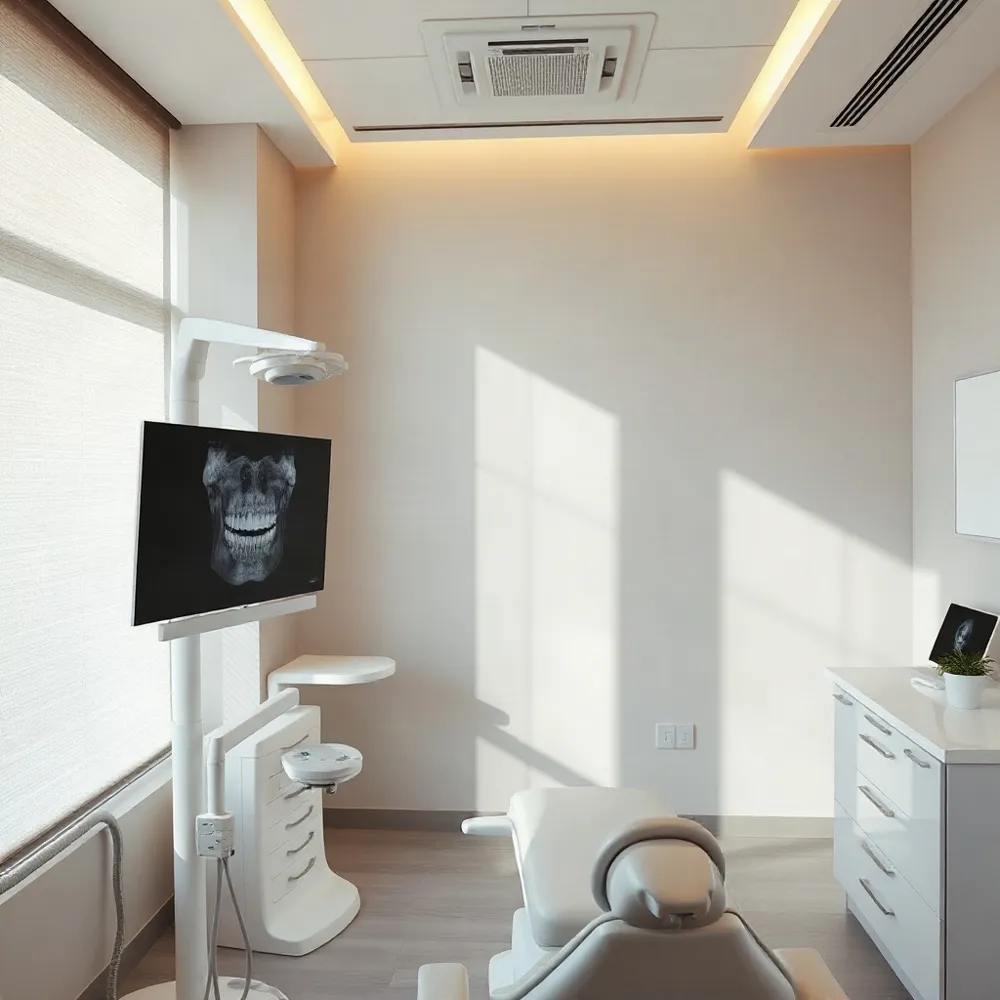 Choosing an aligner system is also choosing the team responsible for planning and monitoring your care. Start with an in-person evaluation of your teeth, bite, and oral health rather than relying on a brand name, a low price, or convenience alone. The American Association of Orthodontists’ guidance on clear aligners notes that treatment suitability and the choice between aligners, braces, or a combination depend on an individual’s needs.
Ask what the evaluation involves and how the plan will be tailored to the tooth movements you need. Digital scans can help document your teeth, while other records and an examination help the clinician assess your bite and oral health. At Smile Perfector Dental Group in Los Angeles, the digital workflow and personalized approach to smile design can help connect treatment planning with the appearance you hope to achieve.
Before committing, ask who will review your progress, how often you should expect check-ins, and whom to contact if a tray does not fit or your teeth are not moving as expected. Professional guidance matters throughout treatment, since a clinician may need to assess the fit or adjust the plan. The 2025 clinical consensus on clear aligner treatment describes follow-up as a way to check progress, oral health, and fit.
Request a written estimate and ask what it includes, how long treatment may take, and whether retainers and follow-up care are covered. Treatment time and fees depend on your case, so estimates should be specific to your evaluation rather than treated as guarantees. Compare providers by their experience, communication, use of digital tools, and willingness to answer your questions. A thoughtful consultation should leave you feeling heard and clear about the next steps.
Maintaining Your Smile After Treatment
 Clear aligners can gradually improve tooth alignment and create a more balanced-looking smile, but results vary with your starting needs, treatment plan, and consistency with the prescribed wear schedule. Your clinician’s progress checks help confirm that teeth are moving as planned and allow adjustments when needed. The American Association of Orthodontists’ guidance on clear aligners recommends regular check-ups during treatment.
Some patients need refinement trays to improve tooth positioning, while others may need a different treatment approach if aligners are not achieving the planned movement. At Smile Perfector Dental Group, digital imaging and personalized care support treatment planning around your teeth and smile goals.
After active treatment, retainers are typically prescribed to help keep teeth in their new positions. Wear yours as directed, and continue routine dental checkups and follow-up visits so your oral health and alignment can be monitored. A 2025 clinical consensus review also identifies retention and follow-up as important parts of orthodontic care (expert consensus on clear aligner treatment).
If your retainer no longer fits comfortably or you notice your teeth shifting, contact your provider rather than waiting for the change to progress. Timely advice can help determine whether your retainer needs adjustment or whether further care is appropriate.
A Confident Choice Starts With Care
The right clear aligner plan should fit more than your smile goals. Your oral health, the tooth movements needed, daily routine, and preferred level of follow-up all matter. The American Association of Orthodontists recommends a professional evaluation to determine whether aligners, braces, or another approach best suits your needs before treatment begins.
For Los Angeles residents, a personalized conversation can clarify what treatment may involve and what it may cost. At Smile Perfector Dental Group, digital imaging and an artist-focused approach to smile design support care tailored to each patient. Ask a dental professional to assess your teeth and bite, explain the options, and provide an individualized recommendation and estimate before you commit.