Start With the Right Questions
If you’re in Los Angeles and considering a dental appliance for sleep apnea, begin with a sleep evaluation, not a trip to buy a mouthguard. A sleep care provider must confirm the diagnosis and explain which treatments fit your needs. Snoring or a wish for quieter nights does not establish that you have sleep apnea, and comfort alone cannot show that treatment is working.
An oral appliance may suit some people with obstructive sleep apnea, particularly when CPAP is difficult to use, but it is not right for everyone. Suitability depends on your diagnosis and its severity, as well as your teeth, gums, jaw, and ability to wear the device comfortably. Cleveland Clinic’s overview of oral appliance therapy explains why medical guidance and dental fitting both matter.
A dentist can assess your oral health and help determine whether a device can be fitted; your sleep provider guides the medical plan. At Smile Perfector Dental Group, digital imaging and personalized care support careful dental assessment, but the sleep provider’s diagnosis remains essential. Ask how follow-up will check both your comfort and whether the appliance is controlling your sleep apnea. Treatment decisions are most reassuring when they reflect your health, daily routine, and measured response, rather than convenience alone.
How Sleep Appliances Work
 An oral appliance is a mouthpiece worn during sleep to help keep the airway open in obstructive sleep apnea (OSA). In OSA, the upper airway becomes partly or fully blocked, disrupting normal breathing. A sleep clinician must diagnose the condition and decide whether an appliance is suitable.
The most common design is a mandibular advancement device (MAD). It fits over the teeth and gently holds the lower jaw forward. This also brings the tongue forward, creating more room for airflow at the back of the throat. The Cleveland Clinic’s overview of oral appliance therapy explains how these devices are used for OSA.
A tongue-retaining device is another design. Rather than advancing the jaw, it holds the tongue forward to help keep it from blocking the airway. The right device depends on the diagnosis, dental health, jaw and tongue anatomy, and comfort. A dentist can assess oral fit, while the sleep care provider guides treatment decisions and follow-up.
These appliances address obstructive sleep apnea, not central sleep apnea, which involves a different cause of disrupted breathing. Reduced snoring or a quieter night does not prove that apnea is controlled; treatment response should be checked through the care plan set by the sleep clinician.
For Los Angeles patients, a dental assessment can also consider how a device fits with existing oral health needs. At Smile Perfector Dental Group, digital imaging and a personalized approach to smile care support careful evaluation, though sleep-apnea treatment should remain coordinated with a qualified sleep clinician.
Who May Consider an Appliance
An oral appliance may be an option for adults with mild to moderate obstructive sleep apnea (OSA), especially if CPAP is difficult to use consistently or another approach is being considered with a clinician. It is not a one-size-fits-all choice: diagnosis, treatment needs, and oral health all matter. Cleveland Clinic’s guidance on oral appliance therapy describes appliances as an option for selected people with OSA, not a substitute for medical advice.
Choosing a device calls for both medical and dental input. A sleep physician reviews the diagnosis and recommends an appropriate treatment plan. A dentist then assesses the teeth, gums, bite, and jaw to see whether an appliance can be fitted and worn comfortably. At Smile Perfector Dental Group, a fully digital workflow and detailed imaging support careful dental assessment, while treatment decisions should remain coordinated with the patient’s sleep physician.
An appliance should not be assumed suitable for severe OSA or central sleep apnea, which has a different cause. Children with breathing problems also need clinician-directed care rather than an adult device chosen independently. If a dental appliance is being considered, ask the sleep physician and dentist how its effectiveness will be checked, including whether follow-up sleep testing is appropriate.
Snoring alone does not confirm sleep apnea. If you or a partner notice persistent snoring or other breathing concerns, seek a sleep evaluation before using a device to treat suspected apnea. Smile Perfector Dental Group’s personalized approach to dental care can help patients discuss oral-health considerations, but sleep diagnosis and treatment planning belong with the appropriate medical clinician.
Weighing an Appliance Against CPAP
CPAP delivers pressurized air through a machine, hose, and mask to help keep the airway open. An oral appliance is a mouthpiece worn during sleep, usually designed to position the lower jaw forward. Both are used to treat obstructive sleep apnea, but they work differently.
CPAP generally improves airflow more effectively, while a custom oral appliance may reduce breathing interruptions and snoring for some people. Results vary with the person’s sleep apnea, the device’s fit, and consistent use. A Cleveland Clinic overview of oral appliance therapy explains that appliances are often considered when someone with obstructive sleep apnea cannot use CPAP consistently. Comfort and preference matter, but a quieter night or less snoring does not prove that treatment is controlling the condition.
Some people value an appliance because it is quiet and portable, without a machine or mask. If CPAP is difficult to use, discuss that with your sleep physician rather than stopping or replacing prescribed treatment on your own. Your physician can review whether adjustments to CPAP or another option may suit your needs.
In selected cases, a healthcare provider may recommend using an oral appliance alongside CPAP, such as to support comfort or address travel needs. Follow-up sleep testing can help assess whether an appliance is working, while a qualified dentist checks its fit and monitors your teeth and bite. At Smile Perfector Dental Group in Los Angeles, digital imaging and personalized care support detailed dental assessment, but treatment decisions should remain coordinated with your sleep physician.
Benefits and Possible Tradeoffs
For some people, an oral appliance can mean fewer sleep disruptions, less snoring, or improvement in daytime sleepiness and concentration. Its small, quiet design can also be convenient for travel, without the mask and machine used for CPAP. These are possible benefits, not proof that sleep apnea is controlled; a sleep provider should assess whether treatment is working.
The adjustment period may bring extra saliva, dry mouth, gum irritation, or discomfort in the teeth, jaw, or jaw joint. These effects may ease as you get used to the device, but persistent or concerning symptoms deserve professional advice. The Cleveland Clinic’s guidance on oral appliance therapy also notes that longer-term use can affect tooth position or bite, so regular dental checks matter even when the appliance feels comfortable.
A dentist can check your teeth, gums, bite, and jaw, while your sleep clinician evaluates treatment response. The American Academy of Dental Sleep Medicine describes ongoing care as part of oral appliance therapy, rather than a one-time fitting. Smile Perfector Dental Group’s digital imaging workflow supports detailed dental assessment, though sleep-apnea treatment decisions should be coordinated with your sleep clinician and a dentist qualified to provide appliance care.
For Los Angeles patients, reporting soreness or bite changes early can help the dental team determine whether an adjustment or further assessment is needed. Don’t stop another prescribed treatment or rely on comfort alone as a measure of effectiveness.
Fitting and Checking Treatment
 Treatment starts with a sleep study to diagnose obstructive sleep apnea. If your sleep specialist decides an oral appliance may suit your needs, they can refer you to a dentist for an oral health assessment and fitting. The Cleveland Clinic’s overview of oral appliance therapy describes this coordinated process.
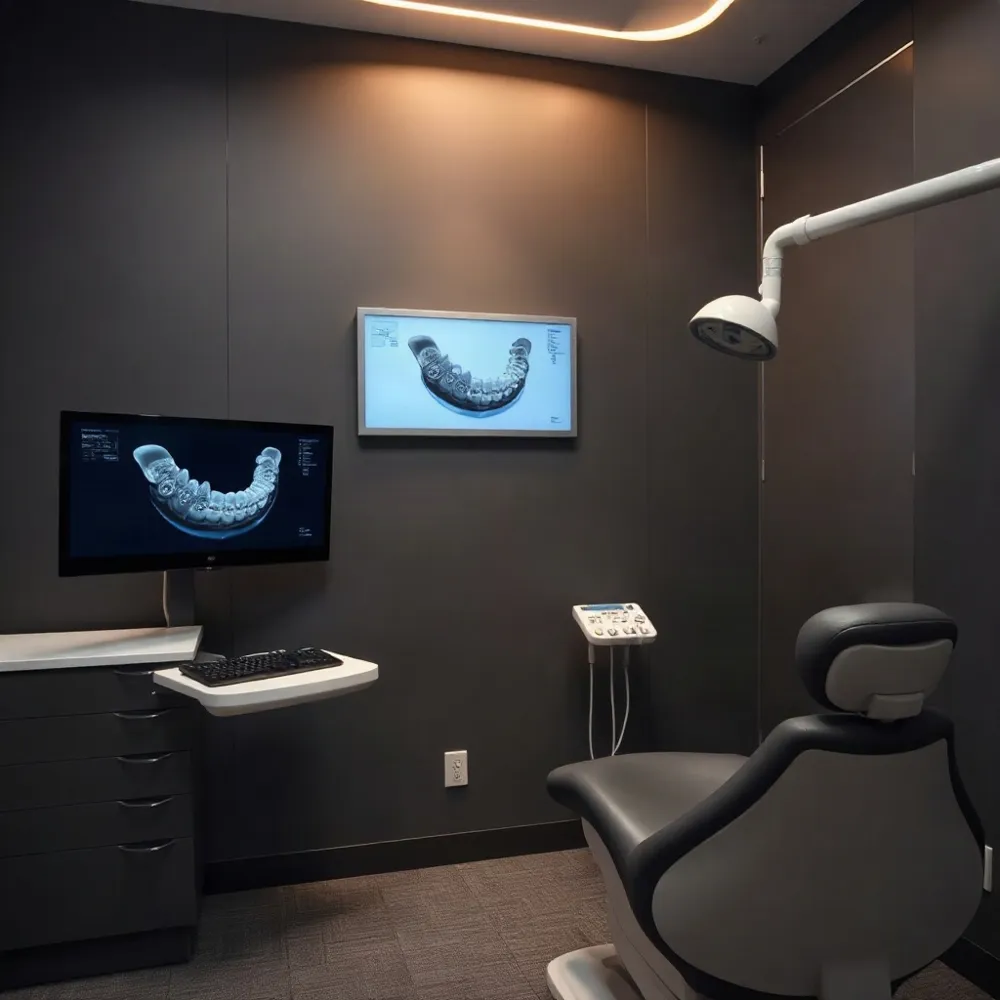
For a custom mandibular advancement device, the dentist records your teeth and bite with impressions or a 3D scan. The device is then made to those records. At a fitting visit, the dentist checks its fit and comfort and explains how to wear, clean, and store it. Smile Perfector Dental Group uses a fully digital workflow for dental care, supporting careful imaging and a personalized approach to assessment.
Getting used to an appliance can take time, and gradual adjustment may help. Do not change the device yourself: a dentist should make adjustments with your comfort and treatment goals in mind. The American Academy of Dental Sleep Medicine describes ongoing professional care as part of oral appliance therapy.
A sleep specialist or dentist may recommend a follow-up sleep test to check whether the appliance is controlling apnea and whether further adjustment is needed. Dental visits also allow the team to check the appliance, your teeth and gums, and any changes in your bite. Smile Perfector’s patient-focused care can help make it easier to raise concerns during dental visits, though your sleep specialist should guide medical testing.
Before treatment, ask whom to contact about soreness or bite changes, how your response will be checked, and what the next step is if the device feels uncomfortable or does not help.
Costs, Coverage, and Daily Care
 How much does a dental appliance for sleep apnea cost, and may insurance cover it? A custom appliance may cost about $1,500 to $4,500, depending on the device, fitting, follow-up visits, and adjustments. This is a general estimate, not a quote from Smile Perfector Dental Group. Ask your insurer whether treatment for diagnosed obstructive sleep apnea is covered under medical benefits, what documentation is required, whether network rules or prior approval apply, and what you would pay out of pocket. Your dental team can help clarify the treatment estimate and billing process. The American Academy of Dental Sleep Medicine’s guidance emphasizes ongoing care to keep an appliance comfortable and effective.
How long does a sleep apnea oral appliance last, and what care does it need? An appliance commonly lasts about three to five years, but wear, fit, and daily care affect its lifespan. Clean it each morning with a soft toothbrush and mild soap, or a cleaner approved by your dentist. Avoid abrasive toothpaste, hot water, bleach, and alcohol, which can damage the device. Rinse it well, let it dry, and keep it in its protective case in a cool, dry place.
Keep regular dental appointments so your dentist can check the appliance’s fit and condition and monitor your oral health. Smile Perfector Dental Group’s digital imaging workflow supports careful dental assessment, while treatment for sleep apnea should remain coordinated with your sleep physician and qualified dental provider. Bring the appliance to follow-up visits, and contact your dentist if it cracks, fits differently, or snoring or other symptoms return. A comfortable device alone cannot confirm that sleep apnea is controlled, so follow your clinician’s plan for reassessment. The Cleveland Clinic’s overview of oral appliance therapy also discusses follow-up and questions to raise about costs and coverage.
Choose With Your Care Team
A dental sleep appliance should follow a confirmed sleep evaluation and an assessment of your teeth, gums, bite, and jaw. For Los Angeles patients, a coordinated conversation between a sleep clinician and dental provider can help determine whether an appliance fits your diagnosis and oral health, rather than relying on snoring or symptoms alone. The American Academy of Dental Sleep Medicine’s guidance describes treatment as a decision made with the patient and doctor, with a qualified dentist providing ongoing care.
Before deciding, ask how the device will be fitted and adjusted, what it may cost, which side effects to watch for, and whether follow-up sleep testing is planned. A quieter night or a comfortable fit does not by itself show that sleep apnea is controlled, so follow your clinician’s plan for checking results.
At Smile Perfector Dental Group, digital imaging and personalized dental care can support a careful review of your teeth and bite as part of a broader discussion with your sleep-care team. The right plan should reflect your health, comfort, and daily routine, with follow-up to address concerns and assess whether treatment is working. That thoughtful process can help you move toward care that is suitable and sustainable.