A Helpful First Step for Jaw Pain
If you’re in Los Angeles and jaw discomfort is making it harder to chew, speak, or relax, a dental evaluation can be a sensible first step. Jaw pain has several possible causes, so symptoms alone cannot confirm a temporomandibular disorder, often called TMD.
At Smile Perfector Dental Group, a full-service practice with digital imaging and personalized care, a dental visit can help review your symptoms and determine whether further assessment or referral is appropriate. Not every jaw condition can be diagnosed or treated by a general dentist, and persistent or severe symptoms may call for a clinician with relevant expertise.
This guide explains common symptoms, what a dental evaluation may involve, and how care can be tailored to the likely cause. Medication decisions, for example, depend on the individual condition and should be discussed with a clinician, as outlined in USC’s overview of medications for temporomandibular disorders.
Understanding TMJ and TMD
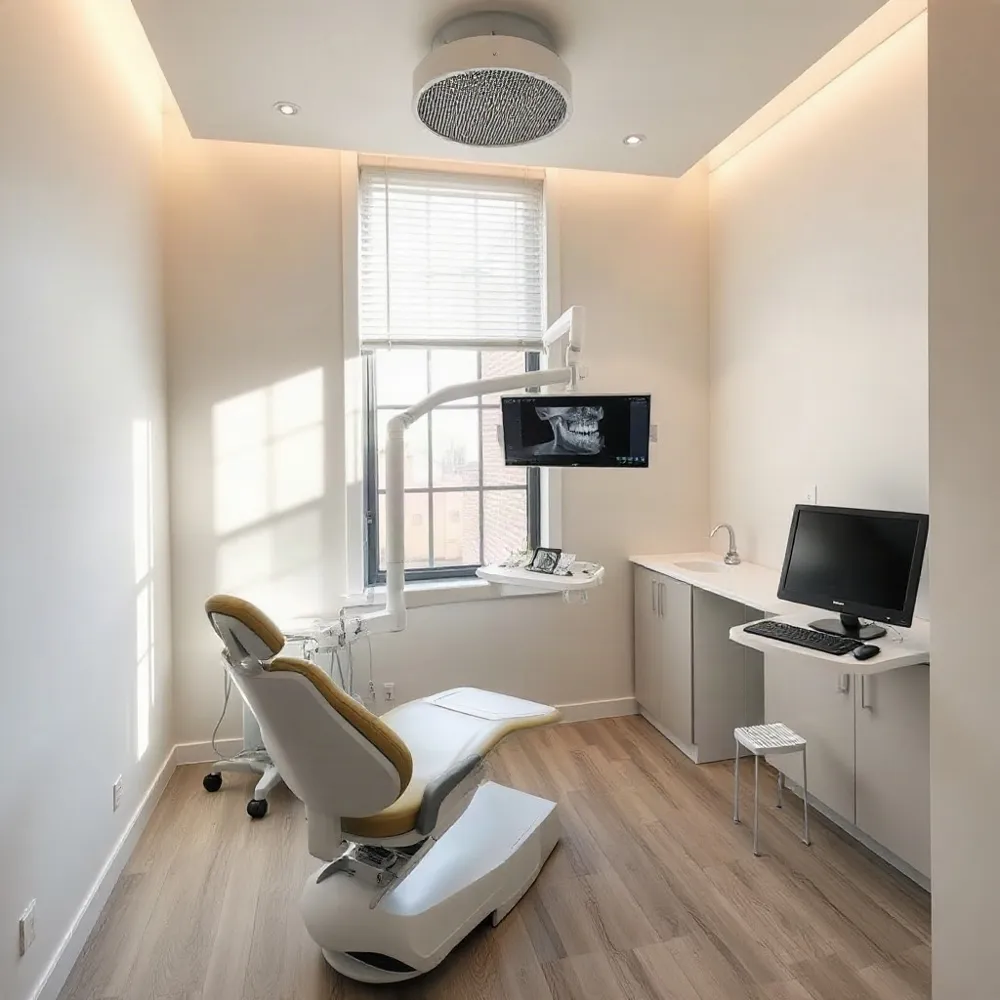 The joints that connect your jaw to your skull sit just in front of your ears. They help you speak, chew, and yawn, so when they're uncomfortable, everyday activities can feel less enjoyable.
These are called the jaw joints. Jaw joint disorders involve a group of conditions that affect these joints, the muscles you use for chewing, or nearby tissues. The terms "jaw joint" and "jaw joint disorder" are often mixed up, but they describe different things.
Jaw pain or difficulty opening your mouth doesn't automatically mean you have a jaw joint disorder. Similar symptoms can have other causes, including dental problems or other conditions affecting your face and jaw. A dental evaluation can help assess your symptoms and determine whether a specialist should be involved.
If you're a Los Angeles resident experiencing jaw discomfort, Smile Perfector Dental Group offers personalized care and a fully digital workflow to support a thorough evaluation of your dental health. Describe when your symptoms occur and what makes them better or worse, rather than trying to diagnose the cause yourself. With the right diagnosis and treatment, you can regain comfort and confidence in your daily activities.
Understanding the source of your discomfort is important because different jaw joint conditions may require different approaches. Medication decisions should always be made with a clinician.
Symptoms and Possible Contributors
TMD symptoms can affect your jaw joint, the muscles you use for chewing, or both. Common signs include jaw pain or tenderness, stiffness, discomfort when chewing or talking, and difficulty opening or closing your mouth. You might experience restricted movement or a jaw that locks.
Painful clicking or popping may occur as your jaw moves. Headaches and discomfort around your face, ears, neck, or shoulders can also accompany TMD, but these symptoms have other possible causes. A dental assessment at Smile Perfector Dental Group can help consider your jaw symptoms alongside your teeth and mouth, with referral appropriate when the findings call for care beyond a general dental evaluation.
A click by itself, without pain or limited movement, is common and does not necessarily mean there is serious joint disease or that treatment is needed. The focus is usually on discomfort and how well your jaw functions, rather than on eliminating every sound.
Possible contributors include clenching or grinding, jaw injury, and stress-related muscle tension. Inflammation, arthritis, or movement of the small disc within your joint may also play a role. The cause is not always clear, and several factors may contribute at once. Jaw pain can also come from conditions unrelated to TMD, so symptoms alone cannot confirm a diagnosis.
If medication is considered for a diagnosed jaw or muscle condition, the choice should be made with your clinician because options and risks vary. The USC overview of medications for temporomandibular disorders discusses these differences, including possible side effects. For you as a Los Angeles patient, Smile Perfector Dental Group's digital imaging and personalized examination approach can support a careful review of your oral health, while persistent or worsening symptoms may warrant assessment by a clinician with relevant jaw-pain expertise.
What a Dental Evaluation Can Do
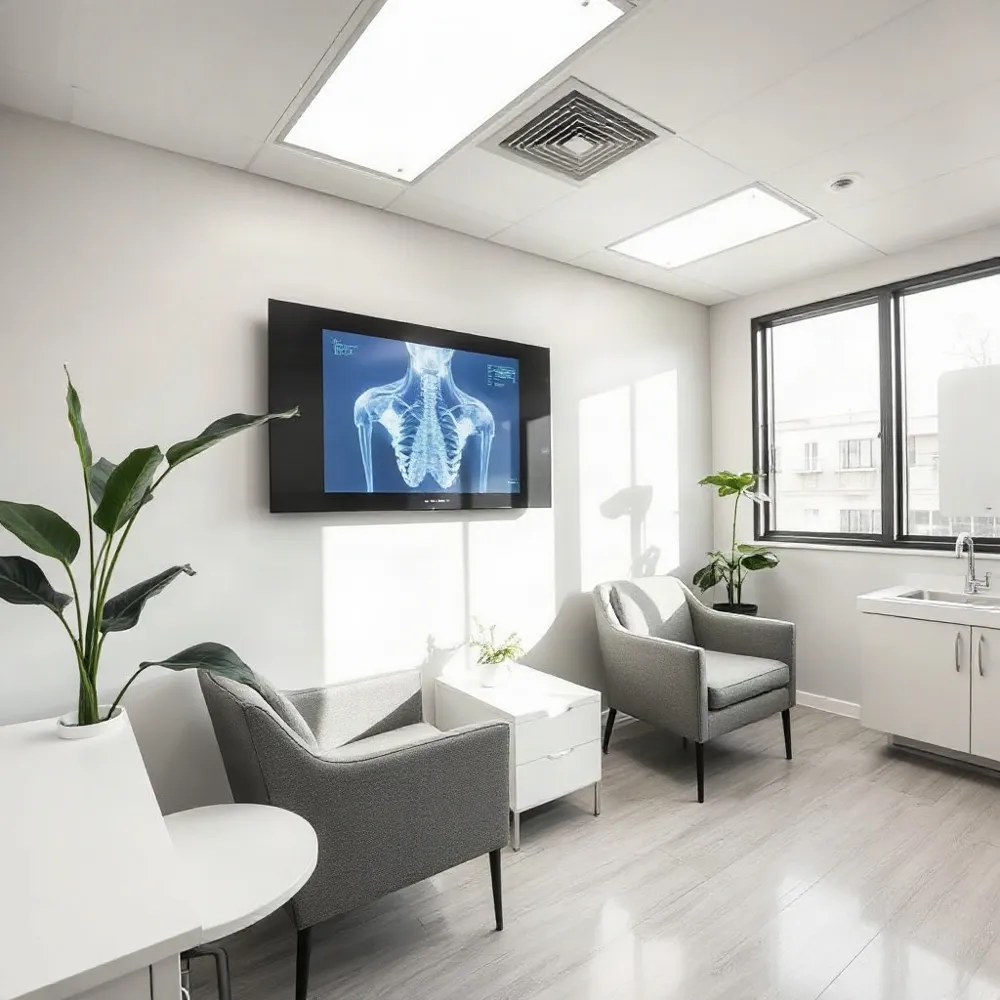 A dental evaluation can help sort out whether jaw discomfort may involve the joint, chewing muscles, teeth, or another source. At Smile Perfector Dental Group, a digital workflow and personalized attention support a careful look at oral health, though further assessment or referral may be appropriate when symptoms call for specialized expertise.
Expect questions about when the discomfort began, what makes it better or worse, and whether it affects eating or speaking. Your dentist may also ask about medical and dental history, stress, clenching, grinding, and other habits that could place strain on the jaw.
During an examination, the dentist may ask you to open and close your mouth, check how far and smoothly your jaw moves, and feel for tenderness in the joints and chewing muscles. They may listen for clicking or other sounds and look at how your teeth meet. These findings help guide the discussion, but no single sign confirms TMD.
There is no universal test for TMD. Routine dental or jaw X-rays have limits for showing many joint and muscle problems; more specialized imaging may be considered if a specific condition is suspected or symptoms persist. The Delta Dental overview of TMD evaluation describes how assessment may rely on a patient’s account and physical examination, with imaging reserved for selected situations.
Based on the findings, a dentist can discuss suitable next steps and whether another clinician should evaluate the symptoms. If medication is considered, the choice depends on the suspected problem and your individual health; the USC overview of medications for temporomandibular disorders explains why these decisions belong in clinical care. The goal of an evaluation is not to promise a quick fix, but to make the next step clearer.
Personalized Care and Possible Improvement
We understand that TMD symptoms can be concerning, but they are not always permanent. Many people improve, sometimes with little or no treatment, though the course can vary depending on the source of pain and your individual circumstances. If discomfort persists or keeps returning, following up with a dental or medical professional can help clarify what may be contributing and guide you toward relief.
Your care is guided by your symptoms and the suspected source, rather than a one-size-fits-all plan. A clinician may first suggest reversible steps, such as reducing jaw strain and adjusting daily habits. If appropriate, a professionally fitted oral appliance or referral for physical therapy may also be discussed. At Smile Perfector Dental Group, our digital imaging and personalized dental evaluations can help you discuss your concerns and next steps. However, persistent or complex symptoms may require a clinician with specific facial-pain expertise.
Exercises, appliances, and medication are not suitable for every person or every cause of pain. For example, exercises should match the problem being treated, and medication choice and duration should be discussed with a clinician because potential benefits and risks vary. The USC overview of medications for temporomandibular disorders describes several medication approaches for different symptoms, underscoring that these are clinical decisions rather than routine solutions.
More involved options, including procedures that change the bite or surgery, should not be assumed necessary for ordinary jaw discomfort. A careful evaluation can help determine whether conservative care is appropriate or whether specialist input is warranted. At Smile Perfector Dental Group, our full-service dental setting and individualized approach can support a conversation about your dental concerns and whether additional assessment is needed.
Practical Ways to Ease Jaw Strain
 What can you do at home to ease jaw pain? Start by reducing the work your jaw has to do. Choose softer foods, take smaller bites, and chew slowly. Skip gum and foods that are hard, crunchy, or chewy while your jaw is uncomfortable.
Try to avoid wide yawns and other movements that stretch your jaw to its limit. A warm or cold compress wrapped in a cloth may feel soothing. Choose whichever temperature feels more comfortable, and stop if it makes the area feel worse.
Notice whether certain meals, activities, or habits seem to bring on discomfort. Keeping a brief note can help you spot patterns, such as symptoms after prolonged chewing or unconscious clenching. At Smile Perfector Dental Group, a digital workflow and personalized attention support a considered dental evaluation when jaw symptoms need a closer look.
Avoid starting exercises or other treatments on your own if they increase pain. Jaw exercises are not suitable for every problem, so a clinician can advise whether they fit your situation. Home measures may ease temporary discomfort, but they do not establish the cause or replace professional assessment when symptoms persist or worsen.
If you are unsure whether an over-the-counter pain medicine is suitable for you, check with a clinician or pharmacist before taking it. Medication choices depend on individual health needs, and some options can have side effects. The USC overview of medications for temporomandibular disorders explains why medication decisions should be guided by a clinician.
Seek professional advice if pain is severe, worsening, or persistent, or if it makes eating or opening your mouth difficult. Los Angeles residents can bring notes about symptoms and possible triggers to a dental visit, helping the clinician understand what has changed and discuss appropriate next steps.
Exercises and Age-Specific Considerations
Are jaw exercises helpful for TMD?
Gentle jaw exercises may help some people with TMD, but they are not right for every cause of jaw pain. Some joint problems can worsen with active movement or forceful stretching, so ask a dentist or another qualified health professional whether an exercise plan fits your symptoms.
Keep any movements gentle, avoid pushing into pain, and stop if an exercise makes symptoms worse. For Los Angeles patients, an evaluation at Smile Perfector Dental Group can include attention to jaw movement and tenderness as part of a broader dental assessment, helping clarify whether further care or referral may be appropriate.
How is TMD care approached for adults and children?
Care should reflect a person’s age, symptoms, jaw function, and possible contributing factors. Children and adolescents are still growing, so an adult exercise or treatment plan should not be applied automatically. Persistent jaw pain or difficulty opening or moving the jaw in a child deserves professional evaluation.
If a health condition such as juvenile idiopathic arthritis may be involved, dental and medical providers may need to coordinate assessment and care. Medication decisions also depend on the individual diagnosis and should be discussed with a clinician; the USC overview of medications for temporomandibular disorders describes why treatment choices vary with the problem being addressed.
Make an Informed Plan for Your Jaw
Persistent jaw discomfort does not have to be something you simply work around. A dentist can be a useful starting point, reviewing your concerns and discussing whether care or a referral may be appropriate.
Before your visit, note what you feel, when it tends to happen, what makes it worse, and how it affects eating, speaking, or sleep. At Smile Perfector Dental Group, a personalized approach and digital imaging can support a careful conversation, while the next step depends on your individual findings.
An evaluation cannot guarantee a particular diagnosis or outcome, but timely assessment can help you make informed decisions and understand your options. If symptoms persist, worsen, or limit jaw movement, consider arranging a dental evaluation.