Orthodontics That Fits Your Workday
For Los Angeles professionals, exploring orthodontic treatment can raise practical questions: Will it fit around meetings, meals, and a full calendar? Clear aligners are a discreet, removable option for some adults, but whether they suit you depends on your teeth, bite, and oral health, not just convenience or brand recognition. The American Association of Orthodontists’ guidance on clear aligners emphasizes that a professional should assess whether aligners, braces, or another approach is appropriate.
At Smile Perfector Dental Group in Los Angeles, a fully digital workflow and advanced imaging support individualized treatment planning. A conversation with your dental team can help clarify what your options involve, the daily commitment aligners may require, and what steps come next, so you can make a considered choice with your schedule and smile goals in mind.
How Clear Aligner Treatment Works
 Clear aligners are custom-made, transparent trays that fit over your teeth and apply gentle pressure in planned stages. Each tray makes a small adjustment, guiding teeth gradually toward their intended positions. The American Association of Orthodontists’ overview of aligners explains that the number of trays and the schedule depend on a person’s orthodontic needs.
Treatment begins with an evaluation of your teeth, bite, and oral health. Your dentist may take digital scans, photographs, or other records to plan the movements and create trays tailored to your smile. At Smile Perfector Dental Group, a fully digital workflow and advanced imaging support personalized planning, with the clinician reviewing what is appropriate for your needs.
You’ll receive instructions on wearing, removing, and caring for the trays, then progress through the series as directed. Remove them for meals and for brushing and flossing, and attend follow-up checks so your dentist can assess how your teeth are responding. A digital preview can help explain the plan, but it is an estimate, not a promise of the final result.
Some plans include small tooth-colored attachments or elastics to help guide particular movements. Refinement trays may also be recommended near the end if further adjustments are needed. Your provider can explain these details and whether aligners are a suitable approach for your teeth and bite.
Choosing Between Aligners and Braces
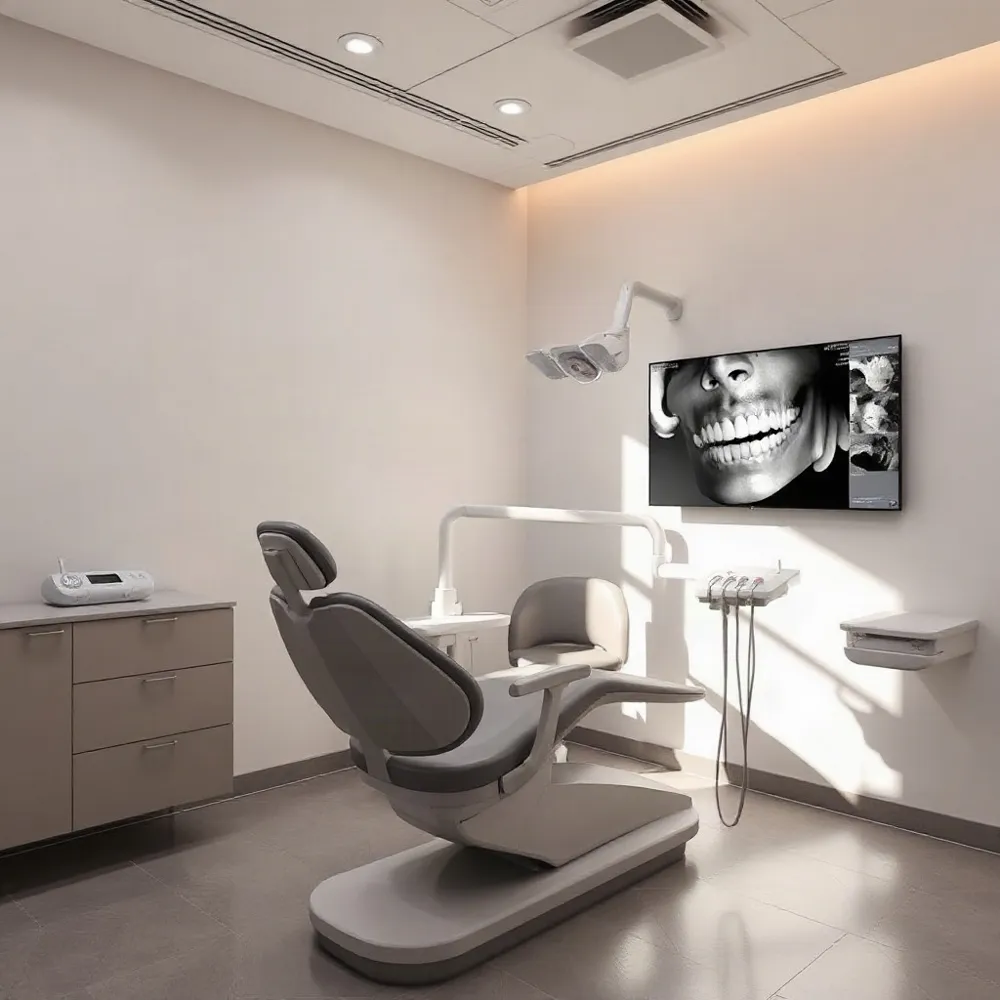 Clear aligners offer a discreet alternative to braces, with trays that can be removed for meals and brushing. Braces use fixed brackets and wires, so they remain in place throughout treatment. The American Association of Orthodontists’ guide to clear aligners notes that aligners can address concerns such as crowding, gaps, and some bite issues, but they are not right for every patient.
For some complex tooth movements, severe crowding, or significant bite and jaw concerns, braces may provide more predictable control. Other cases may call for aligner attachments, elastics, braces, or a combined approach. Smile Perfector Dental Group’s digital imaging and personalized planning help the care team assess tooth position and bite before discussing suitable options.
Neither treatment is universally faster. Timing depends on the movements required, the treatment plan, and how consistently a patient follows instructions. Aligners are often prescribed for about 20 to 22 hours a day, so their removability comes with a daily commitment. A small 2024 study of adults with mild-to-moderate malocclusion compared aligners with braces, but its findings should not be treated as a timeline forecast for an individual case.
Aligners may work well for crowded or crooked teeth, gaps, and some overbites, though the details matter. An examination can clarify whether aligners are suitable and whether attachments or elastics may help. At Smile Perfector Dental Group, a consultation can also identify when braces or a combined plan may better fit your bite and smile goals, without assuming one appliance is best for everyone.
Everyday Benefits and Real Commitments
For many Los Angeles adults, clear aligners offer a discreet way to straighten teeth during meetings and social occasions. Removable trays also let you eat and brush and floss without working around brackets and wires. The American Association of Orthodontists’ guide to clear aligners explains both this flexibility and the daily care it requires.
That flexibility comes with a routine. Many treatment plans call for wearing aligners about 20 to 22 hours a day, removing them for meals and drinks other than plain water, and cleaning your teeth before putting them back in. Keep trays in their case when they are out, rather than setting them on a napkin where they can be lost or damaged.
Remembering to reinsert trays after meals can take planning, especially during a busy workday. New trays may also bring temporary pressure or soreness, and some people notice a short-lived change in speech as they adjust. If discomfort persists or concerns you, ask your dental provider for guidance.
Check-ins remain part of professional treatment so a clinician can assess progress and address fit or other concerns. Visit schedules vary by case and practice; some offices may offer remote monitoring when appropriate. At Smile Perfector Dental Group, a fully digital workflow and advanced imaging support personalized planning, while a clinician can discuss how aligners fit your oral health, smile goals, and day-to-day routine.
Timelines, Wear, and Retainers
For Los Angeles residents considering clear aligners, treatment often takes several months to two years, with many cases lasting around 12 to 18 months. The American Association of Orthodontists notes that the number of trays and overall treatment time depend on the movements needed, so a personalized estimate is more useful than a general promise. The journey to a confident smile is unique to you.
How long does clear aligner treatment take? The answer depends on how much your teeth and bite need to move, how they respond, and whether you follow the wear schedule your clinician recommends. Consistent wear and regular follow-up visits help us track your progress and make adjustments if teeth are not moving as expected. At Smile Perfector Dental Group, we use digital imaging and personalized care to support treatment planning based on your individual smile, rather than a one-size-fits-all timeline. We're here to help you achieve the confident smile you deserve.
How many hours a day should you wear clear aligners, and what is the 30-minute rule? Many plans call for wearing trays about 20 to 22 hours a day, but your clinician’s instructions should guide you. Remove them for meals and drinks other than water, then clean your teeth before putting them back in. The “30-minute rule” may mean returning trays promptly after a break or limiting the break itself. It is not a universal clinical standard, so ask your dental professional what applies to your plan.
How often you change trays also varies by treatment plan and clinician. Follow the schedule you are given rather than changing trays early or assuming aligners are inherently faster than braces. After active treatment, retainers are generally needed to help prevent teeth from shifting. Your provider will set the retainer schedule and explain how to maintain your result over time. Your commitment to the process will pay off with a smile you'll love.
Professional Oversight and At-Home Options
At-home aligners may seem convenient or less expensive, but the right choice depends on more than the trays. Before recommending clear aligners, our team at Smile Perfector Dental Group can use its digital workflow and advanced imaging to support an individualized assessment in the context of your overall dental care, giving you confidence that your treatment plan is tailored to your unique needs.
An in-person evaluation lets a clinician examine your teeth, gums, and bite, and identify oral-health concerns that a home scan or impression may not reveal, ensuring that your treatment is based on a complete picture and building your confidence in the recommended approach. The American Association of Orthodontists’ guidance on clear aligners emphasizes that aligners are not suitable for everyone and that a professional should determine whether aligners, braces, or a combined approach fits the case.
Remote services vary, and not every at-home option lacks safeguards. Still, less direct follow-up can make it harder to spot when teeth are not moving as planned or when gum irritation or bite changes need attention. Clinician check-ins provide an opportunity to monitor progress and adjust the plan when needed, so you can feel confident that your treatment is on track.
Before choosing a route, ask who reviews your case, what examinations are included, how progress is checked, and how you can get help if a tray does not fit. For Los Angeles residents, a personalized consultation at Smile Perfector Dental Group can clarify the supervision and follow-up involved, alongside your smile goals and oral health, helping you make a confident decision about your care.
Understanding Costs and Payment Options
How much do clear aligners cost, and why can prices vary? As general context, treatment may cost about $2,000 to $8,000, but that range is not a quote from Smile Perfector Dental Group or a guaranteed Los Angeles price. Your estimate depends on the care your teeth and bite require. While the investment varies, the result—a straighter, more confident smile—is something our Los Angeles patients tell us they value most.
A simpler alignment plan may involve fewer trays and less follow-up than more involved tooth or bite correction. Fees can also vary by the type of aligner and provider, and by what the price includes, such as digital images, refinement trays, follow-up visits, and retainers. At Smile Perfector Dental Group, we use a digital process and detailed images to plan your treatment specifically for your needs.
Ask for a written breakdown showing what is included and whether additional visits or retainers could add costs. You can also check whether your dental insurance covers teeth straightening treatment, or whether flexible spending account (FSA) or health savings account (HSA) funds are eligible. Plans may offer monthly payments or financing, but availability, coverage, and terms vary. The American Association of Orthodontists’ guidance on aligners notes that coverage depends on the dental plan and recommends getting a personalized estimate from a qualified clinician.
Adult Treatment at Any Stage
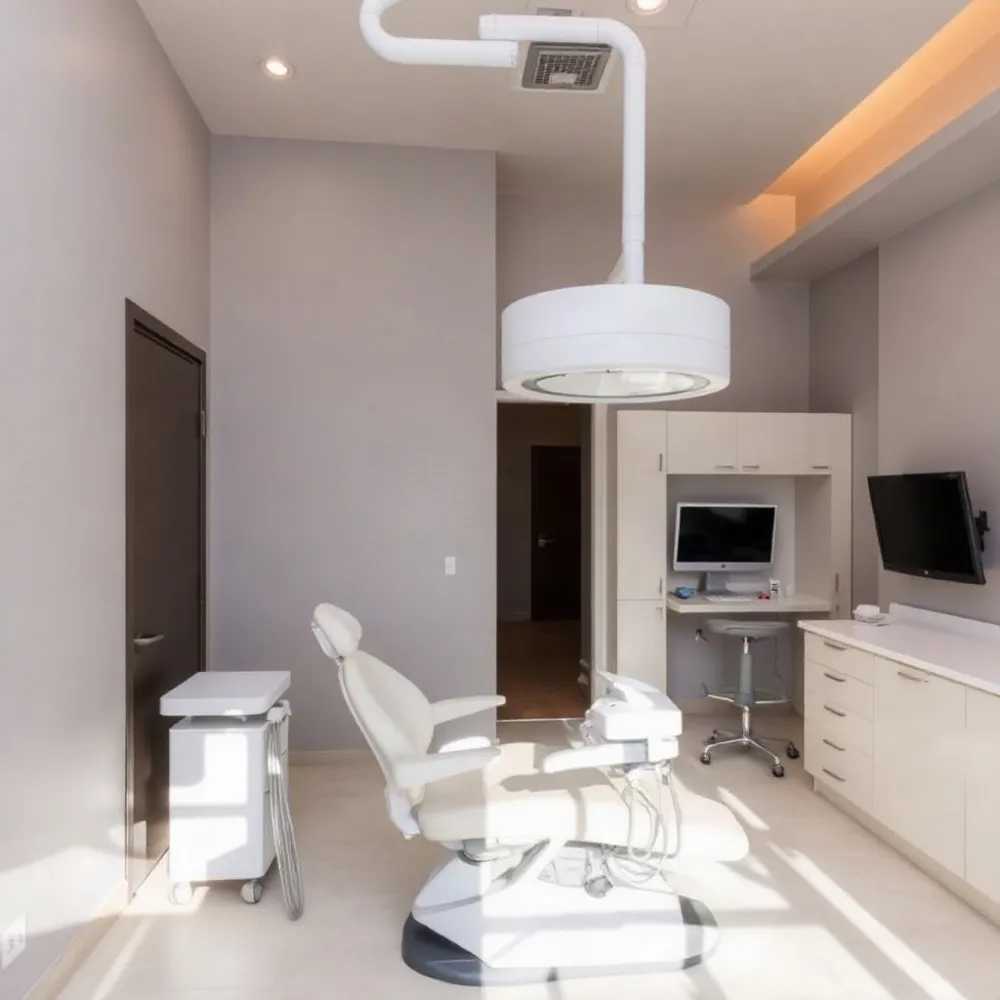 Considering orthodontic treatment at 40 or later? Age alone does not rule out clear aligners. Candidacy depends on your goals and the health of your teeth and gums, as well as your bite and the movements needed. An orthodontist can assess whether aligners or another approach is suitable, as the American Association of Orthodontists explains.
Existing dental work can also affect treatment planning. At Smile Perfector Dental Group, a digital workflow and advanced imaging support an individualized review of your smile and dental needs. For Los Angeles adults, an evaluation is a chance to discuss clinical options, daily routines, and the confidence you hope to gain, without assuming a particular treatment or result.
Start With a Personalized Conversation
Clear aligners can offer some adults a discreet, flexible way to straighten teeth, but suitability depends on a professional assessment (American Association of Orthodontists). Daily wear, follow-up, timing, and budget all deserve an honest discussion.
At Smile Perfector Dental Group in Los Angeles, a digital workflow and personalized care can help shape a plan around your smile goals. A conversation can clarify options without promising a particular brand, timeline, or result.