When Sleep Becomes a Dental Conversation
Repeated breathing interruptions during sleep can leave you feeling tired, foggy, or less focused during the day. Loud snoring may be one sign of obstructive sleep apnea (OSA), but it is not the only one. Some people wake with a dry mouth or headache, while others notice that a bed partner has seen pauses in their breathing. These signs can raise a concern, but none confirms OSA on its own. The American Dental Association’s overview of obstructive sleep apnea explains that diagnosis requires medical evaluation and testing.
For Los Angeles residents, a dental appointment can be a useful place to mention sleep-related symptoms or ask whether oral features warrant further attention. A dentist may recognize possible risk and suggest that you speak with a physician or sleep specialist, but screening is not a diagnosis. Sleep apnea must be assessed by a qualified medical professional.
At Smile Perfector Dental Group, personalized care and digital technology support a thoughtful dental experience, but the practice’s stated services do not establish sleep-apnea screening or oral appliance treatment. In coordinated care, a qualified dentist may fit and monitor an appliance if a sleep physician determines it is appropriate. That collaboration keeps diagnosis and treatment decisions with the right clinicians, while giving patients a clear path to ask questions and seek follow-up.
Recognizing Possible Signs
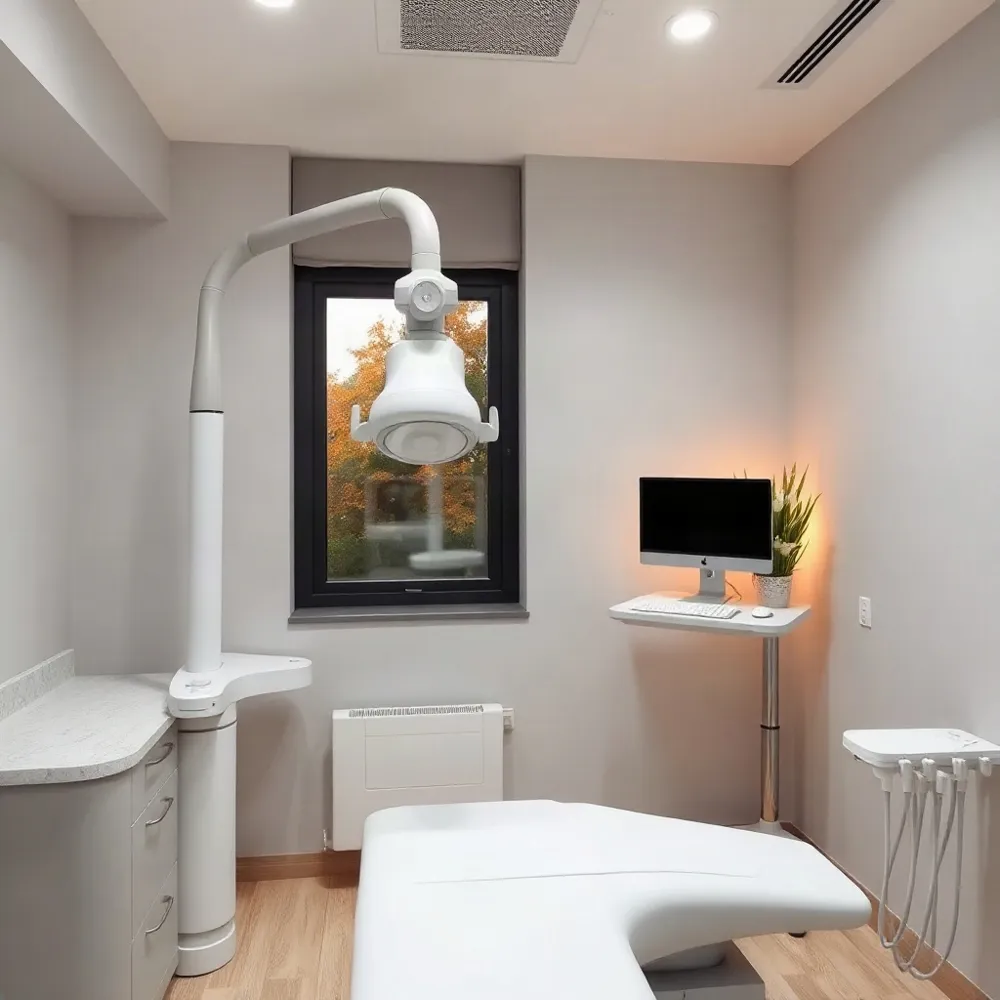 Your confidence starts with a good night's sleep. If you're a Los Angeles resident concerned about your sleep and overall health, understanding the signs of sleep apnea is an important step. Sleep apnea occurs when the airway repeatedly narrows or becomes blocked during sleep, disturbing your breathing and rest. The signs are not always easy to spot, but being aware can help you seek the right care.
Possible signs worth discussing with your healthcare provider include loud or irregular snoring, pauses in breathing noticed by someone nearby, and nighttime gasping or choking. Daytime sleepiness or fatigue, waking with a dry mouth, and morning headaches may also be reasons to ask about an evaluation.
Some people have few obvious symptoms, and snoring by itself does not confirm the condition. The American Dental Association’s overview of sleep apnea explains that diagnosis requires assessment by a physician or sleep specialist, often with sleep testing.
Untreated sleep apnea is associated with health concerns such as high blood pressure, heart disease, stroke, and type 2 diabetes. These are possible risks, not inevitable outcomes for every person with symptoms. If you recognize several signs, share them with your healthcare provider and ask whether further evaluation is appropriate. At Smile Perfector Dental Group, we provide personalized dental care and advanced digital technology to support a comfortable visit. While questions about suspected sleep apnea should be directed to a medical professional, we are here to help you with your dental health and overall well-being.
What Dentists Can Notice
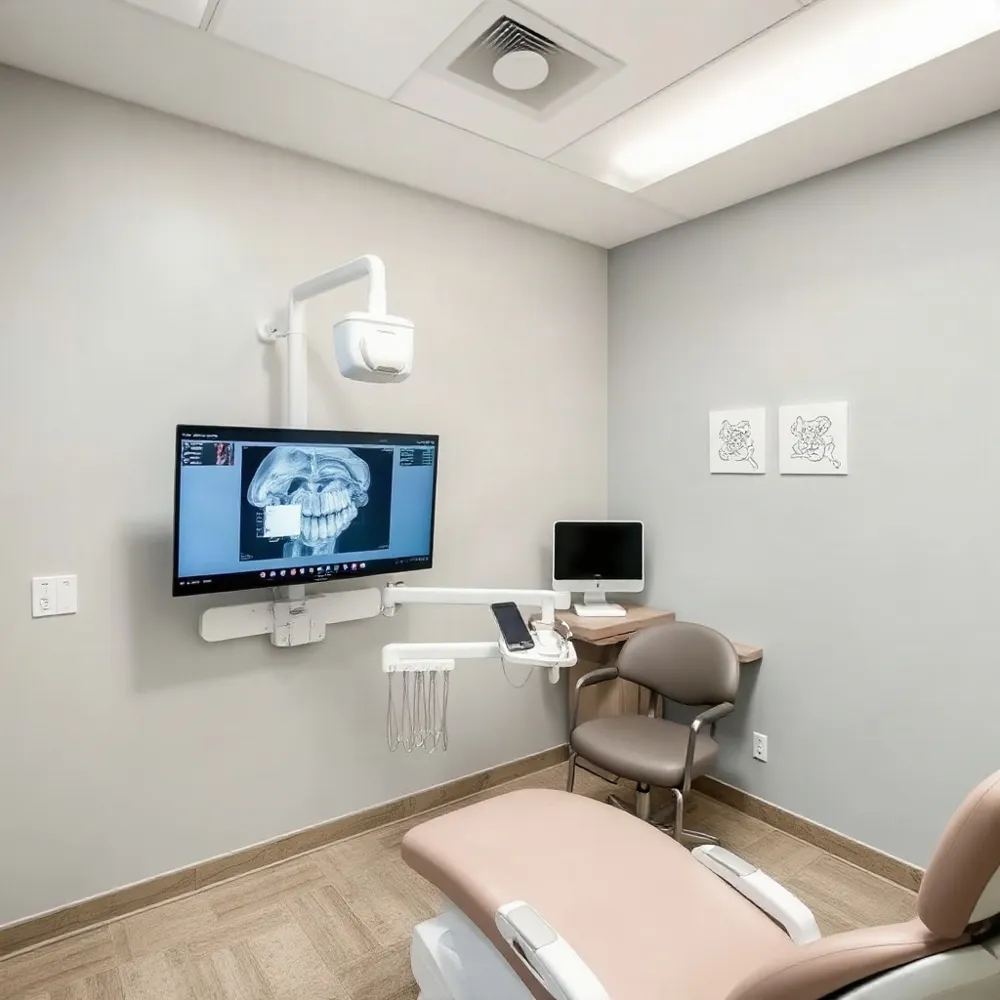 For Los Angeles residents, a dental visit can offer a useful place to raise sleep concerns. Your dentist may ask whether you snore, feel sleepy during the day, wake gasping, or have someone notice pauses in your breathing. Questions about your health history can add context to what you describe.
An oral and facial examination may reveal features linked with a higher risk of sleep apnea, such as a large tongue or tonsils, a small or set-back lower jaw, or a high-arched palate (the roof of your mouth). These observations are helpful clues that can guide a conversation with your doctor. The American Dental Association recognizes that dentists can play a key role in identifying patients who may benefit from a sleep evaluation.
If symptoms or exam findings raise concern, a dentist may suggest discussing them with your primary care physician or a sleep specialist. That referral can help you take a practical next step toward proper evaluation, which may include a sleep study. Dental screening works hand-in-hand with medical care to support your overall health. The American Academy of Dental Sleep Medicine highlights how dental screenings can be a valuable first step in identifying potential sleep issues.
For Los Angeles patients, a comfortable, unhurried dental conversation can make it easier to share concerns and understand what follow-up may be appropriate. At Smile Perfector Dental Group, we believe in personalized, comfortable care supported by digital technology. Our team is here to listen to your concerns and help guide you toward the right resources for your health journey. Ask us about your sleep questions during your next visit—we're happy to help you take that first confident step.
Diagnosis Belongs to Sleep Medicine
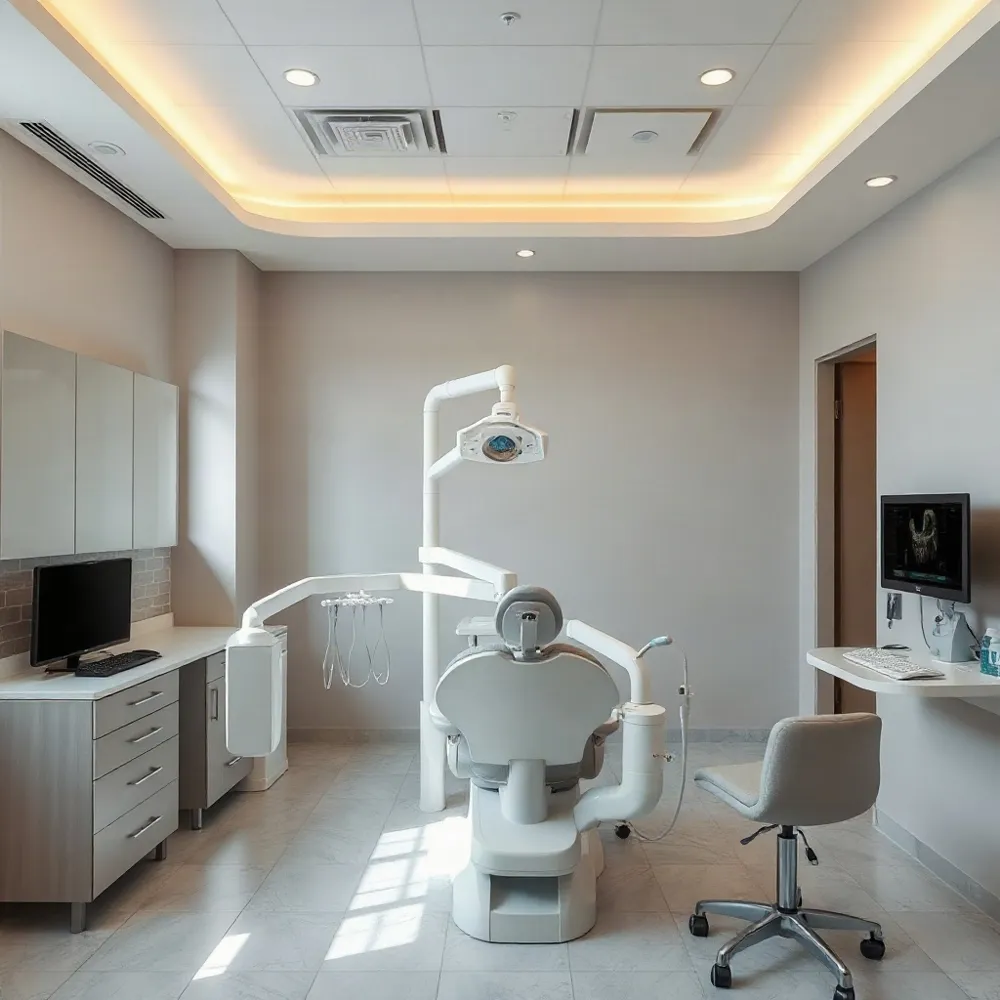 A dentist can help with obstructive sleep apnea (OSA), but cannot diagnose it independently. Diagnosis belongs to a physician or trained sleep specialist, who considers your symptoms and health history alongside appropriate testing. The American Dental Association’s guidance on OSA distinguishes dental screening and referral from medical diagnosis.
An attended overnight sleep study, called polysomnography, is the reference-standard test. For some adults without complicating health conditions, a home sleep apnea test may be appropriate as part of a comprehensive sleep evaluation. A dentist does not interpret these test results or use a dental examination alone to confirm OSA.
If a dental visit raises concern, the next step is medical assessment. A dentist can encourage you to speak with your physician or a sleep specialist, then coordinate with that provider if dental care becomes part of your plan. At Smile Perfector Dental Group in Los Angeles, personalized care and digital technology support a considered dental experience, while sleep apnea diagnosis remains with medical professionals.
After OSA is diagnosed, a qualified dentist may assess whether a prescribed oral appliance is suitable. The custom device can gently move the lower jaw forward to help keep the airway open during sleep. The dentist can fit and adjust it, monitor comfort and bite changes, and work with the medical provider during follow-up. This coordinated role is described in a review of dentists’ responsibilities in OSA care.
If you live in Los Angeles and notice persistent snoring, gasping during sleep, or unusual daytime tiredness, speak with a physician or sleep specialist about evaluation. Dental support may be part of treatment later, but it does not replace medical diagnosis or management.
How Oral Appliances Work
If you are a Los Angeles resident with diagnosed sleep apnea, an oral appliance could be part of your treatment plan, developed with your sleep physician and a qualified dentist. These devices are worn while you sleep to help keep your airway open. While not everyone is a candidate, your care team can help determine if this option is right for you.
There are two main types: devices that gently move your jaw forward, and devices that hold your tongue in place. Both work to keep your airway clear. The right choice depends on your specific situation, and your dentist can help you find the best option. Cleveland Clinic’s overview of oral appliance therapy explains more about how these devices can help.
A custom appliance is made just for you, using impressions or a digital scan of your teeth. This ensures a precise fit that supports your oral health and comfort. Your dentist will work with your physician to make sure the appliance is right for you.
Regular follow-up care is important because your comfort and oral health can change over time. Your dentist can check the fit, make adjustments, and watch for any issues like jaw discomfort. This personalized care helps you feel confident in your treatment. Ask your sleep physician for a referral to a dentist who specializes in oral appliance therapy.
Choosing Between an Appliance and CPAP
Who may be a good candidate for an oral appliance, and who may need another treatment?
If you have mild to moderate sleep apnea and find CPAP uncomfortable, a custom oral appliance might be a good option for you. This small device gently moves your lower jaw forward to help keep your airway open while you sleep, making it easier to breathe. Your sleep physician and a qualified dentist will review your sleep test results, oral health, and jaw condition to determine if it's right for you. The American Dental Association’s guidance on OSA notes that oral appliances can be part of a physician-coordinated care plan, but they aren't for everyone.
If your sleep apnea is more severe, or if you have certain dental or jaw concerns, your doctor may recommend CPAP or another medically guided approach. Always consult your doctor before making any changes to your prescribed treatment. For Los Angeles patients, a comfortable, personalized dental visit can be a great place to discuss your oral health concerns. At Smile Perfector Dental Group, we focus on digital imaging and personalized care to help you feel confident about your smile. (Note: While we offer comprehensive dental services, please consult your sleep physician for sleep apnea treatment options.)
How do oral appliances compare with CPAP, and which option is most effective?
CPAP uses a mask and pressurized air to keep your airway open during sleep. It is often very effective at reducing breathing interruptions, especially for moderate to severe sleep apnea. An oral appliance is smaller and more portable, and many people find it easier to wear every night. However, it may not control sleep apnea as well as CPAP. Studies show that oral appliances can work well for some people, but results vary, so follow-up care is important (review of oral appliances in OSA).
The best choice for you depends on your sleep test results, your health needs, and which treatment you feel comfortable using consistently. If you choose an appliance, your medical provider can arrange follow-up sleep testing to make sure it's working. Keep your sleep physician and dental team informed about your symptoms, comfort, and any changes in your treatment.
Comfort, Side Effects, and Follow-Up
Adjusting to a sleep appliance can take time. Some people notice temporary jaw or tooth soreness, dry mouth, extra saliva, or morning stiffness. These effects vary, so let your dental or sleep-care provider know if discomfort is severe, persists, or interferes with use. A dentist can assess the fit and discuss whether an adjustment may help.
Longer-term use may gradually change how the teeth meet. Some people develop shifts in their bite, including changes in how the upper and lower teeth fit together, or changes in contact between the back teeth. These effects do not occur in everyone, but regular dental checks can help identify them. The American Dental Association’s guidance on oral appliance therapy describes the need to monitor dental health and possible bite changes during treatment.
Follow-up visits give the dentist a chance to review comfort, appliance fit, oral health, and bite changes, then adjust the device when appropriate. At Smile Perfector Dental Group, the practice’s digital imaging and personalized care support attentive dental evaluations, though patients should confirm whether a specific sleep-appliance service is offered.
Less snoring or feeling more rested does not by itself confirm that sleep apnea is controlled. When recommended, follow-up sleep testing provides objective information about treatment response and should be coordinated with the sleep physician. Dental checks alone cannot confirm that the condition is adequately managed; the dentist and sleep physician each contribute to ongoing care.
A Collaborative Path to Better Rest
If persistent snoring, gasping during sleep, or daytime tiredness is affecting your life, talk with your physician or a sleep specialist. You can also mention these concerns at a dental visit, where a conversation may help prompt a referral. The American Dental Association’s guidance on obstructive sleep apnea explains that dental screening can identify possible risk, but cannot confirm a diagnosis.
Diagnosis and treatment planning belong with medical professionals. When an oral appliance is appropriate, a qualified dentist can contribute by assessing dental suitability and providing care in coordination with the medical team. This shared approach helps ensure treatment choices reflect your diagnosis and oral health.
For Los Angeles residents, asking questions is a practical first step: What evaluation is needed? Which options fit your situation? What should you expect for comfort and follow-up? At Smile Perfector Dental Group, personalized care and a comfortable setting support open conversations about your oral health, while sleep concerns should be evaluated by the appropriate medical professionals.