Choosing a Path to a Confident Smile
If you are considering a straighter smile in Los Angeles, clear aligners and traditional braces are two established options. Both apply gentle, planned pressure to move teeth, but they differ in appearance, daily care, and how much they rely on you to follow treatment instructions.
There is no single best choice for everyone. The American Association of Orthodontists explains that treatment should follow an individual diagnosis and reflect a patient’s orthodontic needs, goals, and lifestyle (AAO guidance on braces and clear aligners). A clinical assessment helps show which approach can address your bite and alignment, rather than focusing on appearance alone.
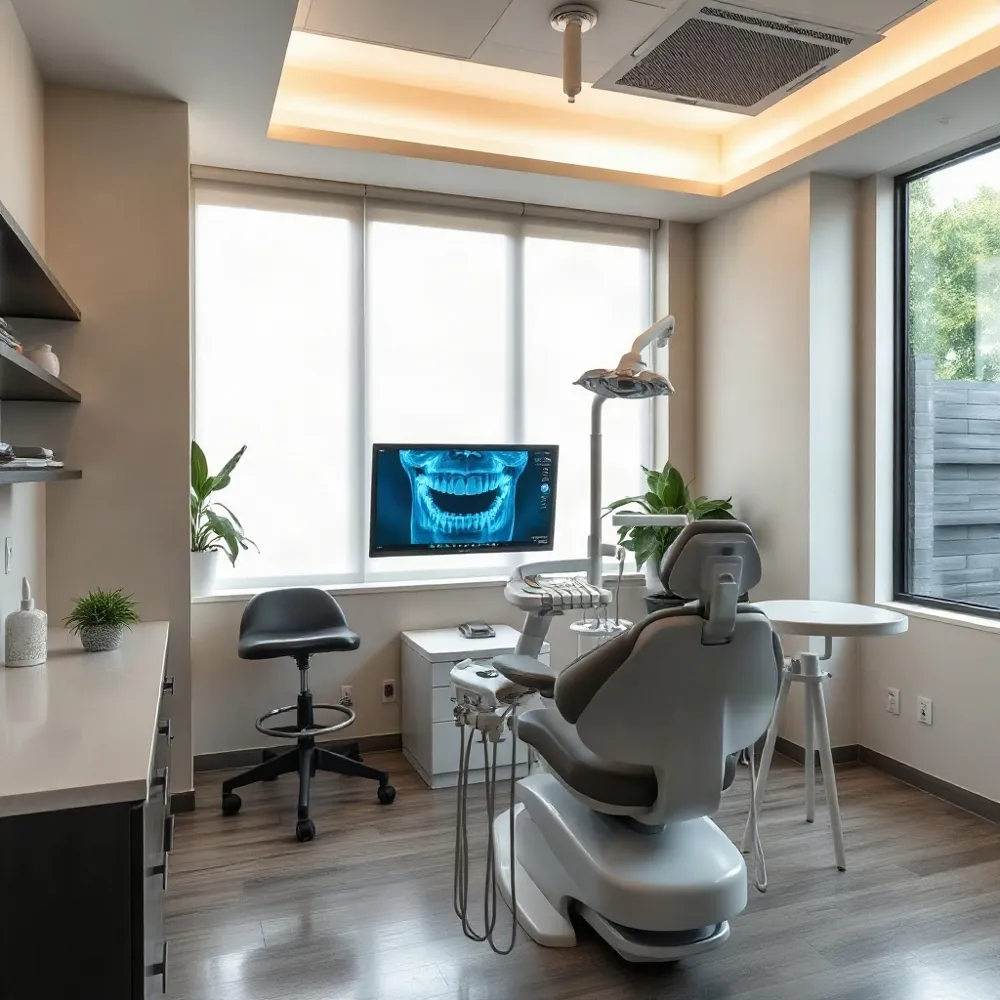
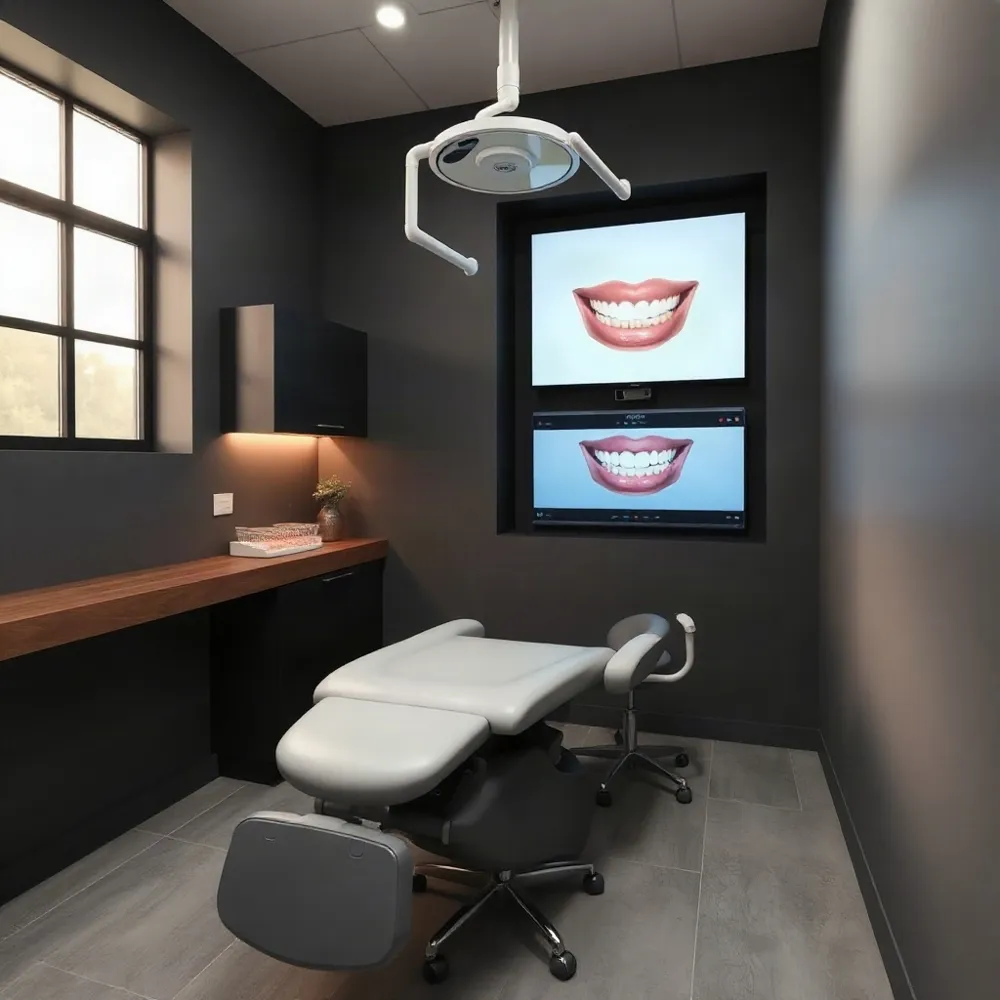
At Smile Perfector Dental Group, digital imaging and personalized smile planning can support a thoughtful conversation about your options. Your daily routine matters, too: removable aligners offer flexibility, while fixed braces do not need to be taken out and put back in. Together, you and your dental professional can weigh those practical differences and choose a plan suited to your smile.
How the Two Treatments Work
 How the Two Treatments Work
If you're a Los Angeles resident considering orthodontic treatment, you might be wondering about the difference between clear aligners and braces. Both work by gently moving your teeth over time, helping you achieve a smile you can feel confident about. The main difference is how each appliance fits into your daily routine.
Clear aligners are custom-made, clear trays that you wear in a planned sequence. You remove them to eat and clean your teeth, then put them back in as directed. Small tooth-colored pieces may help guide certain movements, so aligners are not always completely invisible. They also require consistent wear to work as planned.
Braces use small brackets attached to your teeth, connected by a wire. Your orthodontist adjusts the wire during treatment to guide tooth movement. Because braces stay fixed in place, you don't have to remember to put them back after meals, though cleaning around the brackets and wires requires careful attention.
The practical trade-off is removability and discretion with aligners versus a fixed appliance that gives your orthodontist more direct control over movement. The American Association of Orthodontists’ comparison of braces and clear aligners notes that the right choice depends on your diagnosis, treatment goals, and lifestyle. At Smile Perfector Dental Group, digital imaging and personalized smile planning can help inform that conversation for you as a Los Angeles patient.
Weighing Everyday Benefits and Tradeoffs
Everyday routines can make a noticeable difference in how orthodontic treatment feels. Clear aligners are less conspicuous than braces and can be removed for meals and oral care. Braces remain in place, so there is no need to remember to put them back after eating, but their brackets and wires call for extra attention.
With braces, brush and floss carefully around brackets and wires, and avoid hard, sticky, crunchy, or chewy foods that could damage the appliance. Aligners let you eat without those appliance-related food restrictions, but remove them for meals and clean your teeth before putting them back. Avoid sugary or acidic drinks while wearing trays, since liquid can become trapped against the teeth. The American Association of Orthodontists’ guidance on braces and clear aligners explains these practical differences.
Removability also asks more of you: aligners generally need to be worn at least 22 hours a day, in the prescribed sequence, and stored safely when they are out. If you choose aligners, Smile Perfector Dental Group’s digital imaging and personalized planning can support a conversation about how treatment fits your routine and smile goals.
Whichever option you choose, daily brushing and flossing matter, and retainers help maintain the result after treatment. A personal evaluation can weigh visibility, meal-time flexibility, cleaning habits, and the risk of forgetting or losing trays, so the choice reflects your life as well as your dental needs.
Matching Treatment to Your Smile
How can I tell whether clear aligners or braces are right for me?
The right choice depends on your bite, the tooth movements needed, your oral health, and your goals, not appearance alone. Clear aligners may help with crowding, gaps, and some bite concerns, including certain overbites. They are removable and less noticeable, but you need to wear them as directed for treatment to progress.
Braces can treat most orthodontic problems and may offer more predictable control for some complex movements. Research comparing aligners and fixed braces finds that effectiveness can vary with the type of movement required, so the findings do not point to one option as right for everyone (systematic review of aligners and fixed braces). In some cases, a plan may include attachments or elastics to help guide movement. These details do not establish that a particular case qualifies for aligners.
A careful assessment considers your teeth and bite alongside your preferences and daily routine. The American Association of Orthodontists explains that diagnosis may draw on records such as X-rays, photographs, and dental models (AAO guidance on braces and clear aligners). Digital scans may also help inform treatment planning.
At Smile Perfector Dental Group, Dr. David Shouhed can discuss how the findings relate to your smile goals and comfort. The practice’s digital workflow and personalized approach support an individualized conversation about possible options, not a promise that aligners or braces will be suitable. You can ask what movements your plan would address, whether additional appliances may be needed, and how each option fits your routine.
Why a Dentist May Recommend Aligners
Why a Dentist May Recommend Aligners
For Los Angeles residents looking for a confident smile, your dentist may recommend clear aligners if they are a good match for how your teeth need to move and your bite goals, and if you feel confident you can wear them consistently. Aligners are removable for meals and oral care, and their nearly invisible look can appeal to anyone who prefers a less noticeable option.
That recommendation comes from a thorough examination, not just how your smile looks. The American Association of Orthodontists emphasizes that treatment choices should be based on an accurate diagnosis and your unique needs and goals. At Smile Perfector Dental Group in Los Angeles, we use digital imaging and personalized smile planning to have a careful conversation about which approach is right for you.
Some types of tooth movement, including certain bite corrections or other complex adjustments, may be less predictable with aligners. Fixed braces give your orthodontist more direct control for complex adjustments, so they may be recommended when they are better suited to your treatment goal. Research comparing aligners and braces shows that outcomes can vary depending on the type of movement needed, rather than one appliance being best for everyone. The AAO’s treatment guidance and a review of studies on aligners and fixed braces explain why a clinical assessment is so important.
Your oral health, preferences, and daily habits also play a big role. Aligners generally need to be worn about 22 hours a day, taken out for meals, and cleaned as directed. If that routine feels difficult to maintain, a fixed option may be a better fit for your lifestyle. Before deciding, ask your dentist what the recommended treatment is expected to achieve, which movements might be challenging, and what alternatives could help you reach your smile goals. Our team at Smile Perfector Dental Group is here to help you feel confident in your choice.
Setting Realistic Treatment Timelines
Which treatment is usually faster, clear aligners or braces? For some people with mild-to-moderate alignment concerns, aligners may take less time, but there is no reliable shortcut that applies to every smile. Treatment length depends on the movements needed, the health of your teeth and gums, and how closely you follow your plan.
Broad estimates sometimes put aligner treatment at about 12–18 months and braces at about 18–24 months. These ranges are not promises or universal averages. Complex tooth or bite changes can take longer, and braces may be a better fit when treatment calls for more involved movements. Aligners also rely on consistent wear, typically 20–22 hours a day, as directed by your clinician.
A 2024 study of 100 adults with mild-to-moderate malocclusion reported average treatment times of 14.5 months with aligners and 16.2 months with braces. The participants had a defined range of needs, so the findings do not predict how long treatment will take for you or for someone with a complex case. The study offers useful context, not a personalized forecast.
At Smile Perfector Dental Group, digital imaging and personalized planning can help connect your goals with the tooth movements your treatment requires. Ask for an estimated timeline based on your teeth and bite, what could extend treatment, and how progress will be checked. A clear estimate gives you a more practical basis for choosing than generalized claims about which option is faster.
Understanding Pressure and Soreness
For Los Angeles residents considering clear aligners or braces, it's natural to wonder about comfort during treatment. Both options can effectively straighten your teeth, and any temporary pressure or soreness is a sign that your treatment is working toward a confident smile. You may notice it when treatment begins, after a brace adjustment, or when you start wearing a new aligner.
Smooth aligners are designed to minimize irritation to your cheeks and lips, unlike brackets or wire ends. While a new tray may feel snug at first, it's a normal part of the process as your teeth begin to move. Braces can also cause some temporary irritation, but your dental team can provide tips to manage any discomfort.
Research suggests that some people may experience less discomfort with clear aligners compared to braces, but every patient's experience is unique. Your treatment plan will be tailored to you, so it's best to discuss what you can expect with your dental professional. Read the study.
At Smile Perfector Dental Group in Los Angeles, we use digital imaging and personalized treatment planning to consider your teeth, bite, and goals. Comfort varies from person to person, so we encourage you to ask about what you might expect with your proposed plan. If soreness is severe or does not ease, contact your dental professional.
An individualized assessment is key because no appliance is right for everyone. The American Association of Orthodontists recommends that treatment should follow a diagnosis based on a thorough examination and your specific needs. AAO guidance on braces and clear aligners.
Planning for Cost and Insurance
Wondering about the cost of clear-aligner treatment in Los Angeles? While every case is unique, nationally the cost can range from about $1,800 to $8,100, with an average near $5,100. Keep in mind that these are national figures, and your actual cost will depend on the complexity of your case, the length of treatment, and your insurance plan.
Dental insurance that covers orthodontic care may contribute toward treatment. Some plans offer up to $3,000, but the amount and eligibility rules vary. We recommend contacting your insurer to confirm whether your plan covers clear aligners, how much it may pay, and whether there are any waiting periods or lifetime limits on coverage.
After a consultation, request a written, personalized estimate that separates the expected cost of treatment from what your insurance will cover. Ask what payment options are available and whether the estimate could change if your treatment plan or timeline changes. At Smile Perfector Dental Group, our team is here to review your plan with you and discuss payment options as part of a personalized treatment conversation. We are committed to transparent pricing and will work with you to find a solution that fits your budget and helps you achieve the smile you deserve.
Building Consistency Into Aligner Care
How many hours a day should I wear clear aligners?
For Los Angeles residents looking to achieve a confident smile, most clear aligners are worn about 20 to 22 hours a day, including overnight. Take them out for meals and for brushing and flossing, and drink only water while wearing them unless your provider gives different instructions. The American Association of Orthodontists’ guidance on aligners also stresses following the prescribed wear schedule.
Consistent wear is key to helping your teeth move as planned, bringing you closer to the smile you deserve. Longer breaks may slow progress or affect how the next tray fits, so follow the schedule your dental provider gives you. At Smile Perfector Dental Group, digital imaging and personalized planning can help shape an aligner plan around your smile and specific needs.
If you have not worn your aligners for an extended period, ask your provider what to do before moving to the next set. Advancing without guidance may mean the tray does not fit as intended. A quick check-in can help you resume treatment safely and keep your plan on track.
Considering Aligners for an Overbite
Can clear aligners treat an overbite?
Yes, clear aligners may help correct some overbites and give you a confident smile, particularly when the issue is mild to moderate and mainly involves tooth position. The right approach depends on how the upper and lower teeth meet, the movements needed, and whether the jaw itself is involved. The American Association of Orthodontists notes that aligner suitability depends on an individual diagnosis, while braces can treat most orthodontic problems (AAO guidance on braces and clear aligners.
A treatment plan may use custom trays with small tooth-colored attachments, or elastic bands when indicated, to help guide movement. At Smile Perfector Dental Group in Los Angeles, digital imaging and personalized smile planning can support a careful review of your teeth and bite before discussing options.
A more pronounced overbite, or one linked to jaw position rather than tooth alignment alone, may call for braces or a combined treatment approach. Research comparing aligners and fixed braces finds that results can vary with the type of movement required, so findings for one patient should not be treated as a prediction for another (systematic review of aligners and fixed braces. Our team is committed to helping you achieve a smile you feel confident about.
Even when aligners are suitable, progress depends on wearing them for the prescribed hours and changing trays as directed. An individualized evaluation at Smile Perfector Dental Group in Los Angeles can help clarify which option may fit your overbite, daily routine, and smile goals, so you can feel confident in your smile.
Choose With Confidence
The best choice is the treatment that fits your bite, smile goals, oral health, and daily routine. Appearance, comfort, and speed can all matter, but none alone can determine which approach is suitable. The American Association of Orthodontists recommends an accurate diagnosis to guide treatment planning, since no single appliance is right for everyone (AAO guidance on braces and clear aligners).
For Los Angeles residents, a dental consultation is a chance to discuss the tooth movements needed, your expectations, and any concerns about wearing or caring for an appliance. At Smile Perfector Dental Group, digital imaging and personalized smile planning can help inform that conversation. Ask which options fit your case, what the plan involves, and how progress will be monitored. A clear, individualized plan can help you move toward a confident smile with realistic expectations.