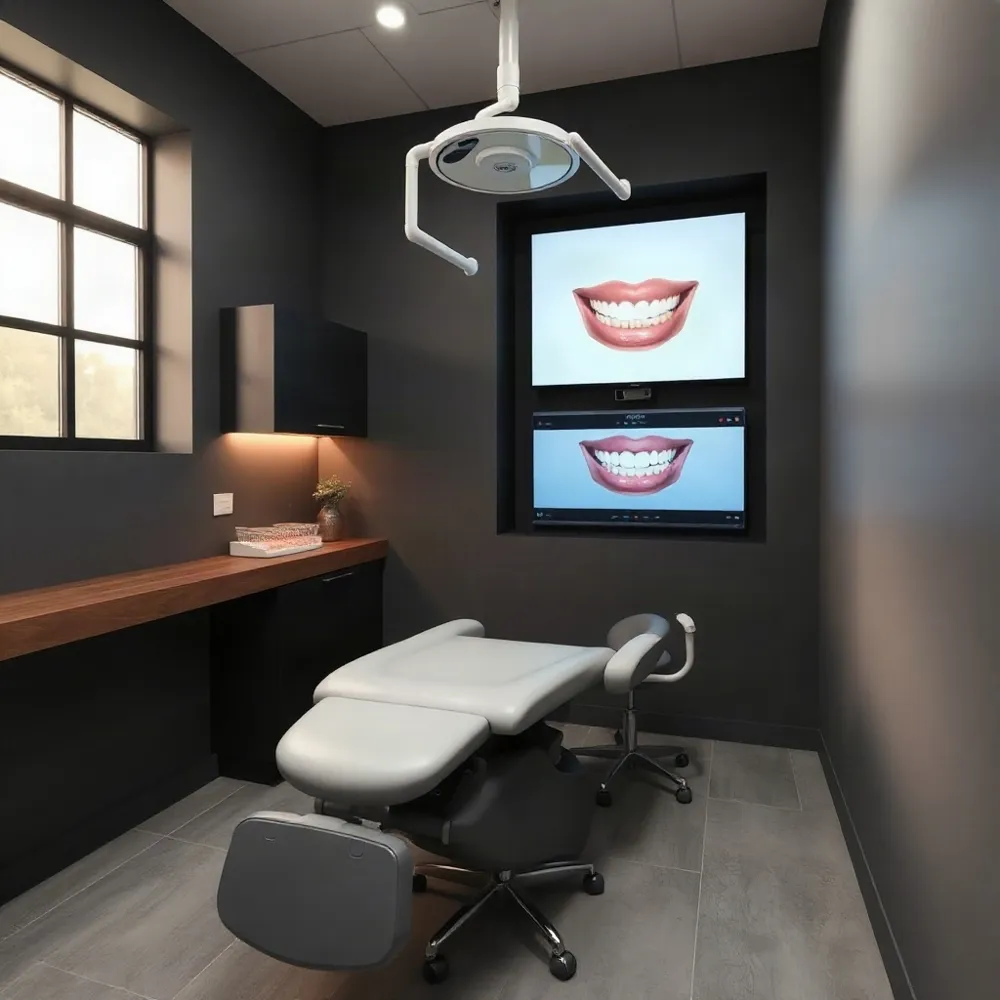
A Thoughtful Path to a Confident Smile
If you are considering dental implants in Los Angeles, it is natural to want a clear picture of what treatment involves. The process starts with an evaluation of your oral health, jawbone, and goals, so your care team can discuss an approach suited to you.
A dental implant is a small post placed in the jawbone to replace a missing tooth root. It supports a custom crown or another restoration designed to look and function much like a natural tooth. Your dentist will assess whether an implant is appropriate and explain the options, including comfort measures, before treatment begins. Mayo Clinic’s overview of dental implant surgery explains the stages and factors involved.
Treatment usually unfolds over several months, allowing time for the implant to join with the bone before the final restoration is attached. Some patients also need preparatory care, such as a bone graft. At Smile Perfector Dental Group, digital imaging and personalized planning help shape a treatment plan around your needs, with timing confirmed after an individual evaluation.
Start With a Personal Evaluation
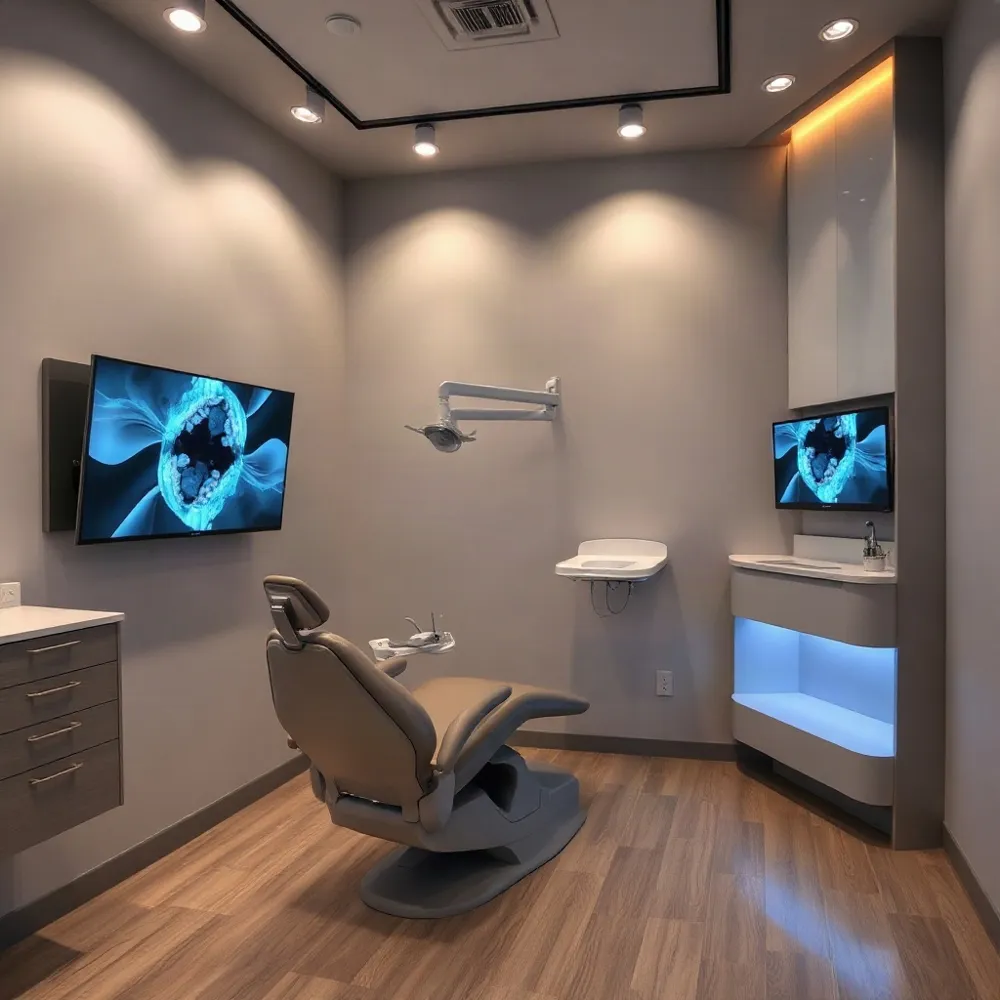 Choosing dental implants starts with understanding your oral health and what you hope to restore. At the first visit, your dentist typically reviews your medical and dental history, examines your teeth and gums, and may use X-rays or 3D images to assess your jawbone and plan treatment. At Smile Perfector Dental Group, digital imaging supports a personalized evaluation and treatment plan.
Candidacy depends on more than a gap in your smile. Bone volume and growth, gum and oral tissue health, and health conditions that may affect healing all matter. You should also be prepared for a treatment plan that may take several months. A dental professional must assess your individual circumstances; the Mayo Clinic’s overview of dental implant surgery explains the health and planning factors involved.
Use the consultation to discuss your goals, treatment options, expected timing, preparation, anesthesia choices, and possible risks. Ask what alternatives may suit you, whether any preparatory care is needed, and what each stage involves. Smile Perfector Dental Group’s full-service practice can address implant treatment alongside other dental needs, with care shaped around your circumstances.
An implant may replace one tooth with a crown, support a bridge for several missing teeth, or anchor a full-arch restoration, including All-on-4. The right approach depends on how many teeth are missing, your oral health, and your desired result.
Costs vary with the number of implants, restoration type, imaging and planning, and any additional care, such as extraction, gum treatment, bone grafting, or a sinus lift. Request an estimate that accounts for possible preparatory procedures, and ask about insurance or payment options. Fees and coverage depend on your case, so take time to review the plan and ask questions before deciding.
Prepare the Foundation and Place the Implant
Once your evaluation is complete, your dentist can map out the treatment sequence. It often includes any needed preparation, implant placement, a healing period, and attachment of the final replacement tooth. Not everyone needs every step: your oral health, jawbone, and treatment goals shape the plan. At Smile Perfector Dental Group in Los Angeles, digital imaging supports a personalized approach to planning implant care.
If a damaged tooth remains at the site, it may need to be removed. A bone graft may also be recommended if the jaw is too thin or soft to support an implant. Depending on your circumstances, grafting can happen separately or alongside another procedure. The graft needs time to heal before the implant can be placed, which may add several months to treatment. Your dentist can explain the expected schedule based on the graft and how your bone responds.
During implant placement, the clinician opens the gum to reach the jawbone, prepares a space, and places a small metal post, commonly made of titanium. Local anesthesia numbs the area. Sedation or other anesthesia options may also be discussed with your dental professional. Some stages can be combined when appropriate; others need a healing interval. Mayo Clinic’s overview of dental implant surgery explains that the sequence depends on a person’s condition and treatment plan.
After placement, the jawbone gradually grows around and joins with the implant. This process, where the bone naturally fuses with the implant, creates a stable base for the replacement tooth and takes several months. A temporary tooth may be an option during healing, depending on your plan. Once the implant is ready, the dentist may attach a connector piece that supports the final restoration. The restoration may be a crown, bridge, or denture, selected to suit your needs and designed to fit your smile. The result is a secure, natural-looking tooth that lets you smile with confidence.
Smile Perfector Dental Group in Los Angeles offers implant care, including the All-on-4 technique, which uses four implants to support a full arch of replacement teeth, as part of its full-service practice. Your dental team can review each stage with you, explain which procedures apply, and discuss how follow-up visits will help assess healing before the final restoration is placed. Throughout the process, we focus on your comfort and the confident smile you deserve.
Allow Time for Healing and Restoration
Allow Time for Healing and Restoration
For Los Angeles residents, dental implant treatment often takes several months, and some journeys extend to a year or longer. The schedule depends on factors such as whether a tooth needs to be removed, how much healthy jawbone is available, whether your jawbone needs to be built up, and how your body heals. At Smile Perfector Dental Group, we use digital imaging and create a personalized treatment plan to map out the stages for your oral health and smile goals. We are committed to helping you achieve a confident, beautiful smile.
After placement, the jawbone needs time to grow around and join with the implant. This commonly takes about three to six months, but timing varies with each patient and treatment. Your dentist checks the healing before moving ahead, since the implant needs a stable foundation for the replacement tooth. The dental implant surgery process may include separate stages with healing periods between them.
Once the implant has integrated, the dentist attaches a small connector that supports the crown or another restoration. Gums generally need at least a couple of weeks to heal around it before we take impressions or digital scans. These records help us create a custom crown shaped to suit nearby teeth and your bite. The crown is then secured to the connector, with adjustments made as needed for fit and comfort.
A temporary tooth or set of teeth may be an option while the implant heals. The type and timing depend on the number and location of missing teeth and whether it can be used without putting pressure on the healing implant. Your dentist will explain how to care for it.
A single implant replaces one tooth, while a full-arch treatment option replaces all teeth on one arch. Both call for individual planning and healing, but their steps and restoration timing can differ. Smile Perfector Dental Group provides both implant and full-arch care, and your dentist can discuss a realistic timeline based on your needs, including any preparation or if additional bone is needed. Temporary teeth and timing should be confirmed for your specific case rather than assumed.
Plan for a Gentle Recovery
 For Los Angeles residents recovering from implant surgery, some tenderness, swelling, bruising, and light bleeding or oozing can occur. Swelling may be most noticeable during the first few days, then gradually ease. The details depend on the procedure and your health, so use your dental team’s instructions as your guide. You can feel confident that your dental team will provide personalized support throughout your recovery.
Local anesthesia is used to numb the area during implant placement. You may notice pressure or vibration, but tell your clinician if you feel sharp pain or have concerns about comfort. Mild soreness afterward is common and should generally improve as the site heals. Ask your dental team which pain relief is appropriate for you, and take medication only as they recommend.
Plan to rest for the remainder of surgery day. Many people return to work or school within a few days, but sedation, physically demanding work, multiple implants, or bone grafting may change how much time you need. Avoid strenuous activity for as long as your clinician advises. Follow-up and recovery plans are tailored to your treatment, as described in the Mayo Clinic’s overview of dental implant surgery.
Choose soft, easy-to-chew foods at first, such as oatmeal, applesauce, soft-cooked eggs, mashed vegetables, and lukewarm soup. Drink water regularly, and avoid chewing directly on the surgical area while it heals. Very hot, hard, crunchy, sticky, or spicy foods may irritate the site or put pressure on it. Follow your clinician’s advice about straws and any food restrictions, since instructions can vary with the procedure and medication.
Gum tissue may heal over the first couple of weeks, while the implant continues bonding with the jawbone for several months before the final restoration. Smile Perfector Dental Group’s digital imaging and personalized care support treatment planning around each patient’s oral health and needs, including guidance on recovery and follow-up.
Contact your dental provider if pain becomes severe or worsens instead of easing, or if you have excessive bleeding, fever, increasing swelling, pus, or another concerning change. Prompt advice can help your care team assess the site and recommend what to do next. You can trust that your dental team is committed to your comfort and successful recovery.
Protect the Implant Over Time
 Once your crown or other restoration is in place, caring for the implant remains part of protecting your smile. Clean the artificial tooth and the gum tissue around it as carefully as you clean your natural teeth. Although the implant itself cannot develop decay, the surrounding tissues still need daily attention.
Brush regularly and clean between your teeth each day, using tools your dentist recommends for the area. Routine checkups and professional cleanings allow your dental team to monitor gum health, implant stability, and how the restoration is functioning. The Mayo Clinic’s dental implant care guidance also recommends regular dental visits and careful cleaning around implants.
Smoking can raise the risk of healing problems and implant complications. Avoid chewing hard objects such as ice or hard candy, which can damage a crown, and tell your dentist if you grind your teeth. A protective night guard may be appropriate, based on your needs.
At Smile Perfector Dental Group in Los Angeles, ongoing care can be shaped around your oral health and restoration. Contact your dental team if you notice unusual discomfort, bleeding, swelling, or a loose crown, and follow the checkup schedule recommended for your case.
A Plan Built Around You
Dental implant treatment moves from evaluation and any needed preparation to implant placement, healing, and a custom restoration. The exact steps depend on your oral health, jawbone, and goals, so the plan and timing can differ from person to person, as Mayo Clinic’s overview of dental implant surgery explains.
Temporary tooth options may be available while the implant heals, depending on your treatment plan. At Smile Perfector Dental Group, digital imaging and personalized smile design help inform care. Ask your dental team about your options, comfort, timeline, and any questions before treatment.
If you are considering implants in Los Angeles, an individualized assessment can help you understand what may suit your smile. A conversation with the dental team is a practical first step toward a restoration designed around your needs.