A Smile Designed Around You
If you are considering a brighter, more balanced smile, porcelain veneers may be one option to discuss with your dentist. These custom-made shells cover the front surfaces of teeth and can conceal concerns such as chips, gaps, discoloration, or uneven shapes. They are a cosmetic treatment, not a repair for every dental problem, and the right choice depends on your teeth and oral health. Learn how dental veneers work.
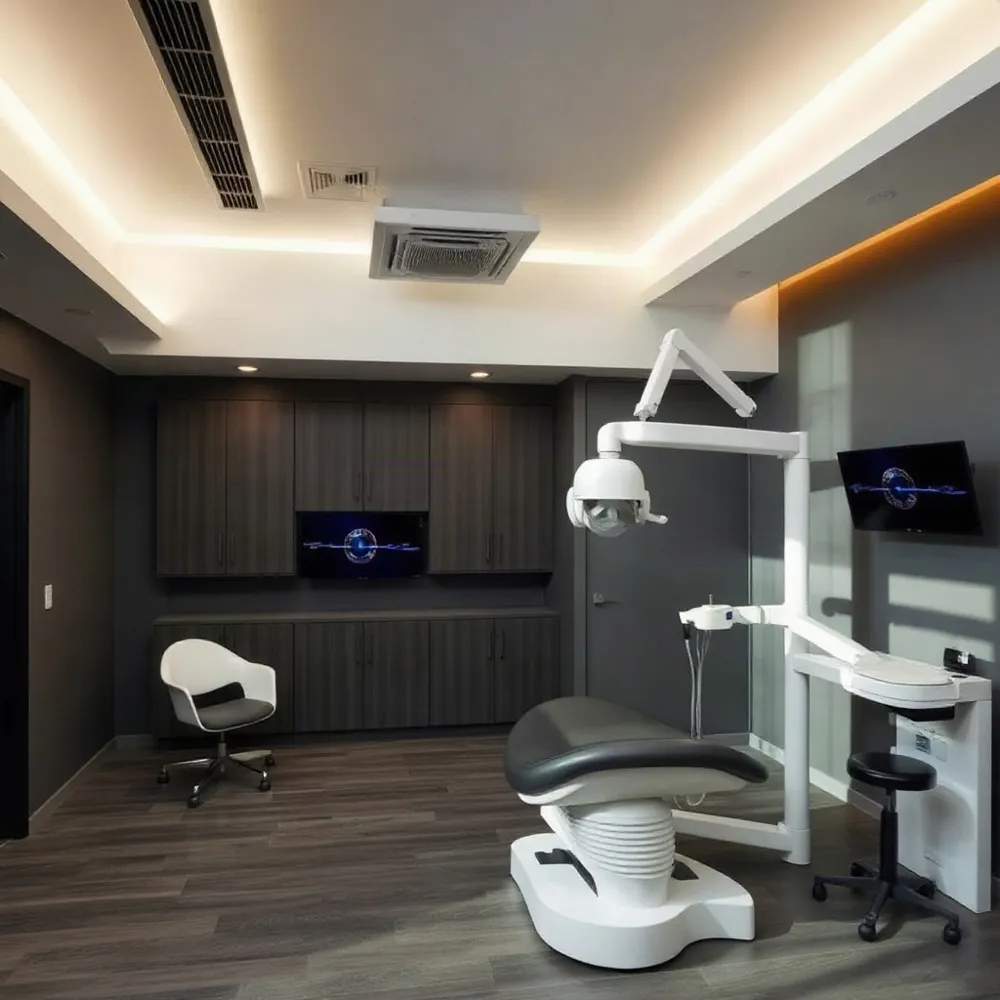
For Los Angeles residents, a thoughtful consultation should start with what you would like to change, then consider whether veneers suit your teeth, bite, and overall dental health. At Smile Perfector Dental Group, digital imaging and an artist-focused approach to smile design support a personalized conversation about possible results before treatment begins.
Veneers can involve removing some enamel, so the decision deserves careful planning and clear discussion of benefits, limitations, and alternatives. Results are individual, and veneers are not a promise of a permanent smile. The goal is an informed plan that reflects your health, preferences, and expectations.
What Porcelain Veneers Can Address
 Porcelain veneers are thin, custom-made shells bonded to the front surfaces of teeth. They can conceal visible concerns such as chips, small cracks, stubborn discoloration, minor gaps, and teeth that appear uneven, misshapen, or small. Cleveland Clinic’s overview of dental veneers explains how these restorations cover the front of a tooth to change its appearance.
Because each veneer is made for the individual tooth, its shape and shade can be planned to complement the surrounding teeth and create a balanced, natural-looking smile. At Smile Perfector Dental Group, an artist-focused approach and digital imaging help inform personalized smile design, so you can discuss the look you want before deciding on treatment.
Veneers are cosmetic restorations. They can improve appearance, but they do not treat decay or gum disease, and they may not be suitable for every concern. A dentist should assess your teeth, gums, and goals first. At Smile Perfector Dental Group, that evaluation can help determine whether veneers or another option is a better fit for your needs.
Previewing Your Smile Design
 A useful smile preview is a starting point for a conversation, not a promise of an exact result. Veneers can improve the appearance of chipped, stained, uneven, or slightly spaced teeth, while the final effect depends on your oral health and treatment plan.
Your dentist can tailor veneer shape, shade, and proportions to your features and preferences. Changing the visible width of teeth, including those toward the sides of your smile, may make the smile look wider or soften dark spaces near the corners. The aim is not simply to make teeth bigger. Thoughtful proportions help the result suit your lips and face without looking bulky.
What results can I expect from veneers, and how can I preview my smile?
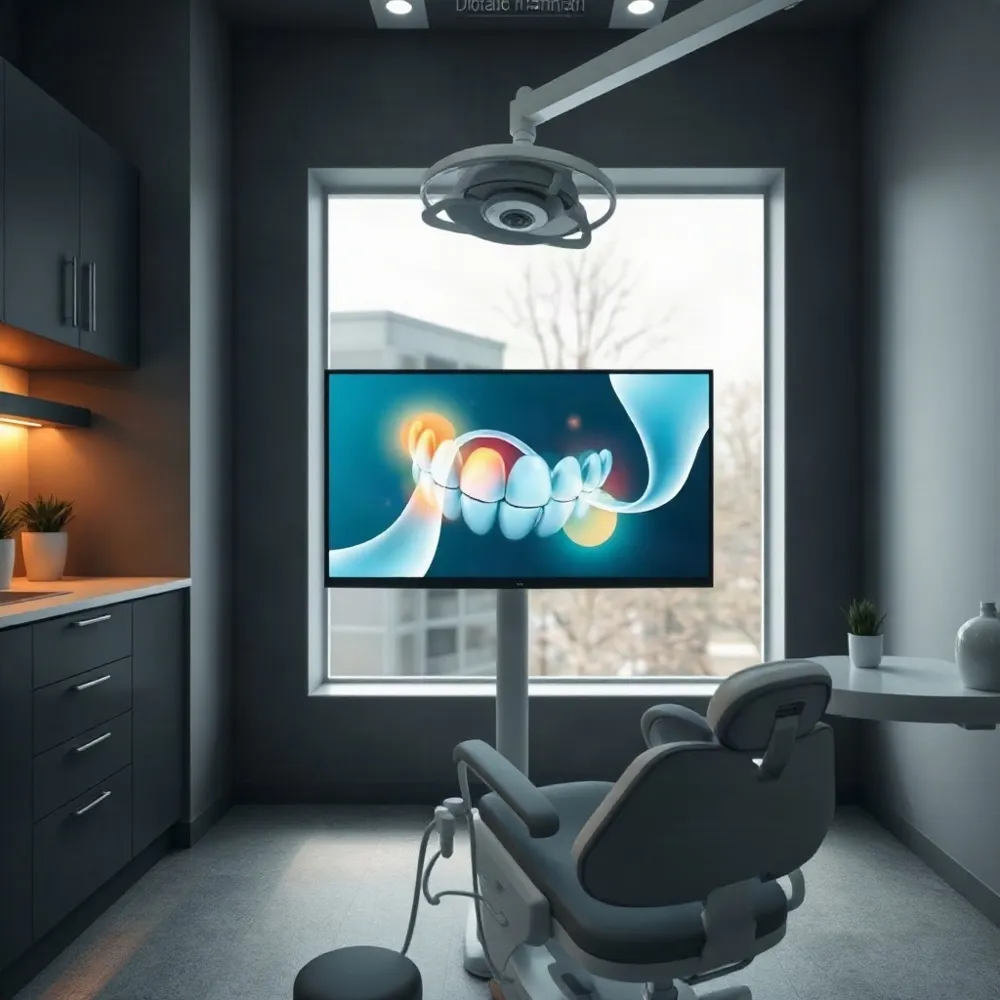
Digital imaging can show details such as tooth shape, alignment, and color. A smile design may help you review possible changes, explain what feels right, and refine the plan with your dentist before treatment. At Smile Perfector Dental Group, you can discuss your goals with Dr. David Shouhed and ask whether photos, a smile design, or a digital preview are available. The practice describes a digital workflow for planning; a particular preview should not be assumed without asking.
Results also depend on gum health, bite, and the condition of your teeth. Veneers are cosmetic restorations, not a fit for everyone, and oral health concerns may need attention first. The Cleveland Clinic's overview of dental veneers explains that candidacy and treatment choices should be discussed with a dentist.
Ask what a proposed design can realistically change, what it cannot, and whether adjustments are possible before placement. A shared review helps you make an informed choice about an appearance that feels natural and comfortable.
From Consultation to Final Placement
 For Los Angeles residents considering veneers, treatment starts with an examination and a conversation about what you would like to change. Your dentist checks your teeth and gums, reviews your goals, and considers whether veneers suit your oral health and bite. Any cavities or gum disease are addressed before cosmetic treatment begins, as explained in the Cleveland Clinic’s guide to dental veneers.
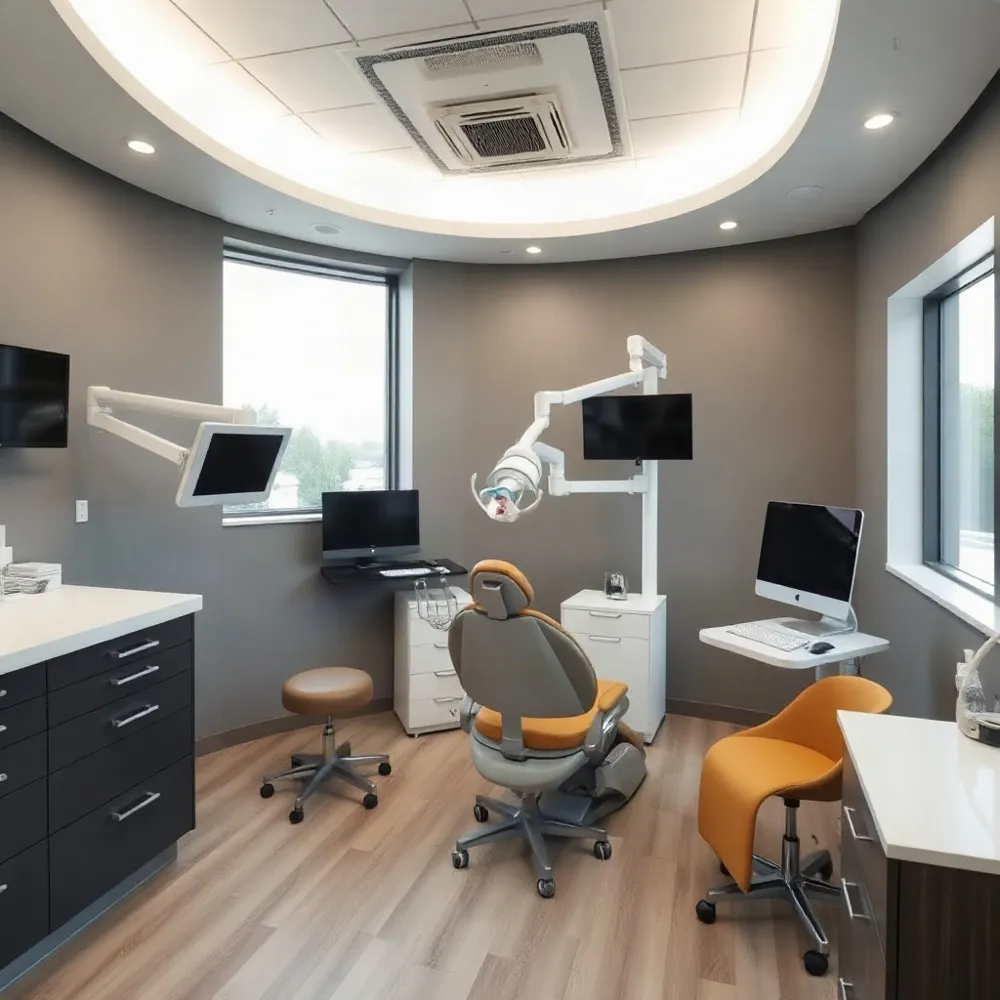
Photos or digital scans may help your dentist plan the shape and shade of the veneers, though these tools are not necessary in every case. At Smile Perfector Dental Group in Los Angeles, a fully digital workflow supports personalized smile planning, alongside a discussion of what feels natural to you—so you can feel confident in your new smile.
If you proceed, your dentist will carefully prepare your teeth, which may involve removing a thin layer of enamel so the veneers can sit securely and look natural. Impressions or digital scans are sent to the laboratory, and temporary veneers may be placed while the custom porcelain shells are made. Your dentist will discuss the preparation process and any alternatives with you beforehand, ensuring you feel informed and at ease.
At the fitting visit, your dentist checks each veneer’s shape, color, and fit before bonding it in place, then checks your bite and makes adjustments if needed. Speak up if you would like a change in shape or shade while the fit is being reviewed. Smile Perfector Dental Group’s artist-focused approach gives patients a chance to discuss those details as part of individualized care, helping you achieve a smile that boosts your confidence.
Treatment commonly involves two or three visits over a few weeks, but the schedule depends on your needs and how many teeth are being treated. After placement, most people can return to normal activities the same day and eat or drink once any anesthesia has worn off, so you can enjoy your new smile right away.
Benefits and Long-Term Tradeoffs
Porcelain veneers can transform the look of your smile by changing the color, shape, size, and overall appearance of your teeth. They can cover stubborn discoloration, chips, small gaps, or worn edges, and their custom design helps them blend naturally with your surrounding teeth. Porcelain also resists stains better than natural enamel, though it's not completely stain-proof. The Cleveland Clinic’s overview of dental veneers explains their cosmetic role and limitations.
Of course, these benefits come with some important trade-offs to consider. To fit the veneers securely, your dentist will gently remove a thin layer of enamel from your teeth. Because enamel doesn't grow back, this is generally considered an irreversible treatment. You might also experience some temporary sensitivity to hot or cold, and like any dental restoration, a veneer can loosen or become damaged over time.
Veneers are designed to enhance your smile's appearance, but it's important to address tooth decay or gum disease first for a healthy foundation. We'll want to assess and address those concerns before any cosmetic treatment. We'll also discuss how habits like grinding or clenching can place extra force on veneers. At Smile Perfector Dental Group, we use advanced digital technology and personalized planning to ensure we have a thorough discussion about your smile goals and dental needs before any treatment is considered.
Long-lasting doesn't mean permanent, of course. With proper care, veneers commonly last 10 to 15 years, though their lifespan varies based on your oral health, habits, and other individual factors. Routine exams allow your dentist to monitor your veneers and the teeth beneath them, and daily brushing and flossing remain essential.
If a veneer wears, chips, or no longer fits well, your dentist will examine both the veneer and the underlying tooth before recommending repair, replacement, or another option. Because the fitting process removes enamel, teeth that have had veneers will generally need a veneer or another restoration in the future. A consultation at Smile Perfector Dental Group is the perfect time to review these long-term considerations alongside alternatives like whitening, bonding, or clear aligners.
Everyday Care for Veneers
A steady home-care routine helps protect both veneers and the natural teeth beneath them. Brush at least twice daily with a soft-bristled toothbrush and nonabrasive fluoride toothpaste, floss every day, and keep regular dental exams and cleanings. These habits are important because teeth under veneers can still develop decay. Cleveland Clinic’s veneer care guidance explains why routine oral hygiene remains necessary.
Take care when eating: avoid chewing ice, biting hard or crunchy foods directly, or using your teeth to open packages. Cut firm foods into smaller pieces and chew with your back teeth instead. If you grind or clench, ask your dentist whether a night guard could help reduce pressure on the veneers.
Porcelain resists stains, but dark foods and drinks such as coffee, tea, red wine, and berries may affect veneers or the surrounding teeth over time. Whitening products are not a safe shortcut for brightening veneers, since they can scratch their surface. For Los Angeles patients, Smile Perfector Dental Group’s digital workflow and personalized care can support regular monitoring of your veneers and overall oral health.
Contact your dentist if a veneer feels loose, rough, uncomfortable, or otherwise different than usual. Prompt evaluation can help identify what is causing the change and whether care is needed.
Comparing Materials and Treatment Costs
Porcelain veneers are custom-made shells bonded to the fronts of teeth. Composite veneers and dental bonding use tooth-colored resin applied directly to teeth, allowing a dentist to reshape or refine the visible surface. The right choice depends on your goals, dental health, and budget.
Porcelain is generally more stain-resistant and longer-lasting than resin, and can create a natural-looking finish. It typically costs more and often requires removing some enamel, a change that may not be reversible. Cleveland Clinic’s overview of veneers explains that preparation and suitability vary by treatment and patient.
Composite veneers may use resin to reshape several teeth, while bonding is often chosen for a focused concern, such as a small chip or minor gap. Resin can be easier to repair, but it may stain or wear sooner and need touch-ups. At Smile Perfector Dental Group, a personalized treatment plan can be discussed alongside the practice’s digital imaging and smile-design process.
How much do veneers cost, and what affects the price?
There is no single price that fits every case. The estimate depends on the number of teeth treated, the material, laboratory work, and any additional care needed, such as treating decay or addressing alignment. Porcelain generally costs more than composite. Ask for an itemized estimate and check directly with your insurer, since most plans do not cover veneers because they are considered cosmetic.
Make an Informed Next Step
Porcelain veneers can create a personalized cosmetic change, but the decision deserves careful thought about enamel preparation, ongoing care, cost, and future restoration. A dentist can help you weigh these considerations alongside your oral health and goals.
Ask about alternatives and what results are realistic for your teeth. The Cleveland Clinic’s overview of dental veneers explains their benefits and limitations, including the fact that many types involve permanent enamel removal.
For Los Angeles residents, a personalized consultation at Smile Perfector Dental Group can include a discussion of your smile goals and oral health, supported by the practice’s digital workflow and artist-focused approach to smile design.