A Dental Visit Can Start a Conversation
If you live in Los Angeles and wake with a dry mouth or morning headache, or your partner mentions loud snoring or pauses in your breathing, bring it up at your next dental visit. These concerns are common reasons to ask questions, and you do not need to know what is causing them before starting the conversation.
A dentist can ask about sleep and examine features of your mouth and jaw that may raise concern. That screening can help point you toward further evaluation, but it cannot confirm sleep apnea. Diagnosis requires assessment by a physician or sleep specialist, often with a sleep study, as described by the American Dental Association.
If a medical evaluation confirms obstructive sleep apnea, treatment depends on your needs and the advice of your care team. A qualified dentist may fit a custom oral appliance when it is appropriate and prescribed, while coordinating with your physician or sleep specialist. The American Academy of Dental Sleep Medicine describes these devices as worn at night to help hold the jaw forward and keep the airway open.
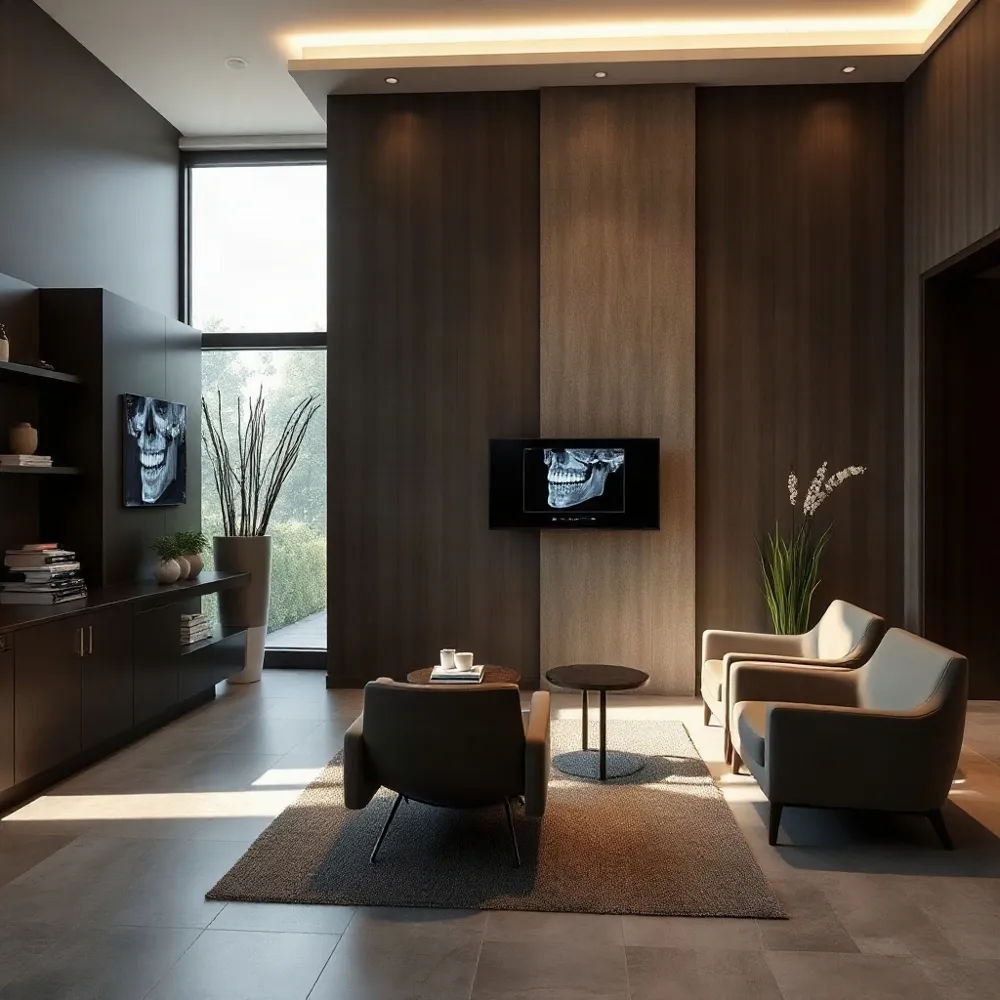
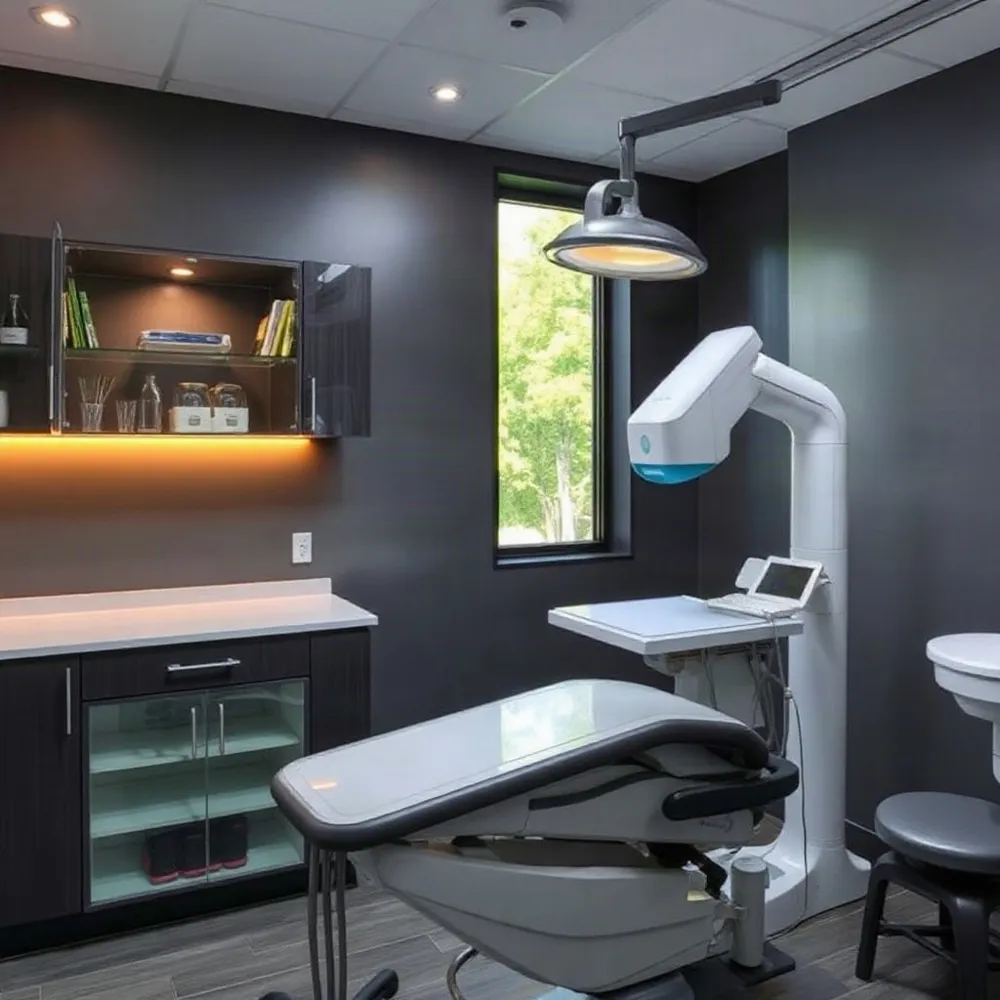
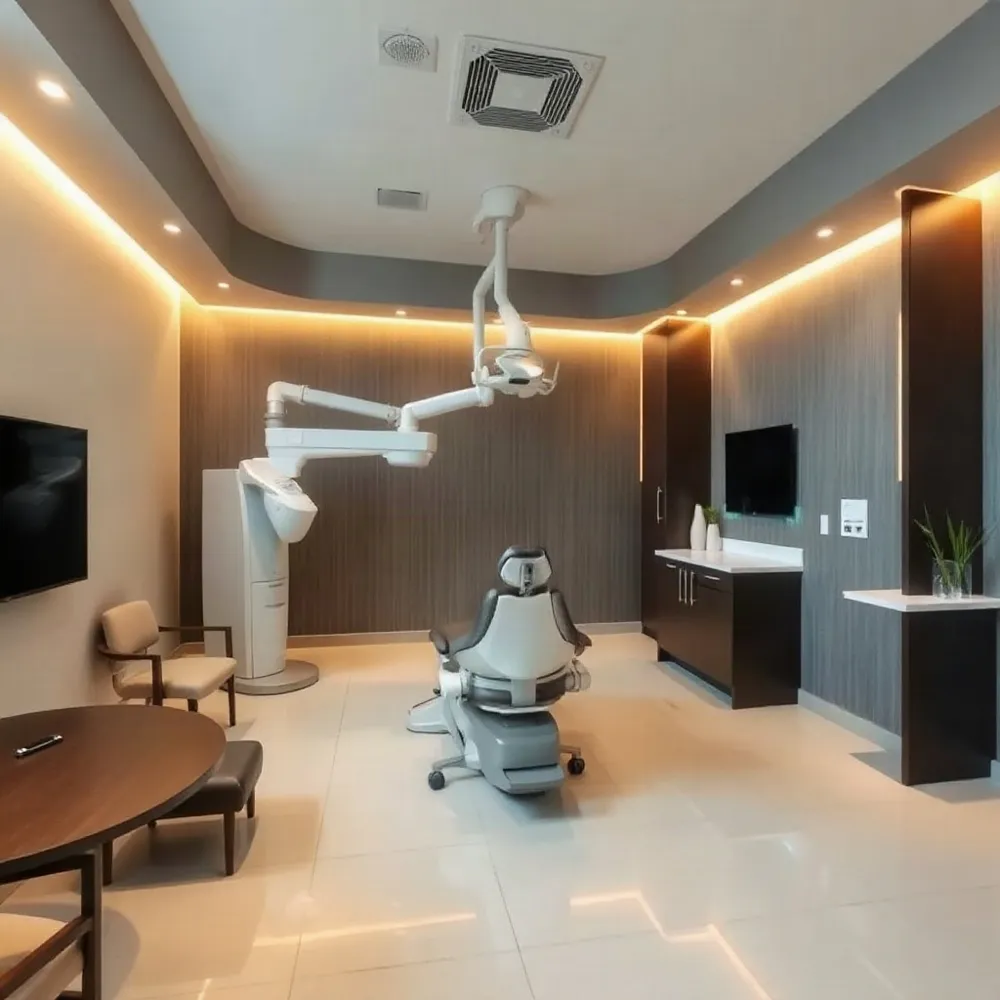
At Smile Perfector Dental Group, a fully digital workflow and personalized care support thoughtful dental conversations in a comfortable setting. If sleep concerns come up, the goal is to help you understand the dental side of care and connect it with the medical evaluation needed for a clear plan.
Recognizing Possible Sleep Apnea
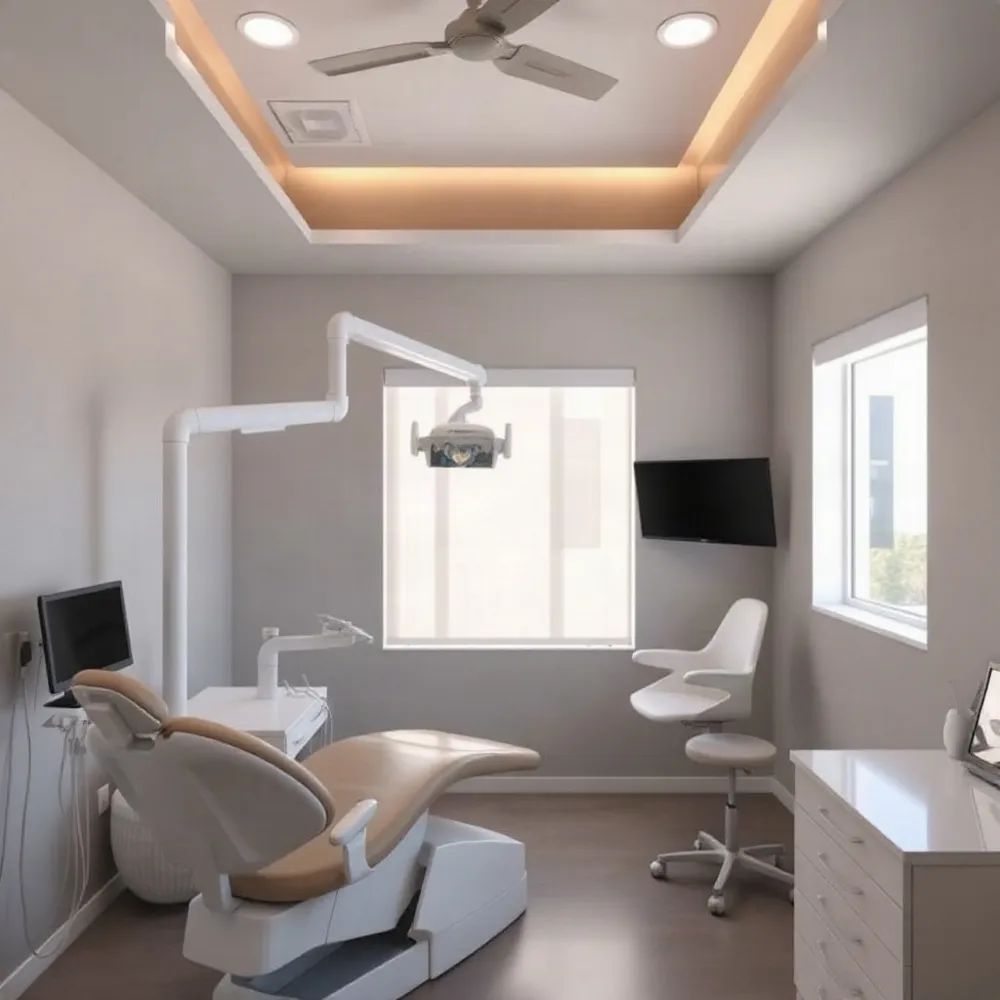 Obstructive sleep apnea (OSA) occurs when soft tissues at the back of the throat repeatedly narrow or block the upper airway during sleep. Breathing may pause or become shallow, interrupting rest and sometimes reducing oxygen levels. These disruptions can leave you tired or make it harder to concentrate during the day. Untreated OSA is also associated with health concerns such as high blood pressure and cardiovascular disease, though the effects vary from person to person. The American Dental Association’s overview of obstructive sleep apnea explains how the condition is assessed and managed.
What symptoms may suggest sleep apnea?
Clues include loud or irregular snoring, gasping or choking during sleep, or pauses in breathing noticed by a bed partner. You might also experience daytime sleepiness or fatigue, dry mouth on waking, morning headaches, trouble concentrating, or frequent nighttime waking. These signs can have other causes, and some people with OSA notice few symptoms.
A dental visit can be a comfortable place to raise concerns and discuss possible next steps. At Smile Perfector Dental Group, digital imaging supports a detailed view of your oral health, while personalized care gives you room to talk through symptoms and questions. A dental exam may identify features that warrant follow-up, but it cannot confirm OSA; diagnosis requires evaluation by a physician or sleep specialist and may include a sleep study.
If these signs sound familiar, share them with a healthcare professional rather than trying to diagnose yourself. The American Academy of Dental Sleep Medicine’s patient guidance encourages people concerned about sleep or snoring to seek evaluation and coordinate care with their physician.
The Dentist’s Part in Coordinated Care
Your dental visit can be a great time to bring up concerns about snoring, daytime fatigue, gasping during sleep, or breathing pauses your partner may have noticed. During a routine exam, your dentist may also observe certain signs in your mouth or face that could be related to sleep apnea. The American Dental Association’s guidance on sleep apnea describes screening as one part of a broader care process.
Think of screening as an initial check, not a final diagnosis. While a dental exam can't confirm sleep apnea on its own, it can be a valuable first step. Your dentist works alongside your doctor or sleep specialist to ensure you get the right care. A full diagnosis typically involves reviewing your symptoms and health history, along with sleep testing—often an overnight study or, in some cases, a home test.
If your dentist finds something concerning, they can recommend you see your primary care doctor or a sleep specialist. That medical professional will review your situation, interpret any sleep test results, and discuss the best treatment options with you. This teamwork ensures your care is based on your overall health, not just dental signs.
If your doctor recommends an oral appliance, your dentist can help determine if it's right for you, fit it properly, and monitor your comfort and oral health over time. The American Academy of Dental Sleep Medicine’s guidance on oral appliance therapy describes the dentist’s role as continuing beyond the initial fitting, with ongoing care to help keep the device comfortable and effective.
This coordination continues after treatment begins. Your dentist will check the appliance and watch for any changes in your teeth, bite, or jaw, while your sleep doctor directs medical follow-up and may order testing to see how well the treatment is working. At Smile Perfector Dental Group in Los Angeles, we provide personalized care and use advanced digital tools to support thorough exams. And remember, if sleep apnea is suspected, it still requires medical evaluation and collaboration with your sleep care team.
How a Custom Oral Appliance Works
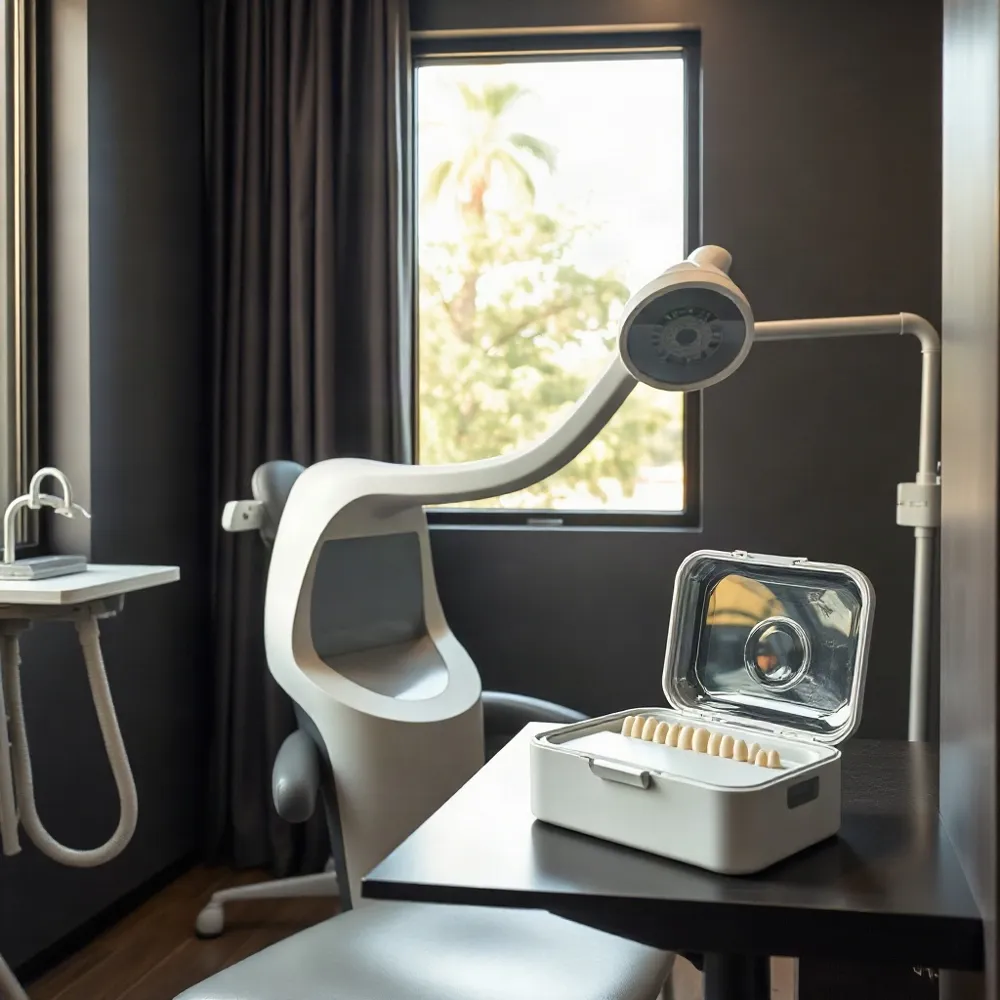
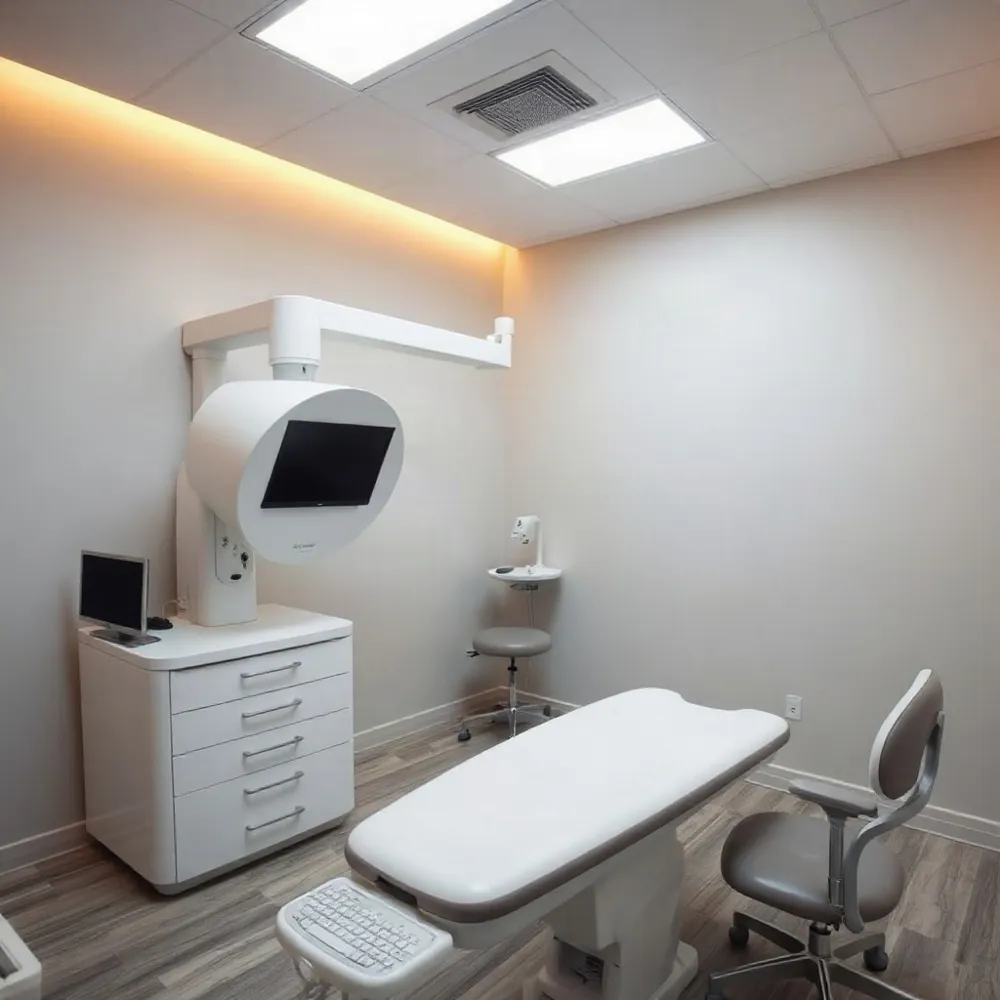 A sleep oral appliance is a custom device worn over your teeth while you sleep, much like a retainer. It is designed to fit your mouth perfectly, not a one-size-fits-all mouthguard.
Your appliance will gently hold your lower jaw forward, creating more room for airflow and helping to keep your airway open. Some designs also position your tongue. By reducing the chance of your airway narrowing, the appliance can lessen breathing interruptions and snoring, helping you sleep more soundly and wake up feeling refreshed and confident. The American Academy of Dental Sleep Medicine’s overview of oral appliance therapy describes the device as a nighttime treatment made for the individual patient.
This treatment is considered only after a medical evaluation and diagnosis—it is not a way to diagnose sleep apnea. It is commonly used for adults with mild to moderate sleep apnea. Your doctor may also consider it if you have more severe apnea and cannot tolerate a CPAP machine. The American Dental Association’s guidance on sleep apnea explains that the right treatment depends on your needs and should involve your medical and dental care team.
Your doctor and dentist will discuss whether an appliance is right for your diagnosis, dental health, and preferences. It is not for everyone and does not replace medical evaluation or follow-up. At Smile Perfector Dental Group in Los Angeles, our fully digital workflow and personalized care ensure your comfort and confidence throughout your dental visits.
If this treatment is prescribed, your dentist will recommend a custom, adjustable appliance over a non-custom device. We will check the fit and make adjustments to improve comfort and positioning. Regular follow-ups help us monitor changes in your teeth, bite, or jaw and keep your physician informed about your progress.
Choosing Between an Appliance and PAP
For adults with obstructive sleep apnea (OSA), positive airway pressure (PAP), commonly delivered through a mask, is a primary treatment. It uses pressurized air to help keep the airway open and is generally more effective than an oral appliance at reducing breathing interruptions, particularly in severe cases. Your sleep physician can explain how these options fit your diagnosis and treatment needs. The American Dental Association’s overview of OSA treatment discusses both PAP and oral appliance therapy.
A custom oral appliance may be considered for some people with mild to moderate OSA, or for people who cannot tolerate PAP. It gently positions the lower jaw or related tissues forward to help keep the airway open, but it is not equally effective for everyone and is not a universal substitute for PAP. The American Academy of Dental Sleep Medicine’s guidance on oral appliance therapy describes it as an option to consider with a doctor and qualified dentist.
Practical comfort can also shape the decision. An oral appliance is quiet, portable, and convenient, and many patients find it comfortable and relatively easy to care for. Smile Perfector Dental Group’s digital imaging and personalized care can support an attentive dental experience, but the appropriate sleep-apnea treatment must be determined with the medical team.
Each approach has tradeoffs. With an appliance, some people experience jaw or tooth soreness, bite changes, or a need for adjustments over time. PAP may be more effective at reducing breathing events, while comfort and the ability to use a treatment consistently matter when weighing options. A qualified dentist can assess oral health and monitor fit; the sleep physician remains responsible for medical management.
Do not stop PAP or switch treatments on your own. Discuss any concerns with your managing physician and a qualified dentist, who can help assess whether an appliance is suitable and coordinate follow-up. A sleep physician may recommend testing after an appliance is fitted to check that it is controlling OSA. For Los Angeles patients, Smile Perfector Dental Group’s comprehensive, digitally supported dental care can be part of that coordinated process, alongside care from the sleep specialist.
Fitting, Comfort, and Ongoing Monitoring
Once an oral appliance is fitted, follow-up helps keep it comfortable and suitable for continued use. At Smile Perfector Dental Group, digital imaging and personalized care support careful attention to each patient’s oral health, while appliance adjustments and sleep-apnea follow-up should be coordinated with the clinicians managing treatment.
Some people notice temporary morning jaw discomfort, extra saliva, dry mouth, or irritation of the soft tissues in the mouth. Bite changes can also develop over time. These effects vary from person to person, and a dental check can help identify concerns early. The American Dental Association’s guidance on oral appliances describes ongoing dental assessment as part of care.
Your dentist can check the appliance’s fit, assess your teeth and gums, and look for changes in your bite or jaw. If something feels uncomfortable or seems different, tell your dental team rather than trying to adjust the device yourself. Persistent symptoms are also worth discussing with your sleep physician, who can help decide whether the treatment plan needs review.
When prescribed, the appliance is generally intended for use every night or during each sleep session. Consistent use is part of treatment, but less snoring does not by itself show that obstructive sleep apnea is controlled. Your sleep physician may arrange follow-up sleep testing to assess how well the appliance is working, with the dentist monitoring comfort and oral health. The American Academy of Dental Sleep Medicine’s overview of oral appliance therapy also emphasizes continued care to help keep treatment comfortable and effective.
Understanding Appliance Costs and Coverage
 As a Los Angeles resident, you deserve a clear understanding of what a custom sleep apnea appliance may cost. Because it's a personalized treatment, the total depends on the device, fitting, dental visits, follow-up adjustments, and your unique needs. A typical range is often cited as $1,500 to $4,500, but remember, this is an estimate, not a guarantee for your specific situation. The American Academy of Dental Sleep Medicine describes oral appliance therapy as custom care provided by a qualified dentist after referral, with ongoing support to maintain comfort and effectiveness (oral appliance therapy). Knowing this helps you feel confident about your treatment journey.
Insurance coverage varies by plan, but you can take control by asking the right questions. Benefits may depend on a confirmed diagnosis, medical necessity, a clinician’s prescription, and any required approvals. Contact your insurer to find out whether the appliance and related appointments are covered, whether you need prior authorization, and how your deductible or other cost-sharing will affect your bill. This knowledge empowers you to plan with confidence.
Before treatment begins, talk to your dental team about which services are included in the estimate, such as fitting, adjustments, and follow-up visits. At Smile Perfector Dental Group, we offer personalized dental care right here in Los Angeles, but we encourage you to confirm fees, insurance participation, and financing details directly so there are no surprises. Your comfort and confidence are our priority.
Take the Next Step With Confidence
Noticing snoring, morning headaches, or daytime fatigue is a useful reason to ask questions, not a reason to assume you have sleep apnea. Only a physician or sleep specialist can assess your symptoms and confirm obstructive sleep apnea through appropriate evaluation and testing, as the American Dental Association explains.
If you live in Los Angeles, bring sleep concerns to a dental visit and ask whether they warrant a medical referral. At Smile Perfector Dental Group, personalized care and digital imaging support a careful dental assessment, while diagnosis and treatment decisions remain with your medical team.
When a physician recommends an oral appliance, a qualified dentist can assess its suitability, fit it, and monitor your oral health in coordination with your physician. This shared approach helps tailor care to your needs. The American Academy of Dental Sleep Medicine describes oral appliance therapy as a treatment decision made with the patient and doctor, with dental follow-up after fitting.