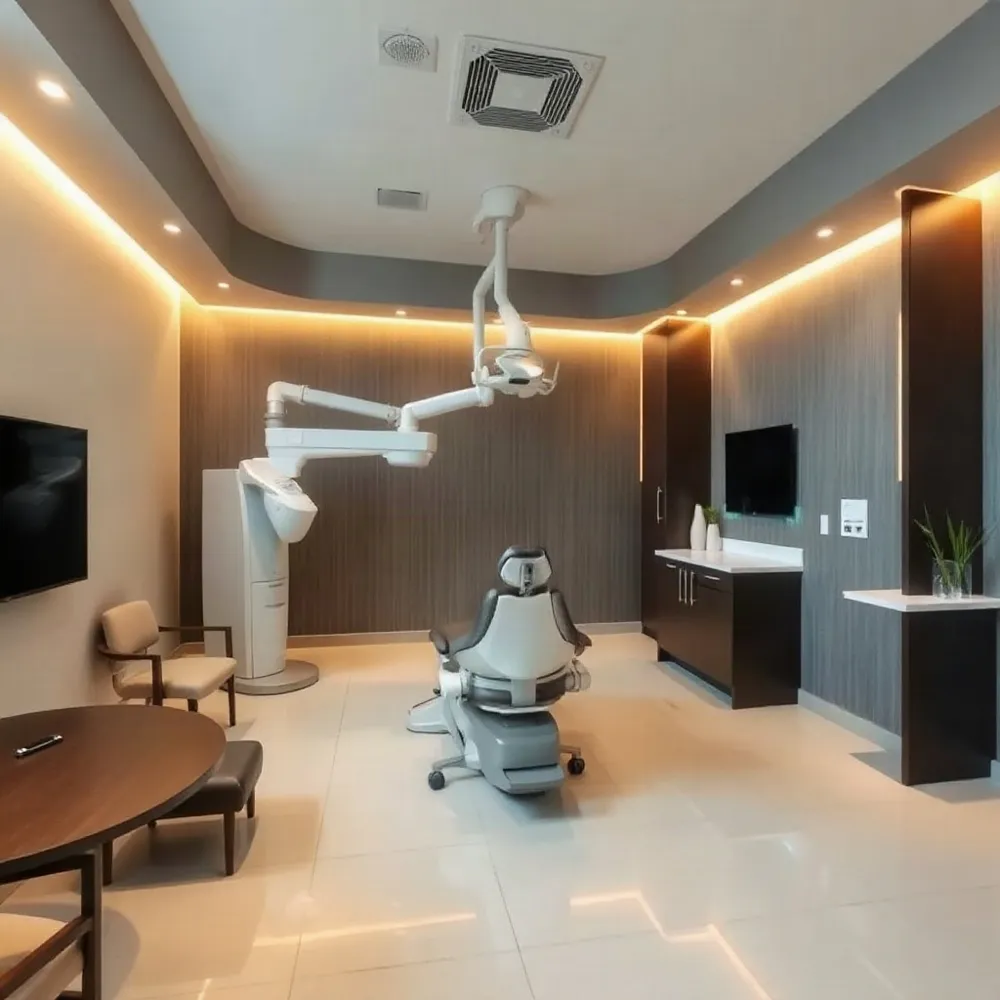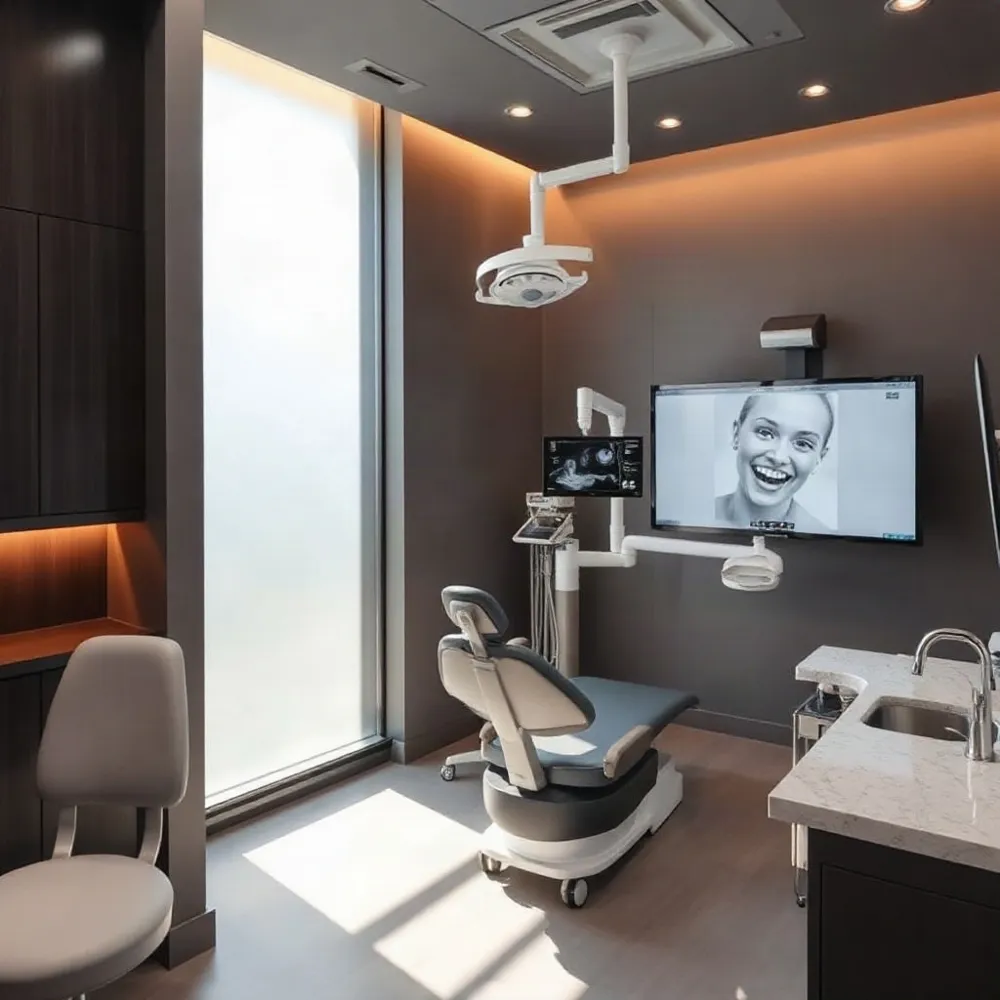
A Procedure Specific Choice
For Los Angeles residents considering dental care, laser treatment can sound appealing when comfort and precision matter. But a laser is a tool for selected procedures, not a universal replacement for conventional instruments. Its usefulness depends on the tissue being treated and the specific clinical need, as the Cleveland Clinic explains.
At Smile Perfector Dental Group, a fully digital workflow and personalized care help shape treatment around each patient’s needs and goals. A dentist’s examination can clarify whether a laser may offer a practical benefit or whether another approach is more suitable.
This article looks at common laser uses, comfort and safety, gum treatment, healing, and cost. The aim is to help you ask informed questions and weigh your options with your dentist, rather than assume that newer technology is automatically the right choice.
How Dental Lasers Are Used
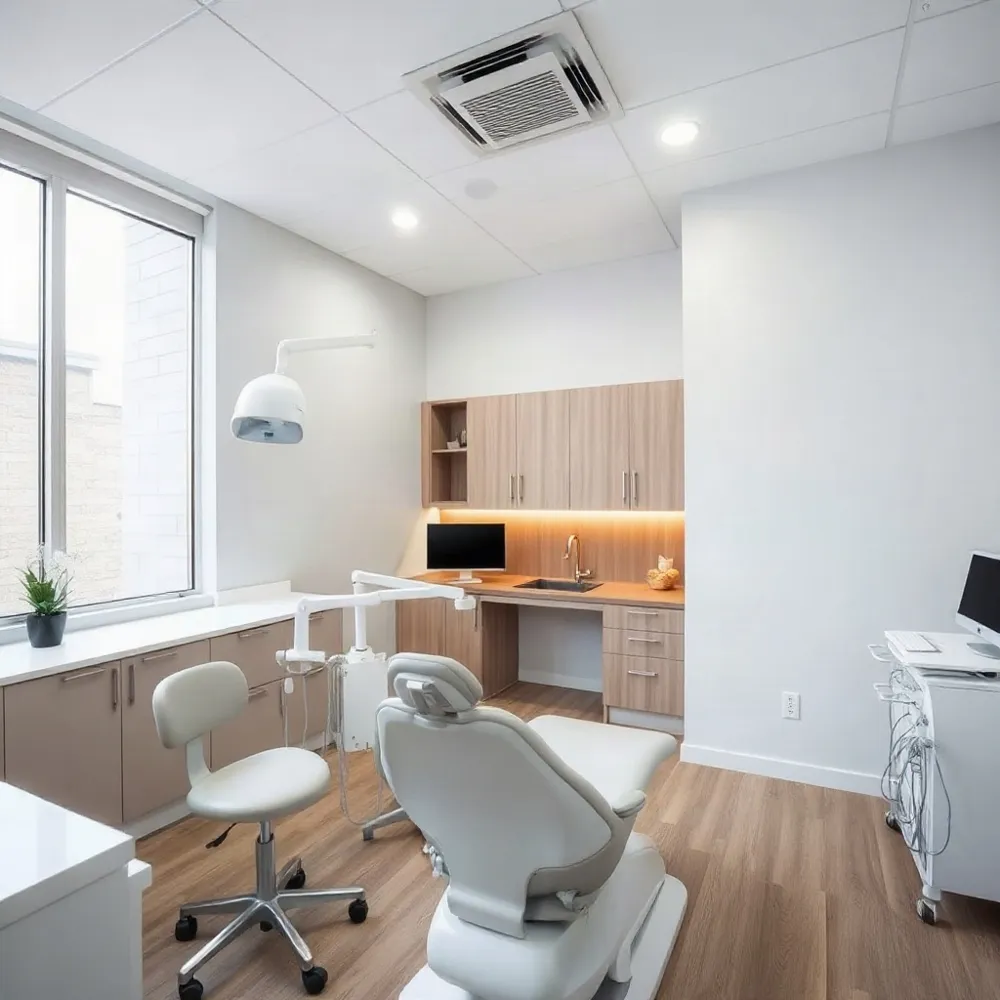 When you visit your dentist, you might hear about dental lasers. These tools use focused light energy to precisely treat specific areas, creating heat that can remove, reshape, or treat tissue. Different lasers work on gums, tooth structure, or both, so 'laser dentistry' covers a range of techniques rather than one treatment. The Cleveland Clinic’s overview of laser dentistry explains that lasers complement conventional instruments instead of replacing them.
Depending on your specific needs and the equipment available, your dentist may use a laser for certain gum procedures, such as reshaping gum tissue or releasing a tongue-tie. Lasers can also help treat some cavities, disinfect an area before a root canal, reduce tooth sensitivity, prepare teeth or gums for restorations, and activate whitening solutions. Your dentist might combine laser treatment with conventional tools for the best results.
Not every dental practice offers laser treatment, and sometimes conventional instruments are still the best choice for your specific situation. If you're considering cosmetic or restorative care in Los Angeles, Smile Perfector Dental Group’s digital imaging and artist-focused approach to smile design can help you plan your treatment to achieve the smile you desire. Ask your dentist which method is best for your tooth or gum, what realistic benefits you can expect, and whether you might still need numbing medicine or other instruments.
Comfort, Healing, and Safety
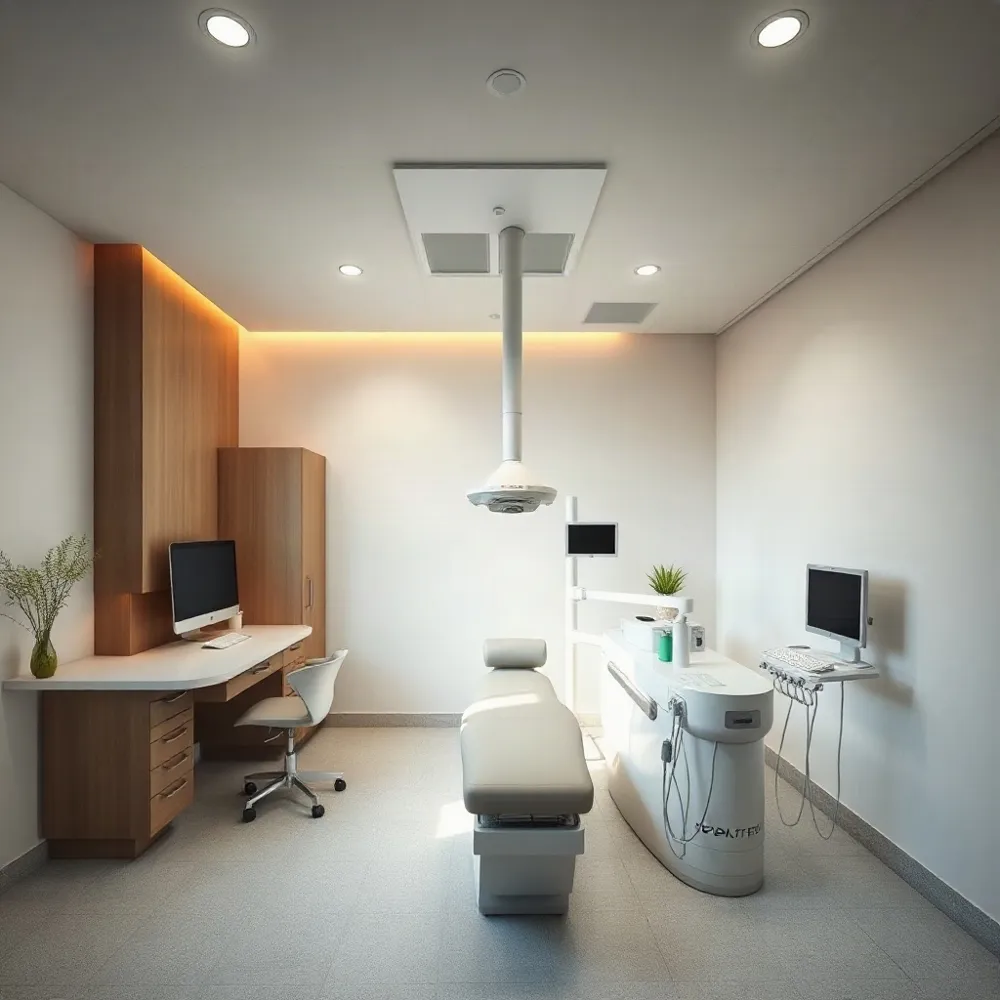 Some laser procedures may involve less bleeding, discomfort, or recovery time than conventional approaches, particularly when treating soft tissue. These are possible benefits, not guarantees. How comfortable treatment feels depends on the procedure, the area being treated, and your individual needs. Laser dentistry is a complement to conventional tools, not a replacement for every instrument or technique, and its usefulness varies by case (Cleveland Clinic’s overview of laser dentistry).
Laser treatment is not automatically pain-free. Your dentist may recommend numbing medicine, just as they might for a conventional procedure. After treatment, temporary tenderness, mild swelling or bleeding, and tooth sensitivity can occur. Ask what recovery is likely to involve for your specific procedure, which aftercare steps to follow, and when to contact the office about symptoms.
Safety depends on choosing an appropriate laser and using it correctly. Protective eyewear helps shield your eyes, while careful selection of the device’s settings and trained operation help limit risks. Because laser energy produces heat, incorrect use can injure healthy tissue. Lasers may support infection control in treated areas, but they do not remove the need for routine infection-prevention practices. Research also continues to assess where laser treatment is most useful (a review of laser dentistry research).
For Los Angeles patients weighing comfort against other treatment priorities, a personal discussion can clarify the likely benefits, limits, and alternatives. Smile Perfector Dental Group uses digital imaging as part of its care workflow, which can support a detailed review of your oral health and treatment plan. Ask your dentist whether a laser suits the procedure being considered, what to expect during recovery, and how your health history may affect care.
Laser Options for Gum Disease
If you are dealing with gum disease, your dentist will usually start with scaling and root planing, also known as deep cleaning. This treatment removes plaque and hardened deposits from below the gumline, where brushing and flossing cannot reach.
A laser may be added to deep cleaning to target bacteria or treat gum tissue. While it can be a helpful addition, it does not replace the mechanical cleaning needed to remove deposits from tooth roots. Whether a laser is useful depends on your specific condition, the type of laser, and your treatment plan.
Research continues to explore the benefits of laser treatment for gum disease. A 2024 review of dental laser applications describes possible uses in gum care, and another review comparing laser therapy and scaling and root planing examines how it may complement traditional deep cleaning. Your dentist can help you understand what the latest research means for your specific needs.
At Smile Perfector Dental Group, care is grounded in a personalized assessment rather than a one-size-fits-all procedure. Ask your dentist what your gum measurements and overall oral health suggest, whether laser treatment is being proposed as an addition, and what benefits, risks, alternatives, and costs to expect. That conversation can help you choose a plan that supports your gum health and confidence.
What to Expect From Gum Contouring
Gum contouring can reshape your gum line to give you a more balanced smile. Laser treatment for gum disease has a different purpose: it may target bacteria or diseased tissue as part of gum disease treatment, rather than shape the gums for appearance.
Do gums grow back after laser treatment? Usually, tissue removed during contouring does not grow back on its own. Your gum line can shift during healing, though, and the result depends on factors such as the shape of the bone beneath your gums and why the procedure was done. Your dentist can explain likely changes for your situation.
Laser treatment for gum disease may support healing and help existing gum tissue reattach to your teeth in selected cases. It should not be described as a reliable way to regrow gum tissue that has already been lost. A review of laser therapy for gum disease treatment discusses its role alongside conventional care.
Before deciding, discuss the reason for treatment, your desired smile outcome, expected gum-line changes, and recovery with your dentist. At Smile Perfector Dental Group, advanced digital tools and custom smile design can help inform a personalized conversation about natural-looking results that boost your confidence. We serve Los Angeles patients with care tailored to your needs.
Understanding Treatment Costs
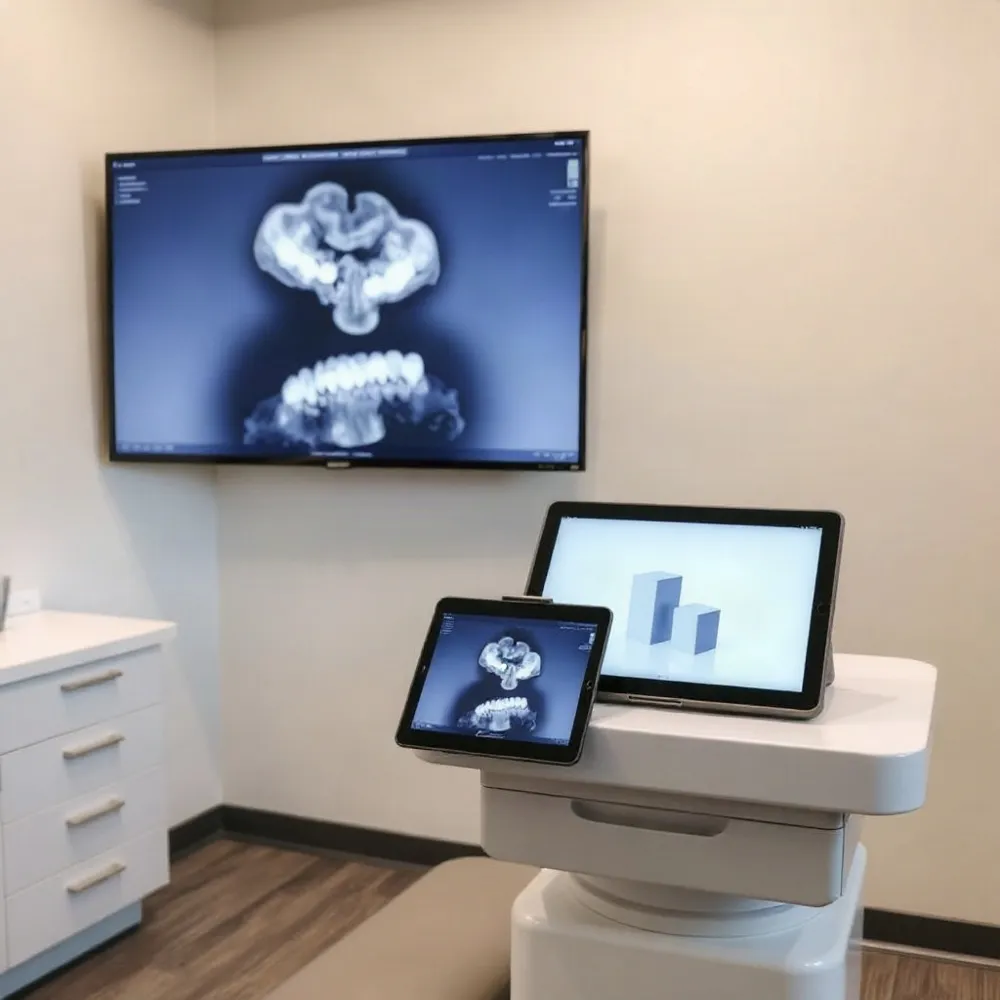 How much does laser dental treatment cost, and what affects the price? There is no single price for laser dentistry because it can refer to different procedures, from treating gum tissue to cosmetic care. The cost depends on what treatment you need and how extensive it is, as well as the time and expertise involved, your dentist’s fees, and local pricing in Los Angeles.
The equipment, its maintenance, and the clinician’s training can also affect availability and cost. Laser treatment may be used alongside conventional tools, so an estimate should account for any additional care the dentist expects to provide. The 2024 review of dental laser technology notes that equipment and training can be barriers to wider adoption, while the Cleveland Clinic’s overview of laser dentistry explains that lasers complement rather than replace conventional instruments.
Insurance coverage varies by plan and procedure. Ask your insurer whether the proposed treatment is covered, and confirm the details with the dental office. Cosmetic care may have different coverage terms, so check your benefits before scheduling.
At Smile Perfector Dental Group, the practice’s digital imaging and personalized treatment planning can help patients discuss care suited to their dental needs and smile goals. Before deciding, request a treatment plan and itemized estimate that identifies the procedure, expected fees, any conventional tools or additional care, and what insurance may cover. A clear estimate helps you compare options without assuming laser treatment will always cost more or less than a conventional approach.
Make the Choice With Your Dentist
Dental lasers can be useful for selected procedures, but they are tools, not a guaranteed upgrade for every treatment. Their suitability depends on the diagnosis, the area being treated, and your needs; conventional instruments may still be more appropriate or used alongside a laser. The Cleveland Clinic’s guide to laser dentistry explains why dentists assess each procedure individually.
At a consultation in Los Angeles, ask which type of laser is being proposed and what it can and cannot do for your specific concern. Find out whether conventional tools or numbing may also be needed, what alternatives are available, and what to expect for cost and recovery. A 2024 review also notes that laser benefits and limitations vary by procedure and clinical circumstances (research review).
At Smile Perfector Dental Group, a fully digital workflow and personalized smile design can help connect treatment choices with your oral health and aesthetic goals. A clear conversation about diagnosis, comfort, and options can help you choose care with confidence.