Advancing Patient Care Through Innovative Dental Technology
For decades, dentistry relied primarily on mechanical instruments like drills and scalpels. While effective, these traditional tools often caused discomfort, noise, and vibration, which contributed to patient anxiety. The integration of laser dentistry marks a transition toward more precise, technology-driven care. By utilizing focused light energy, dentists can now perform treatments with exceptional accuracy, often reducing the need for local anesthesia and sutures.
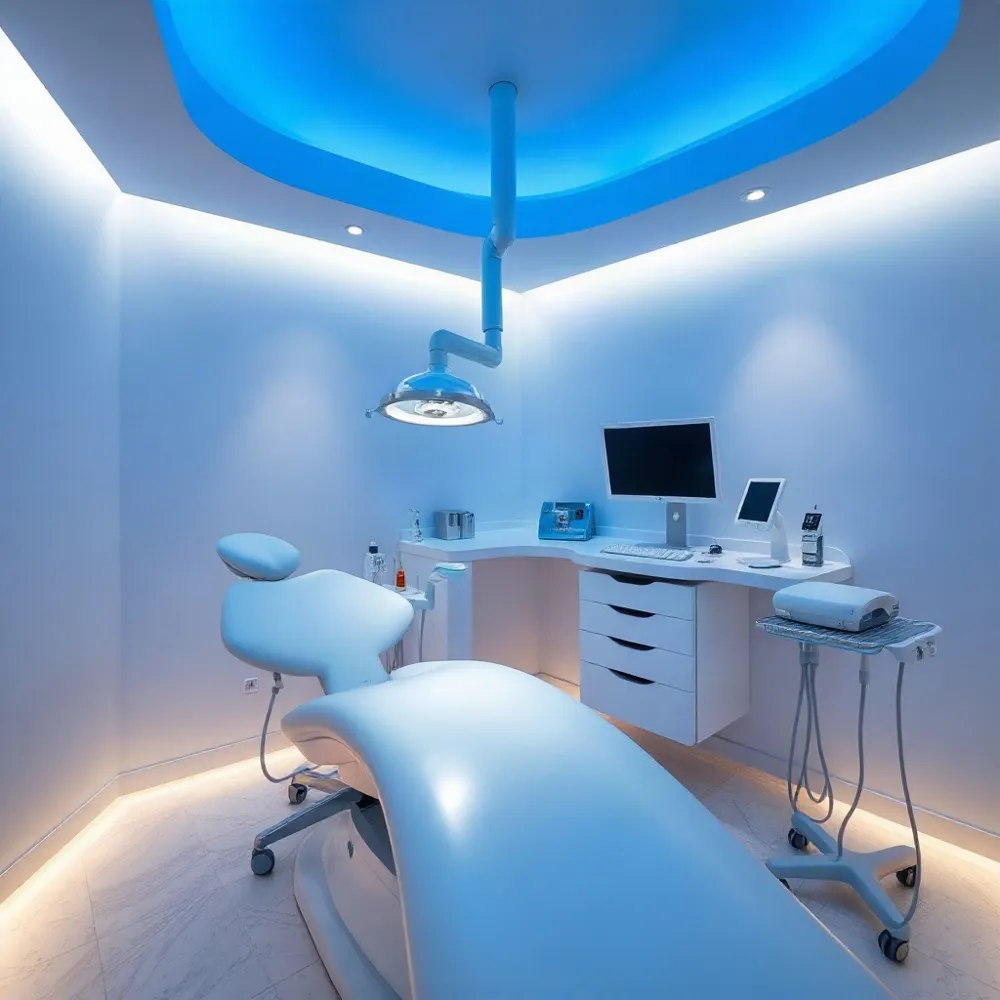
At www.smileperfector.com, our team prioritizes the patient experience by integrating state-of-the-art imaging and advanced laser systems into our modern dental workflows. Unlike practices that still rely solely on manual methods, we use laser technology to sterilize surgical fields and target affected areas while preserving healthy surrounding tissue. This approach minimizes postoperative inflammation and accelerates recovery, ensuring that your time in our chair is both efficient and comfortable.
As a leading dental group in Los Angeles, we believe that modern oral healthcare should be as gentle as it is effective. By choosing a provider that embraces these minimally invasive innovations, you receive treatments that protect your natural smile while delivering long-term, predictable results. Whether you are seeking restorative care or a cosmetic transformation, our commitment to technology ensures you receive the high-quality, personalized attention you deserve.
Understanding Laser Dentistry and Its Role in Oral Care
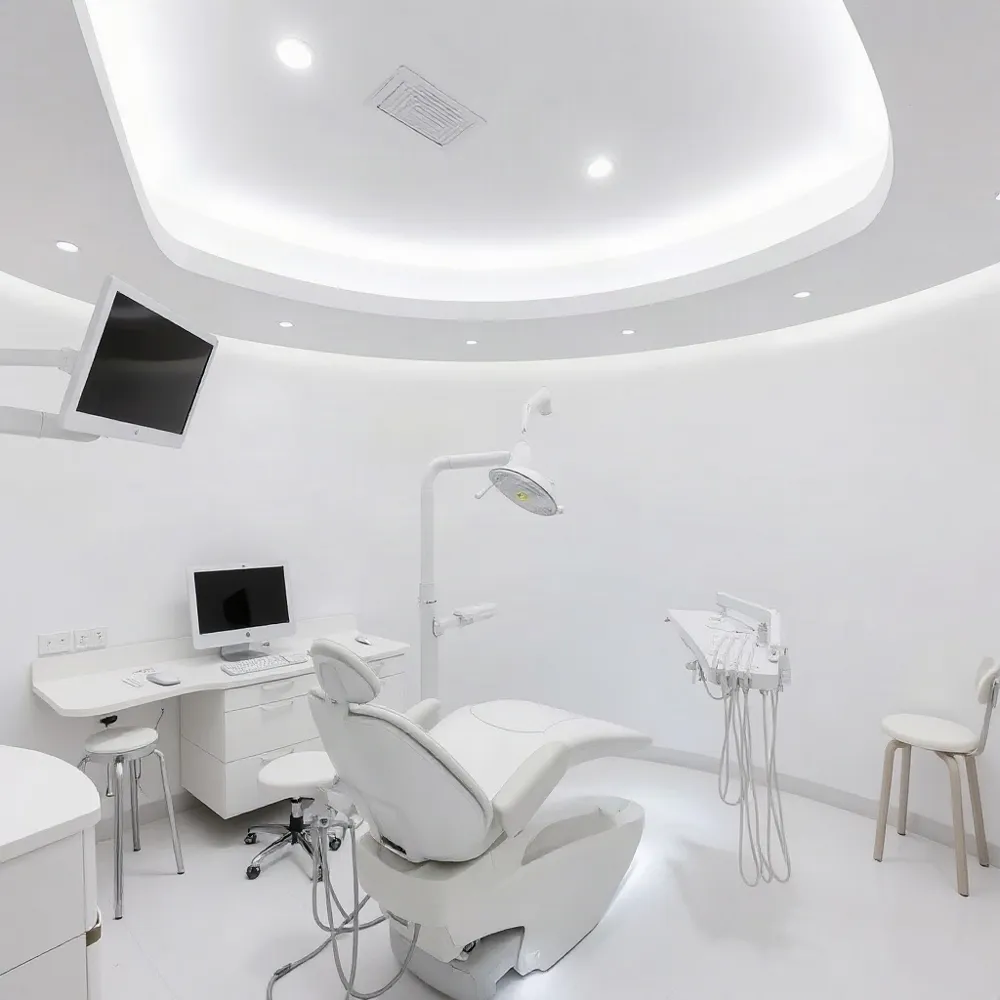 Laser dentistry represents a significant evolution in oral health, with the term LASER standing for Light Amplification by the Stimulated Emission of Radiation. These devices utilize highly concentrated beams of light energy to interact with specific tissues. By generating controlled heat, these instruments allow for the precise removal or modification of both hard and soft tissues with minimal impact on the surrounding healthy structure, as noted by the Cleveland Clinic.
What is laser dentistry and how is it used in modern oral care? Laser dentistry utilizes concentrated beams of light energy to perform a variety of dental procedures with exceptional precision. By generating controlled heat, these advanced tools allow us to effectively reshape gum tissue, remove decay, and sanitize areas for treatments like root canals. This modern approach often enhances patient comfort by reducing the need for local anesthesia, minimizing post-treatment bleeding, and accelerating the natural healing process. Whether it is used to treat gum disease, whiten teeth, or ease jaw pain, laser technology offers a quieter, more soothing alternative to traditional dental instruments. At Smile Perfector Dental Group, we integrate these sophisticated tools into our digital workflow to provide you with a more efficient, comfortable, and aesthetically rewarding dental experience.
Modern dental practices are increasingly adopting this technology to create a more seamless patient experience. When integrated with digital workflows, lasers provide the high-precision outcomes our patients expect for everything from routine restorative work to complex cosmetic enhancements. Unlike traditional mechanical tools that rely on vibration and noise, laser systems offer a focused approach that promotes faster recovery and supports long-term oral health through efficient bacterial control.
The Versatility of Modern Clinical Laser Types
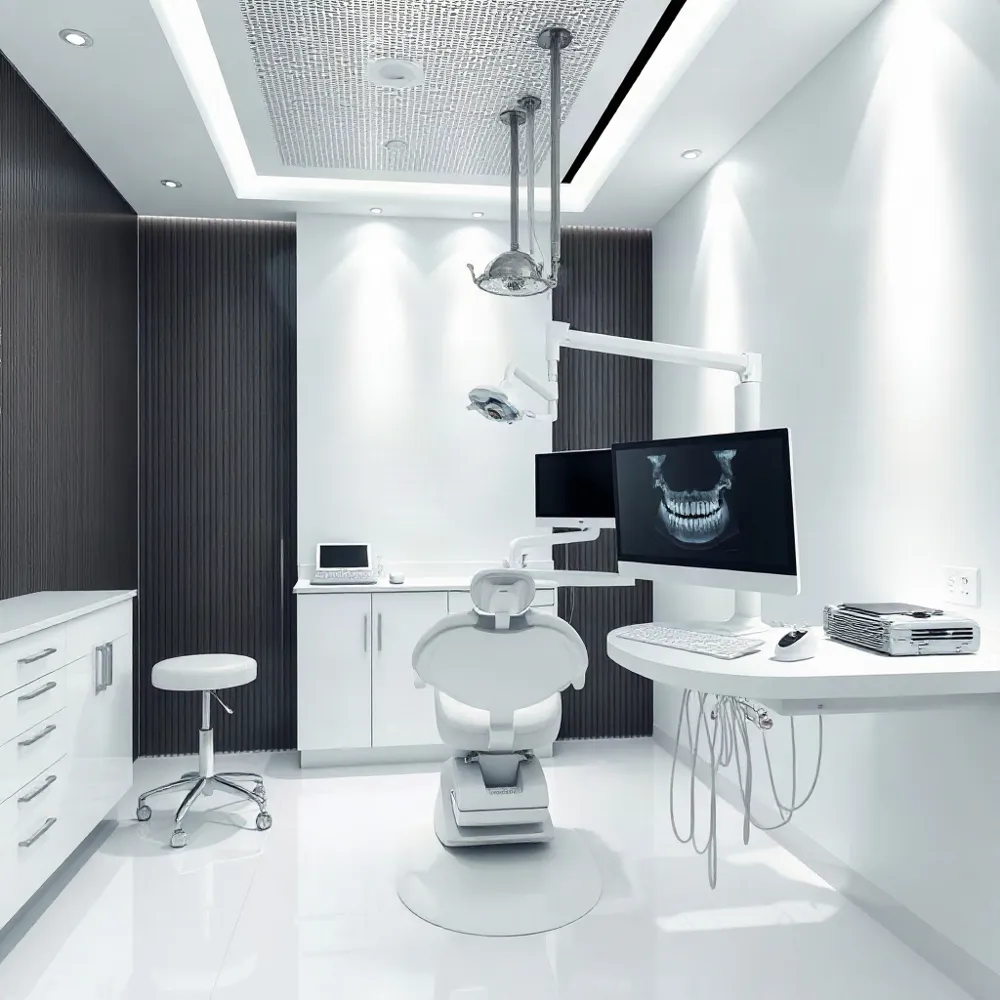 Modern dental care uses different types of lasers to target specific tissues in your mouth, allowing for precise and comfortable treatments.
What are the common types of dental lasers used in clinical practice?
At Smile Perfector Dental Group, we use advanced laser technology to provide you with precise, comfortable, and minimally invasive care. In our practice, we use lasers that are specially designed for different tissues. Some lasers are perfect for working on hard tissues like teeth and bone, while others are ideal for delicate soft tissue work. This means we can perform procedures like cavity preparation and gum reshaping with exceptional accuracy, leading to faster healing and more comfortable recovery. By incorporating these diverse laser technologies, we can deliver the beautiful, natural-looking smiles you deserve.
Hard Tissue Lasers. These lasers are absorbed by water and the minerals in your teeth, making them excellent for preparing cavities and bone procedures. They allow us to preserve more of your healthy tooth structure.
Soft Tissue Lasers. These lasers target blood and pigment in your gums, enabling bloodless procedures like gum reshaping and other soft tissue treatments. This results in less discomfort and quicker healing.
Whether you're looking to improve the appearance of your smile or need restorative care, these specialized tools help us achieve results that traditional methods often cannot match. By focusing energy only on the affected area, we preserve more healthy structure, ensuring that every crown, implant, or aesthetic makeover supports a lasting and natural-looking result that boosts your confidence.
Revolutionizing Periodontal Care and Bacterial Control
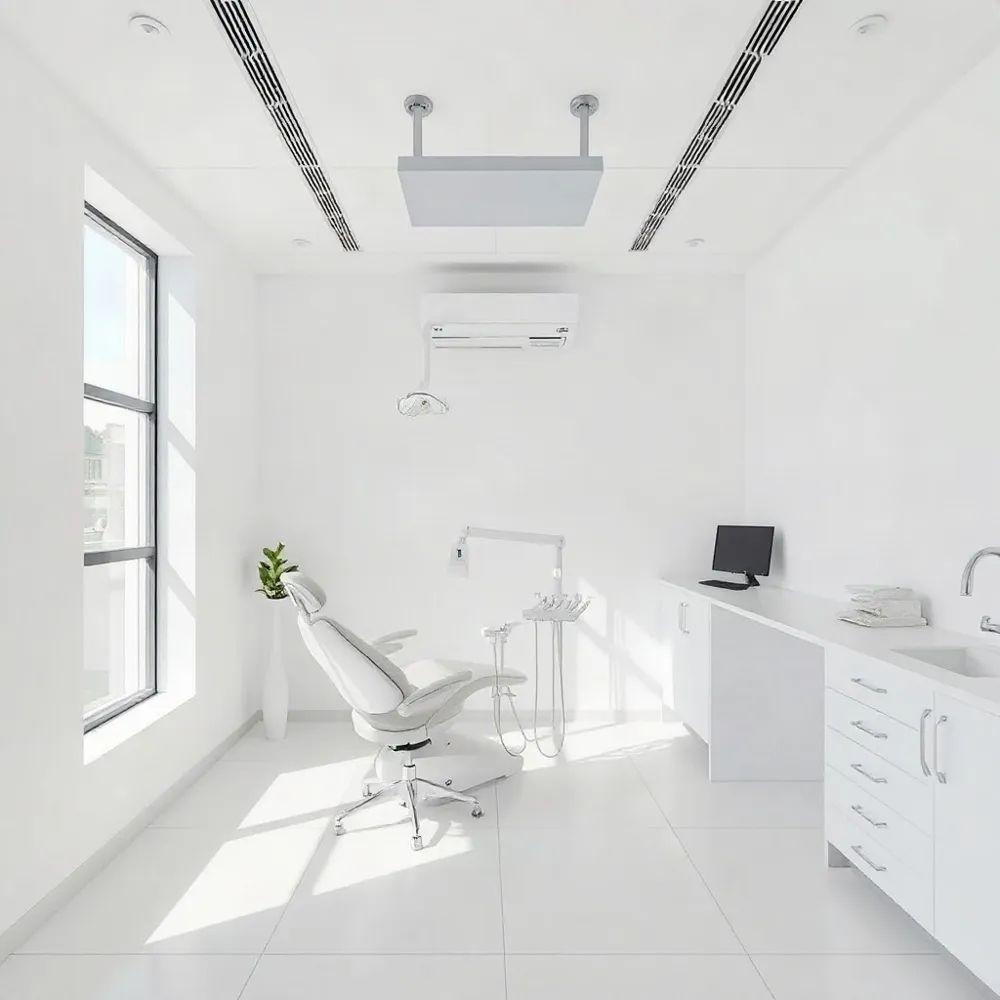 Managing periodontal disease requires precision to protect both your oral health and the aesthetic quality of your smile. Traditional mechanical scaling often reaches the surface of the roots, but it struggles to access the deepest pockets where harmful bacterial biofilms thrive. At Smile Perfector Dental Group, we utilize advanced laser technology to eliminate these hidden pathogens, providing a thorough clean that manual instruments simply cannot achieve.
Can laser treatment be used effectively for treating gum disease and managing bacteria?
Absolutely. Our team employs specialized light energy to target and destroy bacteria while simultaneously stimulating the surrounding tissue. This laser-assisted periodontal therapy is recognized by the American Academy of Periodontology for its ability to reduce pocket depth and encourage new tissue attachment. Because the laser sterilizes the area during the procedure, it significantly lowers the risk of post-operative infection compared to conventional surgery. Most patients at our Los Angeles office find the experience far more comfortable than traditional methods, as the light energy seals blood vessels, reducing bleeding and often eliminating the need for sutures.
Do gums grow back after laser treatment?
It is important to clarify that lost gum tissue does not regenerate on its own. Instead, laser therapy creates a pristine, bacteria-free environment that allows the existing tissue to reattach firmly to the tooth surface. By removing diseased cells with pinpoint accuracy, we stop the progression of recession and help stabilize your gum line. While this process does not produce new tissue growth, it is the most effective way to firm up the area and prevent further loss. We invite you to visit www.smileperfector.com to see how our targeted approach protects your oral health and keeps your smile looking its best.
Balancing the Benefits and Clinical Considerations of Laser Therapy
Laser dentistry offers a sophisticated, minimally invasive approach to oral care, frequently resulting in less bleeding, reduced swelling, and faster healing times than traditional methods. By utilizing highly precise light energy, we can often perform procedures—such as treating tooth decay, reshaping gums, or enhancing whitening treatments—with greater accuracy and a lower risk of bacterial infection. Laser technology serves as a powerful complement to traditional dental tools like drills and scalpels rather than a complete replacement for every clinical scenario.
What are the primary benefits and potential downsides of using laser technology for dental procedures?
The patient experience is fundamentally transformed by the reduction of typical dental stressors. Because lasers operate without the vibration and noise associated with traditional dental burs, many individuals at Smile Perfector Dental Group find their appointments significantly more comfortable and less anxiety-inducing. Furthermore, the cauterization effect of laser therapy often minimizes the need for local anesthesia, which is especially beneficial for patients who have needle phobias or sensitivities.
We also leverage Photobiomodulation (PBM), or low-level laser therapy, to accelerate your recovery. By applying specific wavelengths of light, we can stimulate cellular regeneration, manage postoperative pain, and decrease inflammation. While these outcomes are impressive, laser technology is not a universal solution for every dental challenge. Certain conditions, such as deep caries or the adjustment of complex restorative materials, may still require conventional mechanical interventions. Additionally, the initial investment in advanced laser equipment can influence the pricing of specific services compared to standard methods. Our priority is to evaluate your unique oral health profile to determine if laser intervention is the safest and most effective path to achieving your most confident, brilliant smile.
Why Specialized Training Defines the Modern Practice
Why is laser technology not used by every dental practice? While laser technology offers wonderful benefits like faster healing and increased precision, it is not yet the standard in every practice due to the significant financial investment required for high-end, specialized equipment. Beyond the initial cost, which can range from $10,000 to $80,000 per unit, safely operating these tools demands extensive, ongoing training for the entire dental team to ensure the best patient experience.
Some practices also find that lasers have specific limitations, as they cannot replace traditional instruments for every type of complex procedure or restore existing dental work. Integrating this technology often requires a complete overhaul of an office’s workflow and strict adherence to new safety protocols, which can be a complex transition. For instance, maintaining office standards necessitates the appointment of a Laser Safety Officer who ensures that wavelength-specific protective eyewear is used by everyone in the operatory.
At Smile Perfector Dental Group, we believe that the artistry of a beautiful smile requires both advanced technology and a deep commitment to excellence. We prioritize continuous professional education, ensuring our team is always at the forefront of digital workflows and modern dental advancements. By investing in these precise tools, we provide our Los Angeles patients with comfortable, efficient, and highly personalized care that elevates their overall experience beyond what traditional methods can offer.
Your Trusted Partner for Modern Dental Excellence
Embracing laser dentistry is about more than just keeping pace with innovation. It is about prioritizing your comfort and the longevity of your smile. At Smile Perfector Dental Group, we integrate advanced technology into our workflow to deliver precise, minimally invasive care that traditional mechanical tools often cannot match. Whether you are seeking cosmetic enhancements or essential restorative work, our approach ensures you receive gentle treatment designed to promote faster healing and long-term oral health.
We invite you to experience the difference that modern, laser-assisted dentistry makes in your daily life. By reducing the need for sutures and anesthesia, our team creates a sophisticated environment where precision meets artistry. Visit us at www.smileperfector.com to discover how our commitment to technology and personalized service can help you achieve the confident, natural-looking smile you deserve.