Welcome to the World of Confident Smiles
Definition. A dental implant is a small titanium post that a dentist surgically places into your jawbone to replace a missing tooth's root. Over several months, the bone naturally fuses around the post through a process called osseointegration, creating a stable base. Once healed, a lifelike crown is attached to the top, restoring your smile's appearance and function. The Cleveland Clinic provides a clear overview of dental implant types, purpose, and benefits.
Components. A standard implant system has three parts: the titanium post that anchors into the bone, the abutment that connects the post to the crown, and the custom-made crown that matches your surrounding teeth. Unlike bridges that rely on adjacent teeth for support, an implant stands independently. The FDA explains what patients should know about dental implants.
For many patients, the real benefit is confidence. A dental implant looks, feels, and functions like a natural tooth, so you can eat, speak, and smile without worry. At Smile Perfector Dental Group, Dr. David Shouhed and his team focus on precision and aesthetics. They use advanced digital imaging to plan each implant with accuracy, then design a crown that blends seamlessly with your smile. If you're considering this treatment, the step-by-step procedure at Delta Dental outlines what to expect from consultation to final restoration.
What Exactly Are Dental Implants?
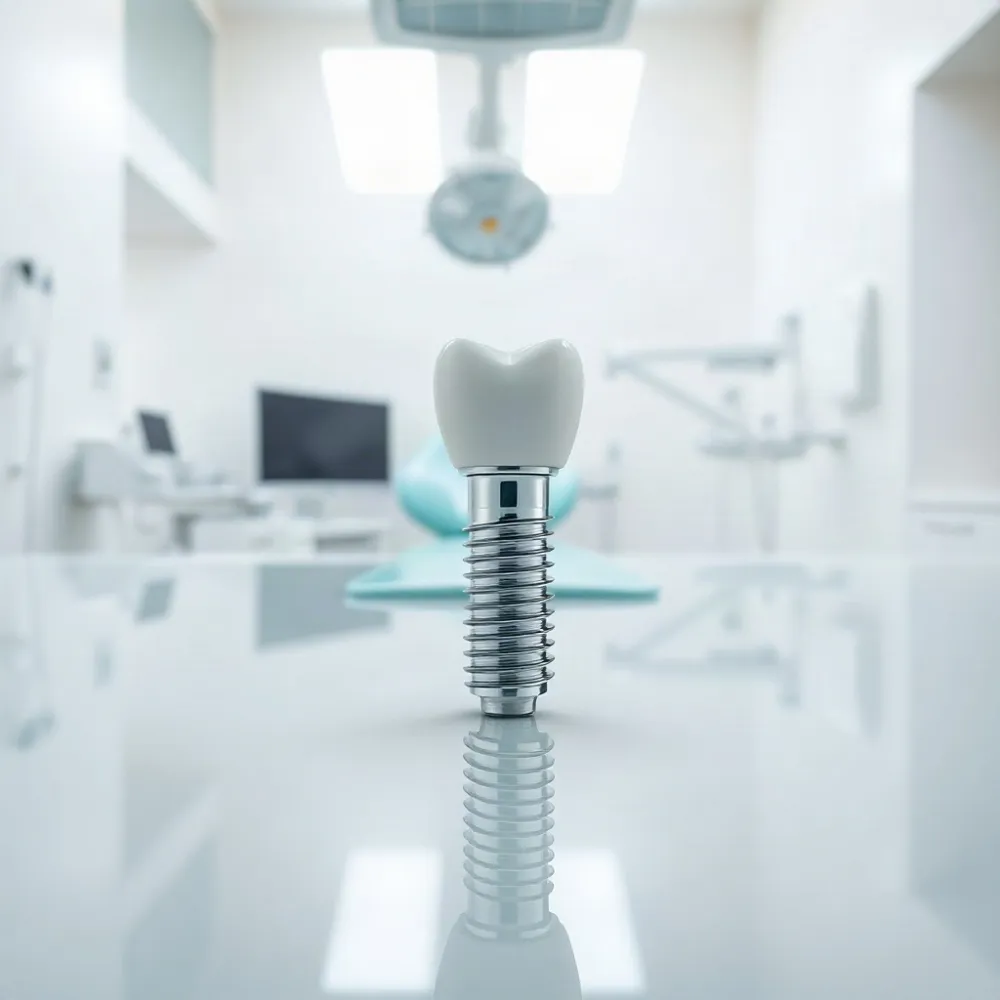
 A dental implant is a small titanium post that a dentist surgically places into your jawbone to replace a missing tooth's root. The bone gradually fuses with the implant through a process called osseointegration, creating a stable foundation. On top of that post, a custom crown is attached to restore your natural bite and appearance. The FDA explains that implants are designed to look, feel, and function like your own teeth, which is why they've become the gold-standard solution for tooth loss.
You can think of an implant as having three main parts. First, the implant itself: a screw-shaped titanium post that acts as the artificial root. Second, the abutment: a connector piece that sits on top of the implant and holds the restoration. Third, the crown: the visible, tooth-colored cap that matches your surrounding teeth. The Cleveland Clinic provides a helpful overview of how these components work together to create a durable, natural-looking replacement.
Implant. The titanium screw that is surgically placed into your jawbone. It fuses with the bone over several months to provide a strong, stable foundation.
Abutment. A small connector that attaches to the top of the implant. It serves as the anchor for the crown and shapes the gum tissue around the site.
Crown. The custom-made, tooth-colored cap that sits on the abutment. It restores the look and function of your natural tooth, blending in with your smile.
Why Implants Beat Dentures and Bridges
 Deciding how to replace missing teeth often comes down to three main options: dentures, bridges, and dental implants. Each approach restores your smile, but the right choice depends on your oral health, budget, and lifestyle. Understanding the key differences in procedure, longevity, and care can help you make a confident decision that fits your goals.
Understanding Your Tooth Replacement Options
Dentures. Dentures are removable appliances that replace some or all missing teeth. They are typically the most affordable upfront option and can be placed without surgery. However, they may require periodic adjustments as your jaw changes, and some people find them less stable during eating or speaking.
Bridges. A dental bridge literally bridges the gap left by one or more missing teeth. It is anchored to the natural teeth (or implants) on either side of the gap, restoring function and appearance. Bridges are fixed in place, so they don't have to be removed for cleaning. The trade-off is that preparing the adjacent teeth can compromise otherwise healthy enamel.
Implant. A dental implant is a small titanium post that is surgically placed into the jawbone to replace the tooth root. It supports a crown, bridge, or denture on top. Implants are known for their durability and natural look, and because the post fuses with the bone, they help preserve facial structure and prevent bone loss. For many, this stability makes them feel closest to a natural tooth.
The dental implant procedure is a multi-step process that varies from person to person. Per the FDA, implants offer a long-term solution but require healthy gums and sufficient bone to succeed. If you're comparing implants with dentures or bridges, it's worth knowing that implants often involve a longer timeline but can last decades with proper care.
Comparing Long-Term Value and Comfort
When thinking about cost, dentures and bridges may seem like the budget-friendly choice upfront. But consider longevity: while a bridge might last around 10-15 years and a denture may need replacement or adjustment every few years, dental implants are designed to be a permanent solution. A study from the Cleveland Clinic notes that with good oral hygiene, implants can last a lifetime. This means that over time, the initial investment in an implant can be more cost-effective than replacing cheaper options repeatedly.
Comfort and confidence also play a big role. Because implants are anchored directly into the bone, they avoid the slipping or clicking that can happen with dentures. They also allow you to eat your favorite foods without worry. For many patients, this security helps them feel more themselves when smiling and speaking. In contrast, bridges require altering adjacent teeth, which some people prefer to avoid.
| Feature | Dentures | Bridges | Implants |
|---|---|---|---|
| Procedure | Non-surgical, no healing | Non-surgical, minimal healing | Surgical, 3-6 months healing |
| Bone preservation | No | No | Yes |
| Adjacent tooth impact | None | Significant alteration | None |
| Longevity | 4-8 years | 10-15 years | Lifetime with care |
| Stability | Lower, can slip | Good | Excellent, most stable |
| Cost | Low upfront | Moderate | Higher upfront, long-term value |
Making the Right Choice for Your Smile
There's no one-size-fits-all answer. The best option for you depends on your oral health, the number of missing teeth, your budget, and your long-term goals. For example, if you have a single missing tooth, an implant or bridge are both viable. If you're missing all your teeth, you might consider implant-supported dentures for added stability.
At Smile Perfector Dental Group, Dr. David Shouhed and his team provide personalized consultations to help you weigh these choices. By combining advanced digital imaging with an artist-focused approach, they can show you what each option would look like before you commit. This way, you can choose with confidence, knowing your decision supports your smile for years to come.
Are You the Right Candidate?
Losing a tooth doesn't just affect how you eat or speak; it can shake your confidence and change how you see yourself in the mirror. Many people in Los Angeles put off replacing a missing tooth because they worry about discomfort, cost, or the unknown. But dental implants have evolved into a reliable, long-term solution that looks and feels like a natural tooth. At Smile Perfector Dental Group, we focus on helping you restore not just the tooth, but the joy of smiling openly.
Beyond the cosmetic benefit, missing teeth can lead to bone loss in your jaw over time, shifting of remaining teeth, and even changes in your facial shape. Choosing a dental implant is about more than filling a gap; it's about preserving your oral health and maintaining your natural facial structure. The FDA provides guidance on what to know about dental implants, emphasizing that they are a safe and effective option when performed by a qualified professional. At our practice, we combine this understanding with a personalized approach that puts your comfort first.
Step-by-Step Implant Procedure Unveiled
Understanding the steps that make up the surgery itself is the best way to walk into your appointment with confidence. While every case is planned to fit your anatomy, the core sequence follows a well-established pattern refined over decades of dental implant practice.
The Surgical Sequence in Brief
The procedure typically begins with a local anesthetic to numb the area completely, so you stay comfortable the entire time. According to the Mayo Clinic, the surgeon then makes a small incision in the gum to expose the jawbone, prepares the bone, and places the titanium implant post directly into the prepared site. The gum is closed with a few sutures, and the healing phase of several months begins as the bone fuses to the implant.
The entire surgical placement of the implant post itself usually takes less than an hour, Cleveland Clinic notes. This is the part patients often fear most, yet it is typically no more uncomfortable than a routine tooth extraction. After the implant integrates, a second minor appointment connects an abutment and the custom crown, completing your new smile.
What Sets Smile Perfector Dental Group Apart
Smile Perfector Dental Group brings the same proven surgical steps many general dentists offer, but with a digitally driven, artist-focused approach that makes precision the expected norm. Where some practices rely on guesswork, Smile Perfector integrates state-of-the-art digital imaging and planning tools to map the ideal implant position before the first incision. That technology translates to shorter procedures, fewer surprises, and a final result carefully designed to match the natural balance of your face.
Patients in Los Angeles also value having a single practice that combines advanced implant surgery with the full spectrum of cosmetic and family dentistry. Rather than bouncing between a surgeon, a lab, and a general dentist, Smile Perfector Dental Group coordinates every step under one roof. This means clearer communication, fewer appointments, and a comfortable environment where you feel like a person, not a procedure.
Navigating the Healing Timeline
Dental implants are replacement tooth roots made of titanium or zirconia that a dentist or oral surgeon places into your jawbone. They provide a stable base for a crown, bridge, or denture, so the finished tooth both looks and functions naturally. The American Dental Association's patient resource walks through the step-by-step process, from the first consultation to the final restoration. At Smile Perfector Dental Group in Los Angeles, this procedure is part of a fully digital workflow, using state-of-the-art imaging to plan each case precisely before any treatment begins.
Clearing up the terminology helps. An implant fixture is the screw-like post inserted into the bone. The abutment is the connector piece that sits above the gum line. The crown is the custom-made porcelain tooth that snaps onto the abutment. The FDA's patient guide on dental implants explains what you should know about the materials and the approval process for these devices. Different implant systems exist, but they all share the same goal: a durable, natural-looking replacement that preserves the surrounding bone.
Why People Choose Implants
Implants are a popular choice because they do more than replace a missing tooth. They stimulate the jawbone, which helps prevent the bone loss that happens after a tooth is lost. The Mayo Clinic's overview of dental implant surgery explains how this stimulation protects the structure of your face over time. Unlike a fixed bridge that requires grinding down adjacent healthy teeth, an implant stands alone, so neighboring teeth stay untouched. For many patients, that's a decisive advantage.
Process Overview at Smile Perfector Dental Group
The procedure at Smile Perfector Dental Group follows the same general stages you would find at any experienced practice: consultation, implant placement, healing, and crown attachment. The Cleveland Clinic's guide to dental implants maps out the main types and what each is used for. What differs here is the detail. Every case is planned using fully digital impressions and 3D imaging, so the implant goes in at the precise angle and depth needed for a natural bite. That accuracy shortens healing time and reduces the chance of surprises during recovery.
The clinic also approaches each case with an artist's eye. Because the final crown is designed for the patient's entire smile, the shape, contour, and shade are matched to the surrounding teeth. This is where the practice's focus on aesthetic outcomes sets it apart — the goal is not just a functional tooth but one that looks like it belongs there from day one.
Your Recovery Journey: Day by Day
 Understanding the recovery process is essential for anyone considering dental implants. While the procedure itself is a significant step, your healing journey and the aftercare you provide will play a major role in the long-term success of your new smile. With the right approach and guidance from a trusted dental team, most patients find that recovery is more manageable than they initially anticipated.
The timeline for healing after implant surgery typically follows a predictable pattern. Immediately following the procedure, you can expect some swelling, minor discomfort, and slight bleeding, which are all normal parts of your body’s natural healing response. The dental implant recovery timeline presents a day-by-day and week-by-week guide, showing how initial symptoms subside and how the implant site gradually integrates with your jawbone. Most people return to their normal daily activities within a day or two, though full healing can take several months as the implant fuses with your bone in a process called osseointegration.
Your First 24 to 48 Hours
The first two days after surgery require the most attention. Rest is crucial, and you'll want to limit physical activity to prevent increased bleeding and swelling. Applying an ice pack to the outside of your cheek in 20-minute intervals can significantly reduce swelling. Your dentist will prescribe or recommend pain relief, and you should take it as directed before the local anesthetic wears off to stay comfortable. You'll also be advised to eat only soft foods and avoid any actions that might disturb the surgical site, such as vigorous rinsing or using a straw, as the suction can dislodge the blood clot that aids healing.
The Weeks of Healing Ahead
As you move into the first week and beyond, your focus shifts towards maintaining excellent oral hygiene without disturbing the implant site. Gentle saltwater rinses and a prescribed mouthwash can help keep the area clean. You can gradually introduce more solid foods as your comfort allows, but you should continue to chew on the opposite side of your mouth. According to the Mayo Clinic’s guide on dental implants, it’s important to avoid smoking and using tobacco products during healing, as they can delay the process and increase the risk of complications. Throughout this period, keeping up with scheduled follow-up appointments is vital so your team can monitor the healing and check the osseointegration progress.
Caring for Your Permanent Crown
Once the implant has fully integrated and the permanent crown is placed, your aftercare routine transforms into a simple, daily commitment. You should care for your implant-supported crown much like you would your natural teeth: brush twice a day, floss daily, and pay special attention to the area where the crown meets the gum line to remove plaque. The American Dental Association’s step-by-step procedure guide highlights the importance of regular professional check-ups to ensure everything remains in top shape. With consistent care, a dental implant can last for decades, providing a durable and natural-looking replacement for a missing tooth.
Beyond the Basics: Long-Term Maintenance
Long-term success depends not just on your daily habits but also on your commitment to regular dental visits. During these appointments, your dentist can check the implant, the surrounding gum tissue, and the health of your bite. The FDA’s guide on dental implants advises that, just like natural teeth, implants need to be kept clean and maintained to prevent peri-implant diseases. Understanding the stages of the dental implant procedure helps set realistic expectations, and knowing what to expect at every step can significantly reduce anxiety and help you feel in control of your oral health journey.
The Role of Your Dental Team
Having a skilled and supportive dental team makes a world of difference. At Smile Perfector Dental Group, the approach is centered on patient comfort and comprehensive care, ensuring that you feel informed and at ease from the first consultation to the final follow-up. We guide you through each phase of the recovery, providing personalized aftercare instructions and being available to answer any questions that arise. Our fully digital workflow and advanced technology help ensure that your implant is placed with precision, contributing to a smoother recovery and predictable, beautiful results. We are here to support you in protecting your investment in your smile.
Comparison of Typical Recovery Responsibilities
To help summarize the different phases of aftercare, here is a snapshot of what you can generally expect during your recovery journey.
| Recovery Phase | Duration | What to Expect | Key Focus |
|---|---|---|---|
| Immediate Post-Op | First 24 hours | Swelling, minor discomfort, bleeding at the site | Rest, ice packs, no spitting or straws |
| Early Healing | First week | Swelling subsides, soft tissue begins to close | Soft foods, gentle oral hygiene, avoid smoking |
| Ongoing Integration | Weeks 1 to 4 | Bone begins to fuse with the implant, mild tenderness | Continue soft-chew diet, attend follow-ups |
| Full Osseointegration | Months 2 to 6 | Bone firmly secured around the implant | Transition to normal eating, keep implant clean |
| Post-Crown Placement | After final crown | New tooth functions normally, some initial adjustment | Regular brushing and flossing, routine check-ups |
By understanding these stages and following your dentist’s instructions, you can ensure a strong foundation for a long-lasting smile.
Understanding the Downsides Honestly
Once your implants are fully healed, daily maintenance becomes your most important job. The good news is that caring for them doesn't require a complicated routine. In fact, the same habits that keep your natural teeth healthy will also keep your implant-supported smile in top condition. The key is consistency and using the right techniques, something the team at Smile Perfector Dental Group in Los Angeles emphasizes with every patient.
Brushing and Flossing the Right Way
You already brush twice a day, but with implants, the details matter more than you might think. The main goal is preventing plaque buildup at the implant site, which can lead to a condition called peri-implantitis, an infection of the gums and bone around the implant. This is a primary cause of implant failure. According to the FDA, peri-implantitis is a known risk that requires diligent home care.
Focus on using a soft-bristled toothbrush, as hard bristles can scratch the implant's polished surface and irritate your gums. You should also pay special attention to flossing. Traditional floss can get around the base of the implant, but many people find it easier to use special implant-specific floss, which often has a stronger, more definitive texture. For tight spaces, interdental brushes or a water flosser are excellent additions to your routine.
Brushing. Use a soft-bristled brush and non-abrasive toothpaste twice daily. Angle the brush to clean the gumline where the implant meets the crown, just as you would with a natural tooth.
Flossing. Floss daily to remove plaque from below the gumline and around the implant base. Consider implant-specific floss or a water flosser if standard floss is difficult to manage.
Rinsing. An antibacterial, alcohol-free mouthwash can help reduce bacteria in hard-to-reach areas. Avoid rinsing too vigorously for the first few weeks after surgery to protect the healing site.
The recovery period is when your habits matter most. In the days and weeks immediately after surgery, your responsibility is to protect the surgical site. This means sticking to a soft-food diet and avoiding chewing on the implant area until your dentist tells you it's safe. The Cleveland Clinic recommends following your dentist's specific aftercare instructions closely to avoid complications and ensure the implant fuses properly with your jawbone.
Your Maintenance Routine Checklist
Developing a consistent daily routine now will save you time, money, and anxiety in the long run. Here's a simple checklist to follow every single day.
- Brush for a full two minutes, twice a day, using a soft-bristled brush.
- Floss at least once a day, paying special attention to the gumline around the implant.
- Rinse with an alcohol-free, antibacterial mouthwash after brushing and flossing.
Avoid chewing on hard objects like ice, pens, or hard candy, which can crack the porcelain crown. While the underlying implant is made of durable titanium, the crown is not indestructible.
The Importance of Professional Oversight
No amount of at-home care can replace professional cleanings. During a routine check-up, your dental hygienist or dentist at Smile Perfector Dental Group uses specialized instruments to clean areas you simply can't reach with a toothbrush or floss. They can also detect early signs of implant complications, such as bone loss or gum inflammation, before they become painful or costly to treat. The Mayo Clinic notes that regular dental visits are crucial for monitoring the health of your implant over time.
Your provider will also check the fit of the crown and the health of the surrounding gum tissue. This proactive approach is a core part of modern dental care, ensuring your implant remains a permanent, reliable part of your smile. By pairing diligent home care with professional checkups, you are making a small investment that protects your larger dental investment for decades.
| Habit | Why It Matters | How Often |
|---|---|---|
| Brushing | Removes plaque and food particles from the surface | Twice daily |
| Flossing | Cleans the critical area below the gumline | Once daily |
| Rinsing | Reduces bacteria and soothes gums | Once or twice daily |
| Professional Cleaning | Removes hardened plaque (calculus) and monitors health | Every 6 months |
Special Considerations: Bone Grafts and MRIs
For the roughly 5% of patients missing all of their teeth, All-on-4 treatment presents a complete-arch solution that replaces an entire set of teeth with just four strategically placed implants. The approach, which includes the Nationwide Insurance brand mentioned earlier, is designed to maximize the use of available jawbone, often eliminating the need for bone grafts.
However, a common patient question concerns how these implants interact with medical diagnostics, particularly MRI scans. The good news is that modern implant systems, including those used in All-on-4 procedures, are typically manufactured from titanium or zirconia, materials that are not strongly magnetic. This means that having a full-arch implant restoration does not automatically disqualify you from getting an MRI.
How MRI Interacts with Implant Materials
The primary concern with any metal in the body during an MRI is the potential for the magnetic field to cause movement or heating. According to the FDA's guidance on dental implants, most implants are made from materials that are safe in this regard. Titanium, the most common choice, is classified as MRI-conditional, meaning it's safe under specific conditions that your radiologist will verify.
For patients with All-on-4 restorations, you should always inform your dentist and the imaging facility about your implants. The radiologist will review your implant's specifications and ensure the MRI settings are appropriate. In practice, this rarely causes a problem, and you can proceed with confidence, knowing your oral health is in good hands.
The All-on-4 Advantage with Smile Perfector
At Smile Perfector Dental Group, we combine this advanced technology with a personalized approach. Our team, led by Dr. David Shouhed, focuses on precise, comfortable care. While we use state-of-the-art digital imaging, we also ensure that every patient understands their treatment, including any questions about compatibility with other medical procedures.
Material Safety. Titanium and zirconia implants are non-magnetic, so they pose no risk in the MRI scanner. Our team can confirm the specific composition of your implants.
Imaging Expertise. We use digital X-rays and 3D scans for your dental treatment, which are not affected by MRI. We coordinate details with your radiologist if needed.
Personalized Care. Your Smile Perfector dentist will review your medical history and address all concerns about MRI compatibility, ensuring your peace of mind.
Ultimately, whether you're considering All-on-4 or another implant option, understanding how your dental work interacts with other medical care is crucial. With Smile Perfector Dental Group, you get the assurance of a team that values your overall health and comfort.
Why Choose Smile Perfector Dental Group?
When you search for a dentist in Los Angeles, you'll find plenty of practices offering individual treatments—maybe a whitening special here, a crown there. But oral health is connected. A cavity, a worn-down enamel, or a misaligned bite can affect your overall smile and your confidence. That's why many patients value a practice that acts as a dental home, where preventive care, restorative work, and cosmetic treatments happen under one roof.
This is where the concept of a full-service practice changes the experience. Instead of coordinating between a general dentist, an oral surgeon, and a lab across town, you get a team that sees the whole picture. For example, Smile Perfector Dental Group combines cosmetic artistry with family dentistry, so the same clinicians can handle everything from a routine cleaning to a custom porcelain veneer. This continuity means treatment plans are built around your actual needs, not just one procedure.
Comprehensive care. Having a full-service dental home means fewer referrals and less waiting. Your dental team can coordinate treatments like implants, veneers, and orthodontic clear aligners in a way that respects your time and your budget.
Preventive foundation. Routine checkups and cleanings aren't just about polishing teeth. They catch small issues before they become big ones, which is especially valuable if you're considering more involved work like dental implants down the road.
For many Angelenos, the appeal of a one-stop location goes beyond convenience. It's about building a relationship with a team that understands your smile history and your goals. Whether you're preparing a full-mouth reconstruction or simply want to brighten your smile before a big event, sitting down with a clinician who knows your story can make all the difference.
| Aspect | The Problem | How Full-Service Helps |
|---|---|---|
| Coordination | Multiple offices, lost records | One team shares your history |
| Continuity | Fragmented treatment plans | Hygiene to surgery aligned |
| Trust | Strangers each visit | Ongoing provider relationship |
| Efficiency | Long waits for referrals | Faster, in-house treatment |
Your Path to a Radiant Smile Awaits
A thorough consultation is the first step to a successful dental implant outcome. During this visit, the dentist evaluates your oral and overall health, takes 3D imaging, and reviews your medical history to determine if you are a suitable candidate. This assessment goes far beyond a simple exam, and it helps build a personalized treatment plan tailored to your smile. At [Smile Perfector Dental Group], the focus stays on your comfort and clear communication from that very first appointment.
Your First Appointment: What Happens at the Practice
Comprehensive exam. Your dentist examines your teeth, gums, and jawbone to check for any underlying issues, such as gum disease or bone loss, that could affect implant placement. This, along with a review of your medical history, helps identify potential risks early. The Mayo Clinic notes that a thorough evaluation is essential before surgery to ensure the best chance of success.
3D imaging. Advanced digital imaging provides a detailed, three-dimensional view of your jaw structure, nerve placement, and sinuses. This technology allows for precise implant positioning and helps your dentist plan the procedure with accuracy. The FDA outlines that proper imaging is a critical part of the implant planning process to avoid complications.
Personalized plan. Based on the exam and imaging, your dentist maps out a step-by-step treatment plan. This includes the type of implant, the number of appointments required, and the estimated timeline, so you know exactly what to expect. The Cleveland Clinic describes that a customized approach is key to addressing your specific needs and goals.
This initial consultation is also your time to ask questions and voice any concerns. A good dentist will walk you through each stage, from the surgical procedure itself to the healing process, so you feel informed and confident moving forward. Clear, honest communication here builds trust and ensures you are fully prepared for what lies ahead.
Assessing Your Candidacy for Dental Implants
Not everyone is an immediate candidate for dental implants, and that is perfectly normal. Your dentist will evaluate several factors, including the density and volume of your jawbone, the health of your remaining teeth, and your overall medical condition. If you have experienced significant bone loss, a bone graft may be recommended to create a stable foundation. The purpose here is to set realistic expectations and, when necessary, offer alternative treatments so your smile goals stay achievable.
- Healthy gums without active periodontal disease
- Sufficient jawbone density to support the implant
- Good overall health with no conditions that impair healing
- A commitment to maintaining oral hygiene after the procedure
For patients with missing teeth for some time, the jawbone may have already started to reabsorb, which is a common reason why grafting is part of the plan. During your consultation, your dentist will explain your specific situation and how it shapes your timeline. Being honest about your health history and lifestyle helps create a safe, personalized approach.
Planning the Procedure From Start to Finish
Once you are cleared as a candidate, the planning begins. Your dentist outlines each phase, from placement surgery to the fitting of your permanent crown. The entire treatment often spans several months, and understanding that timeline helps reduce anxiety. Whether you need a single tooth replacement or a full arch, the process follows a predictable sequence that your care team walks you through.
- Placement of the implant post during a minor surgical procedure
- A healing period that allows the implant to fuse with the jawbone
- Attachment of an abutment to connect the implant to the crown
- Placement of the custom-made crown for a natural look and feel
This step-by-step structure is designed to give your mouth time to heal properly at each stage. The step-by-step procedure guide from Delta Dental explains this sequence in clear terms, reinforcing that patience is a normal and important part of the journey. Your dentist will also discuss what your recovery will look like, so there are no surprises.
Questions to Ask at Your Consultation
Bring a list of questions to your consultation to make the most of your time. You are investing in your oral health, so it makes sense to understand the details before moving forward.
- What type of implant do you recommend for my situation?
- How many appointments will I need from start to finish?
- What is the expected recovery timeline, and what are the restrictions?
- What are the costs involved, and what do they cover?
You should feel comfortable asking anything, from pain management options to how long the final restoration will last. A thorough answer shows that your dentist is invested in your outcome, not just in the procedure itself. The more informed you are, the more confident you can feel about your decision.
Your Comfort and Experience at Smile Perfector
At Smile Perfector Dental Group, every consultation is designed with your comfort in mind. The practice pairs advanced technology with a warm, welcoming environment, so you never feel rushed or like just another patient. Dr. David Shouhed and his team take the time to listen to your concerns and explain each step, ensuring you understand the process and feel empowered to move forward. This personalized attention is what sets the practice apart.
The fully digital workflow means faster, more precise results, and the artist-focused approach to smile design means your final restoration looks both natural and beautiful. Whether you need a single tooth replacement or a complete smile makeover, the team builds your treatment around your unique facial features and aesthetic goals. And because the practice offers both cosmetic and comprehensive services under one roof, you can manage all your dental needs in one convenient location.
| Stage | What Happens | Why It Matters |
|---|---|---|
| Consultation | Exam, 3D imaging, and treatment planning | Confirms candidacy and sets expectations |
| Implant placement | Surgical insertion of the titanium post | Forms a stable foundation for the new tooth |
| Healing period | Osseointegration and bone fusion | Ensures long-term stability and success |
| Crown placement | Custom-made restoration attached | Completes the smile with a natural look |
Embrace Your New Smile Today
So you're thinking about dental implants. Whether you've been researching them for a while or just starting to explore your restorative options, you're probably looking for a solution that feels both effective and natural. Unlike bridges or dentures that sit on top of the gums, a dental implant is a titanium post that your dental implant surgery fixes directly into your jawbone. This creates a foundation that feels, functions, and looks remarkably like a natural tooth. But what does the actual process involve, and how do you know if it's right for you? In this guide, we'll walk through the recovery timeline, the factors that influence how you'll feel afterward, and what you can do to support a smooth healing journey.
What to Expect Right After Surgery
The first 24 hours after implant placement are all about protection and rest. You'll likely experience some swelling, minor bleeding, and a general sense of soreness in the area. This is completely normal, and most people manage the discomfort with over-the-counter pain relievers and cold compresses applied to the cheek in 20-minute sessions. The dental implant procedure itself is typically done under local anesthesia, so you won't feel any pain during the placement, but your body will start waking up as the anesthesia wears off over the next few hours. Following the aftercare instructions your dentist provides is your best protection against complications like infection or implant failure.
One of the most common questions we hear is, "How long does the pain last?" The initial soreness and swelling usually peak within the first 48 to 72 hours, which is your body's natural inflammatory response doing its job. By the end of the first week, most discomfort has subsided to a mild tenderness when you chew or touch the area. The recovery timeline varies from person to person, but a full return to normal eating typically happens within two weeks, once the gum tissue has healed enough to hold the site comfortably. During this early phase, stick to soft foods like yogurt, scrambled eggs, and soup, and avoid anything hard, crunchy, or spicy that could irritate the surgical area.
The Week-by-Week Healing Journey
Healing after a dental implant isn't a single event; it's a staged process that unfolds over several weeks and months. Understanding this timeline can reduce anxiety and help you set realistic expectations, both for yourself and for your long-term smile goals. Here's a closer look at what the dental implant healing guide outlines as a typical progression.
Week 1:. By day 3 to 5, the surgical site closes over, and the gum tissue begins to knit. You might notice some slight bruising on the side of your face or under your jaw, which is normal. You'll be on a liquid or soft-food diet, and you'll rinse with a saltwater solution after meals to keep the area clean without disturbing the clot that protects the extraction site.
Week 2:. Swelling and most sharp pain resolve. The sutures may dissolve or be removed at your follow-up visit. At this point, most people feel comfortable returning to a normal, if mildly restricted, diet, though you should still avoid anything likely to put pressure on the implant, like chewing directly on that side or biting into an apple whole.
Month 1 to 3:. This is the crucial osseointegration period. The titanium implant fuses with the jawbone, a process that takes several months. You might not feel much different during this time, but the bone is doing the heavy lifting of securing the implant so it can eventually support a crown. It's essential to keep up with follow-up appointments and practice meticulous home care so that nothing disrupts this bond.
Month 3 to 6:. Once the implant is firmly integrated, the final restoration, a custom-made crown, is attached. You'll visit your dentist to have the crown placed, and after that, your treated tooth functions exactly like a natural one. Some patients with a full-arch reconstruction might receive a temporary prosthetic sooner, but the permanent set is typically placed after the bone has fully stabilized.
Factors That Shape Your Recovery Experience
Not every implant recovery feels the same, and that's because several factors influence how quickly and comfortably you heal. Your overall health, the number of implants being placed, whether you need a bone graft, and even your lifestyle habits like smoking or drinking alcohol can all play a role. For instance, smoking significantly reduces blood flow to the gums, which can delay healing and increase the risk of implant failure. Your dentist will discuss these factors with you before surgery to create a personalized plan that addresses any potential risks and sets you up for success.
Managing Pain and Swelling Effectively
Discomfort after implant surgery is usually manageable with a combination of prescribed or over-the-counter medications, but how you handle the first 24 to 72 hours makes a big difference. Applying an ice pack to the outside of your cheek in 20-minute intervals for the first few hours helps reduce swelling at the source, a technique that is recommended at most practices. You'll also want to keep your head elevated with extra pillows while you sleep, which minimizes throbbing and helps reduce any pressure that leads to pain.
As the days pass, you can switch to warm compresses to ease muscle stiffness in your jaw, and gentle saltwater rinses (starting the day after surgery) will keep the site clean without requiring forceful swishing. If you had a sinus lift or the implant placed in the upper back area, you might notice some sinus pressure or a bit of stuffiness, which is normal and resolves on its own. Most importantly, if you have upper and lower implants that will eventually become a full-arch restoration, your recovery timeline will be similar, but you may have a temporary denture fitted sooner to help you adjust to your new bite.
Signs That Call for a Check-Up
While some discomfort is expected, certain warning signs warrant a call to your dentist right away. Persistent or worsening pain after the first week, heavy bleeding that soaks through a gauze pad, difficulty swallowing or breathing, or a fever that lasts more than a day could indicate an infection or an issue with the implant. The FDA’s guide on dental implants reminds you that just like natural teeth, implants require regular check-ups, and catching a problem early is far easier than treating a complication later. Trust your instincts: if something feels off, don't wait for a scheduled follow-up to mention it.
You can also expect your first post-surgical appointment within a week or two of the procedure, during which your dentist will assess the healing site and remove any non-dissolving sutures. Use this time to ask about what you can do to support long-term bone health, including any supplements like calcium or vitamin D that might be beneficial. Following the care guidelines outlined on your recovery timeline documentation usually brings you through this phase without issues.
| Recovery Phase | Typical Duration | What You Can Do |
|---|---|---|
| Initial pain/swelling | 48-72 hours | Cold compresses, elevation, prescribed medicine |
| Tissue closure | 7-10 days | Avoid chewing on that side, saltwater rinses |
| Osseointegration | 3-6 months | Keep appointments, attend bone-graft checks |
| Attach final crown | 3-6 months | Return to normal chewing, maintain hygiene |