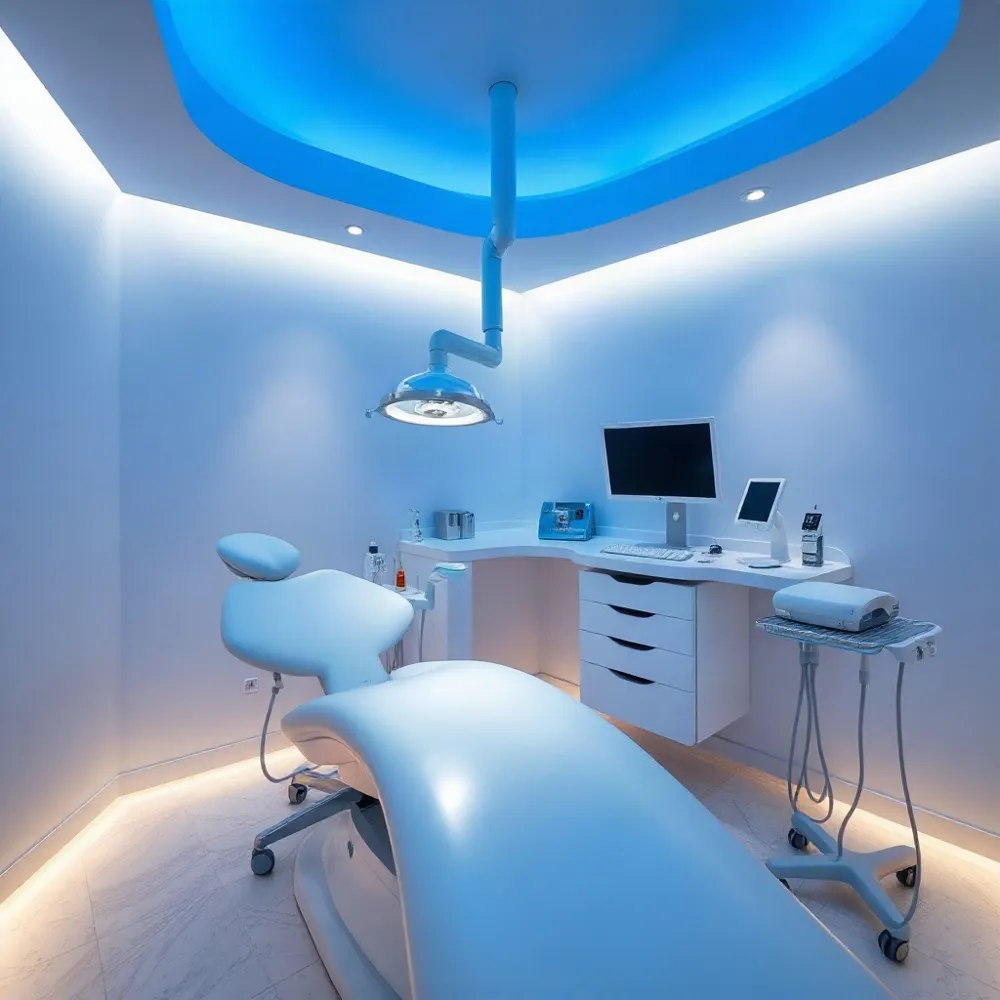
Starting Your Smile Journey with Confidence
Walking into your consultation for the first time can feel a bit nerve-wracking, but it's the most important step in your dental implant journey. This is where you'll meet the team who will guide you through every phase, from the initial exam to the final restoration. Unlike a routine cleaning appointment, this visit is dedicated entirely to you and your goals, allowing ample time for questions and a thorough evaluation of your oral health.
During the appointment, your dentist will take a series of detailed X-rays and 3D scans of your jaw. These images are not just for documentation; they're used to assess bone density, nerve placement, and sinus cavities, all of which are critical for planning a successful implant. According to the Mayo Clinic, this detailed imaging is essential to ensure the implant fits securely and to avoid any complications. You can expect a comprehensive discussion about your medical history, including any medications you take, to ensure you're a safe candidate for the procedure.
What to Prepare Before You Arrive
To make your consultation as productive as possible, there are a few simple preparations. Many practices recommend you arrive with a list of your current medications and any allergies, as well as a list of questions you've always wanted to ask about implants. 'You should also plan to come with a clear idea of your smile goals,' notes a guide on preparing for dental implant surgery. This helps your dentist tailor the treatment plan specifically to what you hope to achieve, whether that's replacing a single tooth or restoring an entire arch. If you've had previous dental work or gum disease, be ready to discuss that history openly.
The consultation is also your chance to evaluate the dental team and their technology. A practice that uses digital workflows and 3D imaging can often provide a more precise and comfortable experience, reducing surgery time and improving outcomes. This patient-centered approach, similar to what you'd find at Smile Perfector Dental Group, ensures you're not just another chart but a person with specific needs. Asking about the types of anesthesia, the estimated timeline, and the costs involved (including any financing options) will leave you feeling informed and confident about moving forward.
| What to Bring | Purpose | Why It Matters |
|---|---|---|
| Medical & dental history | Identify risks, allergies, conditions | Prevents complications during surgery |
| List of current medications | Check for interactions with anesthesia or antibiotics | Ensures your safety and proper healing |
| X-rays/3D scans (if from elsewhere) | Provide a baseline for bone and nerve imaging | Helps avoid duplicate costs and speeds planning |
| Your questions | Address fears, timeline, and costs | Clarifies the process and builds trust |
| A friend or family member | Arrange for transportation home after surgery | You'll be under anesthesia and can't drive |
Understanding What Dental Implants Involve
 With the timeline, cost, and candidacy criteria understood, you can turn your attention to the practical details that make a single visit go smoothly. Preparation in the days leading up to surgery directly influences your comfort and the precision of your treatment. For patients at Smile Perfector Dental Group in Los Angeles, this means coordinating logistics and your environment so you can focus entirely on a calm, stress-free implant placement.
- Arrange for a responsible adult to drive you to and from the appointment and stay with you for the first 24 hours after surgery, since anesthesia and sedatives can impair coordination and judgment.
- Fill any prescribed antibiotics or anti-inflammatory medications before your visit, and fill over-the-counter pain relievers you may need during recovery so you don’t have to run errands afterward.
- Prepare soft foods like yogurt, applesauce, soup, and mashed potatoes, and stock up on cold compresses, extra pillows, and entertainment to keep you comfortable and occupied during the initial healing days.
Clear communication with your dental team is just as important as the logistics. Before your procedure, discuss your full medical history, including any supplements or over-the-counter remedies, because some can increase bleeding and affect implant success. A 2024 guide from Smile Perfector Dental Group recommends avoiding tobacco and alcohol for at least a week prior to surgery, as they impair healing and raise the risk of complications. Your dentist in Los Angeles will provide personalized instructions for the morning of your appointment, typically fasting for six to eight hours if you’ll receive IV sedation.
Legal. Bring a valid photo ID and your insurance card, even if you plan to pay out of pocket. This speeds up the check-in process and ensures your records are accurate.
Medical. Bring a list of all current medications and supplements, as well as your primary care physician’s contact information in case your dental team needs to coordinate your care.
Financial. Have your payment method ready and confirm whether Smile Perfector Dental Group accepts your insurance or offers financing. Inquire about any pre-authorization requirements before the procedure.
The practice’s fully digital workflow means your implant placement is guided by 3D imaging and precise planning, which reduces surprises during surgery. When you arrive, your dental team will review your treatment plan, answer any last-minute questions, and begin the process with a gentle numbing and sedation. Unlike generic consultations that rush your appointment, Smile Perfector Dental Group takes the time to walk you through each step, from the initial incision to the final crown, so you know exactly what to expect.
Preparing for Your First Dental Consultation
 Walking into your first dental implant consultation with a clear idea of what to expect makes the whole process feel calmer and more manageable. A little advance planning helps your consultation run smoothly and sets the stage for a confident treatment plan built around your smile.
Gathering Your Dental and Medical Records
Your dentist will want a complete picture of your oral and overall health before recommending implant treatment. Bring your dental history, a list of current medications, and any recent X-rays or imaging studies. If you have medical conditions or take blood thinners, mention them upfront, since they can influence your candidacy and the surgical plan. Planning ahead means fewer surprises and a more accurate assessment.
Understanding the Consultation and Workup
During the consultation, your dentist will examine your teeth and gums, review your imaging, and discuss your aesthetic goals. The team at Smile Perfector Dental Group uses a fully digital workflow with advanced imaging, so the evaluation is precise and comfortable. This digital approach also lets your dentist show you a preview of your potential new smile before any treatment begins.
Planning for Your Treatment Timeline
Dental implant treatment is rarely a single visit. The overall timeline depends on whether you need extractions, bone grafting, or a healing period before the implant is placed. Understanding these stages helps you anticipate the number of appointments and the length of your overall treatment. The step-by-step process is well documented, and your dentist will walk you through it in detail during your consultation.
What to Bring and How to Prepare Physically
- A list of your current medications, including supplements, and any allergies.
- Copies of prior dental records or X-rays if you have them.
- Your insurance card and a photo ID.
- Comfortable clothing and a light snack afterward.
- A responsible adult to drive you home if sedation is planned for the day of surgery.
Beyond logistics, preparing physically means following any pre-surgical instructions your dentist gives you, such as fasting if sedation is planned. Resting the night before and staying hydrated contribute to a smoother experience and a smoother recovery.
Questions to Ask During Your Consultation
Arrive with a short list of questions so you leave feeling informed and confident. Ask about the types of implants the practice offers, the expected timeline, the total cost including follow-up care, and what the recovery period will look like. Clear answers help you make decisions that fit your long-term oral health goals.
| Topic | What to Prepare | Why It Matters |
|---|---|---|
| Medical history | List of medications, allergies, conditions | Affects treatment planning and safety |
| Dental records | X-rays, prior treatment notes | Enables an accurate assessment |
| Imaging | CBCT or panoramic X-rays | Guides precise implant placement |
| Logistics | Insurance card, ride home, comfortable clothes | Keeps the day stress-free |
| Questions | Ask about timeline, cost, and recovery | Teise clarity and confidence |
Preparation is the foundation of a positive implant experience. By taking these steps, you set yourself up for a smoother consultation and a more predictable path to a confident, complete smile. The team at Smile Perfector Dental Group is ready to guide you through every detail, from your first call to your final follow-up.
Essential Do's and Don'ts Before Surgery
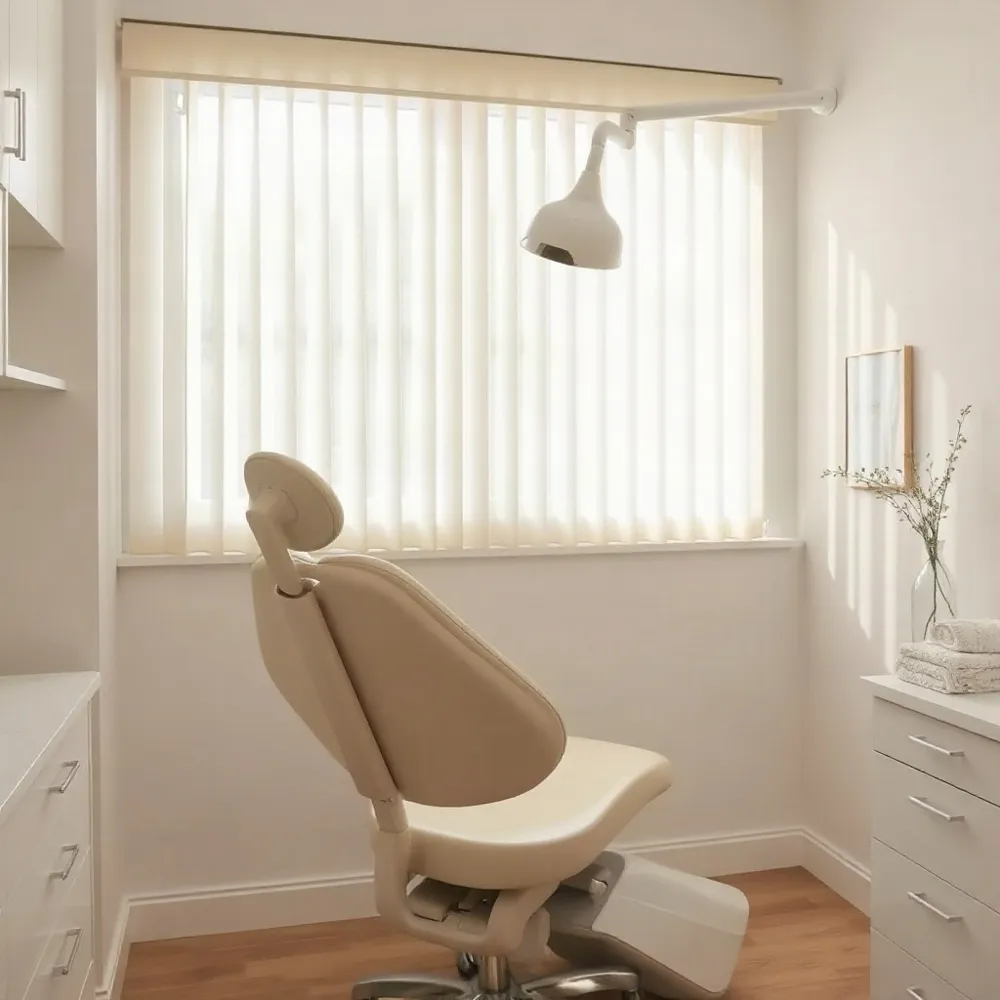 Your dental implant journey begins with a thorough consultation. During this visit, your dentist will review your medical history, take 3D imaging, and discuss your goals to create a personalized treatment plan. This step ensures you are a good candidate and that the procedure is safe for you.
Think of the consultation as your roadmap. As explained in this step-by-step guide to dental implant surgery, the process starts with a comprehensive exam to assess bone density and gum health. Your dentist will also explain the entire procedure, from the initial incision to the final crown, so you know exactly what to expect.
What to Bring and Discuss
Come prepared with a list of your current medications, any allergies, and your medical conditions. Be honest about your lifestyle, including smoking or alcohol use, as these can affect healing. This is also the time to ask about sedation options if you feel anxious. Many patients find that preparing for dental implant surgery with a clear list of questions makes the process less daunting.
- Medical history and current medications
- Any allergies or past complications
- Lifestyle habits like smoking or drinking
- Your expectations and aesthetic goals
Be ready to discuss your smile goals in detail. Whether you are missing a single tooth or need a full arch, your dentist will tailor the plan to your needs. For complex cases, you may be referred for additional imaging or consultations, as outlined in what to expect at every step of the implant process.
It’s also wise to think about your recovery time. Some procedures require a few days off work, while others allow you to return quickly. Your dentist will give you a timeline and instructions for the day of surgery. According to the Mayo Clinic’s guide to dental implant surgery, you should arrange for someone to drive you home if you receive sedation.
Finally, don’t forget to ask about costs and payment plans. Dental implants are an investment, and understanding your options helps you plan financially. Bring your insurance card if you have dental benefits, though many practices, including ours, offer flexible financing.
What to Eat and How to Prepare Your Body
Before you plan anything else, it helps to understand what a dental implant actually is. In simple terms, a dental implant is a small titanium post that is surgically placed into your jawbone to replace the root of a missing tooth. Over time, the bone fuses with the post in a process called osseointegration, creating a stable foundation for a custom crown, bridge, or even a full arch of replacement teeth. This is why implants feel, function, and look like natural teeth rather than traditional dentures that rest on the gums.
The entire process typically involves multiple phases, and the Mayo Clinic outlines a standard sequence: consultation and treatment planning, the surgical placement of the implant, a healing period that allows the bone to integrate, and finally, the attachment of the abutment and crown. The treatment timeline usually spans several months, though the exact duration depends on your bone density, healing ability, and whether any preparatory procedures like bone grafting are needed. Knowing this upfront helps you plan your schedule and set realistic expectations.
Who Is a Good Candidate?
Not everyone is immediately ready for an implant, and that’s perfectly normal. Ideal candidates have healthy gums, sufficient bone density to support the post, and good overall health. Conditions like uncontrolled diabetes, active gum disease, or heavy smoking can affect healing and success rates. During your initial consultation at Smile Perfector Dental Group, Dr. David Shouhed, DDS, performs a thorough examination, including 3D imaging, to assess your bone structure and determine if you’re a candidate or if you might benefit from a bone graft first.
If you have concerns about bone loss or gum health, don’t self-disqualify. The team at Smile Perfector will explain every option, from All-on-4 full-arch solutions to individual grafts, and help you find a path that fits your dental and medical history. Many Los Angeles patients are surprised to learn they still qualify even after years of missing teeth.
| Phase | What Happens | Typical Timeline |
|---|---|---|
| Consultation | Exam, 3D imaging, treatment plan | 1 appointment |
| Surgery | Implant post placed in jawbone | 1-2 hours |
| Healing | Osseointegration (bone fuses to post) | 3-6 months |
| Restoration | Crown, bridge, or denture attached | 1-2 visits |
The above timeline is a general guide. Your Smile Perfector dentist will give you a personalized schedule based on your specific case, including whether you need a temporary tooth during the healing period.
Ensuring a Smooth Recovery with Proper Aftercare
Your first step toward a confident smile begins with a thorough consultation. At Smile Perfector Dental Group in Los Angeles, this appointment goes beyond a quick exam. The team evaluates your oral health, reviews your medical history, and takes detailed 3D imaging to map out your unique treatment plan. This personalized approach ensures you understand every stage before any work begins.
Preparation is straightforward but important. You'll want to arrange for someone to drive you home after surgery, as sedation can leave you groggy. Fasting for a few hours beforehand is often required if intravenous sedation is planned. Your dentist will provide a complete list of pre-operative instructions, including what to avoid eating and drinking. Following these guidelines closely reduces complications and supports faster healing.
What to Expect in the Days Before Surgery
In the days leading up to your procedure, focus on establishing a clean, calm environment for recovery. Stock up on soft foods like yogurt, soups, and smoothies, and fill any prescriptions ahead of time. Avoid smoking and alcohol for at least a week prior, as these can impair healing. Your dental team may also recommend an antibacterial mouth rinse to use the morning of surgery.
It's also wise to plan for time off. Most patients need one to three days of rest before returning to normal activities, though full bone integration takes several months. During this period, you'll attend follow-up appointments to monitor progress and ensure the implant is bonding properly with your jawbone.
| Preparation Step | Timing | Rationale |
|---|---|---|
| Arrange transportation | Day of surgery | Sedation affects coordination |
| Fast (if instructed) | 6-8 hours pre-op | Prevents nausea under sedation |
| Stock soft foods | 2-3 days before | Ensures easy, comfortable diet |
| Stop smoking/alcohol | 1 week before | Reduces infection risk, aids healing |
| Fill prescriptions | Before surgery | Immediate access to pain relief |
Finally, remember that your comfort is the priority. Smile Perfector's team explains each step, answers all questions, and ensures you feel supported from the first call to your final follow-up. Whether you're considering a single tooth replacement or a full arch restoration, the preparation is the foundation for a seamless experience.
Achieving a Confident Smile with the Right Preparation
Dental implants are a significant investment, and understanding the associated costs and financing options is a common concern. Many practices, including Smile Perfector Dental Group, aim to provide transparent pricing and flexible solutions. While exact figures vary based on individual needs, most dental offices accept a range of PPO insurance plans and offer in-house membership or third-party financing options. This financial planning allows you to move forward with your treatment without unnecessary stress.
When you choose Smile Perfector Dental Group for your implant treatment, you'll benefit from a clear and personalized treatment plan that outlines all associated costs upfront. This plan is designed to fit your budget and is created during your initial consultation. You'll never face hidden fees or surprise charges. The team is committed to ensuring you fully understand your financial investment before any procedure begins, allowing you to make informed decisions with confidence.
Step-by-Step Timeline Overview
The dental implant process is typically completed in stages, and understanding this timeline can alleviate anxiety. A typical treatment spans several months to allow for proper healing and osseointegration, where the implant fuses with your jawbone. The step-by-step process generally involves a consultation, implant placement, a healing period, and finally, the attachment of the custom crown. Your Smile Perfector Dental Group team will guide you through each phase, ensuring you're comfortable and informed at every appointment.
- Initial consultation and digital imaging to plan your treatment
- Implant placement (a minor surgical procedure)
- Healing period for osseointegration (typically 3-6 months)
- Placement of the abutment (the connector piece)
- Attachment of the custom-designed, natural-looking crown
Throughout this journey, Smile Perfector Dental Group prioritizes your comfort and clear communication. Unlike practices that may rush your treatment or use outdated methods, we leverage a completely digital workflow with state-of-the-art imaging to ensure precision and efficiency. This advanced technology means fewer appointments and a more accurate final result, allowing you to achieve the confident smile you deserve.