A Broken Tooth Can Be Scary—Here’s How to Stay Calm and Act Smart
Once you've managed the immediate emergency, the next step is preventing the crack from spreading or the chip from getting worse. Avoid chewing on the affected side, and stick to soft foods until you can see your dentist. If the broken piece is still attached, resist the urge to wiggle it, as this can worsen the fracture. For any sensitivity to temperature, sip room-temperature water and avoid hot or cold items.
When you bite down on the injured tooth, you may feel a sharp pain — that's a sign the fracture extends deeper. In this case, avoid chewing on that side entirely. A temporary over-the-counter dental cement can be used to cover the sharp edge, but this is only a short-term solution. Remember, the goal is to protect the tooth until your appointment, not to attempt a permanent fix at home.
Immediate First Aid for a Chipped or Broken Tooth
If you've just chipped or broken a tooth, quick action can make a big difference. According to Mayo Clinic, the first steps are to save any broken pieces, rinse your mouth gently with warm water, and apply a cold compress to reduce swelling. If there's bleeding, use a piece of gauze and apply firm pressure. Avoid using any adhesive or painkiller directly on the gum, as this can damage the tissue.
The Cleveland Clinic adds that for a chipped tooth, you should also watch for signs of infection, such as increased pain, swelling, or a fever. These symptoms indicate that the pulp is affected, and you may need a root canal or other urgent care. If the tooth is completely knocked out, the NHS recommends placing it back in the socket (if possible) or storing it in milk, then seeking emergency dental care within 30 minutes.
What to Avoid While Waiting for Your Appointment
- Don't bite down on the broken tooth. Even with a temporary filling, pressure can cause the crack to extend and lead to a more serious fracture.
- Avoid sticky, hard, or crunchy foods like nuts, candy, or ice, which can dislodge a temporary restoration or chip the tooth further.
- Stay away from very hot or very cold foods and drinks. Sensitivity is common, and extreme temperatures can aggravate the nerve.
- Don't use the broken tooth to open packages or cut things. It's tempting, but it's a leading cause of further damage.
- Avoid over-the-counter numbing gels unless your dentist recommends them. They can mask pain and lead you to chew on a tooth that needs rest.
While these home-care tips help, they're not a substitute for professional treatment. Even a tiny chip can leave the inner layers of your tooth vulnerable to decay. That's why the American Dental Association recommends seeing your dentist within a few days for any chip larger than a small enamel fracture.
When to Call a Dentist in Los Angeles
You should call your dentist immediately if you experience any of the following: the broken tooth is a result of a serious accident, the pain is severe and doesn't subside with over-the-counter medication, or you notice swelling in your face or gums. These signs may indicate a more serious issue, such as an infection or a fractured root. In Los Angeles, where access to emergency dental care can vary, it's always better to be safe and seek professional advice.
For minor chips, you might be able to wait a few days, but don't delay too long. The longer you wait, the higher the risk of decay and further damage. A quick call to your dentist can give you peace of mind and prevent a small issue from becoming a costly procedure.
Preventing Future Dental Emergencies
After you've dealt with the immediate crisis, it's worth thinking about prevention. Wearing a mouthguard during contact sports, avoiding chewing on hard objects like pens or ice, and maintaining good oral hygiene can all reduce your risk of chipped or broken teeth. Regular dental check-ups also help catch weak spots before they turn into emergencies.
Remember, at Smile Perfector Dental Group, we're here to help you through every step, from emergency first aid to long-term restorative care. Our goal is to make sure you're comfortable and informed, so you can smile with confidence again soon.
Why Every Chip and Crack Deserves a Closer Look
 A chipped or broken tooth is one of the most common dental emergencies, and it can happen to anyone at any time. Whether you're biting into hard candy or you take a fall, the sudden sensation of a rough edge is enough to make anyone feel anxious. The good news is that most chips and breaks are treatable with the right care, and knowing what to do in the moment can make all the difference.
What Causes a Chipped or Broken Tooth?
Biting down. Biting into something hard like ice, nuts, or a hard roll can easily crack a tooth, especially if you already have weakened enamel.
Accidents. A fall, a sports injury, or any direct blow to the face can cause a tooth to chip or break.
Grinding. Habitual teeth grinding or clenching, especially at night, puts repeated pressure on teeth and can lead to cracks over time.
Immediate Steps to Take After the Injury
The first thing to remember is to stay calm. Rinse your mouth gently with warm water to clean the area, and if there's any bleeding, apply gentle pressure with a piece of gauze or a clean cloth. You can reduce swelling by applying a cold compress to the outside of your cheek. If you have the broken piece, save it in a container with milk or saliva, as your dentist may be able to reattach it.
For a chipped or broken tooth, Mayo Clinic's first aid guidance recommends taking over-the-counter pain relievers if needed, but always avoid aspirin near the gum line. If the tooth has completely come out, hold it by the crown, not the root, and try to place it back in the socket if possible. Otherwise, keep it moist in milk and get to a dentist quickly.
Temporary Fixes You Can Do at Home
While you wait to see a dentist, you can use dental wax or sugar-free gum to cover any sharp edges and protect your tongue and cheeks from cuts. You can also find temporary tooth repair kits at most pharmacies, but these are just a stopgap. The NHS guide on broken or chipped teeth emphasizes that these measures are not a substitute for professional treatment, especially if you're experiencing pain.
Why You Shouldn't Ignore a Chipped Tooth
Even if a chipped tooth doesn't hurt, it's still important to see a dentist. Cracks can expose the inner layers of the tooth, leading to decay or infection over time. The Cleveland Clinic notes that untreated chips can worsen, requiring more extensive procedures like a root canal or crown. Early intervention can save you from more complicated and costly treatments down the road.
How a Dentist Can Help
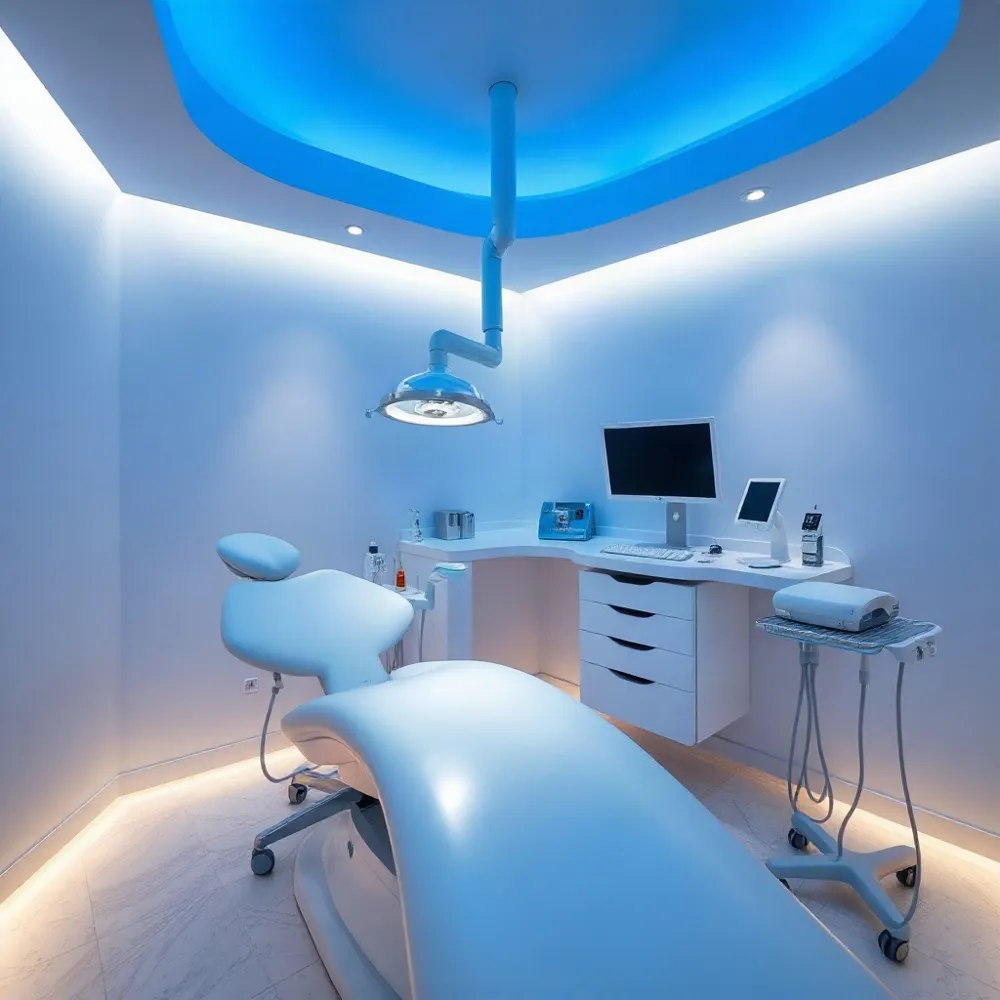
At Smile Perfector Dental Group in Los Angeles, we use a fully digital workflow and advanced imaging to assess the extent of your chip and recommend the most conservative treatment that will restore both function and appearance. For minor chips, dental bonding or a simple filling may be all that's needed. For larger breaks, a porcelain crown or veneer can provide a natural-looking, durable solution. Our goal is to make sure your smile looks and feels its best, without any unnecessary discomfort.
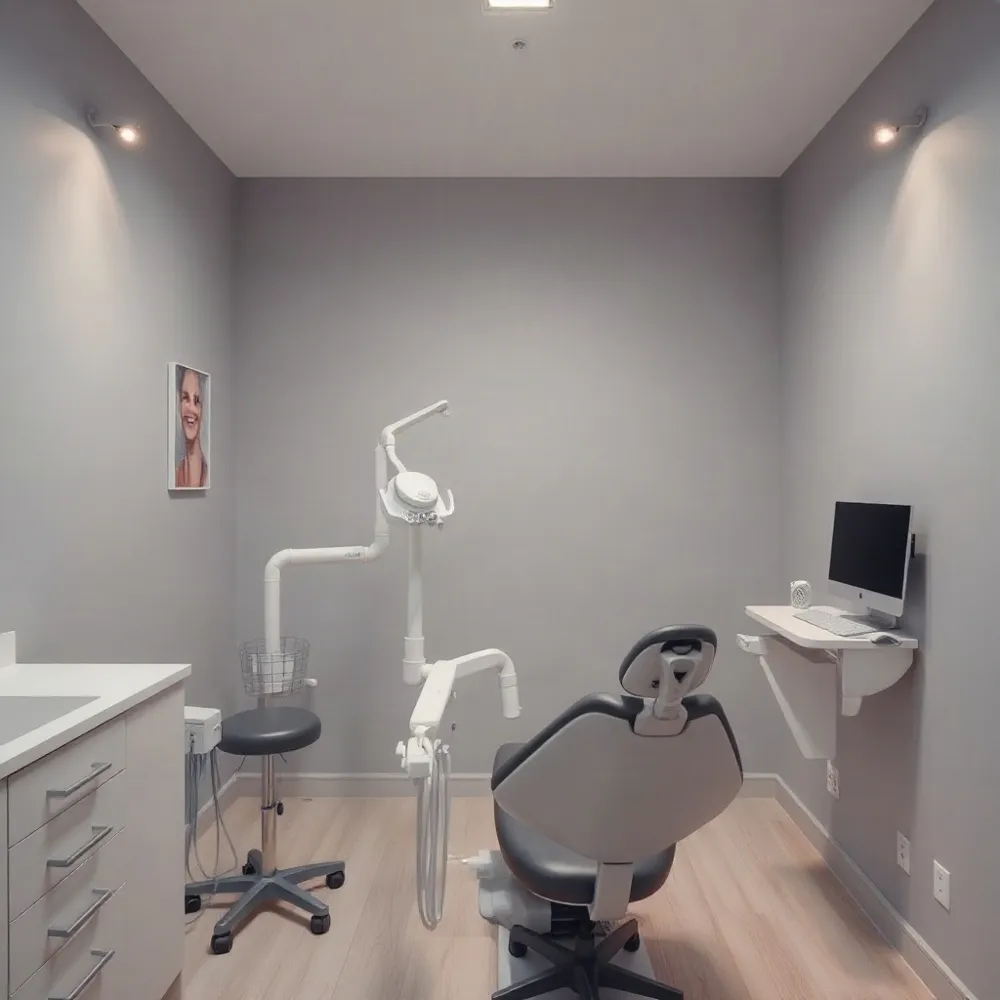
We understand that a chipped tooth can be stressful, which is why we focus on creating a calm, comfortable environment. You're not just a patient here; you're part of our dental family. We'll walk you through every step, from the first exam to the final polish, ensuring you feel informed and at ease throughout your visit.
| Type of Chip | Common Cause | Typical Treatment |
|---|---|---|
| Minor chip | Biting hard food | Dental bonding |
| Moderate break | Accident or fall | Porcelain veneer |
| Severe fracture | Untreated decay or trauma | Crown or root canal |
First Aid Essentials: What to Do in the First Minutes
 A broken tooth can feel alarming, but staying calm and acting quickly makes a real difference in the outcome. Whether you’ve chipped a tooth on hard food or cracked it in a fall, the first few minutes matter. The goal is to protect the exposed area, manage pain, and preserve any broken pieces for your dentist. Taking the right immediate steps can prevent further damage and give your dental team the best chance to restore your smile.
What to Do Right After the Injury
Start by rinsing your mouth gently with warm water to clear away any debris. If there’s bleeding, apply firm pressure with a piece of clean gauze or a damp tea bag for about 10 minutes or until it stops. Avoid using hot water or harsh mouthwashes, as they can irritate the exposed dentin and increase sensitivity. If you can find the broken piece of tooth, rinse it gently and store it in a small container with milk or saline solution. This can sometimes help your dentist assess the damage more easily.
For pain relief, an over-the-counter pain reliever like acetaminophen can help, but avoid aspirin, which may increase bleeding. Applying a cold compress to the outside of your cheek near the affected area can reduce swelling and numb the discomfort. According to the Cleveland Clinic, covering the tooth with dental cement or even sugarless gum can protect the sharp edge temporarily, but these are only short-term measures until you see a professional.
What Not to Do
It’s just as important to know what to avoid. Don’t try to bite down on the broken tooth, and avoid chewing on that side of your mouth. Skip very hot, cold, or sugary foods and drinks, as they can trigger sharp pain. Do not use superglue or other household adhesives to reattach a broken piece, as these contain toxic chemicals and can damage the tooth further. Also, resist the urge to pick at the area or probe it with your tongue or fingers, which can introduce bacteria and worsen the injury.
If the broken tooth has a sharp edge, you can temporarily cover it with a piece of sugarless gum or dental wax to prevent it from cutting your tongue or cheek. However, these are not permanent solutions. The NHS advises seeing a dentist as soon as possible, ideally within a day, to prevent infection and further damage. Waiting too long can lead to complications like decay or even tooth loss.
When to Seek Emergency Care
While many broken teeth can wait a day or two for treatment, certain signs mean you should seek immediate care. If you experience severe pain that doesn’t subside, excessive bleeding that won’t stop, or if a large piece of the tooth has broken off, contact a dental professional right away. Additionally, if you notice swelling in your face, a fever, or a bad taste in your mouth, these could indicate an infection that needs urgent attention. The Mayo Clinic recommends seeing a dentist within 30 minutes for a completely knocked-out tooth, but even for a broken tooth, prompt evaluation is crucial.
At Smile Perfector Dental Group, we understand that dental injuries can be stressful. That’s why our team offers same-day emergency appointments to get you out of pain and on the road to recovery as quickly as possible. With our advanced digital imaging and comfortable environment, we can assess the damage thoroughly and discuss the best treatment options, from bonding to veneers, to restore both function and appearance. You don’t have to navigate a broken tooth alone—we’re here to help you smile with confidence again.
What Not to Do: Avoiding Common Home Remedy Mistakes
A chipped or broken tooth can feel alarming, but knowing exactly what to do in the moment can make all the difference. Acting calmly and correctly can reduce pain, prevent further damage, and improve the chances of a successful repair. While this guide offers general first-aid steps, it's not a substitute for professional care—so plan to see a dentist as soon as possible.
Immediate Steps to Take
- Rinse your mouth gently with warm water to clean the area and remove any debris.
- If there's bleeding, apply gentle pressure with a clean gauze or cloth for a few minutes.
- Save any broken pieces of the tooth, if you can find them, and keep them in a small container with milk or saliva.
- Apply a cold compress to the outside of your cheek to reduce swelling and numb the area.
- Take an over-the-counter pain reliever if needed, but avoid aspirin since it can increase bleeding.
What Not to Do
- Don't chew on the affected side until the tooth has been examined and repaired.
- Avoid very hot, very cold, or sugary foods and drinks, as they may trigger sensitivity.
- Don't use your fingers or tongue to poke at the broken area, as this can introduce bacteria or worsen the injury.
- Avoid any DIY repairs with household glues or other adhesives, which can cause further damage or infection.
- Don't ignore the injury, even if there's no pain—cracks can worsen over time and lead to more serious problems.
Why You Need a Dentist
Even a small chip that doesn't hurt can leave the inner layers of your tooth vulnerable to decay and infection. Professional treatment not only restores your smile's appearance but also protects the tooth from future damage. A dentist can assess the extent of the break, address any underlying issues, and recommend the most appropriate repair—whether that's bonding, a veneer, a crown, or another solution.
If you're in the Los Angeles area and dealing with a chipped or broken tooth, Smile Perfector Dental Group offers same-day emergency care with a focus on comfort and long-term results. Led by Dr. David Shouhed, the practice combines advanced technology with a gentle, personalized approach to help you feel at ease from the moment you walk in.
For more detailed first-aid instructions, the Mayo Clinic and Cleveland Clinic offer reliable guidance on what to do after a tooth injury. And if you're wondering about the different ways a chipped tooth can be repaired, this overview explains the options available.
Temporary Comfort Measures: Covering Rough Edges and Buying Time
 While waiting for your dental appointment, protecting the injured tooth and keeping yourself comfortable are the main goals. A rough or jagged edge can irritate your tongue and the inside of your cheek, so covering it is a smart first step.
Dental wax is the safest option for covering a sharp edge. You can find it at most drugstores. Dry the area, roll a small piece between clean fingers, and press it gently over the rough spot. This creates a smooth barrier that protects your soft tissues until a dentist can provide a permanent repair.
If dental wax is not available, sugar-free gum can work as a short-term alternative. Use only a thin layer to cover the rough edge, and do not push it into a hole or crevice in the tooth. It is a temporary measure meant to buy a few hours of comfort, not a solution that lasts.
If the broken tooth feels stable and you have covered it with wax, sleeping with it protected is generally fine. Avoid chewing on that side of your mouth entirely. Even if the tooth feels fine and causes no pain, it still needs professional attention. A dentist is the only person who can assess whether the crack extends deeper than it appears and recommend the right treatment to prevent infection or further damage.
Understanding the Urgency: When to Seek Same-Day Dental Care
A chipped or broken tooth can be startling, especially when it happens in the middle of a busy day. The good news is that most injuries are manageable if you act quickly and calmly. Taking the right steps right away can reduce pain, prevent further damage, and improve the chances of saving the tooth.
Your first priority is to stay calm. Gently rinse your mouth with warm water to clean the area, and if there is bleeding, apply firm pressure with a piece of gauze or a clean cloth. Avoid wiggling the tooth or trying to "test" it with your tongue. If you have a broken tooth, these care instructions from Kaiser Permanente can guide your immediate steps.
Immediate First Aid for a Chipped or Broken Tooth
- Rinse with warm water to remove debris, but avoid hot or cold liquids that could increase sensitivity.
- Apply a cold compress to the outside of your cheek for 10–15 minutes at a time to reduce swelling.
- If you can find the broken piece, bring it with you. Place it in a container with milk or saline to keep it moist.
- Over-the-counter pain relievers like acetaminophen can help, but avoid aspirin, which may increase bleeding.
For a more detailed breakdown of what to do right after an injury, the Mayo Clinic's first-aid guide for tooth loss offers clear, step-by-step instructions that apply to most dental traumas.
Why You Shouldn't Delay Seeing a Dentist
Even if the tooth doesn't hurt, a chip or crack can expose the inner pulp to bacteria, leading to infection or further breakage. The Cleveland Clinic's guide to chipped teeth explains that a cracked tooth can worsen without treatment, sometimes requiring a root canal or extraction. Early intervention helps preserve your natural tooth and often makes the repair simpler and more affordable.
At Smile Perfector Dental Group, we understand how stressful a dental emergency can be. Our team is experienced in handling chipped, cracked, and broken teeth with a focus on both comfort and long-term aesthetics. We use same-day digital imaging to quickly assess the damage and recommend the most conservative solution that restores both function and your smile's natural appearance.
What About Temporary Fixes at Home?
While you wait for your appointment, you might be tempted to try DIY repair kits or dental wax. These can offer short-term relief, but they are not a permanent solution. The NHS guidance on chipped or broken teeth warns that using superglue or over-the-counter fillers can trap bacteria and cause infection. A proper evaluation by a dentist ensures the underlying structure is protected.
We know that many patients want to avoid the hassle of multiple visits. That's why Smile Perfector Dental Group offers a fully digital workflow, allowing us to diagnose, plan, and often complete restorative treatments in fewer appointments. Whether it's a minor chip or a more complex fracture, we tailor the approach to your specific needs and lifestyle.
When to Seek Emergency Care
Most chipped teeth can wait a day or two for treatment, but some situations require immediate attention. Seek emergency care if you experience severe pain, uncontrolled bleeding, or if a large portion of the tooth is missing. The MyHealth Alberta aftercare instructions outline when a broken tooth needs urgent evaluation, including signs of nerve exposure or infection.
If you're unsure about the severity of your injury, it's always better to call us. At Smile Perfector Dental Group, we provide prompt guidance over the phone and can see you quickly to assess the damage. We'll walk you through what to do next and how to manage any discomfort until you're in our chair.
How We Restore Your Smile
Every broken tooth is different, and the right treatment depends on the extent of the damage. In some cases, a simple tooth-colored filling or bonding is enough. For larger fractures, a crown or veneer may be recommended. Our goal is always to preserve as much of your natural tooth as possible while delivering a result that looks and feels completely natural.
Unlike generic emergency clinics that focus only on stopping pain, we take the time to understand your aesthetic goals. Whether you need a same-day repair or a more comprehensive smile makeover, we combine artistry with advanced technology to ensure your smile remains bright and confident. From the first call to the final check-up, we make sure you feel informed, comfortable, and cared for.
| Type of Injury | First Step | Ideal Treatment |
|---|---|---|
| Minor chip | Rinse and save any fragment | Tooth-colored bonding or filling |
| Moderate crack | Apply cold compress, avoid chewing | Porcelain crown or onlay |
| Severe break with pain | Control bleeding, see dentist immediately | Root canal or extraction, then restoration |
From Bonding to Crowns: How Dentists Repair a Broken Tooth
A chipped tooth can be jarring, whether it happens mid-bite on a hard nut or during a minor accident. The first question most people ask is whether they need emergency care or whether the fix can wait for a routine appointment. The answer depends on the size of the chip, the level of pain, and whether the tooth is sensitive to temperature. If the chip is small and painless, you may have time to book a regular visit. If it hurts, is bleeding, or exposes the inner layers of the tooth, prompt care is essential to prevent further damage.
The Mayo Clinic's first-aid guidance on tooth loss and Cleveland Clinic's overview of chipped teeth both note that saving any piece of the tooth and controlling bleeding matter most right after the injury. Rinsing with warm water, applying a cold compress to reduce swelling, and avoiding chewing on that side are reasonable immediate steps while you reach out to a dentist. If you have the broken fragment, store it in milk or saliva so it can potentially be reattached.
For many Los Angeles residents, the line between "urgent" and "routine" feels blurry, and that's exactly why it helps to have a team that can triage over the phone. At Smile Perfector Dental Group, Dr. David Shouhed and his staff can assess your situation remotely and tell you whether to come in right away or schedule within a day or two. This same-day guidance is part of the practice's commitment to modern, comfortable care, so you're never left guessing.
For smaller chips with no pain, the urgency drops considerably. NHS guidance on chipped or broken teeth explains that a minor enamel chip that doesn't hurt and doesn't affect your bite can often wait for a regular dental visit. However, even a tiny chip can create a sharp edge that irritates your tongue or cheek, so it's worth having it smoothed early to prevent soft-tissue damage. Waiting a few days won't cause major harm, but leaving it for months increases the risk of the crack spreading or decay forming in the exposed area.
When a Chipped Tooth Becomes an Emergency
Certain symptoms signal that a chipped tooth needs immediate attention. If you experience severe, throbbing pain that doesn't subside, uncontrolled bleeding, a large piece of the tooth missing, or swelling in your face or gums, treat it as an emergency. Cleveland Clinic's repair guide lists these as red flags, and the MyHealth Alberta broken tooth care instructions echo the same advice. These signs often indicate that the pulp or nerve is exposed, which raises the risk of infection and tooth loss if left untreated.
In these situations, time is not your friend. The faster you get professional care, the more tooth structure can be preserved, and the simpler the restoration. At Smile Perfector Dental Group, the fully digital workflow and state-of-the-art imaging allow Dr. Shouhed to quickly diagnose the extent of the damage and discuss your options, whether that's a crown, bonding, or another repair. The practice is prepared to see emergency patients in Los Angeles with the same warm, efficient approach you'd expect from a preferred neighborhood dentist.
Small chip. Only the outer enamel is chipped, with no pain, no sensitivity, and no visible dentin or pulp. Usually cosmetic; can often wait a few days for a routine visit to smooth or bond the tooth.
Moderate chip. A larger piece breaks off, exposing the dentin layer. You may feel sensitivity to hot, cold, or air. Needs a dental visit within a day or two to prevent further damage and reduce discomfort.
Severe break. A significant portion of the tooth is lost, with pain, bleeding, or possible nerve exposure. This is a dental emergency requiring immediate attention to save the tooth and prevent infection.
If you're unsure which category your chipped tooth falls into, the safest bet is to call. A quick conversation with a dental professional can save you from unnecessary pain and expense down the road. And if you're in the Los Angeles area, Smile Perfector Dental Group offers the reassurance of a team that can triage your situation over the phone and schedule you accordingly, whether that's same-day emergency care or a comfortable consultation for a cosmetic fix.
| Symptom | Likely Type | Recommended Action |
|---|---|---|
| No pain, tiny chip | Cosmetic | Routine visit to smooth or bond |
| Sensitivity to hot/cold | Moderate | See dentist within 24-48 hours |
| Severe pain, bleeding | Emergency | Seek immediate dental care |
| Large piece missing | Emergency | Call dentist right away |
| Swelling or fever | Emergency | Go to emergency room if severe |
Your Next Step: Personalized Care in the Heart of Los Angeles
A cracked tooth often announces itself with a sudden sharp jolt when you bite into something cold or firm, then fades. That on-again, off-again sensitivity is the classic signature of a crack: the dentin beneath your enamel expands and contracts with temperature changes, and every bite flexes the fracture just enough to trigger the nerve. Left alone, the crack can widen, the pulp can become irritated or infected, and what started as a cosmetic annoyance turns into root canal territory or tooth loss. This is why acting fast matters: a minor fracture that is caught early can often be repaired with a simple filling or crown, while a delayed visit lets the damage spread.
Not every crack is the same. Some are superficial, confined to the outer enamel where they cause little more than a rough edge you can feel with your tongue. Others extend deep into the tooth, reaching the pulp and exposing the nerve to bacteria. The severity depends on the location, depth, and direction of the fracture, and only a professional exam with digital imaging can reveal how far it really goes. At Smile Perfector Dental Group in Los Angeles, every cracked tooth is assessed with state-of-the-art imaging so the diagnosis is based on what's actually happening beneath the surface, not just what you can see in the mirror.
When you call with a cracked or chipped tooth, the first thing you want is guidance you can act on immediately. That's exactly the kind of support the team provides: clear, step-by-step instructions to protect the tooth and manage discomfort until you're in the chair. Whether it's a chipped incisor from a bike accident or a molar cracked by a hard bite, the goal is to stabilize the area, keep the tissue clean, and get you scheduled before the crack has a chance to worsen.
Your Confident Smile Is Our Priority
A chipped tooth can feel alarming, but a few calm, deliberate steps right now can protect your smile and make the repair smoother. Start by rinsing your mouth with warm water to clear away any debris. If there’s bleeding, apply gentle pressure with a clean gauze or cloth. For pain and swelling, a cold compress held against the outside of your cheek for 10 to 15 minutes at a time can help. Avoid chewing on the affected side, and if the chip leaves a sharp edge, you can cover it with sugar-free gum or dental wax to prevent it from cutting your tongue or cheek. The Mayo Clinic’s first-aid guidance for tooth loss offers additional foundational care tips that apply to many dental injuries.
Once the immediate shock passes, your next move matters: save any piece of the tooth you can find. Place the fragment in a small container with milk or saline solution, as this helps keep the tissue alive and gives your dentist more options for reattachment. If you can’t locate the piece, don’t worry. The Cleveland Clinic’s guide to chipped teeth explains that modern repair techniques can restore your tooth even when the original fragment is lost. Time is still a factor, so call a dentist promptly to arrange an appointment.
What Not to Do
- Do not try to file or sand the chipped edge yourself. You’ll likely remove more enamel and worsen the damage.
- Avoid very hot, cold, or sticky foods that can irritate the exposed dentin or dislodge a temporary restoration.
- Skip over-the-counter painkillers containing aspirin if bleeding is present, as aspirin can thin the blood and prolong bleeding.
- Don’t ignore the chip, even if it doesn’t hurt. Small cracks can grow, and early intervention often means a simpler, less costly repair.
When to See a Dentist Urgently
While a small chip may seem cosmetic, certain signs warrant immediate professional attention. See a dentist the same day if you experience severe pain, noticeable swelling, bleeding that won’t stop, or if the chip exposes the tooth’s inner pulp, which often appears as a red or pink spot. A completely knocked-out adult tooth is a true dental emergency—handle it by the crown, not the root, rinse it gently if dirty, and place it back in the socket if possible or keep it in milk until you reach the clinic. The NHS guidance on chipped or broken teeth outlines these urgent scenarios and reinforces the importance of acting fast.
Delaying care when you’re in pain or have a significant fracture can lead to infection, further structural damage, or even tooth loss. Early treatment is almost always more conservative and preserves more of your natural tooth.
How a Dentist Will Assess the Damage
During your visit, the dentist will begin with a visual exam and may take digital X-rays to check for hidden cracks or damage below the gumline. This step is important because a chip that appears minor on the surface can have a deeper fracture that affects the tooth’s root. Based on this assessment, they’ll recommend the most appropriate repair approach. Smile Perfector Dental Group in Los Angeles combines a fully digital workflow with high-resolution imaging to pinpoint the full extent of the injury, so you get a precise diagnosis before any treatment begins.
Repair Options for Chipped Teeth
Dental bonding. A tooth-colored composite resin is applied directly to the chip, shaped, and hardened with a special light. Bonding is a quick, affordable option ideal for small to medium chips. It typically requires no anesthesia and can often be completed in a single visit.
Veneers. Thin porcelain shells are custom-made to fit over the front of the tooth. Veneers are a top choice for chips that affect the front teeth, as they offer superior color matching and a natural, translucent look. Smile Perfector Dental Group’s artist-focused approach ensures veneers are crafted to complement your facial features and smile line.
Crowns. When a chip is large or has weakened the tooth’s structure, a crown may be needed to protect it. Crowns are custom-made to fit over the entire tooth, restoring strength, shape, and function. This is a more involved procedure but provides long-term durability.
Dental implants. If the chip extends below the gumline or the tooth cannot be saved, extraction followed by a dental implant may be the best path. Implants, including Smile Perfector’s All-on-4 option, replace the root and crown, offering a permanent solution that looks and functions like a natural tooth.
Your dentist will recommend the least invasive option that still delivers a stable, natural-looking result. At Smile Perfector Dental Group, the focus is on preserving your natural tooth whenever possible while ensuring the repair blends seamlessly with your smile.
What to Expect During the Repair Visit
Most chip repairs are straightforward, and you can usually go home the same day. For bonding, the procedure takes about 30 to 60 minutes per tooth. For veneers or crowns, you’ll have two visits: one to prepare the tooth and take impressions, and another to place the permanent restoration. Throughout the process, Smile Perfector’s team prioritizes your comfort, using gentle techniques and modern anesthetics to minimize any discomfort. They also explain each step, so you’re never in the dark about what’s happening.
After the repair, you may feel some mild sensitivity to temperature or pressure, which usually subsides within a few days. Your dentist will give you specific care instructions, including what to eat and how to maintain the restoration. Following these steps is essential for the longevity of your repair.
Caring for Your Repaired Tooth
- Brush twice a day with a soft-bristled toothbrush and fluoride toothpaste, paying extra attention to the repaired area.
- Floss daily to keep the gumline clean and prevent decay around the restoration.
- Avoid chewing on ice, hard candies, or non-food objects like pens, which can re-chip the tooth.
- If you grind your teeth at night, ask about a custom night guard to protect both your natural teeth and any restorations.
- Schedule regular checkups so your dentist can monitor the repair and catch any issues early.
A chipped tooth doesn’t have to be a permanent setback. With prompt action, a clear understanding of your options, and the right dental team, you can restore both your smile and your confidence. Smile Perfector Dental Group is here to guide you through every step, from the first exam to the final polish.