Protecting Your New Smile in Los Angeles
Completing your clear aligner journey is a genuine milestone. After months of trays and appointments, your smile looks the way you always hoped it would. But here's a fact worth holding onto: your teeth have memory. The tissues around them, the periodontal ligaments and the jawbone itself, remember where they used to be. That memory is exactly why your teeth naturally want to shift back toward their old positions. It's not a flaw in your treatment; it's just biology.
This is where the retention phase becomes the most important part of the entire process. Think of your aligners as the architect and your retainer as the contractor who finishes the job and makes sure nothing falls apart. Without a proper retainer routine, the straightness you worked for can quietly undo itself over the following months and years. Understanding this is the first step toward protecting the investment you've made in your smile.
What Retainers Do After Aligners
Retainers hold your teeth in their new positions while the surrounding bone and gum tissue stabilize and rebuild. This process isn't immediate. After your aligners come off, your teeth remain subtly mobile for a period of time. Wearing your retainer as directed, typically full-time at first and then nightly, gives your mouth the time it needs to set that new foundation. Skipping days early on is the quickest way to invite unwanted movement.
Many patients ask how long they'll need to wear a retainer. The short answer is: for life, though it becomes easier. After the initial stabilization period, most people only need nighttime wear. The commitment feels small once you're used to it, and the payoff, a lasting straight smile, makes it entirely worthwhile. Your orthodontist will give you a schedule tailored to your specific case, and sticking to it is non-negotiable if you want lasting results.
Retainer Types: Fixed vs. Removable
When it comes to retainers, you have options. The right choice depends on your dental history, the complexity of your original alignment, and your personal preferences. Here's a breakdown of the two main categories:
Fixed Retainers. Also called bonded or permanent retainers, these thin wires are attached to the back of your front teeth. They work 24/7 without any effort on your part, which makes them a favorite for maintaining alignment in the lower front teeth, an area prone to shifting. The trade-off is that cleaning around the wire requires a little extra diligence to prevent tartar buildup.
Removable Retainers. These come in two forms: clear plastic (like a thin version of your aligner) and Hawley retainers with an acrylic base and metal wire. Clear retainers are discreet and popular for their appearance. Hawley retainers are more durable and allow slight adjustments. You'll need to remember to wear them, but they're easy to clean and give your dentist or orthodontist the ability to make small tweaks if needed.
Your dental team will recommend the option that best balances effectiveness with your lifestyle. Some patients even use a combination, fixed on the lower arch and removable on the upper. The key is following professional advice rather than choosing based on convenience alone.
Keeping Your Aligner and Retainer Clean
Hygiene is just as important during retention as it was during active treatment. A clean retainer means a clean mouth. Neglecting it can lead to plaque, odor, and even decay. Fortunately, the care routine is simple: brush your retainer gently with a soft toothbrush and clear, non-abrasive soap, and soak it in a retainer cleaning solution as directed. Avoid hot water, which can warp the plastic and ruin the fit.
This same level of care applies to your aligners and any other clear aligner appliances. Following the dos and don'ts of caring for clear aligners, such as removing them before eating and rinsing them after meals, sets a strong habit that carries over to retainer care. For aligners, you can also find guidance at The Dos and Don'ts of Caring for Aligners to keep your appliance fresh and your smile on track.
Your Role in a Lasting Smile
Your responsibility doesn't end when the trays do. Regular dental checkups, good oral hygiene, and consistent retainer wear are what separate a smile that lasts from one that drifts. It's also normal to experience some minor discomfort or increased salivation when you first start wearing your retainer. That fades quickly as your mouth adjusts.
If you ever lose or break your retainer, call your dentist right away. Continuing to wear a damaged retainer can compromise your treatment, and delaying a replacement only invites shifting. Prompt attention keeps the process smooth and your teeth stable.
| Retainer | Advantages | Best For |
|---|---|---|
| Fixed | Always in place, no compliance needed | Lower front teeth, complex cases |
| Clear removable | Discreet, easy to clean | Patients who want aesthetics |
| Hawley | Durable, adjustable | Those who prefer a longer lifespan |
Smile Perfector Dental Group in Los Angeles understands that the retention phase is just as important as the treatment itself. Dr. David Shouhed and his team blend advanced technology with a personalized approach, ensuring that your post-aligner plan is as carefully designed as your smile. From selecting the right retainer to coaching you through daily care, they support you at every step.
Your new smile is an investment. Protecting it with a solid retention routine means you get to enjoy the confidence of straight teeth for life. And when you need guidance, the team at Smile Perfector is there to help you every step of the way.
Understanding Why Teeth Shift After Treatment
After months or years of wearing clear aligners, the last thing anyone wants is to see their teeth drift back. Yet without a solid retention plan, that's exactly what happens. The truth is, your teeth have a natural memory and want to return to their old positions. That's where a retainer comes in, and for patients of Smile Perfector Dental Group, staying on top of retention is the difference between a smile that lasts and one that quietly reverts.
Think of your teeth as tenants in a newly renovated apartment. The aligners have done the heavy lifting of remodeling, but until the 'mortgage' of bone and gum tissue fully settles, your teeth need a support system to stay put. This ongoing support is exactly what a retainer provides, and it's a non-negotiable part of post-treatment life.
Why Teeth Try to Move Back
Your teeth aren't fused to your jawbone. Instead, they're held by a network of fibers called the periodontal ligament, which allows for slight movement. After aligner treatment, these fibers and the surrounding bone need time to remodel around the new tooth positions. During this phase, the memory of the old positions is strong, and without a retainer, your teeth will start to shift back toward their original spots.
This isn't a rare problem. Relapse rates after orthodontic treatment are notoriously high, which is why orthodontists emphasize the importance of Wearing a Retainer long-term. At Smile Perfector Dental Group, we make sure every patient understands that a retainer isn't a temporary accessory but a lifetime commitment to their smile.
The Retainer Timeline: What to Expect
- First 3-6 months: Wear your retainer full-time, day and night, except when eating and brushing.
- After 6 months: Transition to night-time-only wear, usually while you sleep.
- Long-term: Most adults can move to wearing their retainer a few nights a week, but this varies by case.
The exact schedule varies by patient. Some people have a stubborn bite that requires more wear, while others can get away with less. The key is following the specific instructions from your dentist. At Smile Perfector Dental Group, we give every patient a personalized retention plan during their final aligner visit.
Types of Retainers: Which One is Right for You?
Not all retainers are created equal. The two main styles are removable clear retainers, which look similar to aligners, and fixed or bonded retainers, which are attached to the back of your teeth. Clear retainers, like the ones often used after clear aligner treatment, are popular because they're invisible and easy to wear. Fixed retainers offer an extra layer of security for the lower front teeth, a common area for shifting.
Clear Retainers. Made of transparent plastic, these fit over your teeth like a thin shell. They're easy to clean and replace, making them a favorite for patients who want a discreet option. Smile Perfector Dental Group can design custom clear retainers that match the precision of your aligners.
Fixed Retainers. A thin wire is bonded to the back of your teeth, holding them in place 24/7. You don't have to remember to wear this type, but it can be harder to clean around. They're often used for the lower front teeth, where relapse is common.
Hybrid Approach. Some patients benefit from a combination: a fixed wire on the lower teeth and a clear retainer on the upper teeth. Your dentist will recommend the best fit for your specific case.
Whichever type you choose, the goal is the same: keep your teeth exactly where your aligners left them. Your Smile Perfector Dental Group provider will walk you through the options and help you decide what fits your lifestyle and your budget.
Caring for Your Retainer
A retainer only works if you actually wear it, and it only stays hygienic if you clean it properly. After Invisalign treatment, caring for your aligners was likely second nature; your retainer requires the same diligence. Rinse it every time you brush your teeth, and use a soft-bristled brush with mild soap or a retainer-cleaning solution. Avoid hot water, which can warp the plastic, and never use toothpaste, which is too abrasive.
When you're not wearing your retainer, store it in a protective case. Lost retainers are almost never the tooth's fault; they're usually the dog's snack or the lunch tray's casualty. At Smile Perfector Dental Group, the team can make a replacement if needed, but as with aligners, a lost retainer means your teeth are unprotected, so prompt action is key.
What Happens If You Stop Wearing It?
The consequences of not wearing your retainer are predictable: your teeth will shift, and the time and money you invested in straightening them will be wasted. Retreatment with aligners or braces at Smile Perfector Dental Group isn't uncommon and resets the clock, but it's usually avoidable with a few minutes of nightly maintenance.
The good news? The longer you wear your retainer, the more stable your teeth become. Most people find that after a year or two, night-time wear becomes a habit they don't even think about, and the worry about shifting fades away.
| Retention Phase | Typical Wear Schedule | Why It Matters |
|---|---|---|
| Initial (0-6 mo) | Full-time, day and night | Bone and tissue stabilize |
| Transition (6-12 mo) | Night-only after 6 mo | Prevents early relapse |
| Long-term (1+ yr) | A few nights a week | Maintains permanent results |
Retention is a small daily effort with a massive payoff: a lifetime of straight, healthy teeth. Whether you're just starting your aligner journey or you're already in your final retainer, Smile Perfector Dental Group is here to guide you through every step. Our personalized care doesn't end when the aligners come off; it continues for as long as you want your smile to last.
The First Months: Wear Your Retainer
 Clear aligners work by gently moving your teeth into their new positions, but your teeth are not permanently fused in place once treatment ends. The periodontal ligaments and bone that support your teeth need time to adapt and stabilize. Without the constant pressure of aligners, your teeth naturally try to return to their previous spots. This is why retention after clear aligner treatment is so important.
The bones and tissues in your mouth are elastic and have memory. After the aligner removes pressure, your teeth can shift slightly, especially during the first few months. Wearing your retainers as directed by your orthodontist or dentist is the single most effective way to keep your smile straight. For many patients, the transition period after aligners requires a dedicated retainer schedule.
- Wear your retainer full-time for the first several months
- Then transition to nighttime-only wear
- Attend regular check-ups to monitor stability
At Smile Perfector Dental Group in Los Angeles, we combine advanced digital workflows with a personalized retention plan. Our team provides custom retainers and clear guidance so your new smile stays exactly where it should. We focus on patient education and follow-up, ensuring you understand your specific retainer schedule after clear aligners.
Exploring the Retainer Options
After months of wearing clear aligners, the moment you finish is exciting. But here is the reason those straight teeth want to drift back: the periodontal ligament, the tissue that holds each tooth in place, is still soft and spongy. The bone around your teeth hasn't fully reorganized yet. Without active support, gentle forces from everyday biting, chewing, and even your tongue push teeth back toward their pre-treatment positions.
This is exactly why you need a retainer after clear aligners. A retainer locks your teeth into their new positions while the surrounding bone hardens into a stable support network. The orthodontist behind your aligners knows that retention is part of treatment, not a separate afterthought. Many first-time patients assume they can stop once the aligner course ends, but the alignment work is only half done without a proper retention schedule.
How Long You Actually Need to Wear a Retainer
The honest answer is: indefinitely. Most dental professionals recommend wearing a retainer full-time for the first 3 to 6 months after your aligners come off, then transitioning to nighttime-only wear for life. The full-time phase is non-negotiable, because your teeth are most prone to shifting in those early months. After that, nightly wear acts as a gentle insurance policy against the slow, years-long drift that affects everyone, not just people who wore braces.
While the idea of wearing a retainer forever feels restrictive at first, most patients quickly build it into their evening routine. You brush, floss, pop in your retainer, and wake up to the same straight smile you fell in love with. If you skip it for several nights, you will notice the first signs of shifting, a slight tightness in your retainer and a subtle crowding that wasn't there before. That feedback loop is your teeth telling you to get back on schedule.
What Happens If You Skip the Retainer
Skipping retainers even for a few weeks can undo months of progress. Teeth move faster than you expect, especially in the first year after treatment. The most visible signs are crowding in the lower front teeth, gaps that were previously closed starting to reopen, and a subtle rotation that makes your smile look less aligned. Every time you see these changes, you face a choice: live with the imperfection or shell out for a new round of aligners to fix what the retainer could have prevented.
Think about the investment you already made, both financial and emotional. A few minutes a night of retainer wear protects that smile. At Smile Perfector Dental Group in Los Angeles, we see patients who claimed their retainers "lost them" and then need a completely new treatment plan. Most of those situations could have been avoided with a simple habit change, which is why we build a retention plan into every case before we hand you your final aligner.
Retainer Types and What to Expect
You will likely be offered two main types of retainers. Clear plastic retainers, sometimes called Essix retainers, are nearly invisible and easy to wear. They do have a finite lifespan, as the plastic wears down and stains over time, so they need replacement every couple of years. The other option is a fixed or bonded retainer, which is a thin wire glued to the back of your front teeth. A fixed retainer is invisible from the front and requires zero compliance, making it a popular choice for patients who know they will never remember a removable appliance.
When you are comparing clear aligners vs. traditional braces for retention, the answer is the same: both groups need the same lifelong commitment to retainers. The difference is that aligner patients are already used to wearing a removable appliance every day, so the transition feels natural. At Smile Perfector Dental Group, we help you choose between a clear removable retainer and a fixed bonded wire based on your lifestyle, your dental history, and how much responsibility you want on your shoulders.
Caring for Your Retainer (and Your Smile)
A clean retainer is a comfortable retainer. Rinse it every time you take it out to wash away saliva and food particles. Brush it gently with a soft toothbrush and a non-abrasive cleaner, never with toothpaste, which is too gritty and scratches the plastic. Soak it in a denture cleanser or a retainer-safe solution a few times a week to keep it fresh. Never use hot water, which will warp and distort the plastic, and never leave it wrapped in a napkin on a restaurant table, the classic way retainers get thrown away.
The rule of thumb is simple: keep your retainer in your case when it's not in your mouth. This habit alone solves most lost and broken retainer problems. And when you travel, bring the case with you everywhere. The inconvenience of carrying a small case is nothing compared to the cost of replacing a lost retainer, which at many practices runs hundreds of dollars.
Why Your New Smile Needs Professional Follow-Up
Retention is not a one-and-done appointment. Your dentist should see you regularly to check on your teeth and your retainer. At Smile Perfector Dental Group, we evaluate how well your retainer fits, check the condition of the plastic, and make adjustments or recommend replacement before you ever feel discomfort. Those routine check-ups are your early warning system, catching a worn-down retainer or a slight tooth shift before it becomes a bigger issue.
Many patients wonder if they need a retainer forever after clear aligners. The answer is yes, but you will hardly notice the nightly routine once it's habit. Your future self will thank you for keeping the smile you worked so hard to create. If you have questions about your retention plan or want to book a follow-up appointment, Smile Perfector Dental Group is here to support you through the process.
Caring for Your Retainer and Aligners
Once your clear aligner treatment wraps up, the next step is retention. Your teeth are still settling into their new positions, and without a retainer, they’ll naturally drift back. The two most common options are clear plastic retainers and traditional Hawley retainers. At Smile Perfector Dental Group, we walk patients through the trade-offs between these choices so you pick what fits your lifestyle and your smile.
Clear Retainers. Made from transparent plastic, these fit snugly over the entire arch. They’re nearly invisible, which appeals to patients who want discretion. They’re also smooth and comfortable once you adjust to them, and they work well for light-touch retention after aligner treatment. The main catch is durability: plastic scratches and warps over time, so you’ll need to replace them every 6 to 12 months as part of routine upkeep.
Hawley Retainers. Built with a thin acrylic base and a metal wire across the front, Hawley retainers are adjustable and famously durable. They can last for years, and the wire can be tightened if your teeth shift slightly. The drawbacks are visibility and comfort: the metal and acrylic are more noticeable, and the bulkier fit takes some getting used to. They’re a solid option if you want a low-maintenance, long-term retainer that you don’t have to replace as often.
So which one should you choose? It depends on your priorities. If you value discretion above all else, clear retainers are hard to beat. If you’re more concerned about longevity and don’t mind a bit of visibility, a Hawley retainer might serve you better. At Smile Perfector Dental Group, we’ll assess your bite, your alignment history, and your daily habits to recommend the right fit. We also make sure you understand the maintenance side, from cleaning tips to when to replace them, so your straight smile sticks around for good.
Lifestyle Habits That Keep Teeth in Place
Many people assume that once clear aligners come off, the hard part is over. In reality, the period right after treatment is when your teeth are most vulnerable to moving back. Your teeth aren't fused into their new positions the moment your last aligner is removed. Instead, they're held by elastic fibers called the periodontal ligament, which needs time and consistent support to stabilize. Without proper retention, your teeth can begin to drift almost immediately. Understanding this biological reality is the first step toward protecting the investment you've made in your smile.
Several factors contribute to this natural tendency to shift. Your tongue, lips, and cheeks constantly exert gentle pressure on your teeth. Even the act of chewing and speaking pulls at them in subtle ways. Over time, these forces guide teeth back toward their original positions unless you wear a retainer. This is why orthodontic retention is a lifelong commitment, not a short-term afterthought. As one resource notes, keeping your teeth straight after clear aligners requires deliberate effort, and the key is a structured retention plan.
At Smile Perfector Dental Group, we build retention into your treatment journey from day one. Our team designs a personalized retainer protocol based on how your teeth responded to aligners, your bite dynamics, and your lifestyle. We don't leave retention to chance. Instead, we give you a clear, step-by-step plan for wearing your retainers, cleaning them, and checking in with us at the right intervals. That guidance turns a confusing aftercare phase into a simple, confidence-building routine.
Committing to Lifelong Retention
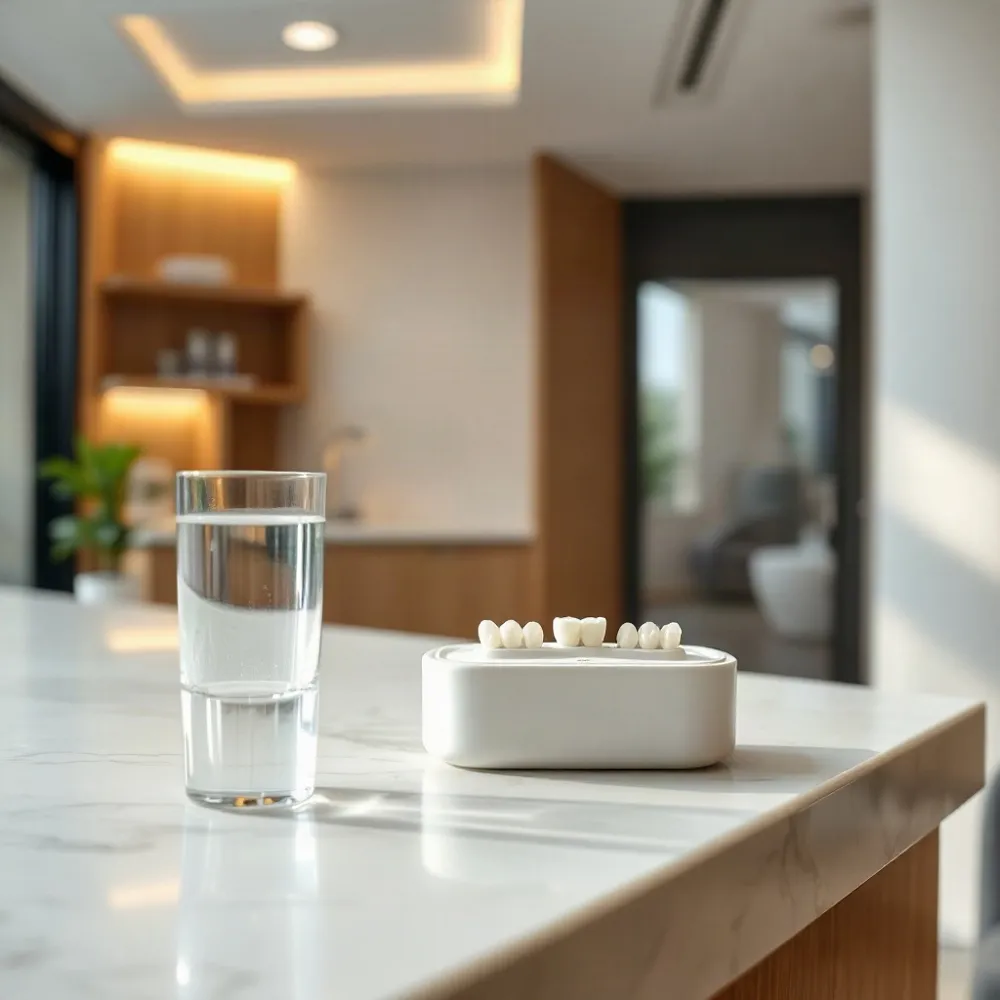 The day your clear aligners come off is a big milestone, but your journey to a lasting smile is just beginning. During treatment, your teeth moved into their new positions, but the tissues around them, including the gums and the bone, need time to adapt and stabilize. Without proper retention, your teeth will naturally try to shift back to their original spots, undoing all the progress you've made. This is why the post-treatment phase is just as critical as the aligner wear itself.
At Smile Perfector Dental Group in Los Angeles, we pair every clear aligner case with a personalized retention plan. While some patients might be tempted to skip ahead, especially after seeing their new straight teeth, we make sure you understand exactly why the next steps matter. Our team focuses on helping you protect your investment, so you can enjoy a beautiful, healthy smile for years to come.
The Role of Retainers After Clear Aligners
Retainers are the unsung heroes of orthodontic treatment. After your aligners come off, your teeth are still in a state of flux. The periodontal ligaments, which hold your teeth in place, haven't fully reattached, and the bone needs time to remodel around the new positions. A retainer holds your teeth in their ideal alignment while these natural processes catch up. Skipping this step, even for a few days, can lead to noticeable shifting.
Many patients wonder how long they'll need to wear a retainer. The answer is typically for life, but the frequency decreases over time. In the first few months after treatment, you'll likely wear your retainer full-time, removing it only for eating, brushing, and flossing. After that, many people can transition to nighttime-only wear. This gradual reduction helps your teeth settle into their new positions while you sleep. For a detailed breakdown, resources like this guide on retainers after clear aligners explain the process well.
Your Retention Timeline: What to Expect
- First 3-6 months: Wear your retainers 20-22 hours per day, removing them only for meals and oral hygiene.
- After 6 months: Transition to nighttime-only wear, typically 8-10 hours while you sleep.
- Long-term: Continue night-time wear indefinitely to maintain your results and prevent age-related shifting.
This timeline is a general guide. At Smile Perfector Dental Group, we tailor your retention schedule based on your individual case, including the original complexity of your misalignment and how quickly your teeth respond. We also provide clear, at-home instructions so you know exactly what to do from day one. If you ever have questions, our Los Angeles team is just a phone call away.
Simple Tips for a Straight Smile
Keeping your teeth straight after aligners doesn't have to be complicated. Alongside wearing your retainer as directed, a few simple habits can make a big difference. First, always handle your retainer with clean hands, and store it in its case when you're not wearing it to protect it from loss or damage. When you brush, use a soft-bristled brush and non-abrasive toothpaste, and gently clean your retainer too. Avoid soaking it in hot water, which can warp the material.
Consistency is your best friend. Whether you're at home or traveling, sticking to your retainer routine ensures your teeth stay put. If you notice any discomfort or if your retainer feels tight, don't wait to reach out. The experts at Smile Perfector Dental Group can adjust your fit to keep you comfortable. To learn more about caring for your aligners, check out these tips for clear aligner care and do's and don'ts for aligner maintenance.
Long-Term Maintenance: Protecting Your Smile for Life
Your teeth naturally shift as you age, regardless of whether you've had braces. This is why long-term retention is not just about maintaining your current look but about preventing unwanted movement down the road. By committing to a retainer routine, you're investing in your smile's future. At Smile Perfector Dental Group, we make this easy with regular follow-up visits that let us monitor your teeth and your retainer's fit, catching any issues early.
We understand that life gets busy, and sometimes retainers get lost or worn out. That's why we offer replaceable retainers and check the condition of yours at every appointment. Whether you need a new retainer or just a professional cleaning, our Los Angeles practice is here to help. For more insights on keeping your smile straight after aligners, explore these tips from The Gleemery and this guide on maintaining a straight smile.
Monitoring Your Smile With Regular Dental Visits
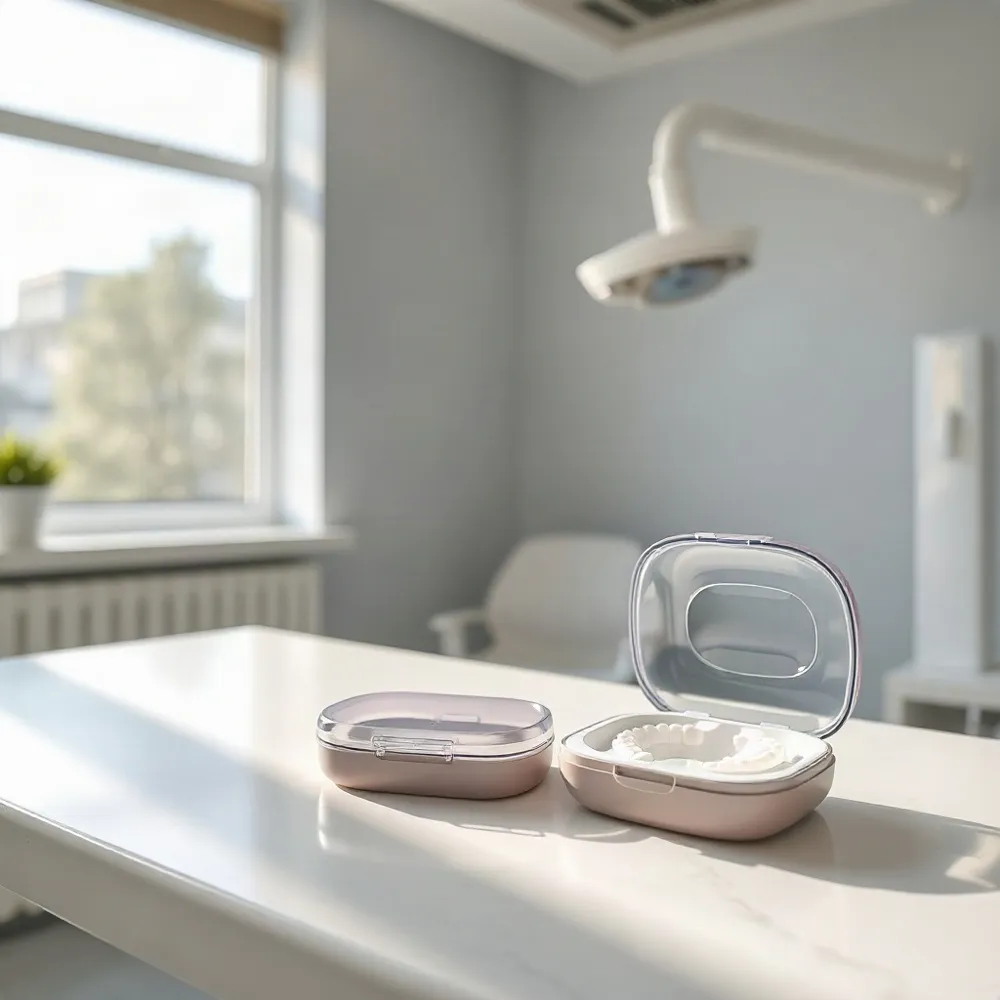 Patients at Smile Perfector Dental Group know that seeing results from clear aligners is only half the journey. Committing to a few simple daily habits ensures your new smile stays as healthy as it looks. When you wear aligners for 20 to 22 hours each day, food particles and plaque naturally build up around the trays, which makes a consistent oral hygiene routine your first line of defense against cavities, gum irritation, and staining.
The Right Way to Brush with Clear Aligners
Brushing after every meal may feel demanding, but it prevents acids and debris from becoming trapped between your teeth and the aligner tray. Carry a travel toothbrush and toothpaste with you so that brushing after snacks or meals is second nature. At Smile Perfector Dental Group, the team recommends using a soft-bristled brush and gently cleaning all tooth surfaces, including the gumline, before reinserting your aligners. This simple step keeps your breath fresh and your aligners transparent.
Flossing: The Non-Negotiable Step
While flossing can feel more awkward with aligners, it is essential for removing plaque from between teeth where bristles cannot reach. Use traditional floss, floss picks, or a water flosser to clean these tight spaces daily. A water flosser is particularly helpful for people who find threading floss under the aligner edges difficult. Taking two extra minutes to floss each evening reduces plaque buildup along the gumline, which protects your smile during and after treatment.
Your Confident Smile, Preserved for Life
Teeth are never completely stationary. Even after clear aligners or braces finish their work, the bone and ligaments that hold each tooth in place keep responding to everyday forces like chewing, tongue pressure, and the natural aging process. This means a certain amount of movement is expected over time, especially without the right support.
Bone remodeling. After aligners shift a tooth, the surrounding bone needs weeks to rebuild and stabilize around the new position. If no retainer holds that space, the tooth can drift back toward its original spot while the bone is still forming.
Periodontal memory. The ligaments that anchor your teeth have a kind of elastic memory. They naturally pull teeth back toward where they used to sit, which is a primary reason orthodontists expect some relapse without active retention.
Muscle and tongue pressure. Your lips, cheeks, and tongue place constant, subtle pressure on your teeth. Without a retainer to counter it, that pressure can slowly nudge teeth out of alignment, especially in the lower front teeth.
The clinical term for this drift is "orthodontic relapse," and it is a main reason retention is treated as a lifelong commitment. A 2017 review in the Journal of Orthodontics noted that "the teeth will always have a tendency to move back" and emphasized the importance of ongoing retention planning for long-term stability.
Long-term aligners. Wear a clear aligner at night while you sleep. Even when you start a new set of aligners, keeping your previous tray on hand as a backup lets you swap it in for a night if you notice any shift.
Wire retainers. A thin bonded wire cemented to the back of your front teeth offers invisible, low-maintenance stability. Your dentist can place it after treatment for passive alignment without any removable part.
Lingual buttons. Small reinforced attachments bonded to the inside surfaces of your teeth help the plastic tray grip certain teeth more firmly. They're removed once treatment is complete, but they make every night of wear more effective.