Your Guide to Dental Implant Timelines in Los Angeles
Getting a dental implant is not a single appointment. It is a multi-phase journey that typically spans several months from start to finish, as the body needs time to heal and fuse with the implant. This guide breaks down each stage, so you know exactly what to expect.
No two patients have the same timeline. Factors like bone density, the need for extractions or grafting, and your overall health all play a role in how long the process will take. A straightforward single implant may be completed in a few months, while complex cases requiring bone grafting or full-arch restoration can take a year or longer.
At Smile Perfector Dental Group, led by Dr. David Shouhed, DDS, every patient receives a personalized treatment plan with clear communication at each step. You will never be left wondering what comes next. The goal is a confident, natural-looking smile that can last a lifetime.
What Are the Stages of Dental Implant Treatment?
 Before any treatment begins, a thorough evaluation sets the foundation. For Los Angeles residents considering dental implants, your dentist starts with a comprehensive examination and advanced 3D imaging to assess your jawbone and oral health. This allows for a personalized treatment plan that maps out every step, from extraction to the final smile. At Smile Perfector Dental Group, this planning phase ensures the entire process is tailored to your specific needs, saving you time and uncertainty—and giving you confidence in your treatment journey.
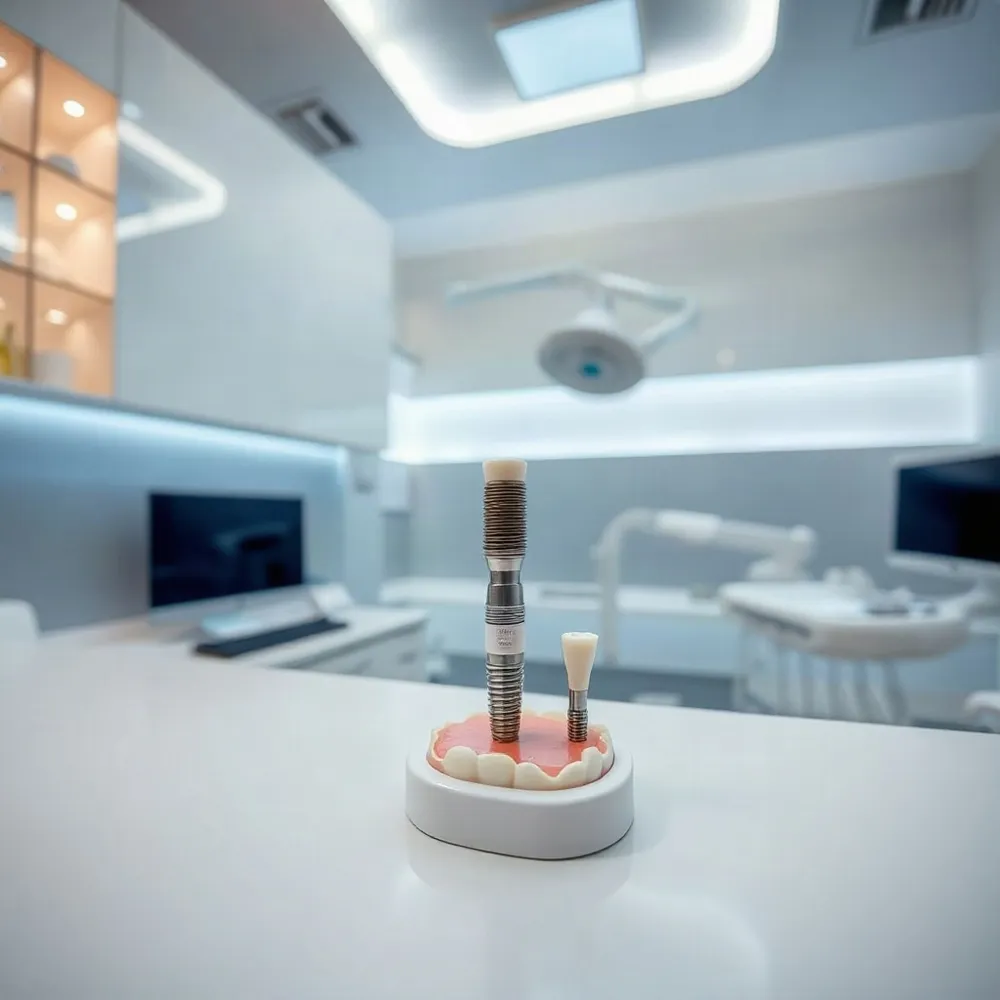
The surgical placement of the implant post is the next stage. Under local anesthesia, your dentist makes a small incision and carefully inserts the post into the jawbone. The procedure itself for a single implant typically takes about 30 to 60 minutes for straightforward cases, according to Mayo Clinic. During this step, precision is everything, as the post will serve as the new root for your tooth.
Healing and bone fusion follow the surgery. This is the critical phase where your jawbone gradually fuses with the implant's surface, creating a solid, permanent anchor. This healing and fusion process can take anywhere from three to nine months, depending on how quickly your body heals, as noted by Cleveland Clinic. While this sounds like a long wait, it is what gives dental implants their exceptional durability.
Once the implant is fully integrated, the final restorative phase begins. A small connector piece is attached to the implant, and after a brief healing period of about two weeks, impressions are taken to craft a custom crown. The result is a lifelike, natural-looking tooth that blends seamlessly with your smile. With Smile Perfector Dental Group, the artistry of the crown design helps ensure your restored tooth looks and feels completely natural.
How Long Does a Dental Implant Take from Start to Finish?
 For most Los Angeles patients, the entire dental implant journey — from the initial consultation to snapping on your final crown — takes between five and twelve months. While that may sound like a significant commitment, remember that much of the time is your body doing the work of building a permanent foundation for your new smile.
The implant placement surgery itself for a single tooth typically takes one to two hours. During this outpatient procedure, your dentist precisely positions a titanium or ceramic post into the jawbone. The rest of the timeline is dominated by healing: a phase called osseointegration — where your jawbone grows and fuses with the implant's surface — that generally requires three to six months. This biological bond is what gives dental implants their strength and longevity, and it cannot be rushed.
When Extraction or Bone Grafting Adds Time
If you need a tooth extraction or bone grafting before the implant can be placed, an additional eight to twelve weeks of healing is standard. For example, a bone graft — whether using a synthetic material or donor bone — needs several months to produce enough new, healthy bone to support the implant. At Smile Perfector Dental Group, we create a personalized timeline for each patient, factoring in bone quality and overall health, so there are no surprises along the way.
The Final Steps: Abutment and Crown
Once osseointegration is complete and your surgeon confirms the jawbone is ready, the final stages unfold in about two to four weeks. A minor procedure places the abutment — a small connector that rises above the gumline. After the gums heal (usually at least two weeks), your dentist takes impressions and sends them to a lab to fabricate your custom crown. The finished crown is then cemented or screwed onto the abutment in a single visit, and you walk away with a fully restored, natural-looking tooth.
Several factors can extend the overall timeline: complex cases requiring a sinus lift, uncontrolled health conditions like diabetes that slow healing, smoking (which disrupts bone fusion), or the number of implants needed. A straightforward single implant with no extractions or grafting may be completed in as little as three to six months; a full-arch restoration with bone grafting can stretch closer to a year. Your dentist at Smile Perfector Dental Group will walk you through each variable and build a schedule that respects both your biology and your busy L.A. lifestyle.
Tooth Extraction and Implant Timeline: What to Expect
If you need a tooth extracted before an implant, the timeline depends on whether your bone and gums are healthy enough to proceed right away. In select cases, your dentist may place the implant on the same day as the extraction — an approach called immediate implant placement. This can reduce the overall process by several months for people who have no infection or significant bone loss.
However, a more common route is the delayed approach. After the tooth is removed, the extraction site needs several weeks to a few months to heal before the implant can be surgically placed. Allowing the gums and bone to recover first creates a stronger foundation for the implant, which supports long-term success. A dental implant surgery expert may recommend this path if there is active infection, severe bone loss, or a large socket that requires grafting.
Healing After Implant Placement
Once the implant post is in place, a healing period of three to six months — known as osseointegration — allows the jawbone to grow and fuse with the titanium surface. This process is what gives implants their strength and stability, and it cannot be rushed. According to the Cleveland Clinic, the full bone integration phase can take from three to nine months depending on how quickly your body heals and the quality of the bone.
At Smile Perfector Dental Group, Dr. Shouhed tailors each extraction and implant timeline to your unique oral health needs. For instance, if your front tooth needs to be replaced and you want to minimize time without a visible tooth, a same-day approach with a temporary crown may be possible. If the bone quality is less than ideal, a slower delayed approach with a healing period is planned to ensure your final result is both comfortable and lasting.
Will I Be Without Teeth During Healing?
No, you don’t have to go without teeth while your dental implants heal. Most dentists provide a temporary tooth solution so you can smile, speak, and eat with confidence throughout the several-month osseointegration process.
The type of placeholder depends on your specific case. Common options include a removable partial denture called a flipper, a clear Essix retainer made from thin plastic, or a temporary bridge that stays fixed in place. Each option preserves the space where the implant is healing and prevents neighboring teeth from shifting out of alignment.
At Smile Perfector Dental Group, keeping you comfortable and confident at every stage is a priority. During your consultation, Dr. David Shouhed, DDS, will recommend a temporary solution tailored to your smile — so you never have to hide a gap or change your daily routine while waiting for your final restoration.
Do All Teeth Get Pulled for Implants?
No, absolutely not. Dental implants are designed to replace only the teeth that are missing — every healthy natural tooth you have stays right where it belongs. The treatment plan is always customized to your specific needs, whether you need a single replacement, a bridge for several teeth, or a full-arch restoration. For example, Mayo Clinic notes that because implants are very strong, one implant can even support several teeth when those teeth are bridged together, further protecting your remaining natural teeth.
Your existing teeth are never removed unless they are damaged beyond repair. Even if a tooth has been missing for years, your other natural teeth are left untouched. The goal is always to preserve as much of your natural smile as possible while giving you a strong, confident result. At Smile Perfector Dental Group, Dr. Shouhed and the team begin every implant case with a thorough evaluation to ensure only the teeth that truly need replacement are addressed, keeping your healthy smile intact.
How Painful Is Getting a Dental Implant?
 The procedure itself is performed under local anesthesia, so during surgery you feel pressure and movement but not sharp pain. Most patients rank the experience as similar to, or less uncomfortable than, a routine tooth extraction.
In the first 24 to 48 hours after surgery, any discomfort typically peaks at a mild to moderate level — around 2 to 4 on a 1-to-10 scale. That soreness is generally manageable with over-the-counter pain relievers such as ibuprofen or acetaminophen, cold packs applied to the outside of the face, and a soft-foods diet.
Swelling, not pain, is usually the main annoyance. It tends to peak around day two and settles over the next few days. Many Los Angeles patients are surprised by how smooth the recovery feels. If pain worsens after day four rather than improving, that is a sign to contact your dentist promptly. At Smile Perfector Dental Group, Dr. Shouhed and the team guide patients through every stage of recovery with personalized aftercare instructions, so you know exactly what to expect and when to check in.
What Is the Recovery Time and Rest Period After Implant Surgery?
Most people feel well enough to return to work and normal daily activities after 1–3 days of rest following the implant placement. The first 24–48 hours are the most important: plan to rest, apply ice packs to the outside of your face, and keep your head elevated even while sleeping. These steps help minimize swelling and support the early stages of healing.
Swelling and tenderness usually peak around day two, then begin to subside by day four or five. Most patients find over-the-counter pain relievers sufficient to manage any discomfort. While you can return to a desk job or light routine within a few days, it is best to avoid strenuous exercise and heavy lifting for about a week. The implant needs an undisturbed environment during the early bone-integration phase, and high blood pressure from exertion can cause bleeding or delay healing.
At Smile Perfector Dental Group, we provide personalized recovery guidance for every patient. During your follow-up visits, our team checks your healing progress and adjusts recommendations based on your specific procedure — whether that was a straightforward single implant or a more complex placement with bone grafting. With proper rest and our tailored aftercare instructions, the recovery period is manageable and the long-term payoff is a smile that looks and feels completely natural.
How Long Does a Dental Implant Last and What Affects Success?
The titanium implant post 's true strength lies in osseointegration — the biological process where your jawbone grows into and fuses with the implant surface, creating a permanent, stable foundation. According to the Cleveland Clinic, this bond is so secure that the implant root is built to last a lifetime, while the porcelain crown — the visible part — typically needs replacement after 10 to 15 years due to normal wear and tear. Overall success rates for dental implants exceed 95%, as reported in long-term clinical data.
Smile Perfector Dental Group uses advanced digital imaging during your initial consultation to assess bone density, gum health, and any risk factors before treatment begins. This careful evaluation helps minimize the most common causes of implant failure: poor bone quality, pre-existing sinus lift history, uncontrolled gum disease, and smoking. Studies show that patients who skip this thorough screening may face a 3–5% failure rate, often due to undetected issues that compromise healing.
Patients who brush and floss daily, attend regular cleanings, avoid tobacco, and maintain healthy oral habits can expect their implant to function beautifully for 30 years or more. At Smile Perfector, we combine an artist's eye with a clinician's precision to design a restoration that feels natural, stays secure, and supports a confident smile in Los Angeles for decades.
Your Confident Smile Starts with a Personalized Timeline
Dental implants are a long-term investment in your smile and oral health, not just a quick fix. When you choose Smile Perfector Dental Group, you get advanced digital planning and artist-focused care tailored to your unique needs. Schedule a consultation to discuss a treatment plan that fits your life and goals.
With a focus on comfort and lifelong results, Smile Perfector Dental Group helps you achieve a confident, natural-looking smile that lasts. Your journey begins with a conversation.