Your Smile Journey Continues
Completing orthodontic treatment is a milestone worth celebrating. However, without proper aftercare, your newly aligned teeth can gradually shift back toward their original positions — a process known as orthodontic relapse. At Smile Perfector Dental Group in Los Angeles, Dr. David Shouhed and his team provide personalized support to help you protect and enjoy your results for a lifetime.
What to Do After Braces Are Removed
Schedule a Professional Cleaning Within 1-2 Weeks
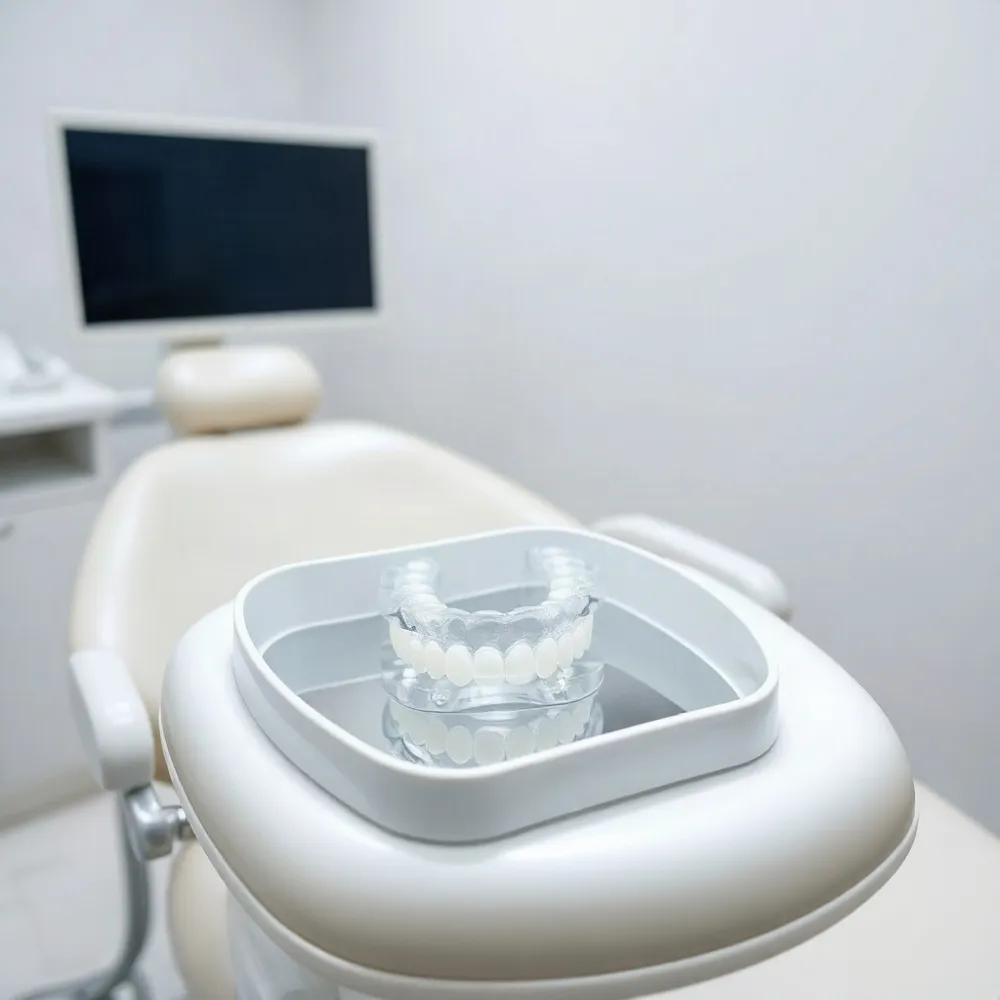
Your braces removal appointment typically takes 30 to 90 minutes. During that visit, the orthodontist carefully removes each bracket, polishes away adhesive, and often takes digital scans for your custom retainers. After your braces come off, schedule a professional dental cleaning within one to two weeks. This removes plaque and tartar that built up around brackets—areas that are tough to clean thoroughly even with diligent brushing.
At Smile Perfector Dental Group, Dr. David Shouhed and his team use a fully digital workflow to assess your smile immediately after debonding. This allows them to catch any early concerns, such as enamel demineralization or white spots, and recommend next steps—including personalized remineralizing treatments or a gentle whitening plan once your teeth have stabilized.
Get Fitted for Custom Retainers
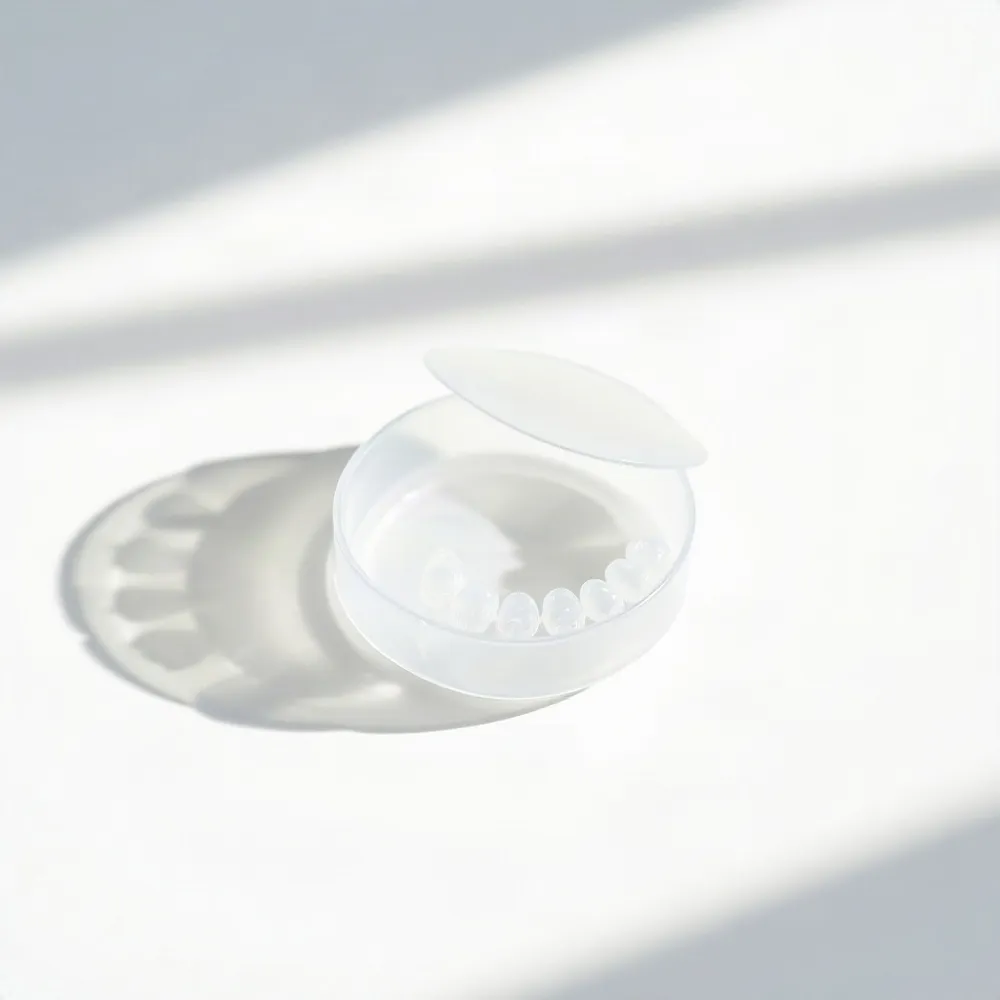
Retainers are non-negotiable for maintaining your orthodontic results. Your orthodontist will provide you with a custom-fitted retainer—often on the same day as your braces removal—because teeth begin to shift almost immediately when left unsupported. Most patients wear retainers full-time (20 to 22 hours a day) for the first 4 to 6 months, then switch to nightly use indefinitely to protect their investment.
Skipping retainer wear, even for a few nights, can allow teeth to drift. According to the American Association of Orthodontists, the process of bone remodeling continues throughout life, meaning teeth remain susceptible to movement. Smile Perfector Dental Group custom-designs your retainer to match your unique dental arch, ensuring a secure and comfortable fit.
Expect Mild Sensitivity; Stick to Soft Foods for a Few Days
After braces are removed, your teeth and gums may feel mildly sensitive—especially to cold temperatures. This is normal and typically resolves within a few days. Stick to a soft-food diet for the first couple of days: yogurt, smoothies, mashed potatoes, eggs, and tender fish are good choices. Avoid hard, sticky, or chewy foods such as nuts, popcorn, caramel, and crusty bread until tenderness subsides.
The braces removal process is generally painless, but you may feel some pressure as the brackets are loosened. Over-the-counter pain relievers like ibuprofen can help if discomfort lingers. Smile Perfector Dental Group recommends a gentle routine and encourages patients to call with any concerns, emphasizing that their warm, sophisticated environment is designed to make every visit comfortable.
Begin Retainer Care Routine Immediately
Your retainer is a precision appliance that needs daily care to stay clean and last. Rinse it with lukewarm water after every removal. Gently brush it with a soft toothbrush and mild, clear soap—do not use toothpaste, which can be abrasive. Never use hot water, which can warp the plastic. And when your retainer is not in your mouth, place it in its protective case, never wrapped in a napkin or tissue where it could be thrown away.
At Smile Perfector Dental Group, every patient receives a personalized retention plan that includes retainer care instructions and a schedule for professional cleanings and orthodontic check-ins. By following these steps, you protect your straight, beautiful smile for the long term—and continue to enjoy the confidence that comes from knowing your treatment is built to last.
Making It Through the First Week After Braces
 The first week after braces removal is a time of adjustment, but with a little preparation, you can make it comfortable and stress-free. Stock your kitchen with soft foods like yogurt, soup, smoothies, mashed potatoes, and scrambled eggs. These gentle options allow your teeth and gums to settle without pressure.
Mild soreness is normal during the first few days. Taking an over-the-counter pain reliever such as ibuprofen before your appointment or as needed can help. Orthodontic wax applied to any rough brackets or wires can prevent irritation inside your cheeks and lips.
Sensitivity to temperature and pressure is temporary and typically fades within a few days. Stick to room-temperature or cool foods, and avoid anything hard, sticky, or chewy like nuts, popcorn, bagels, or caramel. Cutting your food into small pieces also helps reduce discomfort.
At Smile Perfector Dental Group, Dr. David Shouhed and his team offer personalized post-treatment guidance, including tips for managing the initial adjustment period. They recommend continuing your oral hygiene routine with a soft-bristled toothbrush and fluoride toothpaste, and scheduling a professional cleaning within the first week or two to ensure a fresh start for your smile.
Wearing Your Retainer for Long-Term Success
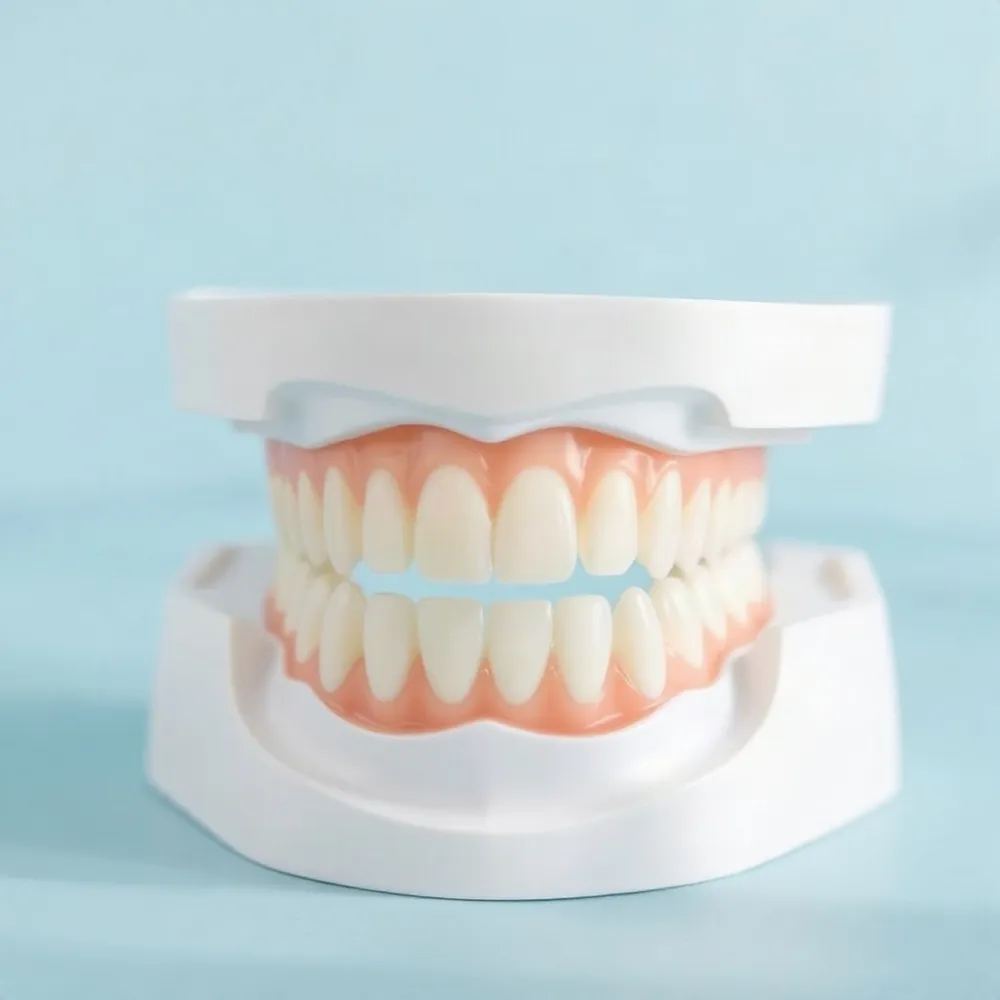 Removing your braces is a big achievement, but your teeth need continued support to stay in their new positions. The orthodontic process shifts teeth by remodeling bone and stretching elastic gum fibers, and those fibers naturally want to pull teeth back toward their original spots. A retainer is the tool that holds everything in place while your mouth fully adapts.
The American Association of Orthodontists notes that bone remodeling continues throughout life. This means forces from daily activities like chewing can slowly cause teeth to drift if they are not stabilized with a retainer. Skipping retainer wear, even for a few nights, can allow noticeable shifting to begin.
The Retainer Wear Schedule
After your braces are removed, you will need to wear your retainer full-time for the first several months. This usually means keeping it in for 20 to 22 hours a day, removing it only to eat and to brush your teeth. This phase gives your teeth, bone, and gums the stable environment they need to settle into their new alignment.
After about 4 to 6 months, most orthodontists will clear you to switch to wearing your retainer only at night. Many patients continue this nighttime habit for years or even indefinitely. Even long after active treatment, natural aging and jaw development can cause teeth to shift. Consistent nighttime wear is your most reliable defense against gradual relapse.
Types of Retainers
Hawley Retainers. The classic design features a metal wire that crosses the front of the teeth and an acrylic plate that fits against the roof of the mouth or behind the lower teeth. Hawley retainers are durable, adjustable, and often the most affordable option. They are also slightly more visible than clear alternatives, but their longevity makes them a popular choice.
Clear Plastic Retainers. Also called Essix or Vivera retainers, these are made of a clear, custom-molded plastic that fits tightly over the entire arch of teeth. They are nearly invisible when worn, which many patients prefer for appearances. Clear retainers tend to wear out faster than Hawley retainers and typically need to be replaced every 6 to 12 months.
Fixed Bonded Retainers. A thin wire is permanently bonded to the back surface of the front teeth. Fixed retainers are not visible from the outside and work 24 hours a day without the patient having to remember to insert them. They require careful cleaning with floss threaders or a water flosser to remove plaque from under the wire.
At Smile Perfector Dental Group in Los Angeles, Dr. David Shouhed and his team custom-fit each patient's retainer based on their unique dental anatomy. The clinic's fully digital workflow enables precise scans of your teeth right after braces removal, so your retainer is a perfect match from day one.
What Happens If You Skip a Night
It is common to wonder whether skipping a night or two will make a difference. The short answer is yes. Teeth can begin shifting within hours of removing a retainer because the surrounding ligaments are still elastic. The braces removal process leaves teeth in a state where they are eager to rebound. If your retainer feels noticeably tighter after a break, that is a sign some movement has already occurred. If it no longer fits at all, contact your orthodontist for guidance.
If you notice your teeth have shifted even a small amount, do not try to force an old retainer back into place. Doing so can damage your tooth roots or supporting bone. A professional assessment is needed. In many cases, minor shifting can be reversed quickly and comfortably using custom clear aligners or by crafting a new, precise retainer — both services offered at Smile Perfector.
| Retainer Type | Visibility | Durability | Typical Replacement Cycle |
|---|---|---|---|
| Hawley | Slightly visible wire | High – adjustable | Years, with periodic adjustments |
| Clear (Essix/Vivera) | Nearly invisible | Moderate – wears over time | Every 6–12 months |
| Fixed Bonded | Invisible (behind teeth) | Very high – permanent wire | Years, monitor during cleanings |
Caring for Your Retainer
Your retainer is the most important tool for preserving your new smile, and keeping it clean is just as important as wearing it. A simple daily routine will prevent plaque buildup, bad odors, and damage.
Each morning and evening, rinse your removable retainer with lukewarm water and gently brush it with a soft-bristled toothbrush and mild, clear liquid soap or a dedicated retainer cleaner. Never use toothpaste, which is too abrasive and can scratch the surface, creating hiding spots for bacteria. Similarly, avoid hot water, which can warp clear plastic retainers and ruin their fit.
When your retainer is not in your mouth, it should always be stored in its protective case. Wrapping it in a napkin or tissue is a common way to lose or accidentally throw it away. Pets have also been known to chew on retainers left on nightstands.
Different retainer materials have different lifespans. Clear plastic retainers (like Essix or Vivera) typically need replacement every 6–12 months as they wear down and lose their grip. Hawley retainers, made with a metal wire and acrylic base, are more durable and can last for years, though they may occasionally need adjustment by your orthodontist.
If your retainer breaks, becomes loose, or is lost, contact your orthodontist immediately. Even a few nights without it can allow your teeth to begin shifting back. At Smile Perfector Dental Group, Dr. David Shouhed and his team can quickly craft a replacement using their advanced digital workflow, ensuring your teeth stay right where they belong.
Post-Braces Oral Hygiene Routine
Now that your braces are off, your teeth do not have built-in protection from brackets and wires. Without a consistent routine, plaque can build up quickly and lead to decay or leftover white spots from treatment. A focused approach to brushing, flossing, and rinsing protects your investment and keeps your smile bright.
Brush Twice Daily for Two Minutes
Use a soft-bristled or electric toothbrush with fluoride toothpaste, brushing for a full two minutes each time. Pay special attention to the gumline and the areas where brackets once sat, as those surfaces can be more prone to demineralization. At Smile Perfector Dental Group, the team recommends a gentle, thorough technique to avoid irritating sensitive gum tissue that has just healed from appliance wear.
Floss Daily with Waxed Floss or a Water Flosser
Without wires to navigate, flossing becomes simpler, but it is still essential for reaching between teeth and below the gumline. Waxed dental floss slides easily into tight spaces. If you prefer a water flosser, it can flush out food debris and plaque that brushing misses. Both tools lower your risk for cavities and gum disease after braces.
Use Fluoride Mouthwash at Night for Extra Protection
Adding a fluoride or antimicrobial rinse before bed gives your enamel a final layer of defense against acids produced by overnight bacteria. The team at Smile Perfector Dental Group discusses this step as part of a personalized home-care plan, helping patients who had white spots or sensitivity during treatment build stronger enamel over time.
Special Care for Fixed Retainers
If you have a permanent bonded wire behind your lower front teeth, you need additional cleaning tools. A floss threader or superfloss helps you guide floss under the wire and between each tooth. An interdental brush can scrub the tight spaces around the bonding points, and a water flosser efficiently clears trapped debris. Without this attention, plaque accumulates along the retainer and increases the risk of decay.
Continue Professional Cleanings Every Six Months
Even with a diligent home routine, a visit to your dentist for a professional cleaning and exam is essential. Your hygienist can remove any tartar that built up during treatment, check your gums for infection, and inspect your retainer for wear. At Smile Perfector Dental Group, these semi-annual appointments also include a visual check of tooth alignment, so minor shifts are caught early and can be addressed before they become noticeable.
The period after braces removal is the foundation for your long-term smile. With a simple, consistent hygiene routine, your teeth will feel great and stay in place, giving you the confidence to show off your results every day.
Managing Side Effects and Common Concerns
For Los Angeles residents, after braces come off, a few temporary sensations are perfectly normal. Slight sensitivity to hot or cold food and drink is common and typically fades within a few days. Gums may feel tender for a short while, and it is normal for teeth to feel slightly loose as the surrounding ligaments and bone settle into their new positions. These effects are part of the natural adjustment process and usually resolve within a couple of weeks.
Another concern that can appear after treatment is white spots or patches on the enamel, often caused by loss of minerals during the time braces were on. These spots are treatable. A fluoride varnish or a product that helps restore minerals applied during a professional cleaning can help strengthen the enamel and reduce their appearance. At Smile Perfector Dental Group, our team can assess the condition of your enamel and recommend the most effective approach to restore a uniform, bright smile.
When to Contact Your Orthodontist
Most post-treatment discomfort resolves on its own, but certain signs call for professional attention. If your retainer starts to feel tighter than usual, if you notice new gaps between teeth, or if your bite feels different, schedule an evaluation promptly. These changes may indicate slight tooth movement. Catching and addressing them early can prevent the need for more extensive correction later. Your orthodontist can adjust or replace your retainer and ensure your alignment stays secure.
Diet and Habits for a Lasting Smile
Your retainer is durable, but certain foods can bend wires, crack plastic, or loosen bonding. To protect your investment, avoid hard items like nuts, popcorn, hard pretzels, ice, and un-cut raw vegetables. Steer clear of sticky foods such as caramel, taffy, gummy candy, and chewing gum that can pull at retainer components.
Smart Choices for Stronger Teeth
Sugary and acidic foods and drinks feed bacteria that produce enamel-weakening acids. Limit soda, sports drinks, and sugary snacks; when you do indulge, rinse your mouth with water afterward. Focus on calcium-rich foods like yogurt, cheese, and leafy greens, and crunchy fruits and vegetables such as apples and carrots — sliced into small pieces to avoid direct biting force. Smile Perfector Dental Group recommends a balanced diet that helps strengthen your enamel and supports gum health as your teeth settle into their new position.
Protect Your Smile During Activity and Sleep
Wear a custom mouthguard during contact sports to shield your teeth and removable retainers from impact. If you grind your teeth, a nightguard protects enamel and maintains alignment. Smile Perfector Dental Group can assess your bite and suggest a custom-fit nightguard to preserve your results.
Regular dental check-ups every six months allow your team to monitor retainer condition, catch minor shifts early, and provide professional cleanings. Smile Perfector's Los Angeles practice uses digital imaging to track alignment over time, so you can enjoy your straight, confident smile for life.
Tips for Finishing Treatment Efficiently
While your orthodontist determines the overall treatment timeline based on your specific needs, your daily habits play a big role in how smoothly things progress. Staying committed to a few key practices can help you finish your treatment on schedule and with the best possible results.
Wear your braces, clear aligners, or elastics exactly as prescribed. For clear aligners, this typically means wearing them 20–22 hours each day, removing them only for eating, drinking, and cleaning. Rubber bands or elastics that are part of your treatment should also be worn consistently. Skipping hours or not following the wear schedule can slow tooth movement and extend your time in treatment.
Keep every scheduled appointment with your orthodontist. These visits, often every 4–8 weeks, allow your provider to monitor progress, make necessary adjustments, and keep everything on track. Missing appointments can delay your treatment by weeks or even months.
Maintain excellent oral hygiene throughout your treatment. Plaque buildup, swollen gums, or cavities can cause your orthodontist to pause adjustments, adding unnecessary time to your treatment plan. Brush carefully around brackets and wires using a soft-bristled toothbrush and an interdental brush, and floss daily with floss threaders or a water flosser.
Trust your orthodontist's timeline. Rushing the process — by asking for early removal or skipping the retention phase — can compromise your results. At Smile Perfector Dental Group, Dr. David Shouhed uses advanced digital imaging and a customized plan to ensure your teeth move on schedule and settle securely. Following the full plan, including the retention stage, protects your investment and keeps your smile straight and confident for life.
Your Smile, Protected for Life
Protecting your new smile comes down to a few consistent habits: wearing your retainer as prescribed, maintaining a thorough oral hygiene routine, choosing a balanced diet, and keeping up with professional cleanings.
Regular dental visits every six months allow your care team to monitor alignment, check the condition of your retainer, and catch any concerns early. At Smile Perfector Dental Group in Los Angeles, patients benefit from personalized attention and advanced digital monitoring to keep their results on track.